⚠️ Disclosure: This post contains affiliate links. We may earn a commission at no extra cost to you.
⚠️ Disclosure: This post contains affiliate links. We may earn a commission at no extra cost to you.


Virtual assistants have moved from a niche convenience to a core operational layer for businesses that want to scale without drowning in administrative overhead. Yet bringing a skilled remote professional onto your team only solves part of the equation. The real differentiator—the thing that separates a thriving, autonomous partnership from a frustrating, low-output arrangement—is how you manage that relationship day to day. This guide unpacks the systems, communication habits, and leadership mindset you need to lead a VA effectively in 2026, with practical steps you can start applying this week.
A rushed, verbal handoff is the single biggest cause of early failure. Treat the first two weeks as an immersive orientation. Your VA needs more than a task list; they need context about your business, your customers, and your decision-making principles.
Build a private knowledge base. Assemble a shared document (in Notion, Google Docs, or Confluence) that contains:
Run a live walkthrough. Schedule a 60-minute video call to screen-share how you actually work. Show them your inbox filters, project boards, and where drafts live. Recording this session gives them a permanent reference.
Set a 30-day ramp-up plan. Define three to five small milestones they can hit in the first month. Examples: clean your CRM of duplicates, draft ten social media posts, set up a reporting dashboard. Early wins build confidence on both sides.
General statements like “help with marketing” dilute productivity. Specificity turns a VA into a strategic lever.
Create a responsibility matrix. List every regular task, its owner, due date, and the definition of “done.” A table can help:
| Task | Owner | Cadence | Quality Acceptable Threshold |
|---|---|---|---|
| Daily inbox triage | VA | Every weekday by 10 AM | All emails sorted into folders; < 2% misrouted |
| Client follow-up emails | VA | 24 hours after meeting | Template personalised with correct names/dates; zero typos |
| Weekly sales pipeline update | VA | Monday 12 PM | CRM dashboard updated, flagged deals highlighted |
Shift from activity to outcomes. Instead of tracking hours spent on “research,” define the deliverable. “Compile a one-page competitor comparison with pricing and three differentiators” gives your VA a clear finish line.
Schedule a review cycle. Agree on a 15-minute weekly checkpoint to discuss priorities, blockers, and what’s working. This isn’t micromanagement; it’s the steering rhythm that keeps remote work aligned.
Remote collaboration lives or dies by communication patterns. Inconsistent check-ins lead to drift, while constant pings destroy deep focus.
Adopt a daily stand-up message. Ask your VA to send a brief written update at the end of their work block: what was completed, any questions stuck, and the next day’s top three priorities. This takes two minutes and eliminates invisible progress.
Reserve synchronous time for high-value interaction. A 30-minute strategy call once a week and a monthly retrospective give you space to discuss improvements, not just task status.
Separate urgent from async. Define your escalation channels clearly. For example, direct messages in your team chat only for true time-sensitive blockers; everything else goes into the project management tool or email.
Master the art of recorded video messages. Loom or similar tools let you explain a complex process once, with tone and nuance intact, and your VA can replay it as needed. Many experienced managers consider this the most underrated technique for reducing revision cycles.
When you screen for the right communication habits from day one, you build a foundation that scales. That’s why screening for essential capabilities before you even sign a contract saves you endless realignment later.
A toolkit without structure is chaos. Choose a lightweight stack and enforce consistent usage.
Project management. Platforms like Asana, Trello, or ClickUp let you assign tasks with due dates, attachments, and subtasks. Create a dedicated project for your VA and use custom fields for priority and status.
Password management. Never send credentials via chat. Use a shared vault in 1Password, Bitwarden, or LastPass. Grant access only to the specific accounts needed, and enable two-factor authentication wherever possible. A common mistake is giving broad admin access out of convenience—limit permissions to the minimum viable scope.
Communication and file storage. Slack or Microsoft Teams for real-time chat; Zoom or Google Meet for calls; Google Drive or SharePoint for collaborative documents. Standardise naming conventions for files so your VA can locate assets without asking.
Time tracking and reporting. Tools like Toggl or Harvest offer visibility without micromanaging. Many VAs log their hours transparently; you can review patterns to spot tasks that could be automated or streamlined.
External resources can help you shape these systems. The remote team management guide from Asana provides a repeatable framework for assigning work and maintaining visibility across time zones.
The psychological contract matters. If you treat your VA as a transaction, you’ll get transactional effort. If you treat them as a professional partner, they’ll think like an owner.
Delegate authority, not just tasks. Once a VA demonstrates competence in scheduling, let them propose calendar adjustments without your pre-approval. Give them guardrails (“You can reschedule any internal meeting with notice, as long as it doesn’t involve a client”) rather than asking permission each time.
Encourage proactive thinking. Frame requests as outcomes: “We need the quarterly newsletter drafted by Friday” invites them to solve the problem, whereas “type this exact text into Mailchimp” turns them into a keyboard. The former scales; the latter traps you in a bottleneck.
Celebrate good judgment. When your VA catches an error or suggests a better workflow, acknowledge it publicly. That reinforcement shapes future behavior more than any procedure manual.
Handle mistakes constructively. A flawed deliverable is not a reason to revoke trust. Set up a root-cause debrief: “What would have prevented this?” Often the answer is a missing checklist, not a lack of diligence. Fix the system, then move forward.
The best virtual assistants grow with your business. Investing in their learning pays compound returns because they can absorb new domains without you having to hire again.
Conduct a quarterly skills audit. List the capabilities you’ll need in the next six months—perhaps data analysis in Excel, basic video editing, or customer support scripting—and compare them to your VA’s current proficiency. Identify one or two gaps to close.
Provide access to structured learning. Ongoing professional growth doesn’t require a formal L&D department. Point your VA toward curated certification programs on platforms like Coursera or HubSpot Academy that map directly to your business needs. A short course on digital marketing automation can turn an administrative VA into a funnel manager.
Create an internal “stretch project” pathway. Assign a one-off project just beyond their current comfort zone, with you as a safety net. Maybe they draft a first version of a client proposal or analyse a dataset. These projects build capability without risking core operations.
Document new skills in your knowledge base. When your VA learns a new tool, have them record a quick walkthrough. That artifact becomes a training asset and signals that their expertise is valued.
Measurement should illuminate, not suffocate. Build a lightweight dashboard that surfaces leading indicators.
Use a simple weekly scorecard. Pick three to five metrics that reflect real output: tasks completed on time, average response time to client emails, number of data-entry errors, or project milestones reached. Keep it visual and review it together briefly each week.
Separate operational from strategic metrics. Operational numbers track daily flow; strategic ones measure whether your VA is contributing to bigger goals, like reducing your own time on administrative work by a certain percentage.
Run a monthly retrospective. Ask two questions: “What’s one thing I could do to make your work easier?” and “What’s one process we should improve next month?” This two-way feedback surface is critical because your VA often sees operational friction you don’t.
Industry frameworks, such as SHRM’s remote work best practices, emphasize that performance reviews for distributed workers should focus on deliverables and impact, not presence, which is exactly the mindset shift that makes VA relationships thrive.
Time zone gaps can become a secret weapon if you structure the handoff correctly.
Create a clear “follow-the-sun” workflow. Define which tasks your VA can complete while you’re offline, so you wake up to results. For instance, a VA in a time zone five hours ahead can triage your overnight inbox, compile sales figures, and flag priority items before your morning coffee.
Overlap by design. Even a 60-minute window of overlapping availability weekly makes a significant difference for live discussion. Schedule that window for the most collaborative work: planning, brainstorming, and feedback.
Write for clarity, not brevity. In async communication, a sentence that is merely brief can turn into a confusing puzzle. Provide context, expected format, and a deadline in every request. A template helps: “Task: [specific action]. Purpose: [why it matters]. Output: [where it goes and in what form]. Deadline: [date/time in your time zone].”
Respect offline boundaries. Just because you’re working doesn’t mean your VA should be. Agree on notification quiet hours and stick to them. Burnout reduces productivity as surely as it does for any in-house role.
Even seasoned entrepreneurs stumble into these traps. Recognising them early keeps the partnership healthy.
Managing a virtual assistant for maximum productivity is a deliberate practice, not a one-time setup. It rests on four pillars: obsessive clarity during onboarding, structured communication cadences, empowerment with the right tools and autonomy, and a genuine investment in the assistant’s growth. When you treat your VA as a professional partner and build systems that reduce friction, you free yourself to focus on the work only you can do—and your assistant becomes a multiplier, not just a helper. Start today by writing one clear SOP for a task you’ve been carrying too long, and then hand it off with confidence. For more practical frameworks and guidance on building an efficient remote team, explore our resource library.
Focus on a single priority area in the first week. Provide a written SOP, a 15-minute video walkthrough, and a small deliverable due within two days. Gradually add responsibilities as they demonstrate mastery. A staged approach prevents information overload and builds competence step by step.
Embrace async communication. Use a daily handoff note, record video explanations, and keep one overlapping hour each week for live alignment. A well-structured async workflow often yields higher productivity than constant real-time chat, because both sides get uninterrupted deep work.
A 10-minute daily written update and a 30-minute weekly video call work well for most teams. Add a monthly retrospective to discuss process improvements. Avoid impromptu check-ins that interrupt workflow; stick to scheduled touchpoints so your VA can plan deep work.
Use a dedicated password manager with shared vaults, such as 1Password or Bitwarden. Grant access only to the specific accounts your VA needs, enable two-factor authentication, and never transmit credentials over email or chat. Change passwords when a working relationship ends.
Track a small set of outcome-based metrics: task completion rate on time, error frequency, response time to client messages, and progress against monthly goals. Review the scorecard together weekly so both sides stay aligned on expectations.
Absolutely. Identify a skill gap, provide access to a short certification course, then assign a low-risk stretch project with clear success criteria. Over time, this deliberate upskilling transforms an administrative assistant into a strategic operations partner.

Ms.Sultana brings over 16 years of expertise working with global Clients by providing different skills and Services. For the last 5 years working as an Affiliate marketer, specializing in high-ticket campaigns that drive exponential growth. She holds a degree in Computer Science and Engineering as well as achieved many more skills certificates from different institute/academies/Platform. As part of the Elite Global Marketing team, Sultana has helped clients generate millions in revenue through strategic partnerships, innovative funnels, and data-driven insights.










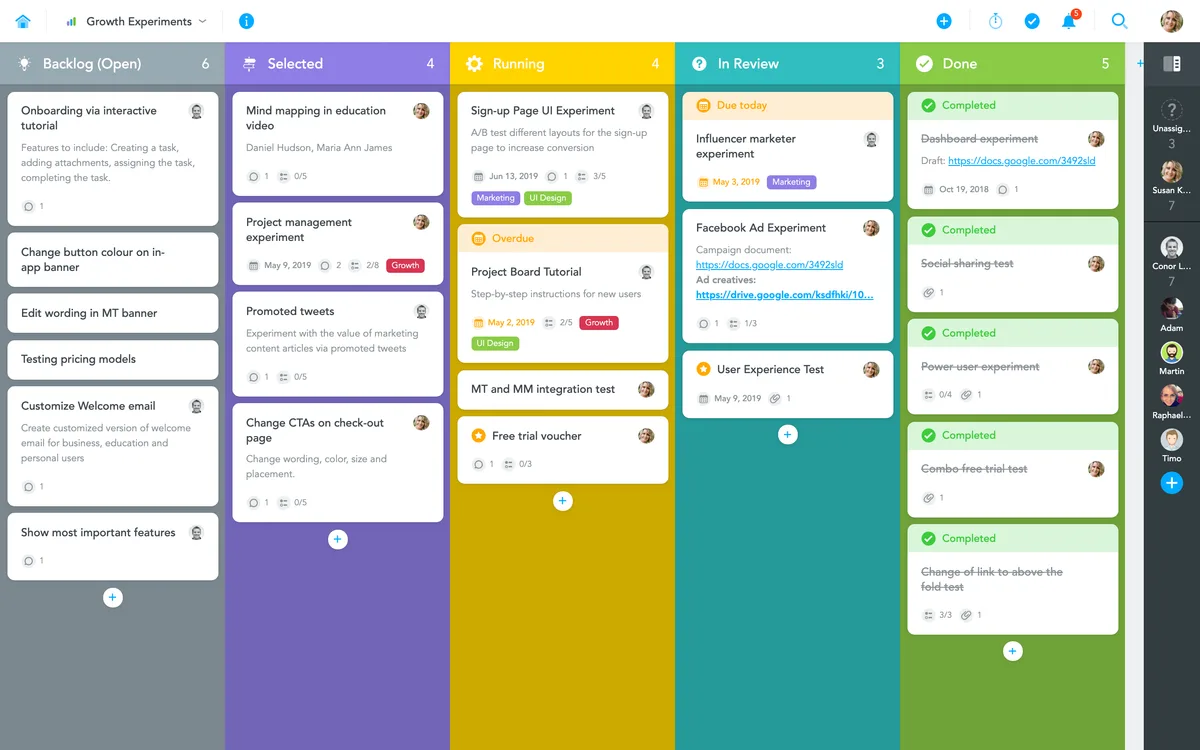
The problem most founders face isn’t hiring the wrong person, it’s giving them work that lives nowhere concrete. If you’ve ever wondered how to manage virtual…

How to communicate with a virtual assistant effectively comes down to one simple truth: these systems aren’t mind readers. They’re patternmatching machines…
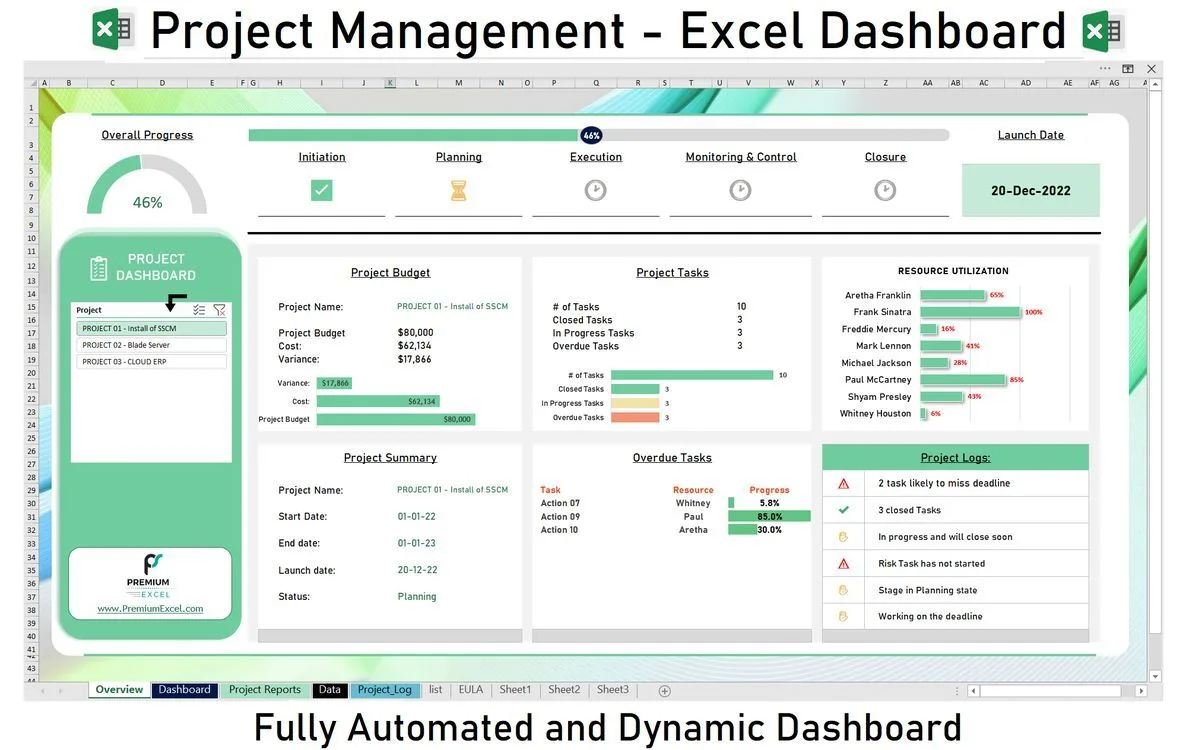
You’ve probably read generic advice about hiring help, but managing a virtual assistant remotely isn’t onesizefitsall. The approach you choose depends entirely…