⚠️ Disclosure: This post contains affiliate links. We may earn a commission at no extra cost to you.
⚠️ Disclosure: This post contains affiliate links. We may earn a commission at no extra cost to you.

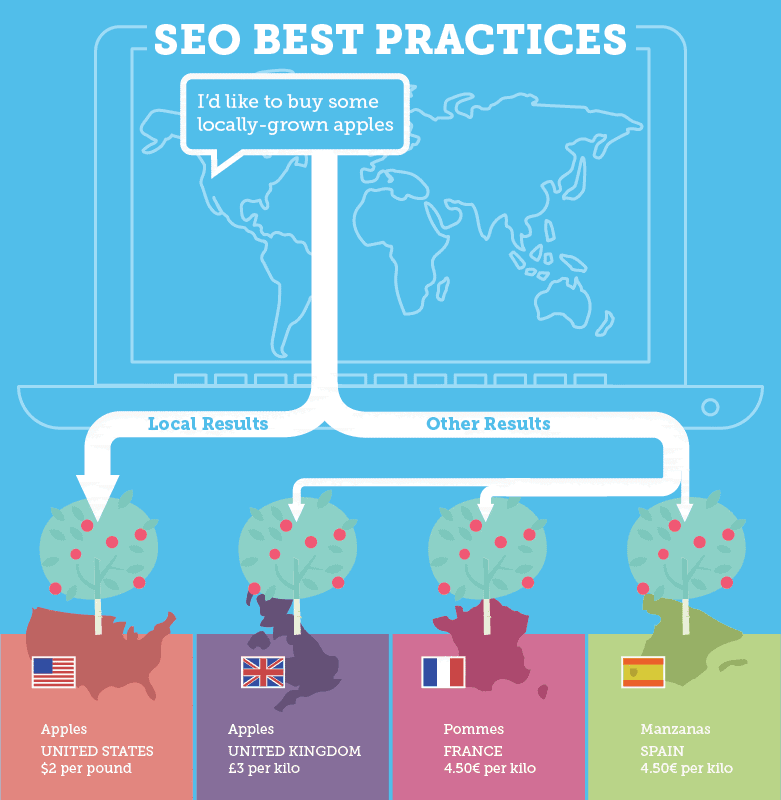


In today’s digital age, reaching a global audience is essential. International SEO helps businesses expand their reach.
International SEO optimizes your website for different countries and languages. It ensures your content is accessible and relevant to users worldwide. This practice involves tailoring keywords, content, and technical elements to suit diverse audiences. Effective international SEO can lead to higher traffic and better user engagement.
It also helps you stay competitive in the global market. Understanding the basics of international SEO can transform your online presence. This guide will explore the key strategies and best practices. Ready to take your website global? Let’s dive into the world of international SEO.

Credit: backlinko.com
In a connected world, businesses must think globally. International SEO helps your website reach users across borders. It ensures your content is optimized for different languages and regions. This strategy can increase your global reach and drive traffic from various countries.
Global SEO is crucial for businesses with international ambitions. It helps you tap into new markets and attract a diverse audience. Here are some key benefits:
These benefits can lead to more sales and revenue.
International SEO is different from local SEO in many ways. While local SEO focuses on a specific area, international SEO targets multiple regions. Here are some distinctions:
| Aspect | Local SEO | International SEO |
|---|---|---|
| Target Audience | Local customers | Global customers |
| Keywords | Local-specific terms | Country/language-specific terms |
| Content | Localized content | Translated and localized content |
| Search Engines | Google, Bing, local search engines | Google, Baidu, Yandex, etc. |
Both types of SEO require unique strategies. For international SEO, you need to consider cultural differences and language variations. You must also adapt your website structure to target different regions effectively.
Keyword Research is the foundation of any successful International SEO strategy. Identifying the right keywords ensures your content reaches the right audience. This process involves understanding target markets and using localized keywords to create relevant content for different regions.
To conduct effective keyword research, start by identifying your target markets. Different regions have unique search behaviors and preferences. Focus on these key areas:
Understanding these factors helps tailor your content to meet the needs of specific audiences. This leads to better engagement and higher search engine rankings.
Using localized keywords is crucial for international SEO. Keywords that work in one country may not be effective in another. Follow these steps:
Localized keywords improve your content’s relevance, making it more likely to rank well in local search results. Here’s a comparison table:
| Region | Standard Keyword | Localized Keyword |
|---|---|---|
| USA | Car Rental | Car Hire |
| UK | Car Rental | Hire a Car |
Incorporating localized keywords makes your content more relatable. This helps in attracting a regional audience.
Content Localization is a crucial aspect of International SEO. It involves adapting your content to meet the cultural and linguistic needs of different regions. This helps in improving user engagement and search engine rankings in local markets.
Translating your content accurately is the first step in localization. It’s important to use professional translators who understand the nuances of the target language. Automated translation tools might miss context and meaning.
Consider the following tips for effective translation:
Cultural sensitivity involves understanding and respecting the cultural norms of your target audience. This includes local idioms, humor, and taboos. Ensure your content does not offend or alienate users.
Here are some key points to consider:
| Aspect | Considerations |
|---|---|
| Language | Use native speakers, avoid slang |
| Images | Ensure they are culturally appropriate |
| Humor | Check if it translates well |

Credit: www.webceo.com
Technical SEO is the backbone of your international SEO strategy. It ensures your website is optimized for search engines. This makes it easier for users to find your content worldwide. A well-structured technical SEO plan includes several key elements.
Hreflang tags are crucial for international SEO. They tell search engines which language and country version of your site to show. This helps in serving the right content to the right audience. Implementing hreflang tags correctly can improve your website’s relevance. It also reduces bounce rates by showing users content in their preferred language.
URL structures play a significant role in international SEO. A clear and consistent URL structure helps search engines understand your site. It also makes it easier for users to navigate. For instance, using subdirectories like /fr/ for French content is a good practice. This helps search engines identify the language and region of your content.
Geo-Targeting is essential for businesses targeting users in specific countries. It helps search engines understand which audience you want to reach. This improves your search engine ranking and user experience.
To start with geo-targeting, set up your Google Search Console. Follow these steps:
These steps help search engines know which country you are targeting.
Using local domain extensions can boost your local SEO. For example, use .co.uk for the UK or .ca for Canada. This makes it clear you are targeting a specific region. Here are some common local domain extensions:
| Country | Domain Extension |
|---|---|
| United Kingdom | .co.uk |
| Canada | .ca |
| Australia | .com.au |
| Germany | .de |
Local domain extensions signal to search engines that your site is for users in that specific country. This can improve your local search visibility.
Link Building is a crucial part of International SEO. It helps your website gain visibility and authority in different regions. By acquiring backlinks from other sites, you boost your site’s credibility. This process enhances your search engine rankings. Let’s delve into two important aspects of link building: Local Backlinks and Building Authority Globally.
Local backlinks are links from websites within your target country or region. These links are vital for local SEO efforts. They help search engines understand your relevance to a specific area. To achieve this, connect with local businesses, blogs, and directories.
Building authority globally involves gaining backlinks from reputable international websites. These links signal that your content is valuable worldwide. Focus on creating high-quality content that attracts global attention.
In summary, link building is essential for International SEO. Local backlinks enhance regional visibility. Building global authority boosts your site’s overall credibility. Both strategies are crucial for a successful international SEO campaign.
Measuring success in international SEO is crucial. It helps understand what works and what doesn’t. This section will guide you through key aspects. Monitoring and analyzing international metrics is vital.
Tracking international metrics involves monitoring different performance indicators. Look at organic search traffic from each target country. Check the rankings of your keywords in local search engines. Monitor the bounce rate to understand user engagement. Also, track conversion rates to see if visitors are taking desired actions. These metrics show how well your SEO strategy performs globally.
Analyzing traffic sources helps identify where your visitors come from. Use tools like Google Analytics to see which countries drive the most traffic. Look at referral sources to find out if other websites are linking to you. Social media can also be a significant traffic source. Understand which platforms are popular in your target countries. This information helps tailor your strategy for each market. It ensures you attract the right audience.
International SEO can be complex. Avoid common pitfalls to succeed. Let’s explore some common mistakes:
Duplicate content can confuse search engines. This impacts your rankings negatively. Ensure each page has unique content.
Use hreflang tags to indicate language and region. This helps search engines understand your content better. Here’s a sample code:
Monitor for duplicate content issues regularly. Tools like Google Search Console can help. Address issues promptly to maintain SEO health.
Multi-language sites pose challenges. Properly manage translations to avoid confusion.
Create separate URLs for each language. Use subdirectories, subdomains, or country-code top-level domains (ccTLDs). Here’s a comparison table:
| Method | Example | Pros | Cons |
|---|---|---|---|
| Subdirectory | example.com/fr/ | Easy to manage | Less geotargeting |
| Subdomain | fr.example.com | Clear separation | More complex |
| ccTLD | example.fr | Strong geotargeting | Expensive |
Implement hreflang tags for language-specific pages. This helps Google understand which version to show users. Example:
Ensure translations are accurate and culturally appropriate. Poor translations can damage user experience and credibility.
International SEO is constantly evolving, and staying ahead of trends is crucial. In the coming years, several key trends will shape the future of international SEO. Understanding these trends will help businesses improve their global online presence and reach.
Artificial Intelligence (AI) is transforming the SEO landscape. AI algorithms can analyze vast amounts of data quickly. This helps in understanding user behavior and preferences. AI-driven tools can optimize content for better ranking. They can also predict which keywords will perform best. AI can enhance your SEO strategy by providing deeper insights.
Voice search is becoming more popular. People use voice assistants like Siri and Alexa to search online. This trend impacts SEO strategies significantly. Voice searches are usually longer and more conversational. Optimizing for voice search requires a different approach. Focus on natural language and question-based queries. This will help your content rank better for voice searches.
Credit: www.skynetindia.info
International SEO is the process of optimizing your website for different countries and languages. It helps improve your site’s visibility in international search engines.
International SEO is crucial for reaching a global audience. It helps your website rank higher in different countries, increasing traffic and conversions.
Implement international SEO by using hreflang tags, localizing content, and optimizing for local search engines. These steps ensure your site is relevant to international users.
Hreflang tags are HTML attributes that specify language and regional targeting. They help search engines understand which version of your content to show to users in different locations.
International SEO opens doors to global audiences. It drives traffic and boosts visibility. Tailor your content to meet local needs. Understand cultural nuances and preferences. Use appropriate keywords for each region. Remember, success lies in research and strategy. Stay consistent and monitor your progress.
Effective international SEO can bring long-term benefits. Grow your brand’s reach across borders. Embrace the global market with confidence. Happy optimizing!

Ms.Sultana brings over 16 years of expertise working with global Clients by providing different skills and Services. For the last 5 years working as an Affiliate marketer, specializing in high-ticket campaigns that drive exponential growth. She holds a degree in Computer Science and Engineering as well as achieved many more skills certificates from different institute/academies/Platform. As part of the Elite Global Marketing team, Sultana has helped clients generate millions in revenue through strategic partnerships, innovative funnels, and data-driven insights.













Curious about How will social media evolve in the future? Learn trends in AI, privacy, and content strategy to stay ahead – practical tips and predictions.

Practical habits and mindset shifts for how to be happy with less money. Actionable tips to cut costs, boost joy, and live well.

How to earn money as a student under 18 with easy online gigs, local jobs, and safety tips. Start earning legally and flexibly this week.