⚠️ Disclosure: This post contains affiliate links. We may earn a commission at no extra cost to you.
⚠️ Disclosure: This post contains affiliate links. We may earn a commission at no extra cost to you.


Page speed, AMP, and PWAs are crucial for modern web development. They enhance user experience and boost website performance.
In today’s digital world, users expect fast, seamless interactions. Page speed directly impacts user satisfaction and SEO rankings. AMP (Accelerated Mobile Pages) helps in creating quick-loading mobile pages, ensuring users stay engaged. PWAs (Progressive Web Apps) combine the best of web and mobile apps, offering reliable and responsive experiences.
Understanding these technologies is vital for anyone looking to improve their website’s performance. In this blog, we will explore how page speed, AMP, and PWAs work together to create efficient and user-friendly websites.

Credit: www.linkedin.com
Welcome to our comprehensive guide on web performance. This guide covers Page Speed, AMP, and PWAs. Web performance is crucial for a great user experience. It affects how users interact with your website. Let’s dive into the basics of web performance.
Page speed is vital for retaining visitors. Slow pages drive users away. Fast-loading pages keep users engaged. They also improve search engine rankings. Google rewards fast websites with better rankings. Speed impacts user satisfaction and business success.
Users expect quick responses from websites. They want pages to load instantly. A delay of even a second can frustrate users. This can lead to higher bounce rates. Meeting user expectations is crucial for maintaining traffic. Speed influences user perception and loyalty.
Page speed is the measure of how quickly web pages load. It affects user experience and SEO. Faster pages keep users engaged. Slow pages lead to higher bounce rates. Search engines favor fast websites. So, improving page speed is crucial.
Several metrics help measure page speed. These include:
Several factors can slow down page speed. These common bottlenecks include:
| Bottleneck | Description |
|---|---|
| Large Images | High-resolution images take longer to load. |
| Excessive JavaScript | Too much JavaScript delays page rendering. |
| Server Response Time | Slow servers increase loading times. |
| Unoptimized CSS | Large or blocking CSS files slow down rendering. |
| Too Many HTTP Requests | Each element on a page requires an HTTP request. |
Address these bottlenecks to improve page speed. Use techniques like image optimization, minifying CSS and JavaScript, and using a Content Delivery Network (CDN).
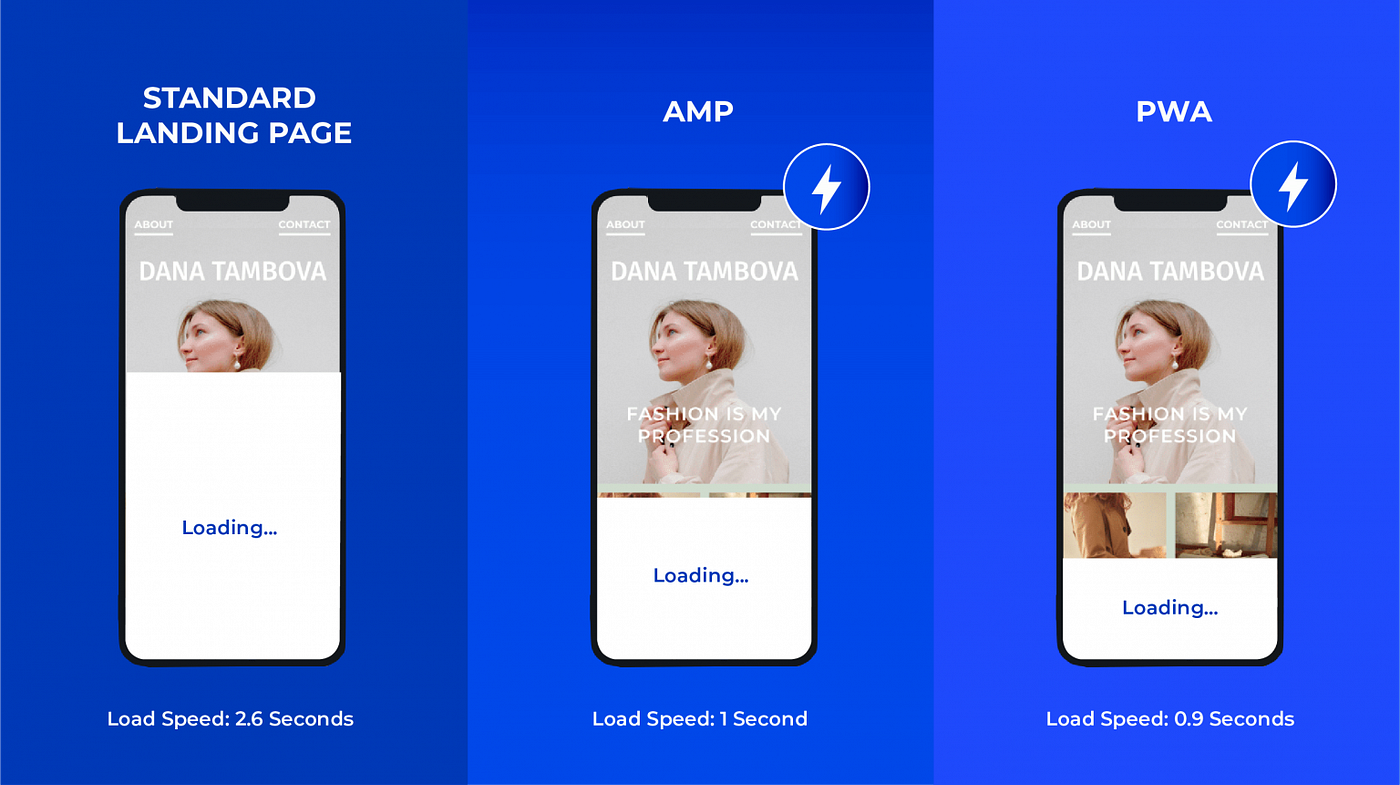
Accelerated Mobile Pages (AMP) is a project from Google. It aims to make web pages load faster on mobile devices. Slow loading times can frustrate users. AMP helps solve this problem. It creates web pages that load almost instantly.
AMP stands for Accelerated Mobile Pages. It is an open-source framework. It allows web developers to create fast-loading web pages. AMP pages use a simplified version of HTML. This makes them lightweight and quick to load.
AMP also restricts the use of certain types of code. This helps ensure that the pages load quickly. The goal is to improve the mobile browsing experience. Faster pages mean happier users and better engagement.
One major benefit of AMP is speed. AMP pages load much faster than regular web pages. Faster loading times can reduce bounce rates. Users are less likely to leave your site if it loads quickly.
Another benefit is improved search engine ranking. Google favors fast-loading pages. AMP can help your site rank higher in search results. Higher rankings can lead to more traffic and more conversions.
AMP also improves the user experience. Fast-loading pages are easier to navigate. Users can find the information they need without waiting. This can lead to higher user satisfaction and loyalty.
Lastly, AMP supports ads. But it ensures that ads do not slow down the page. This means you can still monetize your content while providing a fast user experience.
Credit: medium.com
Accelerated Mobile Pages (AMP) is essential for improving page speed on mobile devices. It ensures a better user experience by making pages load faster. AMP is an open-source framework that allows you to create web pages that load almost instantly. Implementing AMP can significantly enhance your website’s performance and user engagement.
Setting up AMP involves several steps. Follow this guide to get started:
To ensure your AMP pages are effective, follow these best practices:
amp-img tag for images. Ensure they are properly sized and compressed.amp-video and amp-carousel for media content.Implementing these best practices will help you create fast, efficient AMP pages. Your users will appreciate the improved experience, and your site will benefit from better performance.
Progressive Web Apps (PWAs) are web applications that feel like native apps. They combine the best of both web and mobile apps. Users can access them through a web browser and install them on their devices. PWAs offer a seamless and fast user experience.
A Progressive Web App is a type of application software. It is delivered through the web and built using common web technologies. These technologies include HTML, CSS, and JavaScript. PWAs are intended to work on any platform that uses a standards-compliant browser. This includes both desktop and mobile devices. They offer features like offline access, push notifications, and faster load times.
PWAs offer several advantages that make them a popular choice for developers and users alike. Here are some key benefits:
PWAs are transforming the way users interact with the web. They offer a smooth, app-like experience without the need for app store downloads.
Progressive Web Apps (PWAs) offer a seamless user experience. They combine the best of web and mobile applications. PWAs load quickly and can work offline. They provide an app-like experience on the web. Building a PWA involves several steps and key features.
PWAs need to be fast and reliable. They should work on any browser. Offline functionality is a must. Users should access the app even without internet. Push notifications keep users engaged. PWAs should be responsive and fit any screen size. Secure HTTPS connections are necessary for safe browsing.
First, ensure your site is mobile-friendly. Use responsive design techniques. Next, create an app manifest file. This file provides metadata about your app. It includes the app name, icons, and theme colors.
Then, add a service worker. This script runs in the background. It handles caching and offline functionality. Test your service worker thoroughly. Make sure it works as expected.
Finally, serve your app over HTTPS. This ensures data security. Use a trusted SSL certificate. Test your PWA on different browsers and devices. Make sure it performs well everywhere.
Optimizing page speed is crucial for a better user experience. Faster-loading pages help keep visitors engaged. They also improve search engine rankings. Slow pages can frustrate users, leading to higher bounce rates. Let’s explore techniques and tools to enhance your site’s performance.
Several techniques can improve page speed. Compress images to reduce file size. Minify CSS, JavaScript, and HTML files. This removes unnecessary characters. Use browser caching to store static files. This reduces server load and speeds up page delivery.
Content Delivery Networks (CDNs) distribute content globally. They help deliver content faster. Lazy loading delays loading of off-screen images. This improves the initial load time. Asynchronous loading of JavaScript files can also help. This allows the page to load without waiting for scripts to finish.
Performance testing is essential. It helps identify bottlenecks. Use tools like Google PageSpeed Insights. It provides suggestions to improve speed. GTmetrix analyzes your site and offers tips. Pingdom is another useful tool. It tests the speed from different locations. Lighthouse, an open-source tool, audits performance. It gives detailed reports on improvements.
Regular testing ensures your site remains fast. Monitor the impact of changes. Always aim for higher scores. This keeps your site performing optimally. Remember, a faster site means happier users and better rankings.

Credit: m.youtube.com
Understanding the impact of Page Speed, AMP, and PWAs on your website’s performance can be challenging. Case studies and success stories provide valuable insights. They help you see the real-world benefits of these technologies. Below, we dive into some inspiring examples.
Several companies have seen impressive results using Page Speed, AMP, and PWAs. For example, a popular news site implemented AMP. They reduced their load time by 80%. This change led to a 30% increase in user engagement. Another company, an e-commerce platform, adopted PWA. They noticed a 50% increase in conversions. Their page load time dropped to under two seconds.
A travel booking site improved its Page Speed. They used lazy loading and optimized images. This resulted in a 40% decrease in bounce rate. These examples show the tangible benefits of optimizing your site with these technologies.
From these case studies, several lessons emerge. Fast load times matter. Users expect quick access to content. Slow pages frustrate them. AMP and PWA can help. They improve user experience and boost engagement. Another lesson: optimization is ongoing. Regularly check your site’s performance. Make necessary adjustments.
Also, consider mobile users. Many people browse on mobile devices. Your site should be mobile-friendly. AMP and PWA support this need. They ensure a smooth, fast experience across devices. Finally, don’t overlook the basics. Optimizing images, minimizing scripts, and leveraging caching are still crucial.
Applying these lessons can help you improve your site’s performance. It can lead to better user satisfaction and higher engagement.
The future of web performance looks promising. Page speed, AMP, and PWAs are shaping this future. As technology advances, web performance becomes more critical. Fast-loading sites offer a better user experience. This leads to higher engagement. Businesses must focus on these areas. This ensures they stay competitive.
New trends in web performance are emerging. One trend is the rise of server-side rendering. This helps in loading pages faster. Another trend is the use of lightweight frameworks. They make websites quicker and more efficient. Machine learning is also becoming important. It helps in predicting user behavior. This can optimize page speed.
Staying updated on web performance is crucial. Follow industry blogs and attend webinars. Join online forums and communities. They offer the latest insights. Regularly check for new tools and techniques. Implement updates to keep your site fast. Your website’s performance will benefit from continuous learning.
Improving your website’s performance can greatly enhance user experience. Page Speed, AMP, and PWAs are essential tools for achieving this goal. Let’s summarize the key points and provide actionable tips to help you take the next steps.
Page Speed, AMP, and PWAs are crucial for modern websites. They help in improving load times, user engagement, and search engine rankings.
| Aspect | Benefits |
|---|---|
| Page Speed | Faster load times, better user experience |
| AMP | Accelerated mobile pages, improved mobile performance |
| PWAs | App-like experience, offline access |
Implementing these steps can significantly improve your site’s performance. Start with analyzing your speed and then move on to optimization.
Page speed refers to how quickly a web page loads. It is crucial for user experience and SEO. Faster pages rank higher.
AMP (Accelerated Mobile Pages) improves mobile page loading speed. It enhances user experience, reduces bounce rates, and boosts SEO.
PWAs (Progressive Web Apps) combine web and mobile app features. They offer offline access, push notifications, and a native app-like experience.
To improve page speed, optimize images, use browser caching, and minimize CSS and JavaScript. Faster pages rank better.
Improving page speed, AMP, and PWAs leads to better user experiences. Fast-loading pages keep visitors engaged. AMP helps mobile pages load instantly. PWAs offer app-like features on the web. These elements together enhance your site’s performance. They also boost search rankings.
Focus on optimizing these areas for a competitive edge. Stay ahead by keeping your website efficient and user-friendly. Your audience will appreciate the effort, leading to higher satisfaction and retention.

Ms.Sultana brings over 16 years of expertise working with global Clients by providing different skills and Services. For the last 5 years working as an Affiliate marketer, specializing in high-ticket campaigns that drive exponential growth. She holds a degree in Computer Science and Engineering as well as achieved many more skills certificates from different institute/academies/Platform. As part of the Elite Global Marketing team, Sultana has helped clients generate millions in revenue through strategic partnerships, innovative funnels, and data-driven insights.



















 Image source: Bing (Web (fairuse with source credit)) how to…

Still wondering how to train a virtual assistant? You’re not alone. Millions of people and businesses want help from AI but don’t know where to start. The good…

Struggling to get a new virtual assistant up to speed without wasting hours? Knowing how to onboard a virtual assistant properly can transform your business…