⚠️ Disclosure: This post contains affiliate links. We may earn a commission at no extra cost to you.
⚠️ Disclosure: This post contains affiliate links. We may earn a commission at no extra cost to you.


The shift to remote and hybrid work that accelerated in the early 2020s has fully stabilized into 2026, with 38% of U.S. workers now holding remote-capable roles per data from the U.S. Bureau of Labor Statistics. For anyone looking to build sustainable, flexible income without being tied to a physical office, mastering the right digital skills is non-negotiable. The 10 skills below were the highest-earning, most in-demand options for online workers in 2026, and they remain highly relevant as we move through 2026. Each entry includes real-world use cases, earning potential, and actionable steps to get started, so you can pick the path that aligns with your existing strengths and goals. For a quick overview of these in-demand skills, check out this video walkthrough: Top 10 Skills for Making Money Online in 2026.
 Remote workers leveraging in-demand digital skills to build flexible income streams in 2026.
Unlike short-lived “side hustle” trends, these skills have proven, long-term demand because they require human judgment, relationship-building, or specialized technical knowledge that AI tools cannot fully replicate. Most have low barriers to entry for beginners, scalable earning potential (you can move from hourly freelance work to high-ticket retainers or passive income streams as you gain experience), and are accessible from anywhere in the world with an internet connection.
Freelance writing remains one of the most accessible, flexible ways to earn online, even as AI writing tools become more advanced. Human writers are still required to produce nuanced, brand-aligned, fact-checked content that resonates with target audiences and meets SEO requirements. Entry-level generalist writers earn $15–$30 per hour, while specialized technical writers (for SaaS, healthcare, or legal niches) command $75+ per hour.
Content writing includes blog posts, case studies, white papers, eBooks, and marketing copy for brands. High-demand niches include B2B SaaS, sustainable living, personal finance, and health and wellness. A common mistake new writers make is underpricing their work on low-skill platforms, which devalues the industry; instead, focus on building a niche portfolio to justify premium rates. For example, a 1,500-word SaaS case study typically pays $200–$500 for experienced writers.
SEO writing goes beyond basic keyword placement: it requires understanding user search intent, optimizing for Google’s E-E-A-T (Experience, Expertise, Authoritativeness, Trustworthiness) signals, and structuring content to rank for featured snippets. Beginners can use free tools like Google Keyword Planner for research, while professional writers often use Ahrefs or SEMrush to identify high-value, low-competition keywords. Pairing SEO best practices with clear calls to action (CTAs) that drive client conversions lets writers charge 20–30% higher rates than generalist peers.
 Freelance writing spans general blog posts to high-paying specialized technical content for B2B brands.
The vast majority of small and medium-sized businesses now allocate at least part of their marketing budget to digital channels, creating consistent demand for skilled marketers. Entry-level digital marketers earn $20–$40 per hour, while specialists with proven track records of driving revenue earn $75+ per hour.
Social media management is far more than posting content: it includes community moderation, trend jacking, paid ad management, and analytics reporting to tie social efforts to revenue goals. The highest-demand platforms in 2026 are TikTok, Instagram, LinkedIn, and Threads, with small businesses paying $300–$1,500 per month for full management retainers. A common mistake new managers make is prioritizing follower count over engagement and conversion metrics, which does not deliver tangible value to clients.
Email marketing delivers an average return of $36 for every $1 spent, making it one of the most cost-effective digital marketing channels for small businesses, per the U.S. Small Business Administration. Email marketers build automated campaigns, segment audiences, run A/B tests, and design newsletters to drive sales and customer loyalty. Beginners can start with free tools like Mailchimp’s free tier, while professional marketers use advanced platforms like Klaviyo or ConvertKit to earn $30–$80 per hour, plus performance bonuses for driving sales.
 Effective digital marketing combines social media, email, and SEO to drive measurable revenue for brands.
Credit: www.hostinger.com
Effective digital marketing combines social media, email, and SEO to drive measurable revenue for brands.
Credit: www.hostinger.com
The U.S. Bureau of Labor Statistics projects 16% growth for web developer roles through 2034, far faster than the average for all occupations, as more small businesses prioritize professional, high-performing websites. Entry-level junior web developers earn $50,000–$80,000 annually as full-time remote workers, while freelance web developers charge $75–$150 per hour for custom site builds.
Front-end development focuses on the visual, user-facing elements of a website: layout, design, and interactivity. Core skills include HTML, CSS, and JavaScript, with popular frameworks like React, Vue, and Tailwind CSS used to speed up development. A common mistake new front-end developers make is prioritizing flashy design over user experience and page load speed, which hurts client SEO and conversion rates. Specializing in accessibility (building sites that work for users with disabilities) is a high-value niche that commands 25% higher rates in 2026.
Back-end development handles the server-side logic, databases, and APIs that power websites and web apps. Core languages include Python, Node.js, and PHP, with databases like PostgreSQL and MongoDB used to store user data. Full-stack developers, who master both front-end and back-end skills, command the highest rates, often $100+ per hour for freelance custom builds for SaaS startups and e-commerce brands.
AI design tools like MidJourney and Canva have increased the volume of content brands need, but human designers are still required to tailor assets to brand voice, ensure accessibility, and create cohesive visual systems that stand out from generic templates. Entry-level graphic designers earn $20–$40 per hour, while specialized brand identity designers charge $1,000–$5,000 per project for small business branding packages.
Brand identity design includes logo creation, color palette development, typography selection, and brand style guides that help businesses establish a consistent, recognizable presence. High-demand clients include new startups, consumer packaged goods brands, and local small businesses looking to rebrand. Avoid using generic template assets, as they do not differentiate clients from competitors.
UI (user interface) design focuses on the visual, interactive elements of websites and apps, while UX (user experience) design focuses on optimizing user flow to reduce friction. In 2026, designers who understand both disciplines command 30% higher rates than UI-only peers. Core tools include Figma for prototyping and Adobe Creative Suite for final asset creation. E-commerce brands pay top dollar for UI redesigns that reduce cart abandonment rates by even 5–10%.
| Specialization | Typical Project Scope | Average Rate (2025) |
|---|---|---|
| Logo & Brand Identity | 2–3 logo concepts, full color palette, typography guide, brand style guide | $1,000–$5,000 per project |
| Social Media Graphics | 10–15 custom post templates, story templates, ad creative | $300–$1,000 per month retainer |
| UI Design for Websites/Apps | 5–10 page/screen designs, interactive prototype, handoff to developers | $2,000–$10,000 per project |
| Packaging Design | Label, box, or product packaging design, print-ready files | $800–$3,000 per project |
Global e-commerce sales continue to grow year over year, creating consistent opportunities for online sellers. New e-commerce store owners earn $500–$2,000 per month in their first 6 months, while established private-label brands can generate $10,000+ per month. The two most popular entry points for beginners are dropshipping and product sourcing.
Dropshipping is a low-risk model for beginners, as you do not need to hold inventory or manage shipping. When a customer places an order, you forward it to a third-party supplier, who ships the product directly to the customer. Profit margins typically cap at 15–30%, but startup costs are as low as $100 for domain and Shopify subscription fees. To start: 1. Validate a micro-niche (e.g., eco-friendly pet toys for small dogs) using Google Trends to ensure consistent demand, 2. Find reliable suppliers on platforms like Spocket that offer 2–7 day shipping, 3. Build your store with Shopify or WooCommerce, 4. Drive traffic with organic TikTok content or low-cost Instagram ads.
Product sourcing involves buying products in bulk from manufacturers or wholesalers to sell at a markup, with profit margins of 40–60% for established sellers. Private labeling, where you brand generic products with your own logo and packaging, is the most popular model for scaling e-commerce brands. Before placing bulk orders, always order product samples to avoid quality issues that lead to negative customer reviews. Popular sales channels include Amazon, Etsy, and your own standalone Shopify store.
The global online tutoring market has grown exponentially since 2020, with consistent demand for both academic and skill-based instruction. Entry-level tutors earn $15–$25 per hour, while specialized tutors (e.g., test prep, coding, music) earn $50–$150 per hour.
Teaching languages online is one of the most flexible tutoring options, with learners concentrated in Southeast Asia, the Middle East, and Latin America. In-demand languages in 2026 include English, Spanish, Mandarin, and Arabic. Platforms like Preply connect language tutors with learners across 180+ countries, and our step-by-step guide to earning on Preply walks new tutors through setting up their profile, setting rates, and landing their first students. Offering discounted trial lessons is a low-risk way to build your client base and collect positive reviews.
High-demand academic coaching subjects include K-12 math and science, SAT/ACT test prep, and study skills. Skill-based tutoring covers coding, graphic design, Excel, and music lessons. Platforms like Tutor.com, Wyzant, and Outschool connect tutors with pre-vetted students. A common mistake new tutors make is underpricing their rates to compete with lower-quality providers; instead, highlight your credentials and student success stories to justify premium rates.
Affiliate marketing involves promoting products or services and earning a commission for every sale made through your unique referral link. It is not a get-rich-quick scheme: building a reliable affiliate income requires 3–6 months of consistent content creation and audience building. Beginner affiliate marketers earn $100–$1,000 per month, while established creators with 10k+ monthly visitors earn $5,000–$50,000+ per month.
The most profitable affiliate niches in 2026 are personal finance, SaaS tools, sustainable home goods, and online courses. You can build an audience via a blog, YouTube channel, TikTok account, or email newsletter. Focus on a niche you have personal experience with, so your recommendations feel authentic and build trust with your audience. Promoting low-quality products just for high commissions erodes trust and will hurt your long-term earning potential.
You can drive traffic to your affiliate content via SEO, organic social media, or paid ads. To boost conversions, use product comparison posts, in-depth reviews, and exclusive discount codes for your audience. Note that the FTC requires all affiliate relationships to be clearly disclosed to your audience to avoid legal penalties; this transparency also builds trust with your followers.
 Tracking click-through and conversion rates is critical to maximizing affiliate marketing income.
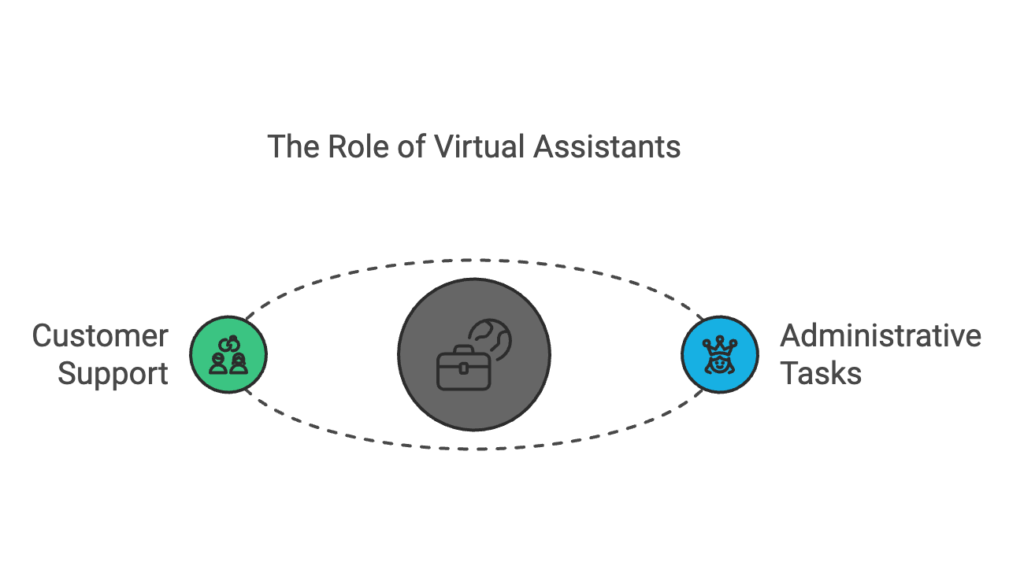
Demand for skilled virtual assistants (VAs) has grown 300% since 2020, as more entrepreneurs and small businesses outsource non-core tasks to save time. Our guide to top-rated virtual assistant training courses breaks down the best programs to build these high-income skills, even if you have no prior experience. Entry-level VAs earn $18–$30 per hour, while specialized VAs (e.g., real estate VAs, executive VAs, podcast VAs) earn $40–$75 per hour. If you’re evaluating training programs, our 2026 guide to the best virtual assistant courses can help you choose the right fit for your goals.
VAs handle a wide range of time-consuming administrative tasks for clients, including inbox management, calendar scheduling, data entry, document preparation, travel booking, and expense tracking. Learning project management tools like Asana or Trello increases your value to clients, as it lets you coordinate cross-team projects and track progress transparently.
Many VAs specialize in customer and community support, handling responsibilities like responding to customer inquiries via email, chat, or social media, resolving complaints, managing customer onboarding, and moderating brand communities on Discord or Facebook Groups. A common mistake new VAs make is taking on more clients than they can handle, leading to missed deadlines; use time-tracking tools to set realistic capacity limits to avoid burnout.
 Virtual assistants handle everything from inbox management to customer support for busy entrepreneurs and small businesses.
The global mobile app market is projected to generate $613 billion in revenue in 2026, creating massive opportunities for developers. Entry-level junior app developers earn $60,000–$90,000 annually as full-time remote workers, while freelance app developers charge $80–$200 per hour for custom builds.
iOS and Android are the two dominant mobile platforms. For iOS development, learn Swift or Objective-C; for Android, learn Kotlin or Java. Cross-platform tools like Flutter or React Native let you build apps for both platforms with a single codebase, reducing development time and cost for clients. Small businesses pay $5,000–$50,000 for custom mobile apps to improve customer loyalty, streamline internal operations, or sell directly to consumers.
Web apps run directly in web browsers, so they do not require users to download software, making them ideal for SaaS tools, project management platforms, and e-commerce sites. Core languages include HTML, CSS, and JavaScript, with popular frameworks like React, Angular, and Vue.js used to speed up development. SaaS startups pay top dollar for developers to build and maintain their core web app products, with long-term maintenance retainers offering stable, passive-adjacent income for experienced developers.
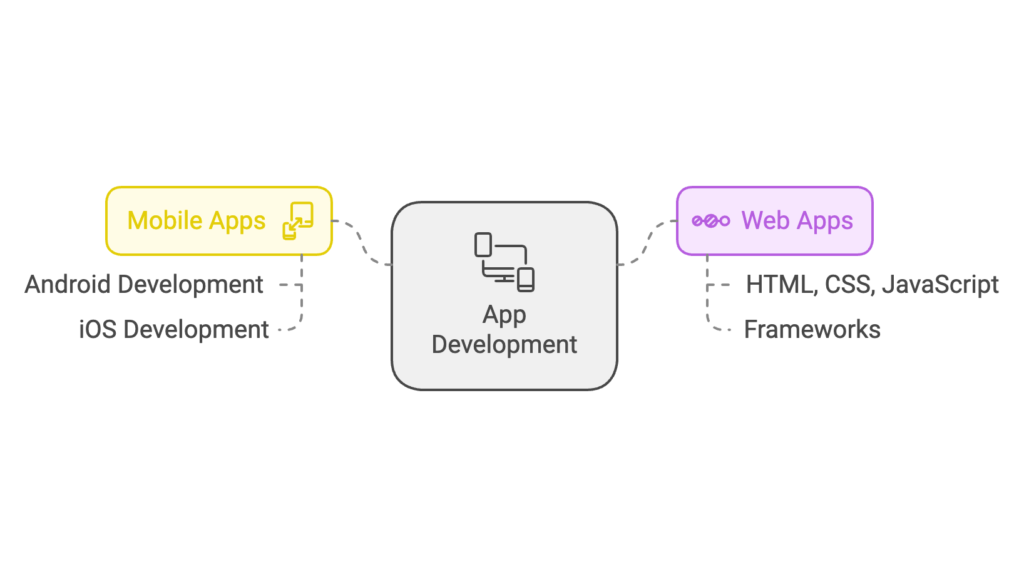 App developers build custom mobile and web tools for businesses and consumer audiences, with high earning potential for specialized skills.
 Testing and iteration are critical steps in app development to ensure user-friendly, functional products.
85% of internet users consume video content weekly, and podcast listenership has grown 20% year over year as of 2026, making this one of the most scalable, creative online income streams. Beginner video creators earn $100–$1,000 per month from ad revenue and brand deals, while top creators earn $10,000+ per month. Podcasters earn $200–$2,000 per episode from sponsorships once they hit 5,000 monthly listeners.
Podcasting has a very low barrier to entry: you only need a quality USB microphone (starting at $50), free recording software like Audacity, and a hosting platform like Buzzsprout (starting at $12 per month) to launch your first episode. Monetization paths include sponsorships, listener donations via Patreon, affiliate marketing, and selling digital products like courses or merchandise. A common mistake new podcasters make is an inconsistent publishing schedule, which causes audience drop-off; aim for 1 episode per week minimum to build traction.
Short-form video (TikTok, Reels, YouTube Shorts) is the highest-growth format in 2026, with creators earning $0.01–$0.10 per view from platform ad revenue, plus brand deals for niche audiences. Long-form video (YouTube, Vimeo) has higher ad rates, with creators earning $3–$10 per 1,000 views. Free tools like CapCut are sufficient for beginner editing, while professional creators use Adobe Premiere Pro for advanced projects. To maximize efficiency, repurpose long-form video into 3–5 short-form clips to grow your audience across multiple platforms with minimal extra work.
 Video content generates 3x more engagement than static posts on social media platforms, making it a high-demand skill for 2026.
The highest-earning, most in-demand skills for 2026 span creative, technical, and client-facing roles: freelance writing, digital marketing, web development, graphic design, e-commerce management, online tutoring, affiliate marketing, virtual assistance, app development, and video/podcast content creation. These skills are prioritized because they require human judgment, relationship-building, or specialized technical knowledge that AI tools cannot fully replicate as of 2026.
You can learn these skills via free and low-cost resources: free platforms like Khan Academy and YouTube offer introductory tutorials for technical skills like coding and design; paid course platforms like Coursera, Udemy, and Skillshare offer structured, project-based learning paths with certificates that can help you land freelance clients or full-time remote roles. For hands-on practice, build a portfolio of sample work (e.g., write 3 sample blog posts for a fake SaaS brand, build a simple website for a local business) to showcase your skills to potential clients or employers.
Coding is not required for all online income paths, but it opens access to some of the highest-paying roles, including web development, app development, and technical SEO. If you don’t want to learn full coding, you can still earn well with no-code tools: for example, use Shopify to build e-commerce stores without coding, or use Canva to create graphic design assets. That said, even basic HTML/CSS knowledge can help you stand out as a freelance writer, virtual assistant, or digital marketer.
Yes, many online income streams require little to no upfront investment. Freelancing platforms like Upwork and Fiverr let you create a profile and start bidding on projects for free. Blogging and affiliate marketing only require a $3–$10 per month web hosting fee to get started. Content creation on YouTube or TikTok is completely free, requiring only a smartphone to film initial content. The only upfront costs you may encounter are for tools like a quality microphone (for podcasting/video) or design software, but free alternatives are available for almost every use case.
Mastering any of the 10 skills above can help you build flexible, sustainable online income in 2026 and beyond, regardless of your prior experience. The best way to get started is to pick one skill that aligns with your existing interests or strengths, then dedicate 5–10 hours per week to learning and practicing it. Build a small portfolio of sample work, then pitch your services to clients on freelance platforms or reach out to small businesses in your network. Remember that building a reliable online income takes consistent effort: most new freelancers or creators take 3–6 months to land their first paying client or hit their first income goal, but the flexibility and earning potential make the effort well worth it. If you’re unsure where to start, explore our free guides to skill development courses to find structured learning paths for your chosen skill.

Ms.Sultana brings over 16 years of expertise working with global Clients by providing different skills and Services. For the last 5 years working as an Affiliate marketer, specializing in high-ticket campaigns that drive exponential growth. She holds a degree in Computer Science and Engineering as well as achieved many more skills certificates from different institute/academies/Platform. As part of the Elite Global Marketing team, Sultana has helped clients generate millions in revenue through strategic partnerships, innovative funnels, and data-driven insights.















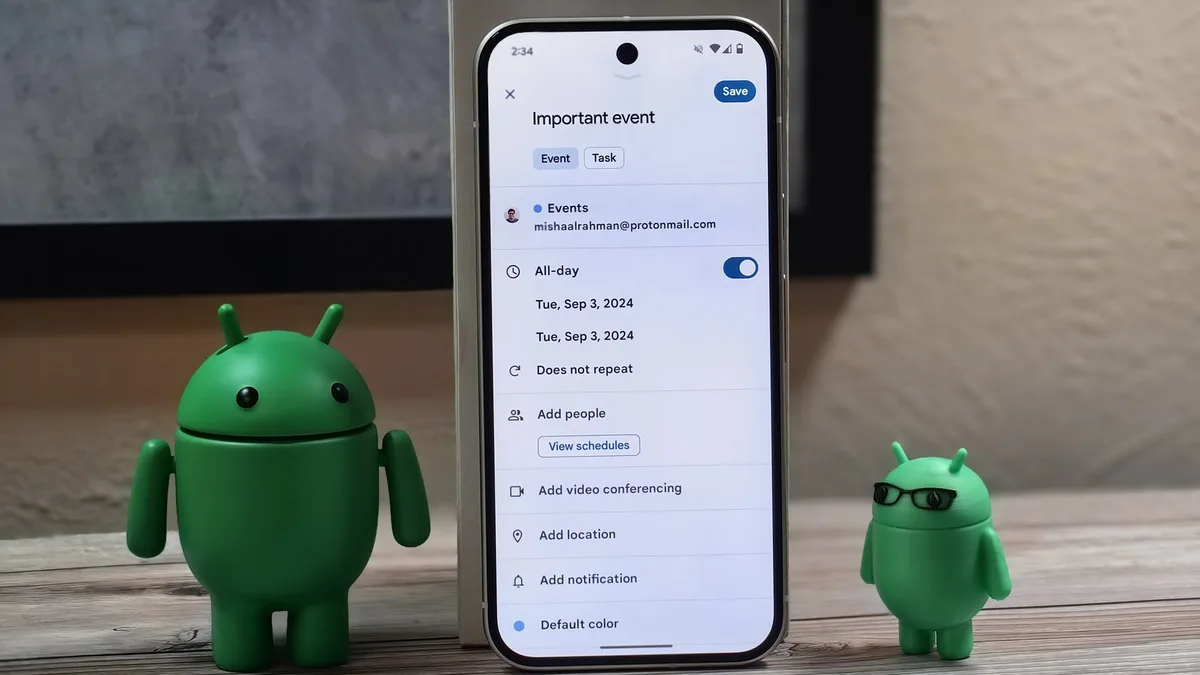
You’ve got meetings stacked on top of meetings, and a virtual assistant for Google Calendar sounds like the fix. The promise is simple: something keeps your…
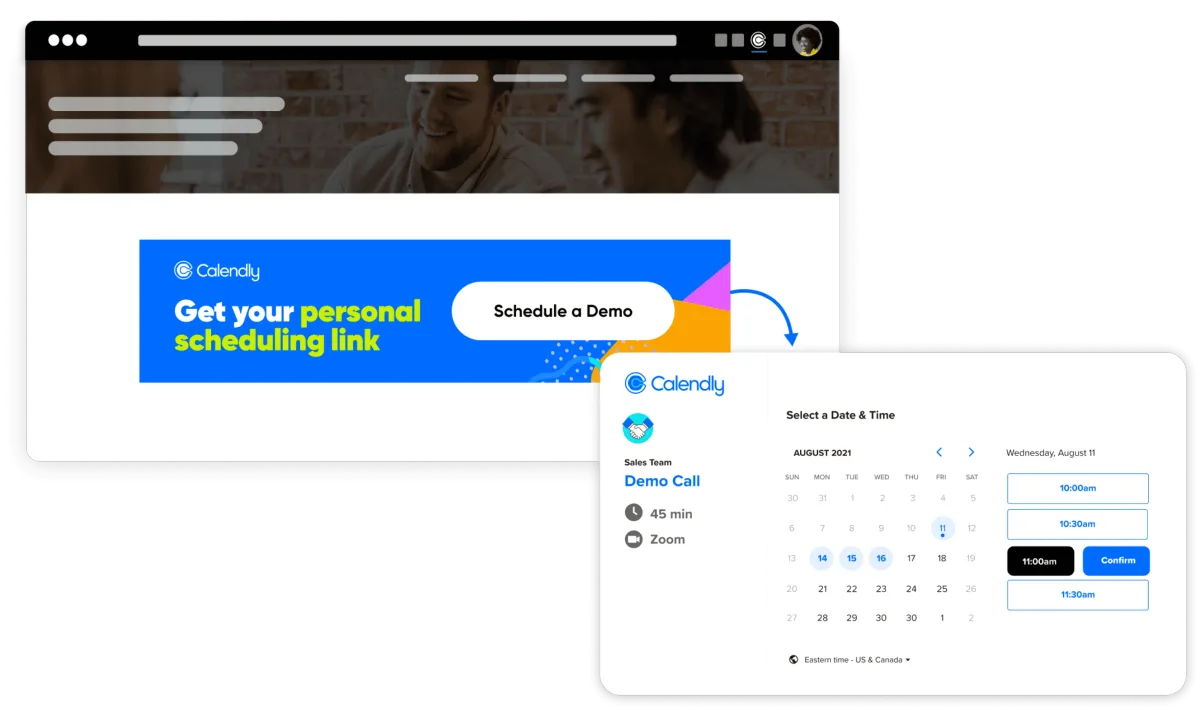
You’re staring at a Calendly page that’s filling with booking requests faster than you can reply. A virtual assistant for Calendly can take that load, but only…
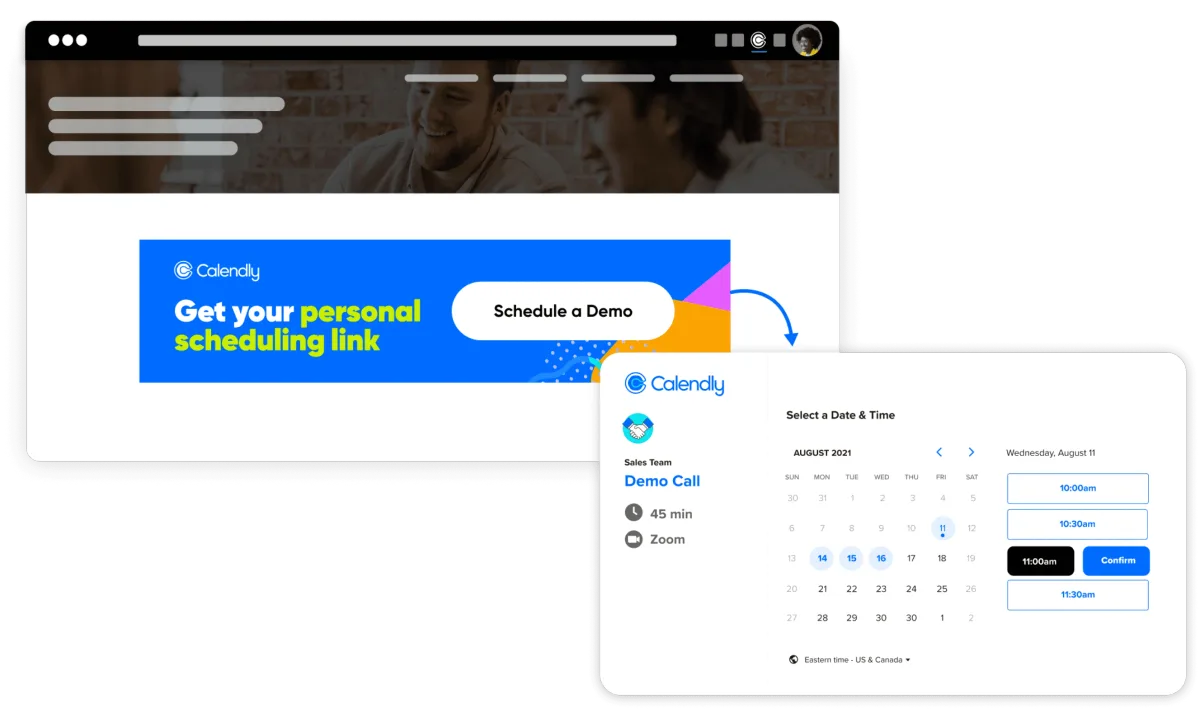
You’re drowning in meeting requests and your calendar looks like a war zone. Virtual assistant Calendly management is the fix that lets a trusted helper handle…