

Are you feeling overwhelmed by endless emails, phone calls, and paperwork in your real estate business? Imagine having someone who can handle those time-consuming tasks for you, so you can focus on closing deals and growing your network.
A virtual assistant for real estate could be the game-changer you need. You’ll discover how the right support can free up your time, boost your productivity, and help you stay ahead in a competitive market. Keep reading to find out how to make your work easier and your success faster.

Credit: www.myvirtudesk.com
Benefits Of Virtual Assistants In Real Estate
Virtual assistants bring many benefits to real estate professionals. They help reduce workload and improve efficiency. This allows agents to focus more on closing deals and serving clients.
With a virtual assistant, everyday tasks become easier and faster. They handle routine jobs that take up much of an agent’s time. This support can lead to better business growth and client satisfaction.
Saving Time On Administrative Tasks
Virtual assistants take care of scheduling, emails, and paperwork. These tasks often slow down agents during busy days. By managing these, assistants free up valuable time. Agents can then concentrate on property viewings and negotiations.
Improving Client Communication
Assistants respond quickly to client questions and messages. They ensure no inquiry goes unanswered. This builds trust and keeps clients informed. Clear communication helps agents maintain strong relationships.
Enhancing Lead Management
Virtual assistants organize and track potential buyers and sellers. They update contact lists and follow up on leads. Proper lead management increases chances of successful sales. Agents can focus on high-priority prospects without missing opportunities.
Key Tasks Virtual Assistants Handle
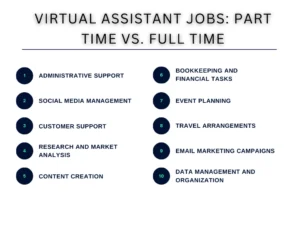
Virtual assistants handle many important tasks in real estate. They help agents save time and focus on clients. Their work keeps operations smooth and organized.
Below are some key tasks virtual assistants manage daily. These tasks support agents and improve productivity.
Scheduling And Calendar Management
Virtual assistants organize appointments and meetings. They update calendars with showings, client calls, and deadlines. This helps agents avoid double bookings and missed events. Timely reminders keep the day on track.
Data Entry And Crm Updates
They enter client details and property information into CRM systems. Keeping data accurate helps agents follow up quickly. Virtual assistants update records after calls and meetings. Clean data improves communication and sales tracking.
Property Research And Listings
Virtual assistants gather information about properties for sale. They check prices, features, and locations to create listings. Well-prepared listings attract more buyers. Research also helps agents advise clients better.
Choosing The Right Virtual Assistant
Choosing the right virtual assistant can save time and boost your real estate business. The right person fits your specific needs. This helps you focus on closing deals and growing your network. A good match improves daily workflow and client satisfaction.
Skills To Look For
Find a virtual assistant with strong organizational skills. They must manage calendars and emails efficiently. Knowledge of real estate software is a plus. Basic marketing and social media skills help promote listings. Attention to detail ensures accuracy in contracts and listings.
Evaluating Experience In Real Estate
Experience in real estate is crucial. It means understanding industry terms and processes. Check if they have handled property listings or client databases before. Past experience with transactions or customer service adds value. Ask for examples or references from previous real estate clients.
Assessing Communication Abilities
Good communication keeps your business running smoothly. Your assistant should write clearly and speak politely. They need to follow instructions and ask questions when unsure. Quick responses to clients improve professionalism. Make sure they can use email, phone, and chat tools effectively.

Credit: www.delegated.com
Integrating Virtual Assistants Into Your Workflow
Adding a virtual assistant to your real estate team changes how work gets done. It helps with daily tasks, saves time, and keeps things organized. To get the best results, the virtual assistant must fit well into your existing workflow. This means clear training, communication, and the right tools.
Training And Onboarding
Start with a simple training plan. Show your virtual assistant how your business works. Share examples of tasks and explain your processes step-by-step. Use videos, documents, or live calls to teach. Repeat key points to make sure they understand. Good onboarding helps the assistant work faster and avoid mistakes.
Setting Clear Expectations
Define the assistant’s tasks and goals clearly. Tell them what to do, how, and by when. Set rules for communication and updates. Clear expectations prevent confusion and keep work on track. Check progress regularly and give feedback. This builds trust and improves results over time.
Using Collaboration Tools
Use tools that help you work together easily. Shared calendars, task managers, and chat apps keep communication open. Tools like Trello, Slack, or Google Workspace work well. They help assign tasks, track progress, and share files. The right tools keep your team connected, even if working remotely.
Measuring Impact On Productivity And Sales
Measuring the impact of a virtual assistant on real estate productivity and sales is essential. It shows how much value the assistant adds to daily operations. Tracking key metrics helps agents understand improvements and areas needing focus.
By focusing on time saved, lead conversion, and client feedback, agents can make informed decisions. These measures reveal clear results of virtual assistant support.
Tracking Time Saved
Time is a precious resource in real estate. Virtual assistants handle routine tasks like scheduling and data entry. Tracking the hours saved on these tasks shows real efficiency gains. Agents can spend more time with clients or closing deals. This metric highlights how virtual assistants reduce workload and increase available time.
Monitoring Lead Conversion Rates
Lead conversion rates show the percentage of leads turning into clients. Virtual assistants help follow up quickly and nurture leads. Comparing conversion rates before and after hiring a virtual assistant reveals their impact. Higher conversion rates mean better use of leads and stronger sales performance. It is a key indicator of success.
Analyzing Client Feedback
Client feedback reflects satisfaction and service quality. Virtual assistants improve communication and response times. Collecting and analyzing client comments helps assess these improvements. Positive feedback shows the assistant’s role in creating better client experiences. Listening to clients guides ongoing service enhancements.
Common Challenges And Solutions
Working with a virtual assistant in real estate brings many benefits. Still, some challenges can slow down progress. Understanding these common problems helps you find easy solutions. This keeps your work smooth and efficient.
Maintaining Data Security
Real estate involves sensitive client information. Protecting this data is crucial. Use secure software with encryption for all files. Limit access to only trusted assistants. Regularly update passwords and use two-factor authentication. Train your assistant on privacy rules and data handling. This reduces the risk of data breaches or leaks.
Ensuring Consistent Communication
Clear communication avoids mistakes and delays. Set fixed times for daily check-ins or updates. Use simple tools like emails, chat apps, or video calls. Create a shared calendar to track appointments and deadlines. Write clear instructions for tasks. This helps the assistant understand your expectations and stay aligned with your goals.
Handling Task Overlaps
Task overlaps can cause confusion and wasted time. Assign specific duties to your assistant based on skill and priority. Use project management tools to list tasks clearly. Check progress regularly to avoid duplicated work. Encourage your assistant to ask questions when unsure. This keeps work organized and efficient.
Future Trends In Real Estate Virtual Assistance
The role of virtual assistants in real estate is evolving fast. New technologies change how these assistants support agents and clients. This shift opens doors to better efficiency and smarter work processes. Real estate professionals must know the coming trends to stay ahead.
Ai-powered Virtual Assistants
AI-powered virtual assistants can handle complex tasks. They understand client questions and provide quick answers. These assistants can analyze data to suggest the best properties. They learn from past interactions to improve over time. This technology helps agents focus on personal client care.
Automation Of Routine Processes
Automation saves time by completing simple tasks automatically. Scheduling appointments, sending reminders, and managing emails become easier. Virtual assistants reduce human errors in these tasks. This frees agents to work on deals and client relationships. Automation increases productivity and lowers stress.
Expanding Roles And Responsibilities
Virtual assistants take on more duties beyond basic support. They help with marketing, lead generation, and data entry. Some even assist with contract preparation and follow-ups. Their growing skills make them key team members. This change allows agents to handle more clients efficiently.

Credit: www.vgrow.co
Frequently Asked Questions
What Tasks Can A Virtual Assistant Handle In Real Estate?
A virtual assistant can manage scheduling, client communication, lead generation, and data entry. They also handle marketing, listing coordination, and transaction follow-ups, saving real estate professionals time and improving efficiency.
How Does A Virtual Assistant Improve Real Estate Business?
They streamline daily operations, allowing agents to focus on sales and client relationships. VAs increase productivity by handling repetitive tasks, improving response times, and maintaining organized records, leading to higher client satisfaction and more closed deals.
Are Virtual Assistants Cost-effective For Real Estate Agents?
Yes, virtual assistants reduce overhead costs by eliminating office space and equipment expenses. They offer flexible hours and specialized skills, providing affordable support tailored to agents’ needs without the cost of full-time employees.
How To Choose The Right Virtual Assistant For Real Estate?
Look for experience in real estate, strong communication skills, and tech proficiency. Check references and ensure they understand your workflow. A good VA should be reliable, proactive, and able to handle multiple tasks efficiently.
Conclusion
A virtual assistant can save time and reduce stress in real estate work. They help with tasks like managing schedules, answering calls, and organizing documents. This support lets agents focus on clients and sales. Hiring a virtual assistant can improve productivity and service quality.
It also helps keep business running smoothly. Choosing the right assistant fits your needs and budget. Small steps like these make a big difference over time. Consider this smart move for your real estate business today.

Ms.Sultana brings over 16 years of expertise working with global Clients by providing different skills and Services. For the last 5 years working as an Affiliate marketer, specializing in high-ticket campaigns that drive exponential growth. She holds a degree in Computer Science and Engineering as well as achieved many more skills certificates from different institute/academies/Platform. As part of the Elite Global Marketing team, Sultana has helped clients generate millions in revenue through strategic partnerships, innovative funnels, and data-driven insights.