

Have you ever wondered how busy doctors manage their overflowing schedules without missing a beat? The secret often lies in a virtual medical assistant.
If you’re curious about what a virtual medical assistant does and how they can make healthcare smoother for both patients and providers, you’re in the right place. This role might just change the way you think about medical support—saving time, reducing stress, and improving care.
Keep reading to discover how these professionals work behind the scenes to keep everything running perfectly.
Role Of A Virtual Medical Assistant
A virtual medical assistant supports healthcare providers from a remote location. They handle many office tasks that help clinics run smoothly. Their work saves time for doctors and nurses.
These assistants use computers and phone systems to connect with patients and staff. They keep medical records updated and manage appointment schedules. Their role is vital to patient care and office efficiency.
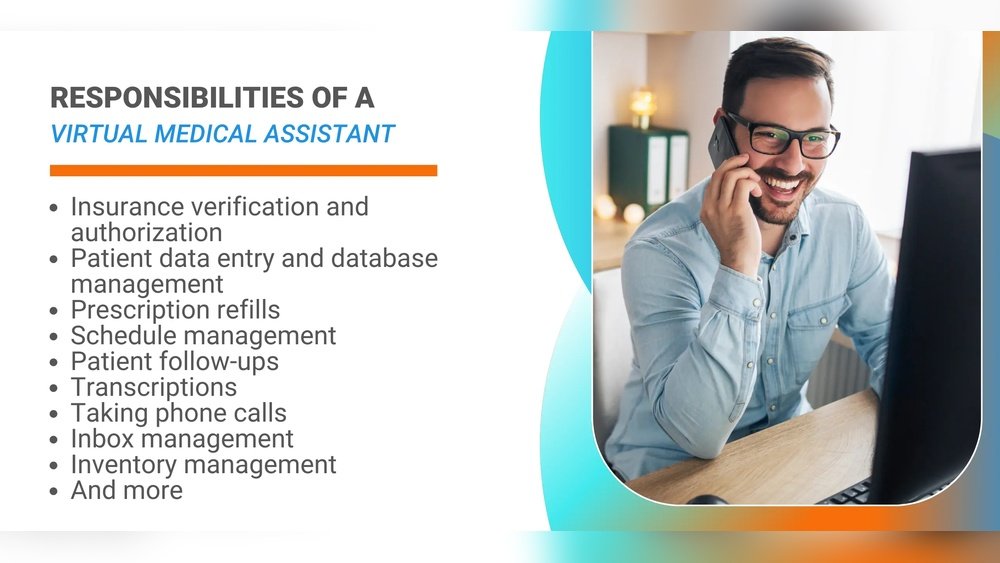
Daily Responsibilities
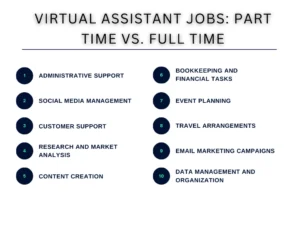
Virtual medical assistants answer patient calls and respond to emails. They schedule and confirm appointments quickly and accurately. Managing patient records and entering data is part of their routine.
They prepare medical documents and help with billing tasks. Virtual assistants also remind patients of upcoming visits. They coordinate with healthcare teams to ensure smooth communication.
Key Skills Required
Strong communication skills help virtual assistants talk clearly with patients and staff. Attention to detail is important for managing records and schedules. Basic medical knowledge aids in understanding healthcare terms.
Good computer skills are necessary for using medical software and tools. Time management helps them handle many tasks without delays. Being organized keeps the work efficient and error-free.

Credit: www.myvirtudesk.com
Patient Communication
Patient communication is a key role of a virtual medical assistant. They help keep patients informed and supported. Clear communication improves patient experience and care quality. Virtual assistants use technology to stay connected with patients. They handle many tasks that involve direct contact with patients.
Appointment Scheduling
Virtual medical assistants manage appointment bookings for patients. They check doctor availability and offer suitable times. This reduces waiting and confusion for patients. They also send reminders to reduce missed appointments. Scheduling is done through phone, email, or online systems.
Responding To Patient Queries
Patients often have questions about their health or treatments. Virtual assistants provide quick, clear answers to these queries. They help patients understand instructions or policies. This reduces patient anxiety and saves time for doctors. Assistants use phone calls, emails, or chat tools to respond.
Managing Follow-ups
Follow-up care is vital after appointments or treatments. Virtual assistants contact patients to check on their progress. They remind patients about tests or medication schedules. This ensures patients stick to their care plans. Timely follow-ups help catch problems early and improve outcomes.
Medical Records Management
Medical records management is a key task for a virtual medical assistant. It involves organizing and handling patient information carefully. Accurate records help doctors provide better care. Keeping these records up-to-date is very important in healthcare settings.
Electronic Health Records (ehr) Handling
Virtual medical assistants work with electronic health records daily. They enter data into EHR systems, update patient histories, and track treatments. This digital system makes it easier to access patient information quickly. It also helps reduce errors compared to paper files.
Data Entry And Accuracy
Data entry must be precise and error-free. Virtual medical assistants check information carefully before saving it. They ensure all details like dates, medications, and test results are correct. Accurate data supports better decisions by healthcare providers.
Maintaining Patient Confidentiality
Protecting patient privacy is critical in medical records management. Virtual medical assistants follow strict rules to keep data secure. They use passwords and encryption to prevent unauthorized access. Trust and confidentiality build strong patient relationships.
Billing And Insurance Support
Billing and insurance support is a key task handled by a virtual medical assistant. They help keep the financial side of healthcare running smoothly. This support reduces errors and speeds up payments. It also helps patients understand their bills and insurance coverage better.
Processing Claims
Virtual medical assistants prepare and submit insurance claims. They check all patient information for accuracy. Claims must follow specific rules to avoid denial. The assistant tracks claims and works on any issues. Quick processing means faster payments for the medical office.
Insurance Verification
Before appointments, assistants verify patient insurance details. They confirm coverage and benefits with insurance companies. This step prevents surprises for patients and providers. It also helps schedule the right services under the correct plan. Verification ensures the office gets paid properly.
Managing Payments
Virtual assistants handle patient payments and billing questions. They send bills and record payments accurately. They may set up payment plans for patients in need. Clear communication about costs helps reduce confusion. Managing payments well keeps the office financially healthy.
Supporting Healthcare Providers
Virtual medical assistants play a key role in supporting healthcare providers. They help reduce the workload by managing essential tasks behind the scenes. This support allows doctors and nurses to focus more on patient care.
Preparing Documentation
Virtual medical assistants handle patient records and reports. They organize medical histories, test results, and treatment plans. Keeping documents accurate and up to date is vital for smooth healthcare delivery. These assistants also prepare referral letters and insurance forms quickly.
Coordinating With Medical Staff
Communication is crucial in healthcare. Virtual medical assistants connect with nurses, specialists, and lab technicians. They schedule appointments, confirm patient visits, and share important updates. Clear coordination helps avoid errors and keeps the medical team informed.
Handling Administrative Tasks
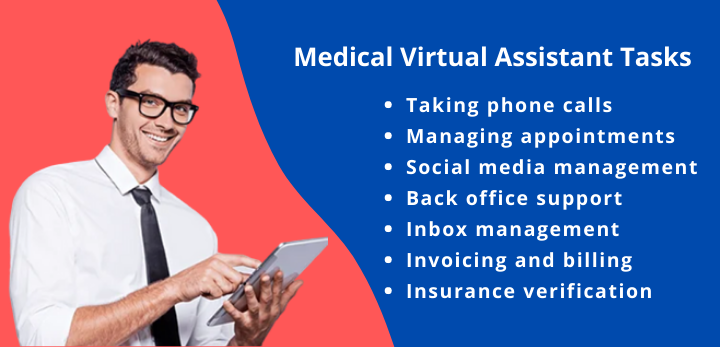
Virtual medical assistants manage daily office duties. They answer calls, manage emails, and handle patient inquiries. Billing, coding, and insurance claims also fall under their responsibility. These tasks keep the clinic running smoothly and efficiently.

Credit: hellorache.com
Tools And Technology Used
Virtual medical assistants use many tools and technology to help healthcare providers. These tools make work easier and faster. They allow assistants to manage tasks from any location. Technology also helps keep patient information safe and organized.
Common Software Platforms
Virtual medical assistants often use electronic health record (EHR) systems. These platforms store patient data and medical history. Scheduling software helps manage appointments and reminders. Billing software tracks payments and insurance claims. Communication tools like email and chat keep teams connected.
Telehealth Integration
Telehealth platforms let virtual assistants support online doctor visits. They help set up video calls and manage patient information. These tools allow doctors and patients to connect easily. Virtual assistants also help with follow-up care through telehealth systems.
Security Measures
Security is a top priority for virtual medical assistants. They use encryption to protect patient data. Secure login systems prevent unauthorized access. Regular software updates keep systems safe from threats. Confidentiality rules guide how information is handled.
Benefits Of Hiring A Virtual Medical Assistant
Hiring a virtual medical assistant offers many benefits for medical offices and healthcare providers. These assistants handle important tasks remotely. This support helps clinics run smoothly and focus on patient care.
Virtual medical assistants reduce workload and improve office efficiency. They manage schedules, patient records, billing, and communication. This allows doctors and nurses to concentrate on treating patients.
Cost Efficiency
Virtual medical assistants save money on office space and equipment. There is no need to provide a physical workspace or supplies. This lowers overall expenses for the medical practice.
Employing virtual assistants reduces staff costs. You pay for the time and tasks you need. This flexible payment structure helps control budgets and avoid extra costs.
Improved Patient Care
With virtual assistants handling administrative work, staff can focus more on patients. This leads to faster responses and better attention to patient needs. Scheduling appointments and managing follow-ups become easier.
Virtual assistants help ensure patient information is accurate and up to date. This reduces errors and improves communication between healthcare providers and patients.
Flexibility And Accessibility
Virtual medical assistants work remotely, offering support beyond regular office hours. This flexibility helps handle urgent tasks and patient inquiries quickly. It improves overall service quality.
Healthcare providers can access virtual assistants from anywhere. This is useful for busy clinics or providers who travel. Remote assistance keeps the office connected and organized.
Credit: invedus.com
Frequently Asked Questions
What Tasks Does A Virtual Medical Assistant Handle?
A virtual medical assistant manages scheduling, patient communication, and medical records. They support doctors remotely, ensuring smooth office operations and efficient patient care.
How Does A Virtual Medical Assistant Improve Healthcare?
They reduce administrative workload, allowing doctors to focus on patients. Their timely support enhances appointment management and patient follow-up processes, improving overall healthcare quality.
What Skills Are Required For A Virtual Medical Assistant?
Key skills include medical knowledge, communication, and tech proficiency. They must handle software, maintain confidentiality, and provide accurate patient support efficiently.
Can Virtual Medical Assistants Handle Billing And Coding?
Yes, many virtual medical assistants manage billing, coding, and insurance claims. This helps streamline financial processes and reduces errors in healthcare facilities.
Conclusion
Virtual medical assistants help doctors and patients stay organized. They handle tasks like scheduling, record keeping, and patient communication. This support allows doctors to focus more on care. Patients get faster responses and better service. Using virtual medical assistants saves time and reduces mistakes.
They play an important role in modern healthcare. Understanding their duties helps you see their value. Many medical offices rely on them every day. They make healthcare simpler and more efficient.

Ms.Sultana brings over 16 years of expertise working with global Clients by providing different skills and Services. For the last 5 years working as an Affiliate marketer, specializing in high-ticket campaigns that drive exponential growth. She holds a degree in Computer Science and Engineering as well as achieved many more skills certificates from different institute/academies/Platform. As part of the Elite Global Marketing team, Sultana has helped clients generate millions in revenue through strategic partnerships, innovative funnels, and data-driven insights.