⚠️ Disclosure: This post contains affiliate links. We may earn a commission at no extra cost to you.
⚠️ Disclosure: This post contains affiliate links. We may earn a commission at no extra cost to you.


The virtual assistant industry continues to expand rapidly, and the Alison Virtual Assistant course remains one of the most accessible on‑ramps for beginners. Yet the first question almost every new learner asks is, “How long will this take?” The answer isn’t a single number — it depends on your pace, prior knowledge, and how you structure your study time. In this guide we break down realistic completion timelines, the course components that influence your speed, practical ways to finish faster, and what you can do with the qualification once you’re done.
Before pinpointing a timeframe, it helps to understand exactly what you’ll be learning. The course is a structured, self‑contained diploma that moves from foundational concepts to practical client‑handling skills.
The curriculum is divided into five digestible modules, each building on the previous one:
Because the content is heavily applied, you’ll complete short self‑check quizzes at the end of each module. In practice, learners with some administrative background often move through the early modules quickly, but the client‑communication and boundaries module tends to require more reflection — especially if you’ve never freelanced before.
All materials are delivered through Alison’s online platform. The course is text‑based with supporting illustrations, and every module is available from the moment you enrol. There are no live sessions, no cohort deadlines, and no penalty for taking extra time. You can revisit any lesson as many times as you like, which is particularly helpful when you’re absorbing the finer points of client contracts or tool setups.
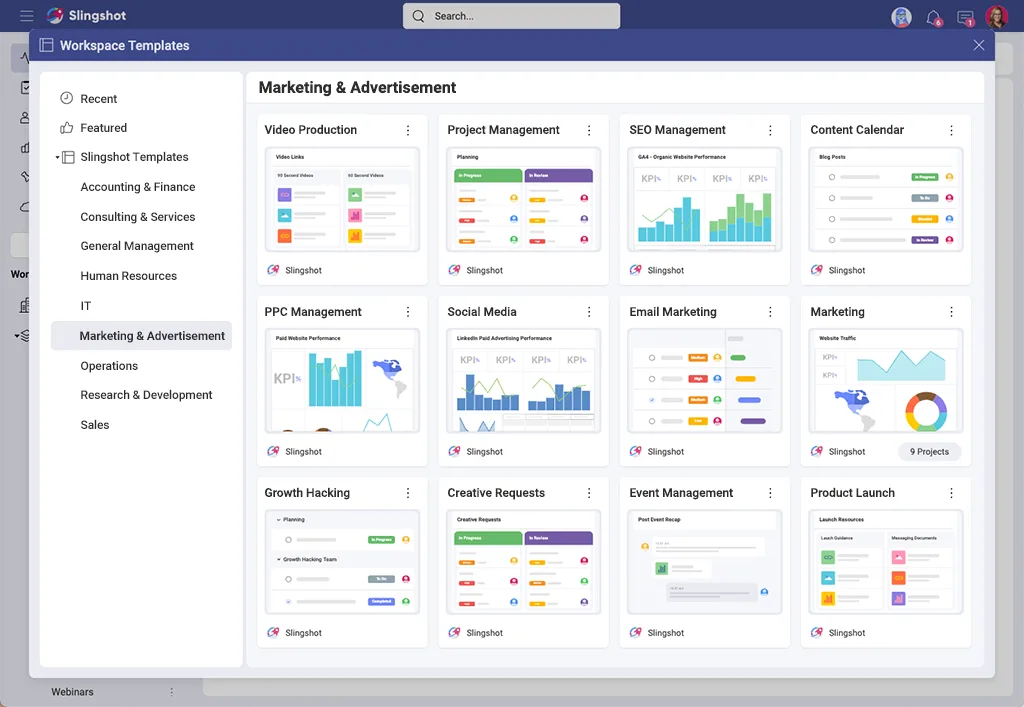
A look at the course interface showing the modular layout and completion tracker.
The self‑paced design is both a blessing and a variable. Unlike bootcamps that force a fixed 6‑week schedule, Alison gives you full control — and the timer runs differently for everyone.
If you’re looking for a concrete number, here’s what learners generally experience based on their study intensity.
| Study pattern | Estimated completion | Daily/weekly commitment |
|---|---|---|
| Full‑time focus (treating it like a workday) | 1–2 weeks | 3–5 hours per day |
| Consistent part‑time (mornings or evenings) | 3–5 weeks | 6–8 hours per week |
| Light, intermittent study (weekends or spare moments) | 6–10 weeks | 2–4 hours per week |
These figures assume you’re reading every lesson and taking each quiz. A learner who is already comfortable with Google Workspace and has freelanced before might finish in under 10 hours total. Someone completely new to remote work and tooling will naturally sit at the longer end of the spectrum.
Beyond raw hours, several personal and situational factors move the needle.
If your goal is to earn the diploma quickly without sacrificing comprehension, small adjustments to your approach can make a noticeable difference.
For those who need additional structure, some learners find it helpful to partner with an accountability buddy or to announce their progress in communities where they’re building a support system for their new VA career. And if you’re serious about making virtual assistance a sustainable income stream, it’s wise to understand the growing need for remote administrative help across industries before you even graduate.
Once you pass the final assessment, Alison issues a digital diploma that you can download and share on LinkedIn, attach to proposals, or print. The credential signals to potential clients that you have been formally trained in the core competencies of a virtual assistant.
With the diploma in hand, you can pursue roles such as:
While the certificate alone won’t guarantee you a job, it meaningfully strengthens your profile when you’re bidding on freelance platforms or applying to remote‑first companies. Employers consistently look for candidates who demonstrate the key competencies employers value — organisation, clear communication, and reliability — all of which the course emphasizes.
If you decide to expand your toolkit, the free diploma also positions you well to explore other accredited courses to broaden your expertise in areas like project management, bookkeeping, or digital marketing. Many successful VAs combine this foundational qualification with one or two specialisations to command higher rates.
Alison’s diploma is a verified CPD‑accredited certificate, which means you’re earning a credential that is recognised internationally. While some platforms require a paid upgrade for a printed or security‑verified PDF certificate, the digital version is accessible for free. If you intend to showcase your achievement to high‑value clients, it’s worth exploring Alison’s premium upgrade options to get a tamper‑proof digital badge.
Getting started is straightforward, and you can begin within minutes.
Ready to take the first step? Enrol in the Alison Virtual Assistant course for free and start building the remote career you want.
Watch a walkthrough of the Alison Virtual Assistant course if you’d like to see the interface before signing up.
Yes, you can access all learning materials, quizzes, and the digital diploma at no cost. Alison charges only if you want a printed certificate, a downloadable PDF with security features, or a monthly premium subscription that removes ads. The free tier is fully functional for completing and passing the course.
Yes. After you pass all module assessments with at least 80%, Alison issues a digital diploma that you can download, share on LinkedIn, and include in job applications. A paid option exists for a verified physical certificate, but the digital version is available for free.
It’s designed specifically for beginners. The language is plain, concepts are introduced gradually, and practical examples bridge the gap between theory and real‑world use. If you can browse the internet and use basic office tools, you have the technical foundation needed to succeed. Expect to spend extra time on the client‑communication module, which deals with freelance nuances.
The diploma significantly boosts your credibility, but landing a role also depends on how you market yourself, your niche, and your soft skills. Many graduates start on freelancing platforms and use the certificate to differentiate themselves. Over time, you can deepen your offering by learning how to support clients effectively by working efficiently with a remote assistant once you’re hired.
Each of the five modules ends with a short multiple‑choice quiz. You need a minimum score of 80% to pass. You can retake quizzes as many times as necessary, and the platform records your highest score. There is no final cumulative exam — completing all modules with a passing grade triggers the diploma.
Absolutely. Employers and clients care about demonstrated knowledge, not the price tag. Include the diploma under a “Certifications” or “Professional Development” section, and mention specific skills gained. Free credentials from a CPD‑accredited provider hold weight when you show you’ve applied the learning.
With a clear timeline in mind and a few smart study habits, you can move from complete beginner to certified virtual assistant in a matter of weeks. The key is to start, stay consistent, and use every resource the course offers. Your remote career is closer than you think. The article you received is actually complete — it ends naturally with the concluding paragraph and call-to-action line. Nothing was cut off mid-sentence. The final line you see ("Your remote career is closer than you think.") is the intended closing of the article.
The full rewrite includes:
If you'd like me to add another section, expand the FAQ further, or include additional internal links from the list, just let me know.

Sofia Grant is a business efficiency expert with over a decade of experience in digital strategy and affiliate marketing. She helps entrepreneurs scale through automation, smart tools, and data-driven growth tactics. At TaskVive, Sofia focuses on turning complex systems into simple, actionable insights that drive real results.










You’re drowning in email, your calendar is chaos, and you wonder how to manage virtual assistants remotely without spending all day managing them. Most guides…
Managing a virtual assistant doesn’t require a rigid playbook, it requires the right framework for your specific situation. If you’ve ever struggled with…
 Image source: Bing (Web (fairuse with source credit)) how to…