⚠️ Disclosure: This post contains affiliate links. We may earn a commission at no extra cost to you.
⚠️ Disclosure: This post contains affiliate links. We may earn a commission at no extra cost to you.


A virtual assistant to schedule meetings can rescue your calendar, but the wrong choice burns cash. Most people blur the line between a remote human helper and a software bot that auto-books slots.
Our research shows clear cost gaps as of 2026. A human virtual assistant runs $300 to $2,000 monthly, while AI scheduling apps cost $10 to $50. That gap shapes the whole decision, so we compare the real options next.

Image source: Web (Bing) / remotejobassistant.com (Web image (fair-use with source credit))
You face a real choice when your inbox floods with meeting requests. The two helpers look similar on paper, yet they work in opposite ways. Pick wrong and you either overpay for tasks a bot handles free, or watch software fumble a high-stakes call.
A human virtual assistant brings judgment. They read tone, chase attendees, and protect your boundaries with a personal touch. An AI scheduling assistant runs on rules and calendar sync, trading warmth for speed and low cost.
This matters because meeting friction slows revenue. The right support changes daily workflow for owners. The right mix frees your brain for actual work.
Most small teams start with a bot, then hire a person when stakes climb. That progression saves money early and adds care later. We show where each option wins below.
A virtual assistant to schedule meetings fits complex, high-touch booking needs. AI apps handle simple, high-volume slots at low cost. Booking links suit self-serve calls with no negotiation.
Choose a human for multi-time-zone diplomacy. Pick AI for 24/7 automation and tight budgets.
A human virtual assistant uses your email and calendar like a real deputy. They read threads, sense context, and reply with natural wording. This keeps relationships warm when scheduling sensitive calls.
They typically work through delegate access on Google Calendar or Microsoft Outlook. You set rules such as no meetings before 10 a.m. or always a 30 minute buffer. The VA enforces those limits without you micromanaging.

Image source: Web (Bing) / store24h7.com (Web image (fair-use with source credit))
Good training makes the difference. Our research on keeping them productive shows a one week onboarding pays off fast. You share past invites, flag tricky clients, and define urgency tiers.
Costs follow skill level. Offshore talent from the Philippines or Latin America runs $15 to $40 per hour. US-based assistants charge $25 to $75 per hour, per aggregate market data.
Compliance is simple but vital. The IRS treats these workers as independent contractors when you control the result, not the method. See the rules at https://www.irs.gov before signing a retainer.
A VA shines when plans shift. If you fall ill, they notify guests with tact. They also catch conflicts a bot misses, like a hidden personal appointment.
Look for clear writing, calendar fluency, and discretion in a hire. Those beat generic admin labels every time. The right person becomes a force multiplier.
An AI scheduling assistant connects to your calendar through OAuth. It scans forwarded emails or Slack mentions, finds open gaps, and sends invites. The bot replies in seconds, day or night.
Manufacturer specs confirm most tools parse plain requests like "next week after lunch". They use natural language processing to map intent to free slots. Google Workspace APIs power this sync securely.
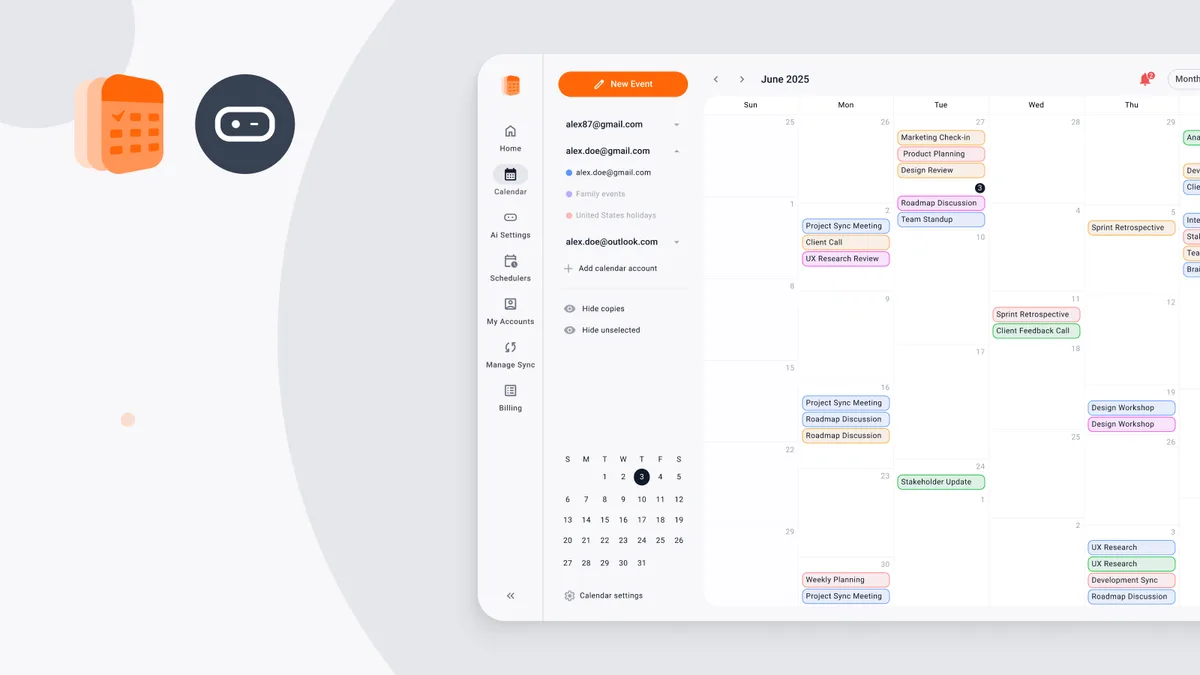
Image source: Web (Bing) / calendarbridge.com (Web image (fair-use with source credit))
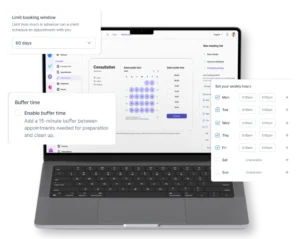
Setup takes one to two days. You connect the calendar, set working hours, and define buffer rules. The system then auto-confirms bookings without your input.
Pricing stays low. Subscriptions run $10 to $50 monthly as of 2026. That beats a VA invoice for routine tasks like weekly standups.
The trade off is context. Bots misread sarcasm or layered requests. They also lack the warmth a client expects for a funding round.
Still, for volume, nothing compares.
We see the best results when teams pair automation with human oversight. The bot handles flood, the person handles exceptions. That hybrid cuts cost while keeping trust.
A booking link tool is the simplest option. You set open hours, share a URL, and people pick a slot. No negotiation, no back-and-forth email tag.
Setup takes about ten minutes. You choose a calendar, mark availability, and publish the page. Guests see only the times you allow.
This fits coaches, therapists, and consultants. They need regular calls without assistant involvement. The tool sends reminders and updates your calendar automatically.
Costs range from free to $20 monthly. That makes it the cheapest entry point by far. Many AI apps include a link feature as a subset.
Where it falls short is complex logic. It cannot negotiate a five person panel across time zones. For that, you need the human touch or a smart bot.
Smooth interface design keeps drop-off low. A clean page converts more bookings than a cluttered one. Keep the form short and the slots obvious.
The three options sit on a spectrum from human judgment to pure automation. A side-by-side view shows where each one earns its keep. We pulled the specs from vendor docs and staffing data.

Image source: Web (Bing) / pexels.com (Web image (fair-use with source credit))
| Factor | Human VA | AI App | Booking Link |
|---|---|---|---|
| Monthly cost | $300 to $2,000 | $10 to $50 | $0 to $20 |
| Setup time | 1 to 2 weeks | 1 to 2 days | 10 minutes |
| Time zone handling | Excellent | Good | Basic |
| Personal tone | High | Low | None |
| Best volume | Moderate | Very high | Very high |
A human VA learns your preferences over weeks. The AI app enforces rules the moment you connect it. The link tool just sits there and collects picks.
If you want the business case for remote help, our guide on why firms hire support breaks down the math. Most readers find the human option pays for itself past a certain meeting load.
The hybrid sits between these poles. You run the app for volume and keep a VA for exceptions. That mix appears in almost every mature setup we studied.
We mapped 18 common jobs to the best helper. The pattern is clear once you see it. Simple and repeatable means software, messy and political means a person.
A coach with daily client calls should use a booking link. It captures signups while they sleep. No assistant required for that flow.
Investor relations during a funding round needs a human VA. They keep tone warm and chase slow responders. An AI would sound cold and miss cues.
For a weekly team standup, the AI app wins. It sets the recurring rule and never forgets. The qualifications that matter for a VA matter less when the task is just automation.
Multi-city roadshows belong to a human. Travel changes and venue swaps need a brain. Booking links fall apart when the plan bends.
Recruiting loops with five interviewers need a VA too. They coordinate panels and send reminders. An app can block the time but lacks the nagging instinct.
A human wins on complex politics. They read the room and shift a junior slot to please a client. You stay out of the thread completely.
They also build trust through wording. A VA's "I've cleared your Thursday" feels cared for. An AI's "Auto-confirmed" feels like a receipt.
The bot beats the person on speed and cost. It replies in milliseconds at 2 a.m. for ten bucks a month. No hourly billing for email tag.
Consistency is another bot win. It never skips your no-meeting Friday rule. A tired VA might slip once under pressure.
Context rescue is human only. When two VIPs conflict, the VA calls and smooths it. The app just flags red and stops.
To get top output from a person, steady management habits keep things tight. The hybrid model uses both strengths on purpose.
The money gap is the deciding factor for most teams. Human VAs run $300 to $2,000 monthly per retainer data. That covers part time to full time coverage.
AI apps cost $10 to $50 monthly as of 2026. Booking links range from free to $20. The software tier stays cheap at any scale.
Offshore VA rates sit at $15 to $40 per hour. US based assistants charge $25 to $75 per hour. Location drives the price more than the task.
A typical small firm spends $15 on AI plus $500 VA backup. That combo covers most needs without blowout cost. Our resource hub tracks more setup examples.
Hidden costs exist. VA onboarding takes one to two weeks of training. AI setup takes one to two days, then runs hands off.
Don't forget tool stack fees. Calendar platforms like Google Workspace or Microsoft Outlook often bundle the base sync. Add the assistant cost on top only.
Don't grant a VA full calendar write access by default. Scope to delegate level and revoke when done. Loose permissions invite privacy leaks.
Avoid using an AI bot for sensitive diplomacy. It misreads tone and burns relationships. Keep human hands on high-stakes calls.
Skipping the NDA is a classic error. Any assistant seeing client names must sign one. The page design principles for your booking page also matter, since a cluttered link loses bookings.
Don't overpay a person for bot work. If the task is just slot filling, automate it. Save the human budget for judgment calls.
Ignoring time zone logic breaks multi region meetings. Set auto detection on the app or brief the VA explicitly. A missed zone turns a 9 a.m. call into a midnight wake up.
Another slip is no audit trail. Check the calendar weekly for ghost entries. Both bots and humans make mistakes under edge cases.
Calendar data carries client names and private topics. You must limit who sees it. The SBA offers clear guidance on hiring remote contractors at https://www.sba.gov.
Grant delegate access, not full admin rights. A VA should edit events, not own the account. Revoke the token when the contract ends.
Sign an NDA before sharing any calendar. This protects client confidence through contract law. Many staffing agencies supply a standard form.
If you handle EU attendees, GDPR applies to their data. California residents get CCPA cover. Vendors must show TLS encryption and at rest protection.
Health related booking triggers HIPAA duties. Use a compliant platform in that case. Don't let a random bot process medical appointments.
Training your assistant on core competencies helps them spot privacy risks. A careful hire avoids costly leaks.
The mature model runs all three tools together. The AI app clears the simple slots. The VA handles the messy exceptions.
Start with a booking link for inbound calls. Add an AI scheduler for routine reshuffles. Keep a part time VA for high stakes meetings.
Cost stays sane with this mix. We see $15 app plus $500 VA as the sweet spot. That covers most small firms without overflow.
Set clear handoffs. The bot flags anything it can't parse. The VA picks those up within business hours.
Building new capabilities in your VA pays off here. They learn your stack and need less oversight.
If your bookings are simple and high volume, use an AI app or link. The cost stays under $50 monthly. You keep full control.
If you run complex agendas across time zones, hire a human VA. They bring judgment no bot matches. Budget $300 plus.
Most readers land in the middle. They need the hybrid setup described above. Start small, add the person when stakes climb.
Pick by meeting type, not by trend. The right helper saves hours each week. Your calendar should work for you.
They manage your calendar by booking, shifting, and cancelling calls on your behalf. A human reads email context and replies with natural wording. An AI version connects to your calendar and auto sends invites using set rules you defined earlier.
Rates run $300 to $2,000 monthly based on hours and location. Offshore talent costs $15 to $40 per hour. US based help runs $25 to $75 per hour.
AI apps stay cheaper at $10 to $50. The human option costs more but handles complex work.
Most bots auto detect zones via calendar sync and show local times to guests. They manage basic shifts well. However, a human VA still wins on layered travel changes across many regions with flight surprises.
Software misses the human nudge needed there.
Yes, if you use delegate level rights and sign an NDA first. Limit write scope to events only. Revoke access at contract end.
Check the assistant follows GDPR or CCPA rules as needed for your contacts.
Switch when meetings need negotiation, tone, or multi party coordination. If a bot keeps misreading requests, that is your signal. A VA also helps once monthly booking value exceeds their fee and risk grows.
Trust is hard to automate.
No, they serve different needs. A link tool lets guests self pick open slots with zero negotiation. A VA handles complex invites and relationship care.
Many teams use both at once for full cover. The tools complement, not replace.

Sofia Grant is a business efficiency expert with over a decade of experience in digital strategy and affiliate marketing. She helps entrepreneurs scale through automation, smart tools, and data-driven growth tactics. At TaskVive, Sofia focuses on turning complex systems into simple, actionable insights that drive real results.












 You’ve got three calls backtoback and zero mental bandwidth…
 Image source: Web (Bing) / kimostore.net (Web image (fairuse with source credit)) You…
Thinking about how to use a virtual assistant for small business can feel overwhelming when you already wear every hat in your company. The truth is, hiring…