
An Amazon FBA virtual assistant saves sellers time by managing listings, PPC, inventory, and customer care.
I’ve worked with dozens of sellers and built processes around the amazon FBA virtual assistant role. This guide explains what an amazon FBA virtual assistant does, why you need one, how to hire and train them, pricing models, tools to use, and the metrics to track. Read on to learn practical steps, real-life tips, and mistakes to avoid so you can scale with confidence.

What is an Amazon FBA virtual assistant?
An amazon FBA virtual assistant is a remote specialist who handles daily tasks for Amazon sellers. They work on listing optimization, inventory management, customer support, and advertising. The role frees you to focus on strategy, product sourcing, and growth.
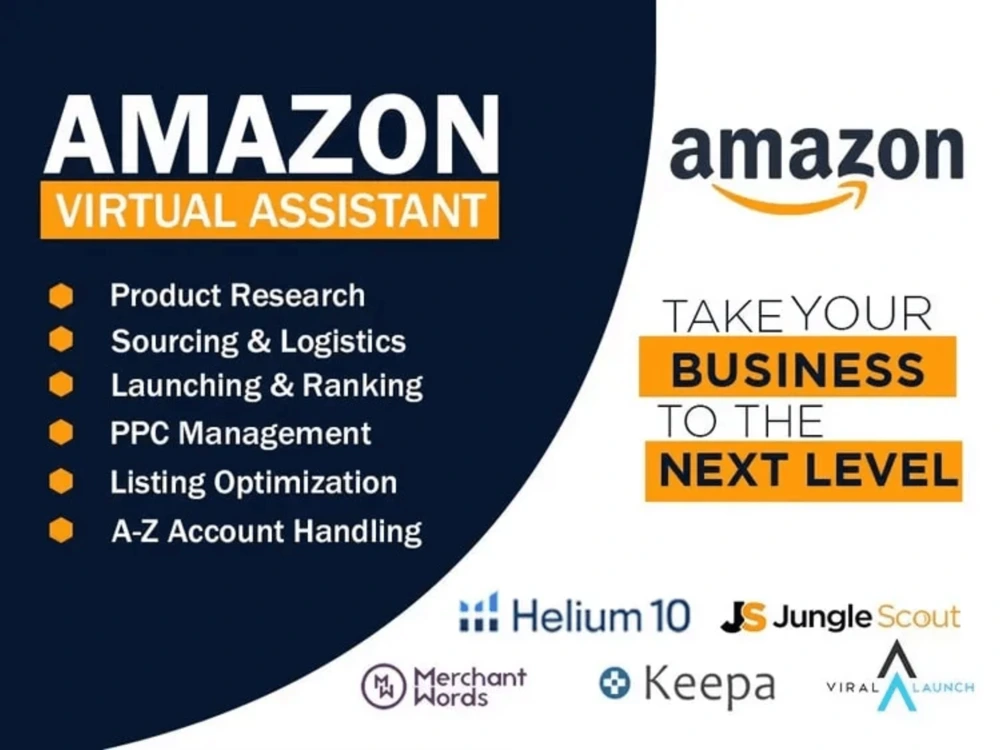
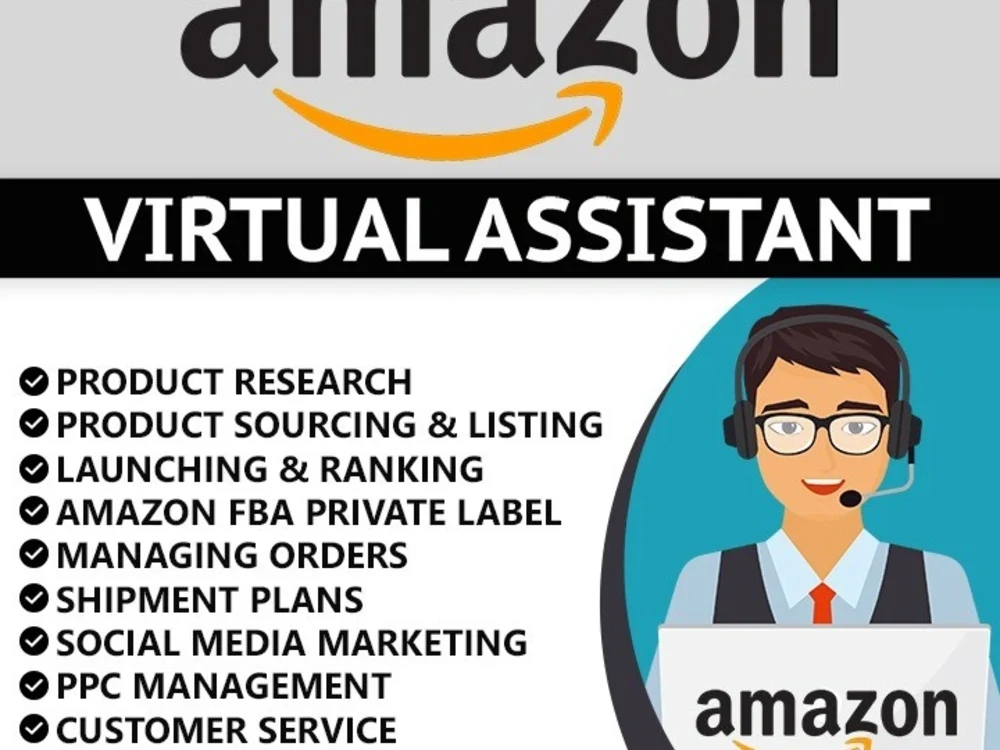
Key responsibilities of an amazon FBA virtual assistant:
- Listing creation and optimization using keywords and high-quality images.
- Inventory monitoring and reorder alerts for FBA stock.
- Customer service replies, returns handling, and feedback management.
- Amazon PPC campaign setup, bids, and basic optimization.
- Competitor research and price tracking.
- Order defect rate and account health monitoring.
Why sellers hire an amazon FBA virtual assistant:
- Save time on repetitive tasks.
- Improve listing quality and conversions.
- Reduce stockouts and costly FBA problems.
- Run campaigns more consistently.
Benefits of hiring an amazon FBA virtual assistant
Hiring an amazon FBA virtual assistant brings clear business gains. My experience shows these advantages scale quickly for new and seasoned sellers.
Primary benefits:
- Time savings so you can focus on product development.
- Faster listing turnarounds and keyword tests.
- Lower operational errors and fewer account issues.
- Cost-effective labor compared to in-house hires.
- Flexibility to scale support up or down.
Real-life example: I once onboarded a virtual assistant who cut listing creation time by 70%. That allowed us to list ten products in a month instead of three. Sales growth followed in weeks.

Core skills to look for in an amazon FBA virtual assistant
A strong amazon FBA virtual assistant blends technical ability with seller intuition. Look for these skills when hiring.
Must-have skills:
- Amazon Seller Central fluency.
- Listing optimization and keyword research.
- Basic PPC know-how and familiarity with ad metrics.
- Proactive communication and task management.
- Spreadsheet skills for inventory and reporting.
Nice-to-have skills:
- Graphic editing for image tweaks.
- Experience with repricing tools and seller forums.
- Knowledge of Amazon policies and ASIN-level fixes.

How to hire an amazon FBA virtual assistant (step-by-step)
Hiring the right amazon FBA virtual assistant requires structure. Follow these steps to reduce hiring risk.
- Define tasks and hours
- List daily, weekly, and monthly tasks.
- Decide on part-time, full-time, or per-project hours.
- Create a clear job description
- Include required skills, tools, and KPIs.
- State pay range and expected working timezone overlap.
- Source candidates
- Use marketplaces, virtual assistant agencies, or referrals.
- Screen resumes for Amazon Seller Central experience.
- Test with a paid trial
- Assign a small, measurable task for 3–7 days.
- Evaluate accuracy, speed, and communication.
- Onboard and document processes
- Create SOPs, templates, and access lists.
- Use screen recordings for training.
- Set KPIs and review time
- Track metrics like listing accuracy, response time, and PPC ROI.
- Hold weekly check-ins for the first month.

Pricing models and expected costs
Costs for an amazon FBA virtual assistant vary by skill level and location. Here are typical models and ranges.
Common pricing models:
- Hourly rate
- Monthly retainer (full- or part-time)
- Project-based fee
Typical rates:
- Entry-level assistants: $4–$8 per hour
- Mid-level assistants with Amazon experience: $8–$20 per hour
- Specialist or US-based VAs: $20–$40+ per hour
Tips on pricing:
- Start with a short trial at agreed rate.
- Build bonuses for hitting KPIs to motivate quality.
- Compare cost against lost opportunity time to justify investment.

Tools and software an amazon FBA virtual assistant should know
Equip your amazon FBA virtual assistant with the right tools. These boost productivity and accuracy.
Essential tools:
- Amazon Seller Central for daily operations.
- Keyword and listing tools for optimization.
- PPC management tools for bidding and reports.
- Inventory and repricing software for stock control.
- Shared docs, task boards, and screen recording tools.
Recommended integrations:
- Spreadsheet templates for monthly reporting.
- Access levels and two-factor authentication for security.
- Centralized screenshots and SOP library for consistent training.

Training and onboarding an amazon FBA virtual assistant
Good onboarding sets the tone for long-term success. My rule: document, demonstrate, then test.
Onboarding checklist:
- Provide access and security training.
- Share SOPs for each task and example outputs.
- Do live screen-share sessions for key workflows.
- Assign a 7–14 day paid trial with clear deliverables.
Common onboarding mistakes to avoid:
- Skipping SOP creation.
- Expecting perfect results without feedback.
- Delaying weekly reviews in the early phase.
Managing and scaling your VA team
As you grow, manage your amazon FBA virtual assistant like any remote team. Clarity beats micromanagement.
Management tips:
- Use short daily updates and one weekly video call.
- Track simple KPIs and share a dashboard.
- Delegate specialist tasks to dedicated VAs as needed.
- Automate recurring reports to free time.
When to hire more help:
- Stockouts are frequent.
- Customer messages lag.
- PPC campaigns need daily oversight.
- New product launches require extra work.

Common mistakes and how to avoid them
Many sellers make the same VA mistakes. These cost time and money. I learned these the hard way.
Avoid these pitfalls:
- Hiring without a trial and SOPs.
- Giving full account access too early.
- Expecting immediate expertise for complex PPC strategies.
- Not measuring performance with data.
Correction tips:
- Start small, build SOPs, and scale with metrics.
- Use role-based access and monitor activity.
- Invest in short, focused training sessions.
Personal experience: lessons and tips
I hired my first amazon FBA virtual assistant five years ago. The experience reshaped how I run stores.
Key lessons I learned:
- Clear SOPs cut onboarding time by 60%.
- A motivated VA can become a long-term partner.
- Regular feedback prevents small errors from compounding.
- Pay attention to timezone overlap for urgent tasks.
Quick practical tips:
- Create a single task board for every product launch.
- Use video walkthroughs instead of long written instructions.
- Offer small monthly bonuses for steady improvement.
Metrics to track for VA performance
Measure what matters. These metrics show if your amazon FBA virtual assistant is helping growth.
Essential KPIs:
- Response time to customer messages.
- Listing error rate and time to fix.
- Inventory stockout days per month.
- PPC ACOS and ROAS on campaigns they manage.
- Number of listings created or optimized per month.
How to use metrics:
- Set baseline values in the first month.
- Review weekly for trends and monthly for pay decisions.
- Tie bonuses to measurable improvements.
When to outsource to an agency vs hire a freelancer
Both options work. Choose based on control, cost, and speed.
Freelancer pros and cons:
- Pros: cheaper, flexible, easier to replace.
- Cons: varied quality, requires more oversight.
Agency pros and cons:
- Pros: vetted teams, structured processes, faster scale.
- Cons: higher cost, less individual attention.
- Use a freelancer for single roles and tight budgets.
- Use an agency when scaling multiple stores or needing specialists.
Scaling up: hiring a VA team for multiple stores
Scaling requires systems, not just people. Build for repeatable processes.
Steps to scale:
- Standardize SOPs across stores.
- Create role specialization (PPC, listings, support).
- Use one dashboard to view metrics across stores.
- Hire a VA lead to coordinate the team.
Benefits of a team:
- Faster launches.
- Consistent customer experience.
- Better coverage for global timezones.
Frequently Asked Questions of amazon FBA virtual assistant
What tasks can an amazon FBA virtual assistant handle?
An amazon FBA virtual assistant can manage listings, inventory, customer service, PPC basics, and reporting. They handle daily operations that free you to focus on strategy.
How much does an amazon FBA virtual assistant cost per month?
Costs vary by skill and hours. Expect $200–$2,800+ per month depending on part-time or full-time, and on whether you hire a freelancer or agency.
How long does it take to train an amazon FBA virtual assistant?
Basic onboarding can take 1–2 weeks for routine tasks. Complex duties like PPC or account recovery may need 4–8 weeks of mentoring and review.
Is it safe to give account access to a virtual assistant?
Yes, with proper safeguards. Use role-based access, two-factor authentication, and monitor activity. Limit access until trust is built.
Can a virtual assistant improve my Amazon PPC results?
Yes, an experienced amazon FBA virtual assistant can manage bids, analyze keywords, and optimize campaigns. Expect steady improvements with testing and time.
Conclusion
Hiring an amazon FBA virtual assistant can change how you run your Amazon business. Use clear SOPs, run paid trials, and measure simple KPIs to ensure value. Start small, document everything, and scale the team as your store grows. Take one action this week: write a short job brief listing 5 core tasks you want to outsource and start a paid trial. Share your results or questions below to get feedback and next-step tips.

Sofia Grant is a business efficiency expert with over a decade of experience in digital strategy and affiliate marketing. She helps entrepreneurs scale through automation, smart tools, and data-driven growth tactics. At TaskVive, Sofia focuses on turning complex systems into simple, actionable insights that drive real results.