⚠️ Disclosure: This post contains affiliate links. We may earn a commission at no extra cost to you.
⚠️ Disclosure: This post contains affiliate links. We may earn a commission at no extra cost to you.


The dream of working from anywhere—your home office, a coffee shop in Lisbon, or a co-working space in Bali—is more achievable than ever in 2026. But here's the reality that thousands of job seekers face every day: remote roles are fiercely competitive, and the old "spray and pray" method of applying to every listing you see simply doesn't work anymore.
Landing a genuine remote position requires a deliberate, multi-pronged approach. You need to know where to look, how to present yourself, which skills actually matter, and how to stand out in a sea of applicants who all claim to be "self-starters." For more on this, see our guide on job search without ads.
This guide delivers the proven strategies that work right now. No fluff, no outdated advice—just actionable steps backed by real-world experience.
Most people fail at the remote job search because they skip the foundation. They update a resume, browse a few boards, and wonder why they hear nothing back. A smart strategy changes everything:
Before you open a single job board, take fifteen minutes to clarify exactly what you want: full-time employment or freelance projects? Specific industries? A certain time zone overlap? Write it down. This clarity becomes your compass. For more on this, see our guide on expert job search advice.
Not all job boards are created equal. Many are overrun with scams, expired listings, or roles that are "remote-optional" at best. Here are the platforms that consistently deliver legitimate opportunities.
| Platform | Best For | Key Advantage |
|---|---|---|
| FlexJobs | Professional remote roles across industries | Every listing is vetted; no ads or scams |
| RemoteOK | Tech, startup, and developer positions | Clean interface, updated hourly |
| We Work Remotely | Marketing, customer support, and design jobs | Large community of remote-first companies |
| Working Nomads | Curated digital nomad-friendly roles | Categories for developers, writers, and admins |
Upwork and Fiverr remain the giants for remote freelancing, but approach them strategically. On Upwork, start with smaller projects to build a reputation score. On Fiverr, create a specific gig rather than a generic "I will do virtual assistance"—stand out by naming a clear outcome, like "I will manage your inbox and calendar for 10 hours per week." For more on this, see our guide on remote job success stories.
Sometimes the best opportunities live in specialized corners:
Common Mistake: Spending all your time on LinkedIn Easy Apply. While convenient, these applications face the highest competition. Use the platform for research and networking, but follow up via a direct application on the company's own careers page.
Your resume has about six seconds to convince a hiring manager you're worth a closer look. For remote roles, they're scanning for proof that you can work without constant supervision.
 Crafting a remote-specific resume that highlights autonomy and digital collaboration skills
Instead of a generic objective, open with a 2–3 line professional summary that explicitly mentions remote work experience. For example: "Remote project manager with 5+ years leading distributed teams across three time zones. Proven track record of delivering projects on time using Asana, Slack, and weekly async stand-ups."
Design tools like Canva offer clean templates, but keep it simple—ATS systems often struggle with fancy layouts. Resume.io provides field-tested formats that scan well for keywords. The trick is balancing visual appeal with machine readability. Running your resume through a free ATS simulator can reveal hidden flaws.
Hiring managers can tell when someone padded their resume with a weekend course. The goal isn't just to collect certificates—it's to gain genuinely useful capabilities that make you a safer hire.
Based on current job listings and industry trends, these capabilities consistently appear:
A Practical Note: If you're new to remote work, start by taking a course on a specific tool you see in job descriptions. Then create a small personal project using that tool—this gives you something concrete to discuss in interviews.
Networking when you can't meet in person feels awkward at first. But it's actually easier to build meaningful professional relationships online than most people realize—you just need a different approach.
The popular strategies are popular for a reason: they work. But the execution matters more than the checklist.
Many remote roles are filled before they ever hit a job board, through referrals and internal referrals. Here's how to tap into that:
Managing these relationships effectively requires organization. The same strategies you'd use with a team-scale efficiency apply—treating your network connections as a project to track rather than a pile of unread messages.
Artificial intelligence has fundamentally changed the job search landscape. The candidates who learn to use it effectively have a clear advantage.
Always customize. A generic AI-generated cover letter is immediately obvious to an experienced hiring manager. Use AI for the heavy lifting—structure, grammar, formatting—then inject your specific examples and personality.
A great remote job starts with a workspace that lets you do your best work. This isn't about aesthetics; it's about reducing friction so you can focus.
 A thoughtfully organized home workspace with a comfortable chair, secondary monitor, and good lighting
Here's your actionable checklist—execute these steps in order for the fastest results.
| Step | Action | Expected Outcome |
|---|---|---|
| 1 | Clarify your target role, industry, and time zone | Focused search, fewer wasted applications |
| 2 | Curate your job boards (3–5 max) | Higher-quality listings, lower overwhelm |
| 3 | Rewrite your resume for remote keywords | More callbacks from ATS systems |
| 4 | Learn or polish one high-value skill | Greater confidence in interviews |
| 5 | Actively network in 2–3 online communities | Access to the hidden job market |
| 6 | Use AI tools for resume and cover letter optimization | Faster applications, better matching |
| 7 | Set up a functional workspace | Consistent productivity, fewer distractions |
FlexJobs remains the gold standard for vetted professional roles. For tech and startup positions, RemoteOK and We Work Remotely are excellent. Freelancers should prioritize Upwork and Fiverr, but approach them with a strategy for building reputation.
Focus on measurable outcomes, explicit remote experience, and proficiency with digital collaboration tools. Use a clean format that passes ATS scanning, and open with a summary that states your remote work history directly.
Asynchronous communication, self-management, and proficiency with at least one project management tool (Asana, Trello, Notion) appear most frequently in job descriptions. A certificate from a program that covers these competencies can help if you're transitioning from an office-based role.
Yes, but only if you choose courses tied to specific, in-demand tools or skills. A Google Career Certificate on Coursera or a targeted Udemy course on a platform like Salesforce carries more weight than a general "business communication" course.
Test your camera, audio, and internet before the call. Have a neutral, tidy background or use a professional virtual background. Look at the camera when speaking, and have a glass of water and a notepad ready. Practice answering "How do you stay productive without supervision?"—it will almost certainly come up.
Landing your dream remote job isn't about luck. It's about following a proven system: clarify your target, use the right platforms, build the right skills, network with intention, and create an environment where you can thrive.
Start today with step one. Write down exactly what you're looking for. Then move through each section of this guide in order. The remote work landscape is crowded, but every genuinely qualified candidate who follows a structured approach eventually finds their place.
Your next role is out there. Now you have the map to reach it.

Sofia Grant is a business efficiency expert with over a decade of experience in digital strategy and affiliate marketing. She helps entrepreneurs scale through automation, smart tools, and data-driven growth tactics. At TaskVive, Sofia focuses on turning complex systems into simple, actionable insights that drive real results.




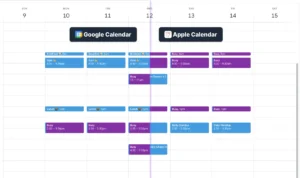
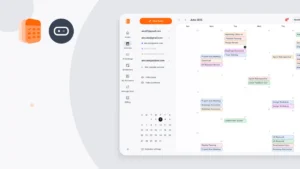
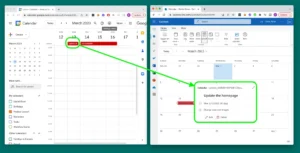

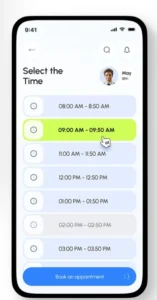

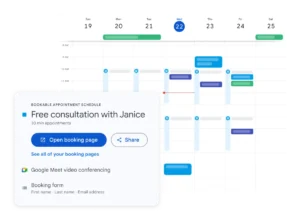







A virtual assistant to schedule meetings can rescue your calendar, but the wrong choice burns cash. Most people blur the line between a remote human helper and…

You’re staring at two options that look almost identical on your screen. A virtual assistant to manage calendar can be a human contractor or an AI scheduling…
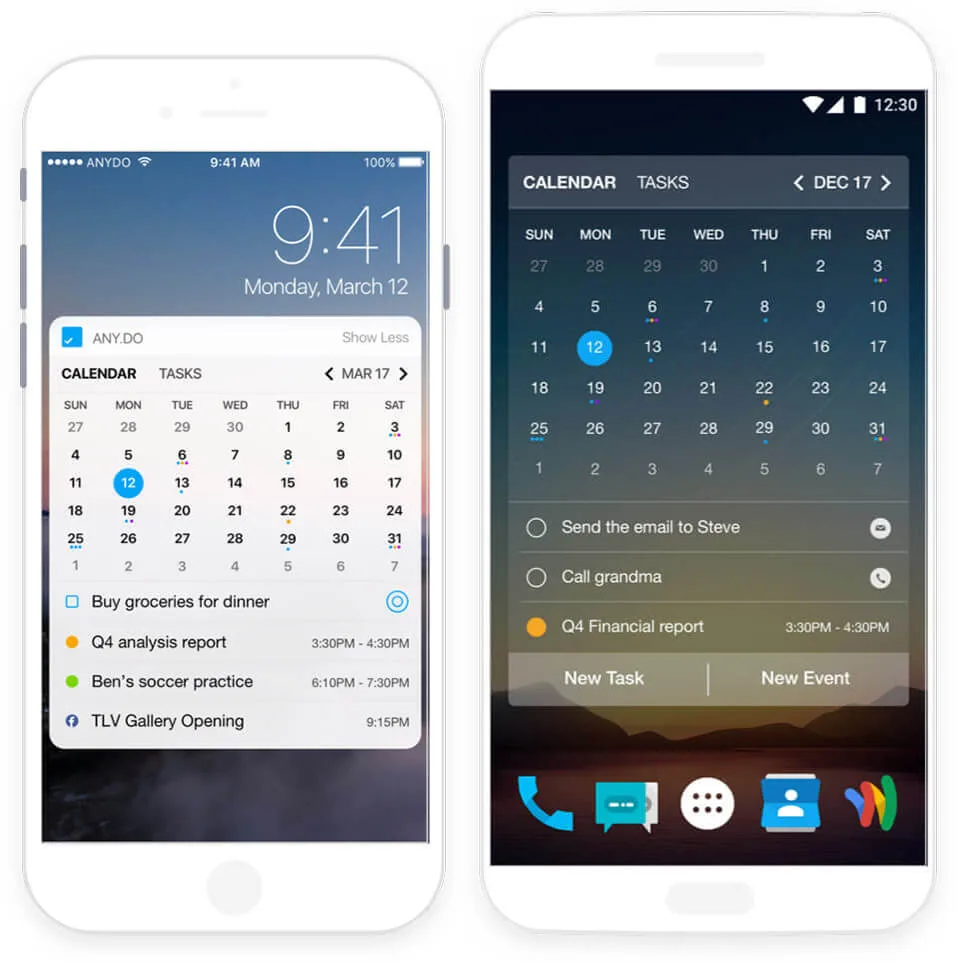
A virtual assistant to organize calendar can be the difference between a calm week and a chaotic one. The wrong choice leaves you shouting at a speaker that…