

A content creation virtual assistant saves time by producing and managing consistent content for brands.
I write about content creation virtual assistant work every day. I have built teams, trained assistants, and tested tools. This article explains what a content creation virtual assistant does, how to hire one, and how to get real results. Read on for practical steps, examples, and tips you can use right away.

What is a content creation virtual assistant?
A content creation virtual assistant is a remote worker who helps make content. They write, edit, design, post, and optimize content. They can focus on blogs, social posts, email, video scripts, or graphics. Many small teams use a content creation virtual assistant to scale work fast.

Key tasks a content creation virtual assistant handles
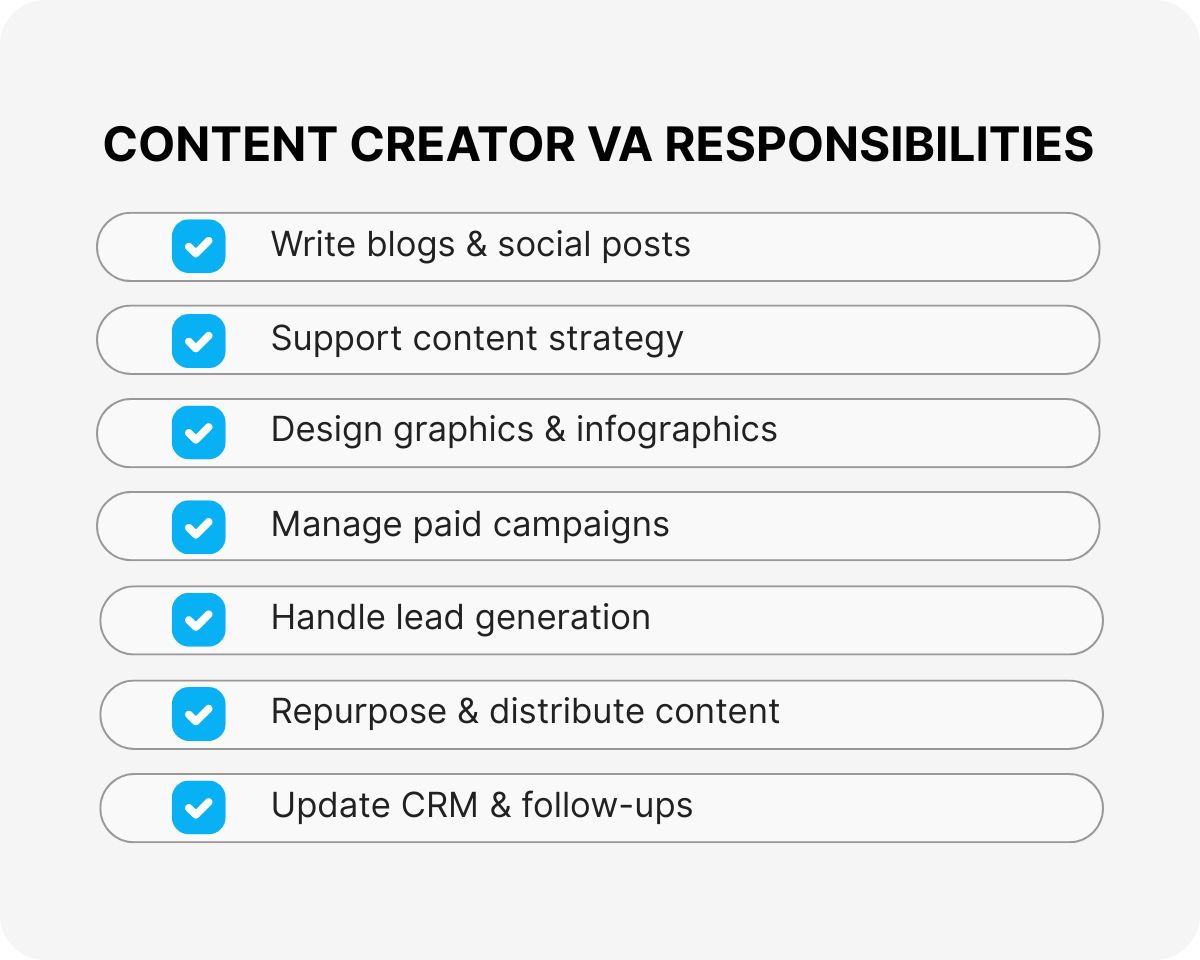
A clear list helps you see the role at a glance.
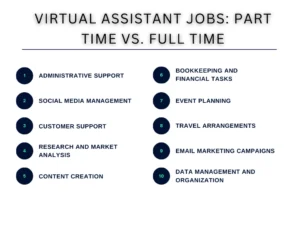
- Content writing: drafts blog posts, articles, captions, and scripts.
- Editing and proofreading: polishes text for clarity and tone.
- Content planning: builds editorial calendars and topic lists.
- Visual support: creates simple graphics, thumbnails, and templates.
- Publishing: schedules posts, uploads files, and formats pages.
- SEO basics: adds keywords, meta tags, and alt text.
- Analytics tracking: reports views, clicks, and engagement.
A good content creation virtual assistant blends writing and basic strategy. They follow brand rules and voice. They often work with tools and templates to speed work.
Benefits of hiring a content creation virtual assistant
Small teams and creators get big wins with the right assistant.
- Save time: free up hours so you can focus on growth.
- Consistency: publish on a steady schedule to build trust.
- Cost efficiency: get skilled help without full-time costs.
- Flexibility: scale tasks up or down as needed.
- Skill mix: combine writing, design, and SEO in one role.
From my experience, a content creation virtual assistant can double output in weeks. That change often leads to more leads and more sales.

How to hire and onboard a content creation virtual assistant
Follow a step-by-step plan to hire the right person.
- Define the role: list tasks, hours, and key tools.
- Post clear ads: show expectations, samples, and test tasks.
- Use tests: request a short assignment to gauge skill and voice.
- Interview for fit: ask about process and past results.
- Onboard with templates: give style guides and content calendars.
- Start small: assign pilot work and review closely.
Onboarding matters. I once skipped clear templates and lost two weeks to rework. After that, I built a one-page guide that cut revisions by half.

Workflow, tools, and templates that speed work
A simple system keeps a content creation virtual assistant efficient.
- Editorial calendar: weekly plan with topics and deadlines.
- Template library: blog, social, and email templates.
- Content brief: target, tone, keywords, and CTAs.
- Collaboration tools: shared docs, task boards, and chat.
- SEO and editing tools: grammar checker and keyword tools.
- Scheduling tools: auto-post to social and CMS.
I use a checklist that covers idea, draft, edit, design, and publish. This checklist helps the content creation virtual assistant follow a steady flow.

Pricing, ROI, and how to measure success
Know what to expect and how to track value.
- Pricing models: hourly, monthly retainer, or per-piece rates.
- Typical range: from part-time affordable to senior rates for complex work.
- ROI metrics: traffic, leads, conversions, and engagement.
- Short-term wins: more posts and higher visibility.
- Long-term wins: brand authority and repeat traffic.
Measure progress every month. I recommend tracking 3 core metrics and one qualitative signal like brand voice quality. This helps prove the value of a content creation virtual assistant.
Common challenges and how to solve them
You will face bumps. Plan ahead to avoid them.
- Inconsistent voice: solve with a detailed style guide and samples.
- Slow turnarounds: use clear deadlines and a shared calendar.
- Low quality: give focused feedback and a small follow-up test.
- Tool confusion: train on one tool at a time and keep docs simple.
I once had a content creation virtual assistant miss SEO steps. A 30-minute training video fixed it, and performance rose quickly.

Real-life examples and lessons from my work
Here are short stories from my projects.
- Startup blog boost: a content creation virtual assistant added two posts weekly. Traffic rose 60% in three months.
- Creator channel growth: consistent thumbnails and captions lifted views and subscribers.
- E-commerce copy refresh: product pages rewrites increased conversions by double digits.
Key lessons I learned: invest in training, test small tasks first, and reward consistent quality. A content creation virtual assistant can be a game changer when you treat them as a true team member.
Frequently Asked Questions of content creation virtual assistant
What skills should a content creation virtual assistant have?
Look for strong writing, basic SEO knowledge, and comfort with design tools. Good communication and punctuality matter as much as core skills.
How much does a content creation virtual assistant cost?
Costs vary by experience and location. Expect low-cost hourly help to mid-range monthly retainers for steady work.
Can a content creation virtual assistant manage social media?
Yes. They can plan, write, schedule, and report on social posts. They work best with clear guidelines and an approval process.
How do I ensure content quality?
Use a style guide, test tasks, and regular reviews. Provide clear feedback and short training sessions when needed.
How quickly can results appear?
You may see traffic or engagement changes in weeks, but strong results often take three months. Consistency is key.
Is it better to hire part-time or full-time?
Start part-time or on a retainer to test fit. Move to full-time when workload and outcomes justify it.
How do I protect my content and ideas?
Use clear contracts and NDAs. Keep files in secure shared drives and track versions.
Conclusion
A content creation virtual assistant can free your time and help grow your brand. Start by defining tasks, testing skills, and setting a clear workflow. Train them well and measure a few core metrics. Take action this week: draft a one-page brief and post a test task. If you enjoyed this guide, leave a comment or subscribe to get more tips on hiring and managing remote content talent.

Sofia Grant is a business efficiency expert with over a decade of experience in digital strategy and affiliate marketing. She helps entrepreneurs scale through automation, smart tools, and data-driven growth tactics. At TaskVive, Sofia focuses on turning complex systems into simple, actionable insights that drive real results.