

Digital tools for online learning boost engagement, organization, and access to quality education.
I have built and taught online courses for years, tested dozens of apps, and helped teams pick systems that work. This guide on digital tools for online learning explains what works, why it matters, and how to choose and use the right mix. Read on for clear advice, real examples, and step-by-step tips you can use today.

Why digital tools for online learning matter
Digital tools for online learning change how students learn and how teachers teach. They make lessons more active, track progress, and let learners access material anytime. For schools and companies, the right tools save time and improve outcomes.

Key categories of digital tools for online learning
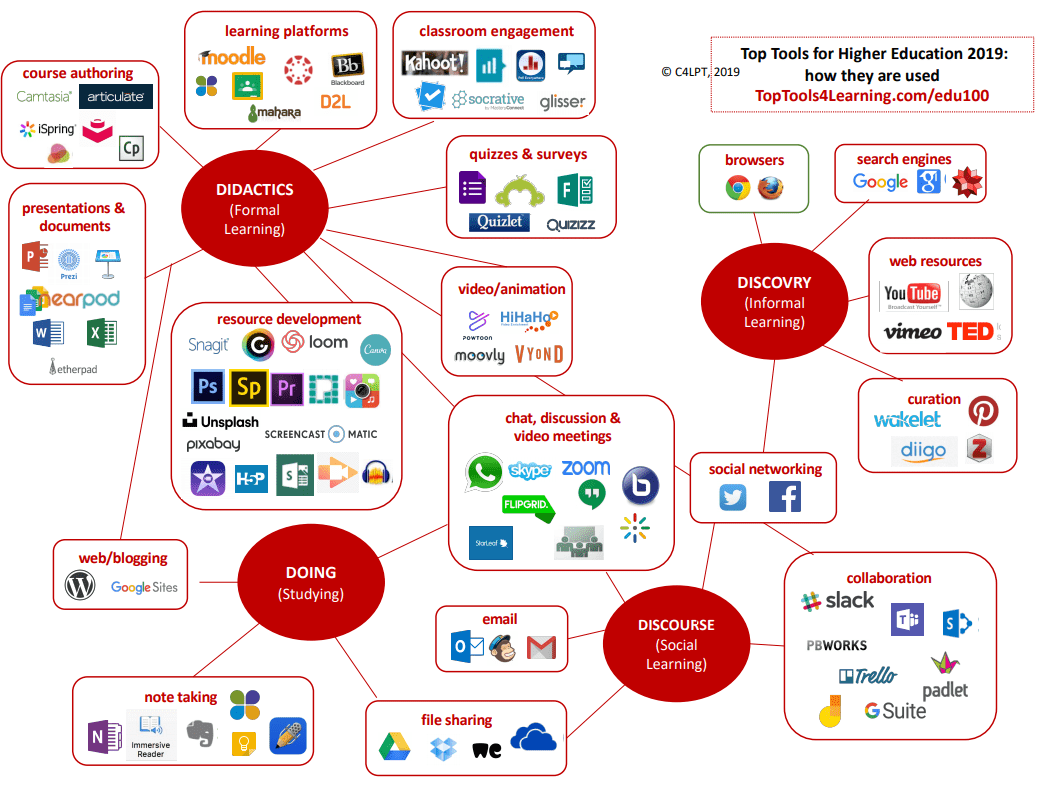
Below are the main types of tools you should know. Each category solves a specific problem in online education. I use many of these daily when I design courses.
- Learning management systems (LMS) help deliver courses, organize content, and record grades.
- Video conferencing tools let teachers hold live classes and office hours.
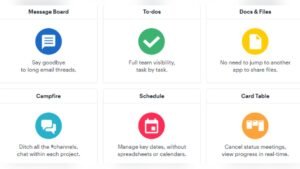
- Collaboration tools enable group work and peer feedback.
- Assessment and quiz tools create tests and automate grading.
- Content creation tools let you build videos, slides, and interactive lessons.
- Accessibility and captioning tools make content usable for all learners.
- Analytics and reporting tools help measure learning outcomes.
- Productivity and scheduling tools keep students and instructors on track.

Top learning management features to seek
An LMS is the backbone of many online programs. Choose one with these features to support scalable learning.
- Easy course setup and clear navigation.
- Gradebook and automatic scoring.
- Mobile-friendly access for learners on the go.
- Integration with video, calendar, and single sign-on.
- Reporting and analytics for engagement and completion.
- Secure storage and user privacy controls.

Best video and synchronous tools
Live interaction is vital for many learners. Pick a tool that balances quality with ease of use.
- Stable video and audio with low latency.
- Screen sharing and whiteboard for teaching.
- Breakout rooms for small group work.
- Recording options for replay and review.
- Chat and raise-hand features to manage questions.
Collaboration and communication tools that work
Group work feels natural when the tools make collaboration simple.
- Shared documents for real-time editing.
- Discussion boards that support threads and tagging.
- Project boards to track tasks and deadlines.
- Messaging for quick check-ins and reminders.

Assessment, feedback, and proctoring
Measurement drives improvement. Use tools that are fair, secure, and clear.
- Quiz banks to randomize questions.
- Auto-graded questions for fast feedback.
- Rubrics for consistent manual grading.
- Secure proctoring options when integrity matters.
- Feedback tools that let students revise and learn from mistakes.

Content creation for engaging learning
Good content keeps learners coming back. Make it short, visual, and interactive.
- Short micro-lectures under 10 minutes.
- Slide decks with clear visuals and few words.
- Interactive modules that require learner input.
- Captioned videos and transcripts for access.
- Templates to speed up course builds.

Accessibility, inclusion, and universal design
Digital tools for online learning must serve every learner. Accessibility matters for legal and ethical reasons.
- Captioning and transcripts for videos.
- Screen-reader-friendly layouts and alt text.
- Clear fonts and high-contrast visuals.
- Flexible pacing for learners with different needs.
- Tools that support multiple languages when needed.
Integration, data privacy, and security
Tools must play well together and protect user data. I always check integrations before adoption.
- Single sign-on and LMS integration to reduce friction.
- Standard data formats so you can move content.
- Privacy controls and compliant data handling.
- Regular security updates from vendors.
- Backups and data export options.
Costs, licensing, and scaling plans
Budget drives choices. Look for tools with clear pricing and room to grow.
- Free tiers for small groups and trials.
- Per-user or per-course licensing for scale.
- Bundled tools that lower overall cost.
- Hidden costs like storage or proctoring fees.
- Plan for renewals and vendor support.
How to choose the right mix: a step-by-step approach
Pick tools that match your goals. Use this simple process I use with teams.
- List your learning goals and required features.
- Map tools to each goal and check integrations.
- Run a small pilot with real learners.
- Collect feedback and measure engagement.
- Iterate and scale the tools that show results.
Real-world tips from my experience
I have run online courses and advised schools. These tips come from mistakes I made and successes I learned from.
- Start small. I once bought a big LMS before defining needs. The team underused it. Begin with core tools and add features.
- Train instructors. Good tools fail without teacher onboarding. Short how-to videos worked best for me.
- Use analytics. I tracked engagement and tweaked modules that had low completion.
- Build templates. Templates save time and keep courses consistent.
- Prioritize accessibility. After adding captions, student satisfaction rose noticeably.
Common implementation challenges and fixes
Expect bumps. Here are fixes that worked for me and peers.
- Low engagement: Add short videos and interactive checks.
- Tech anxiety: Provide cheat sheets and live drop-in help.
- Integration gaps: Use middleware or choose tools with common standards.
- Cost overrun: Negotiate licenses and use mixed free/paid tools.
- Data concerns: Limit sensitive data and enable strict permissions.
Emerging trends in digital tools for online learning
New features keep appearing. Watch for these trends that shape future learning.
- AI-assisted content creation and grading to save time.
- Adaptive learning paths that personalize pace and sequence.
- Immersive experiences using AR/VR for skills training.
- Learning experience platforms that combine content and analytics.
- Micro-credentials and digital badges tied to skills.
Checklist for rolling out new tools
Use this quick checklist before you commit to a new tool.
- Define clear learning outcomes.
- Confirm privacy and security compliance.
- Test integrations with current systems.
- Run a pilot with representative users.
- Prepare training and support resources.
Frequently Asked Questions of digital tools for online learning
What are the essential digital tools for online learning?
Essential tools include an LMS, video conferencing, content creation software, and assessment tools. These cover delivery, interaction, content, and measurement.
How do I pick the best tools for my learners?
Start with learning goals, test a short pilot, and pick tools that integrate and scale. Focus on ease of use and accessibility.
Are free tools good enough for serious courses?
Free tools can work well for small courses and pilots. For bigger programs, paid tools often offer needed features like analytics and security.
How can I ensure student privacy with online tools?
Choose vendors with clear privacy policies and data protection practices. Limit data collection and use secure authentication.
How do I keep learners engaged in online courses?
Use short videos, interactive elements, regular check-ins, and timely feedback. Group work and real tasks also boost engagement.
Can digital tools replace face-to-face teaching?
They can replicate many elements and add benefits like flexibility and analytics, but human interaction remains vital for mentoring and complex feedback.
Conclusion
Digital tools for online learning can transform teaching and learning when chosen and used well. Start with clear goals, test tools with real users, and focus on simple, accessible design. Take one step today: pilot a single tool, gather feedback, and iterate. Share your experience, subscribe for updates, or leave a comment to keep the conversation going.

Sofia Grant is a business efficiency expert with over a decade of experience in digital strategy and affiliate marketing. She helps entrepreneurs scale through automation, smart tools, and data-driven growth tactics. At TaskVive, Sofia focuses on turning complex systems into simple, actionable insights that drive real results.