

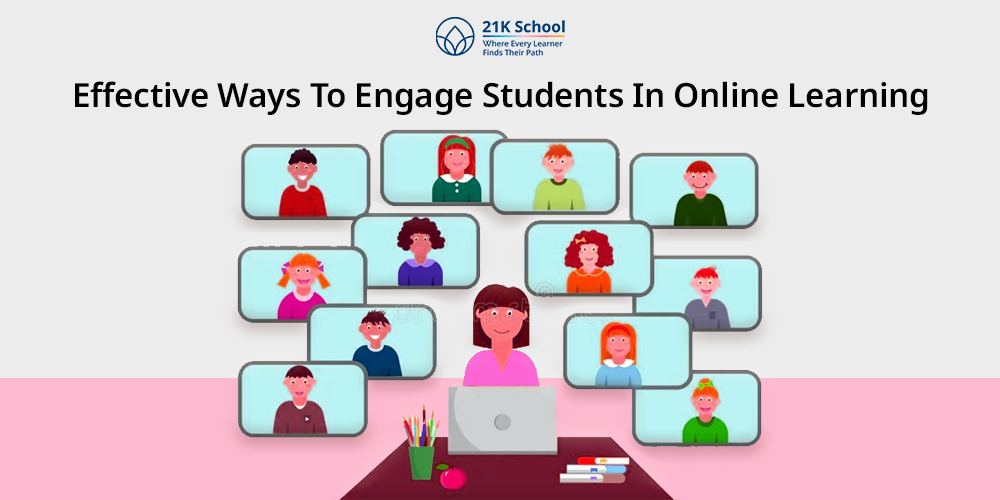
Engagement tools for online learning boost interaction, focus, and retention in virtual classes.
I have built and taught online courses for years. I know which engagement tools for online learning truly move the needle. This guide explains what those tools are, why they work, and how to use them step by step. Read on to learn practical tips, tool choices, and simple strategies you can apply tomorrow.

Why engagement matters in online learning
Learners need to feel seen and active. Engagement tools for online learning turn passive watching into active doing. Active learners focus more, remember better, and finish courses at higher rates.
Engagement also fights isolation. Many online learners quit because they feel alone. Tools that spark talk, teamwork, and feedback create a classroom vibe. That vibe keeps people coming back.
Well-chosen engagement tools for online learning also save instructors time. They automate checks, provide instant feedback, and highlight who needs help. That lets teachers coach smarter, not harder.
Key types of engagement tools for online learning
Below are core categories. Each type answers a clear need in online classes. Mix several types for best results.
- Live interaction tools
- Use polls, Q&A, and chat to keep energy high during sessions.
- Asynchronous interaction tools
- Use discussion boards, comment-enabled video, and peer review for flexible talk.
- Assessment and feedback tools
- Use quizzes, auto-grading, and rubrics to check understanding quickly.
- Collaborative tools
- Use shared docs, whiteboards, and boards to build together in real time.
- Gamification tools
- Use points, badges, and levels to drive motivation and repeat engagement.
- Analytics and reporting tools
- Use dashboards and learning analytics to spot drop-offs and wins.
Using a mix of these engagement tools for online learning gives learners more ways to connect and show progress.

Top specific engagement tools for online learning and how to use them
Here are tools I have used and why they work. Pick what fits your class size and goals.
- Live polling platforms
- Use them to check understanding in seconds. Ask a concept question after a short lecture. Review the poll results and adapt the next slide.
- Interactive video platforms
- Embed questions and notes in videos. Learners answer as they watch. This keeps video from being passive.
- Collaborative whiteboards and sticky-note boards
- Use for group work and brainstorming. Small groups can draft ideas on a shared space. Then groups present to the class.
- Quiz and flashcard apps
- Use short, spaced quizzes to boost recall. Schedule reminders for review. Short bursts beat long sessions.
- Discussion and community apps
- Use threaded forums and social feeds for peer help. Encourage short posts and peer replies to keep momentum.
- Gamification platforms
- Use badges for milestones. Small rewards encourage steady progress without gimmicks.
- Virtual breakouts and small-group rooms
- Use for discussions and role play. Rotate groups to build relationships and diversify views.
- LMS-integrated analytics
- Use completion, time-on-task, and quiz trends to guide intervention. Alert students who fall behind early.
Most tools play well together. Combine an interactive video with a follow-up quiz and a short live poll to complete a learning loop.

How to choose and implement engagement tools for online learning
Choose tools with your learners and goals in mind. Follow these steps.
- Define the learning goal
- Decide if you want to boost attention, measure comprehension, or build community.
- Assess tech access
- Check learner devices and bandwidth. Pick tools that work on phones and slow connections.
- Start small and pilot
- Try one new tool per module. Collect quick feedback and adjust.
- Train learners and instructors
- Give a short demo and one-page cheatsheet. Confidence equals adoption.
- Set clear norms
- Tell learners when to use chat, when to post, and when to mute. Clear rules reduce confusion.
- Measure and refine
- Track key metrics and ask learners what worked. Iterate every few weeks.
Practical tip from my experience: add one new engagement tool per course cycle. Too many changes at once overwhelm both tutors and students.

Measuring success: metrics and analytics for engagement tools for online learning
Track simple metrics to judge impact. Keep the list focused and actionable.
- Participation rate
- Percentage of learners who respond to polls or post in discussions.
- Completion rate
- Percentage finishing modules or assignments.
- Time on task
- Average time spent on learning activities or pages.
- Quiz performance and mastery
- Scores by topic to find weak spots.
- Retention and return
- How many learners return to class or content each week.
Use analytics dashboards to spot trends. A dip in participation often shows a content or timing problem. Use tool data to test fixes and measure change.
Common mistakes and tips from real-world experience
I have run courses that failed. I learned fast. Here are mistakes to avoid.
- Overloading learners with too many tools
- Keep choices simple. One live tool, one asynchronous tool, and one assessment tool is often enough.
- Ignoring mobile users
- If a tool is mobile-unfriendly, many learners drop out. Test on phones first.
- Using engagement tools without clear purpose
- Each tool must have a clear learning role. Don’t use tools to show off tech.
- Skipping training
- Small demos reduce frustration and support requests.
- Relying only on auto-graded tasks
- Blend auto-feedback with human comments for deeper learning.
Tip: ask learners in week one what worked and what confused them. Quick fixes increase trust and participation.

Case study: a classroom story about engagement tools for online learning
I taught a 12-week online course with 120 adult learners. Early weeks had low chat and few submissions. I added three changes.
- I introduced short recorded videos with embedded questions.
- I used a live polling tool during weekly meetings.
- I set small team tasks on a shared whiteboard.
Participation climbed within two weeks. Quiz scores improved by two points on average. More importantly, learners sent messages saying they felt seen. That small tool mix made the class feel alive.

Frequently Asked Questions of engagement tools for online learning
What are engagement tools for online learning?
Engagement tools for online learning are apps and features that invite learners to interact, practice, and communicate. They range from polls and quizzes to collaborative whiteboards and analytics dashboards.
How do I pick the right engagement tools for my course?
Start with your learning goals and tech limits. Choose one live tool, one asynchronous tool, and one assessment tool. Pilot them and ask for quick feedback.
Can engagement tools improve retention?
Yes. Tools that build interaction and provide quick feedback increase focus and motivation. This often leads to higher completion and retention rates.
Do engagement tools work for large classes?
Many tools scale well. Use small-group breakout rooms and peer review to create active spaces. Automation helps with grading and feedback.
How much training do learners need for these tools?
Keep training short and practical. A 5- to 10-minute demo and a single-page guide are often enough. Offer optional office hours for learners needing help.
Conclusion
Engagement tools for online learning turn passive screens into active learning spaces. Use a clear goal, pick tools that match learner needs, and roll them out slowly. Track simple metrics and adjust based on real feedback. Start small this week: add one interactive element to your next lesson and watch how learners respond. If this guide helped, try one tool now, subscribe for updates, or leave a comment about what works in your course.

Sofia Grant is a business efficiency expert with over a decade of experience in digital strategy and affiliate marketing. She helps entrepreneurs scale through automation, smart tools, and data-driven growth tactics. At TaskVive, Sofia focuses on turning complex systems into simple, actionable insights that drive real results.