⚠️ Disclosure: This post contains affiliate links. We may earn a commission at no extra cost to you.
⚠️ Disclosure: This post contains affiliate links. We may earn a commission at no extra cost to you.

Between full-time work, caregiving responsibilities, travel, or unexpected life disruptions, the traditional 9-to-5, in-person only class schedule is a non-starter for millions of learners in 2026. Flexible study options have evolved from a niche alternative for non-traditional students to a core pillar of modern education, designed to meet learners where they are, rather than forcing them to conform to rigid institutional timetables. Whether you’re pursuing a professional certification, an undergraduate degree, or a personal skill, the right flexible learning format can eliminate the common barriers that derail academic progress, from commuting time to conflicting work shifts. Recent data from the National Center for Education Statistics confirms that flexible study formats have moved from niche alternatives to mainstream options, with more than 60% of postsecondary students now taking at least one course in a non-traditional format. This guide breaks down the most effective flexible study options, their real-world trade-offs, and actionable steps to choose the format that aligns with your goals and lifestyle for consistent academic success. For a visual walkthrough of building a flexible study schedule, check out this short guide: Video: Building a Flexible Study Routine
Flexible study options are structured learning formats that allow students to adjust when, where, and how they engage with course material, rather than adhering to fixed in-person class schedules. While they were originally designed for non-traditional learners such as working professionals, military personnel, caregivers, and students in remote areas, they have become popular among traditional students as well, who value the ability to balance coursework with internships, part-time jobs, or extracurricular activities. Unlike one-size-fits-all traditional schedules, flexible formats prioritize learner autonomy while still providing the structure needed to build knowledge and earn recognized credentials.
Online courses are the most widely recognized flexible study option, delivered entirely via digital platforms. They fall into two core categories:
For a curated list of platforms offering high-quality flexible online courses, see our roundup of top-rated online learning platforms.
 A student accesses self-paced course material during a lunch break, a core benefit of flexible study options
Part-time programs are structured, credit-bearing offerings (associate, bachelor’s, master’s degrees, and professional certificates) designed for learners who cannot commit to the 12+ credit hours per semester required for full-time study. Most part-time programs require 6-11 credit hours per semester, with classes scheduled in the evenings, on weekends, or in hybrid formats to accommodate working learners.
Self-paced learning is the most flexible study option available, with no fixed deadlines, required class times, or set curriculum pacing. Learners move through material as quickly or slowly as they need, demonstrating mastery of content before progressing to the next module. This format includes self-paced online courses, competency-based education (CBE) programs, and open educational resources (OER) such as MIT OpenCourseWare.
Blended learning combines in-person instruction with online coursework, splitting class time between scheduled on-campus sessions and asynchronous online activities. For example, a science course might meet in person once a week for lab work, with lectures and quizzes completed online during the week. This format has grown rapidly in popularity since 2020, as institutions look to balance flexibility with the benefits of in-person interaction. Well-designed blended learning environments are aligned with University of Minnesota Extension's flexible learning best practices to support diverse learner needs.
Evening classes are scheduled after standard 9-5 work hours, typically between 6pm and 10pm on weekdays. They are a core component of most part-time and blended programs, and are also offered as standalone non-credit courses for professional upskilling.
Weekend classes are held on Saturdays or Sundays, usually in 4-8 hour intensive blocks. They are designed for learners who are unavailable during weekdays due to work, caregiving, or other commitments, and are most common at community colleges, trade schools, and continuing education programs.
The best flexible study format depends entirely on your learning style, schedule, and academic or professional goals. Use the table below to match your needs to the most suitable option:
| Learner Profile | Best Flexible Study Option | Key Considerations |
|---|---|---|
| Working professional seeking a promotion or career change | Part-time degree/certificate programs, blended learning | Look for programs with accredited credentials and employer partnerships to maximize return on investment |
| Learner with unpredictable work shifts (e.g., healthcare, retail, hospitality) | Asynchronous online courses, self-paced learning | Prioritize programs with 24/7 access to course materials and no mandatory live sessions |
| Learner who struggles with self-motivation | Blended learning, synchronous online courses | Fixed class times and in-person interaction provide external accountability to keep you on track |
| Learner seeking to upskill quickly for a specific project | Self-paced micro-credentials, short online courses | Look for stackable credentials that count toward larger certificates if you want to continue learning later |
| Caregiver with limited weekday availability | Weekend classes, asynchronous online courses | Confirm that all required in-person sessions (labs, proctored exams) are scheduled for weekends if applicable |
Before enrolling in any flexible program, confirm its accreditation status, audit a free sample of the course material if available, and ask about support services for flexible learners (such as flexible deadline policies for emergencies, tech support, and virtual tutoring).
The flexibility of these options is a huge asset, but it also requires intentional habits to avoid falling behind. Based on observed best practices from academic support teams at leading universities, these strategies will help you thrive:
Yes, accredited flexible study programs meet the same learning outcomes and academic standards as their in-person counterparts. Research from the U.S. Department of Education has found that student performance in well-designed flexible formats is comparable to, and in some cases better than, traditional in-person instruction, as learners can engage with material in ways that align with their individual learning styles.
Most accredited institutions accept transfer credits from flexible study programs, as long as the courses meet equivalent learning outcomes and grade requirements. Always confirm transfer policies with your target institution before enrolling, as some programs have limits on the number of transfer credits they accept.
Yes, as long as the program is offered by an accredited institution, employers treat credentials earned via flexible study the same as those earned via traditional in-person study. In fact, many employers prioritize candidates with flexible learning experience, as it demonstrates time management, self-motivation, and digital literacy skills.
At a minimum, you’ll need a reliable internet connection, a laptop or tablet with a webcam and microphone, and access to basic productivity software (word processing, spreadsheet, presentation tools). Some programs may require specialized software for labs or design courses, which will be listed in the course syllabus.
Yes, students enrolled in accredited flexible study programs are eligible for the same federal and state financial aid as traditional in-person students, including Pell Grants, student loans, and work-study programs. Many institutions also offer scholarships specifically for non-traditional and flexible learners.
Flexible study options are no longer a compromise for learners who can’t fit into traditional academic schedules — they are a rigorously designed, widely accessible pathway to academic and professional success. From asynchronous online courses for learners with unpredictable schedules, to blended programs that balance flexibility with in-person connection, there is a flexible format tailored to nearly every goal and lifestyle. The key to triumph is selecting the option that aligns with your learning style, professional needs, and personal commitments, then implementing consistent, intentional study habits to stay on track. If you’re ready to explore flexible programs that fit your life, check out our roundup of top-rated online learning platforms to find accredited courses and credentials that match your goals. For more guidance on building a study plan that works for your schedule, see our in-depth review of leading MOOC provider Coursera to see how self-paced options can fit into a busy routine.

Ms.Sultana brings over 16 years of expertise working with global Clients by providing different skills and Services. For the last 5 years working as an Affiliate marketer, specializing in high-ticket campaigns that drive exponential growth. She holds a degree in Computer Science and Engineering as well as achieved many more skills certificates from different institute/academies/Platform. As part of the Elite Global Marketing team, Sultana has helped clients generate millions in revenue through strategic partnerships, innovative funnels, and data-driven insights.




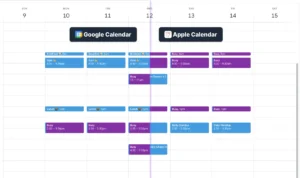






Coordinating an executive calendar is exhausting work, and hiring a virtual assistant to handle it can transform your week. You get back hours you’ve been…

Executive virtual assistant calendar management isn’t just about filling time slots. It’s about strategically protecting your most valuable asset. As of 2026,…
A virtual assistant appointment reminder can be the difference between full days and expensive gaps. Missed appointments bleed revenue faster than most…