⚠️ Disclosure: This post contains affiliate links. We may earn a commission at no extra cost to you.
⚠️ Disclosure: This post contains affiliate links. We may earn a commission at no extra cost to you.

Choosing the first tool you see is a common mistake that hurts research quality. Many generic chatbots will confidently hallucinate fake citations or outdated facts. This creates a false sense of security.
You might cite a source that doesn't exist or miss a critical counter-argument because the tool prioritized speed over accuracy.
Different tools specialize in different types of information. A tool built for general web search may struggle with peer-reviewed studies. Conversely, an academic-focused tool might ignore recent news or industry reports.
Ignoring these nuances means you could end up with incomplete or biased results.
Furthermore, free tiers have strict usage caps. You might burn through your daily allowance on trivial questions before reaching the core of your research. Understanding how each platform allocates its free resources prevents frustration later.
You need a tool that matches your workflow, not just your keyword.
Research from the Allen Institute for AI highlights that automated paper screening can miss crucial context if not guided by human expertise. Relying blindly on any single tool without understanding its limitations compromises your work. Taking time to compare options upfront saves significant rework down the line.
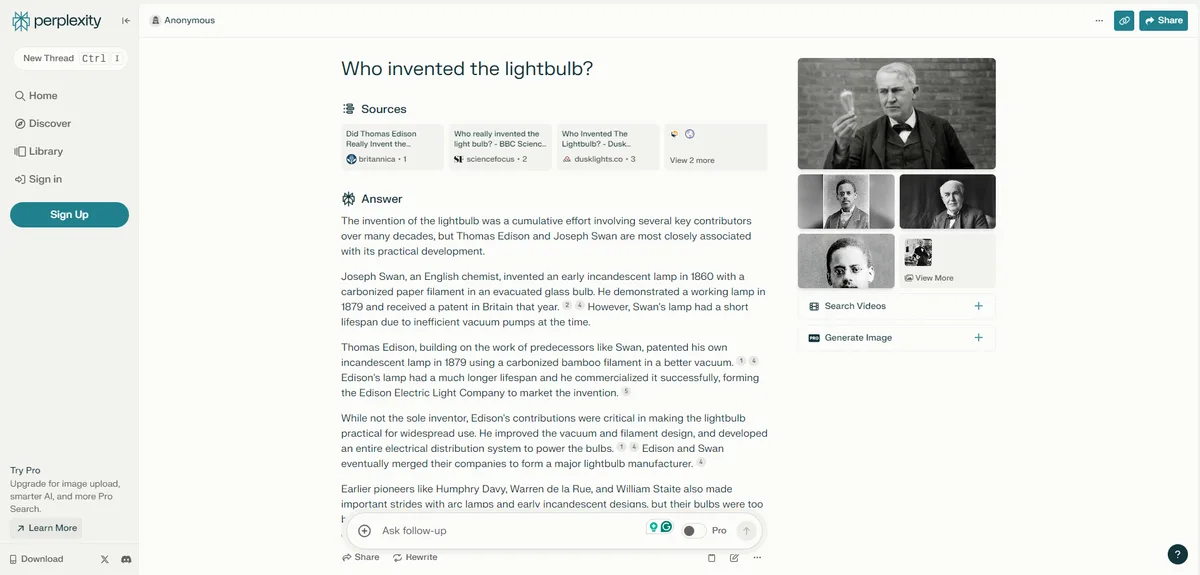
The best free AI research assistants today include Perplexity AI, Elicit, Consensus, and Semantic Scholar. Perplexity is ideal for fast, cited answers across all topics. Elicit excels at finding and summarizing academic papers for literature reviews.
Consensus helps verify specific claims using scientific evidence. Semantic Scholar offers powerful filtering for researchers focused on STEM fields. Most offer free tiers that cover casual research needs without payment.
Several platforms dominate the landscape of free AI research assistance. Each has a distinct personality and strength. Knowing what makes them unique helps you choose the right one for your specific project.

Perplexity AI acts like a conversational search engine. It pulls from billions of web pages and summarizes the answer with inline citations. It is incredibly fast and great for broad overviews or explaining complex topics simply.
The free tier gives you a set number of "focus" credits daily, which reset overnight.
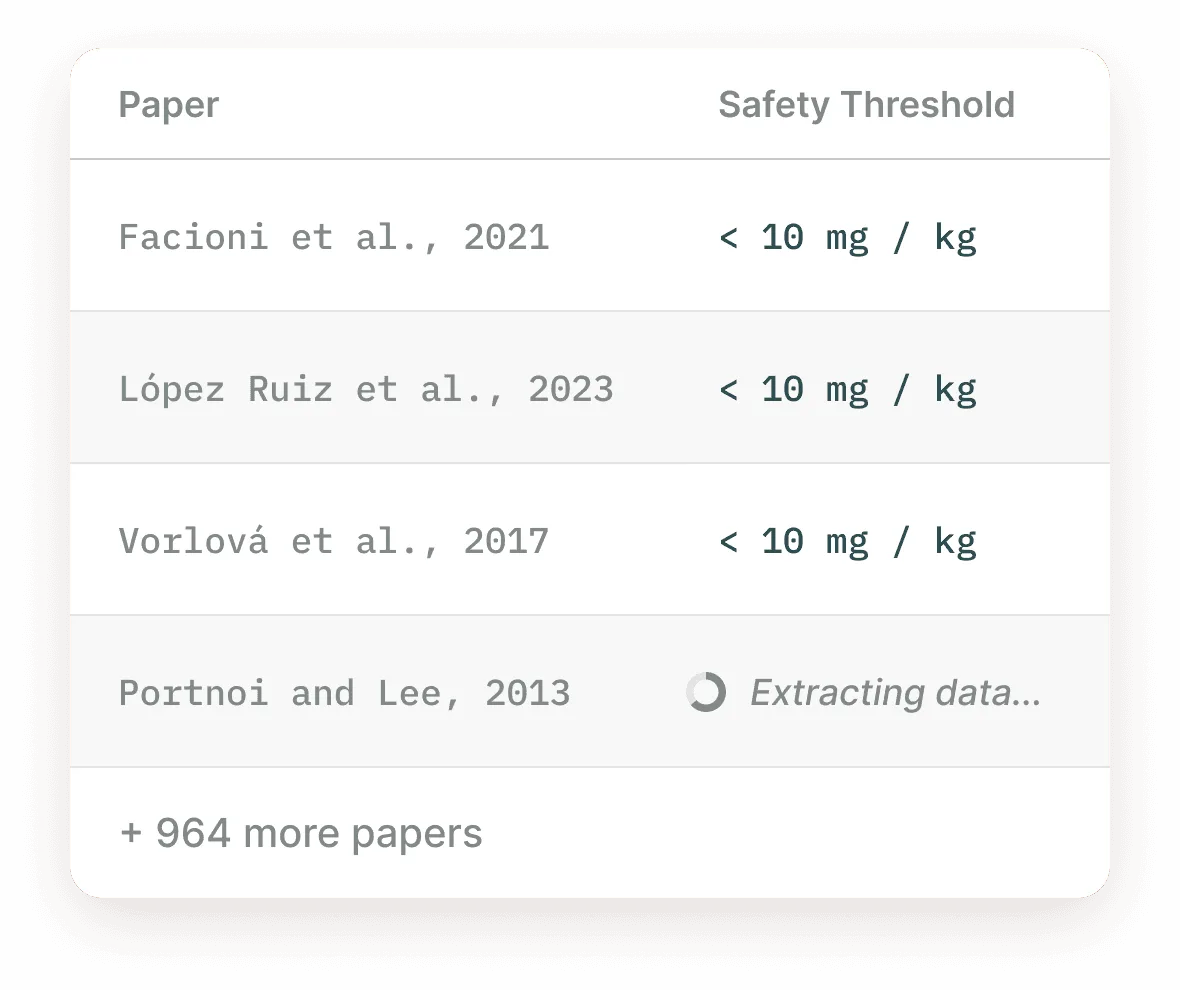
Elicit is built specifically for academic research. You ask a question, and it finds relevant papers from its database of millions of studies. It then extracts key details into a table format, such as methodology and findings.
This is a game-changer for literature reviews. The free version allows a generous number of monthly questions, making it accessible for students.
Consensus takes a unique approach by focusing on "Yes/No/Maybe" answers derived from science. You type a claim, and it scans thousands of papers to tell you if the scientific community agrees. It shows the ratio of supporting to opposing studies.
This helps verify assertions objectively rather than relying on a single summary.
Semantic Scholar, powered by the Allen Institute for AI, is a massive index of scientific papers. While less conversational than Perplexity, it offers superior filtering capabilities. You can sort by relevance, citation count, and publication year with precision.
It is essential for deep dives into STEM fields where recent citations matter most.
Other notable mentions include ChatPDF, which lets you upload documents for Q&A, and Scite.ai, which checks if citations are supported or contrasted by other papers. These tools complement the main four but serve more niche workflows. When you want to streamline your virtual assistant workflow, combining these research tools with automation can save even more time.
Understanding the limitations of free tiers is crucial for managing expectations. None of these tools offer unlimited access, but their constraints vary significantly.
| Tool | Best For | Free Tier Limits | Key Feature |
|---|---|---|---|
| Perplexity AI | General research & quick answers | ~5-10 Pro searches/day | Citations from web & academic sources |
| Elicit | Literature reviews & paper analysis | ~100 questions/month | Automatic extraction of paper details |
| Consensus | Verifying scientific claims | Limited daily queries | Consensus meter showing agreement levels |
| Semantic Scholar | Deep academic search | Unlimited basic search | Advanced filters for citations & year |
| ChatPDF | Document-specific Q&A | ~15 uploads/day (varies) | Summarize specific PDFs instantly |
| Scite.ai | Citation validation | ~3 smart citations/month | Shows if citations are supported/contrasted |
Data reflects typical free plan specifications as of early 2026. Limits may change as platforms adjust their monetization strategies.
Perplexity's daily reset is convenient for sporadic use. You can check in multiple times a day without worrying about a monthly cap. Elicit's monthly quota is substantial but depletes faster if you are running large-scale reviews.
Semantic Scholar remains the most open, with no hard limits on basic searches, though advanced features require login.
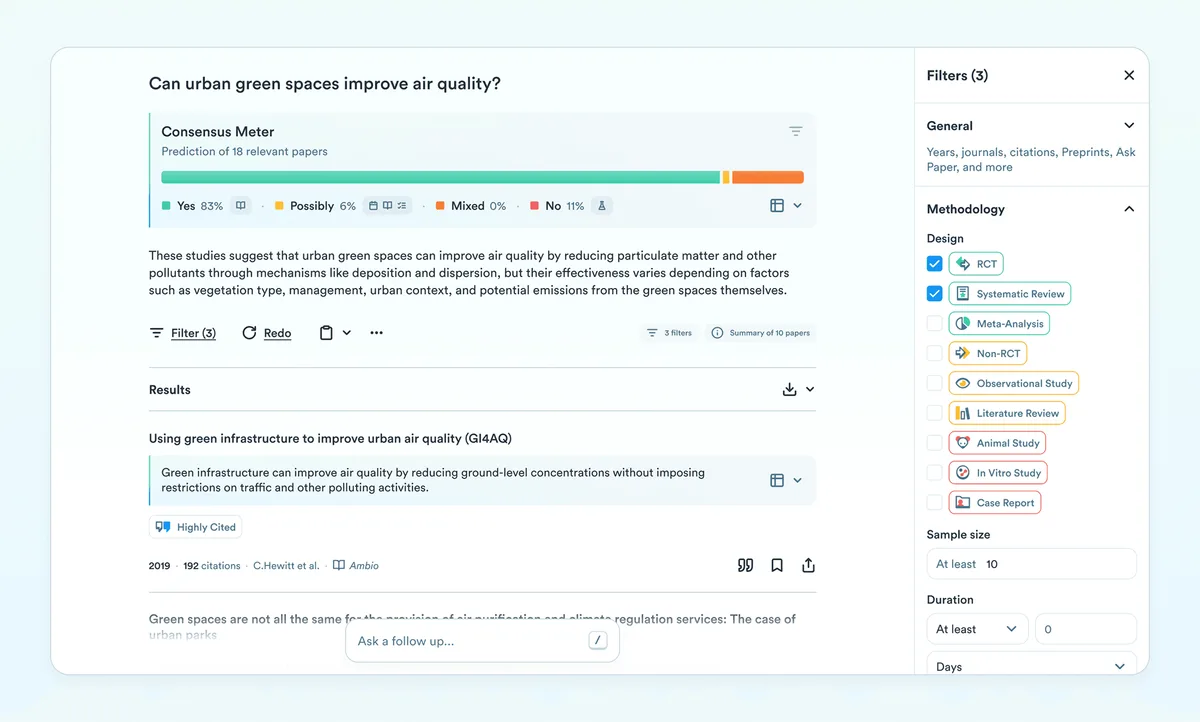
If you need to verify a specific hypothesis quickly, Consensus is unmatched. However, its free tier restricts how many searches you can run per hour. ChatPDF is excellent for students who already have a reading list but struggle to extract info.
Scite.ai is vital for serious academics who need to ensure their references are robust.
Some users looking for broader productivity gains also explore top-rated virtual assistant tools to pair alongside these research platforms.
Your ideal tool depends on what kind of research you are doing. A one-size-fits-all approach rarely works in academic or professional settings.
For Students Writing Papers:
Elicit is likely your best starting point. It helps you find relevant sources and organizes them automatically. It reduces the manual labor of copying abstracts and methodology notes.
Pair it with Semantic Scholar to dig deeper into specific topics once you have a list of candidates.
For Journalists & Fact-Checkers:
Perplexity AI is the go-to tool. Speed is everything when meeting deadlines. You can get a summarized answer with sources in seconds.
Follow up with Consensus if you need to verify if a claim is scientifically backed. This combination covers both general news and hard science.
For Academics & Researchers:
Semantic Scholar and Scite.ai are indispensable. You need precise filtering to find high-impact papers. Scite.ai ensures your bibliography is credible by showing how other papers cite your sources.
Elicit helps when you are starting a new review and need to screen hundreds of titles quickly.
For Business Professionals:
Perplexity offers the fastest route to market trends and competitor info. You don't need peer-reviewed depth; you need current, sourced data. Use ChatPDF to analyze specific company reports or whitepapers you download from their sites.
If you are exploring opportunities to use AI tools in your career, you might also want to check out high-paying remote job categories that leverage these research assistants effectively. Choosing based on intent prevents the frustration of hitting dead ends or running out of credits too early.
Even the best AI research assistants can mislead you if used incorrectly. Avoiding these pitfalls ensures your findings are accurate and useful.
Trusting Without Verification:
AI can hallucinate. Always click through to the original source. Verify that the citation actually supports the claim made.
A summary might look perfect but be based on a misinterpreted paper.
Ignoring the "Free" Limits:
Don't dump a 50-page thesis into a free ChatPDF tool and expect instant results. Use the tool for extraction, but manage your upload quota wisely. Save your credits for complex queries that require synthesis.
Neglecting Date Filters:
Technology and science move fast. A paper from 2015 might be obsolete. Always filter by publication date to ensure you are working with current data.
Old citations can derail modern arguments.
Overlooking Source Quality:
Perplexity pulls from the web, which includes blogs and forums. Learn to distinguish between a .edu or .gov source and a random website. Prioritize results from reputable journals or institutions.
Not Using Multiple Tools:
Relying on just one platform creates blind spots. Cross-reference findings between Elicit and Semantic Scholar. If Consensus disagrees with Perplexity's summary, dig deeper.
Triangulation is key to reliable research.
Getting the most out of free research tools requires strategy, not just random queries. Smart users treat these platforms as starting points rather than final destinations.
Build a Workflow Before You Start
Map out your research process. Use Elicit to find papers, Semantic Scholar to filter by citation impact, and Perplexity to get quick context on unfamiliar topics. This layered approach maximizes each tool's strengths without wasting credits.
Save Your Queries for Later
Most free plans don't save your search history indefinitely. Take notes immediately after running important queries. Export tables from Elicit or copy key findings into a document before your session ends.
Combine Tools Strategically
Cross-referencing between platforms catches errors. If Perplexity gives you an answer, verify it against Consensus or Semantic Scholar. Multiple confirmation sources reduce hallucination risk significantly.
Master Prompt Engineering
Specific queries yield better results. Instead of asking "tell me about climate change," try "what studies from 2020 to 2025 show regarding ocean temperature rising rates?" Detailed prompts help AI focus its limited resources effectively.
Use Export Features Wisely
Tools like Elicit and Semantic Scholar let you export citations. Save these exports regularly. Building a personal database gives you reference material even if free-tier access changes.
Know When to Upgrade
If you regularly exhaust free limits, a paid plan might save more time than it costs. Calculate your weekly usage. Heavy researchers often find $10 monthly subscriptions pay for themselves through efficiency gains.
These strategies transform frustrating limitations into manageable constraints. Smart workflow beats raw access every time. For those building a career around AI tools, considering virtual assistant training programs can help you integrate these assistants into professional workflows.
Free tools provide solid starting points but require verification. Hallucination rates vary across platforms. Always cross-check citations against original sources before using them in formal work.
Student projects tolerate more error than published research.
Yes, several platforms allow document uploads on free tiers. ChatPDF supports multiple daily uploads. Elicit lets you add custom papers to your account.
However, file size and count limits apply. Check each tool's current specifications before relying on this feature.
Elicit stands out for student literature reviews. Its free monthly quota covers most undergraduate projects. The automatic table extraction saves hours of manual note-taking.
Pair it with Semantic Scholar for deeper source exploration.
Always click through to cited sources. Verify that the original paper actually supports the AI's claim. Cross-reference answers across multiple platforms.
If a tool can't provide a verifiable citation, treat that information as unreliable until confirmed elsewhere.
Most free platforms retain data to improve services. Avoid uploading unpublished research or sensitive documents. Check privacy policies before using these tools for confidential projects.
Some academic institutions offer premium accounts with stricter data protections for their students and faculty.













People ask “how much does a virtual assistant charge” expecting a single number. The answer isn’t one. You might pay nothing at all, or nearly $100 an hour for…

If you’re asking how much does a virtual assistant cost per hour, the answer splits in two. Human virtual assistants (VAs) charge by the hour. AI assistants…
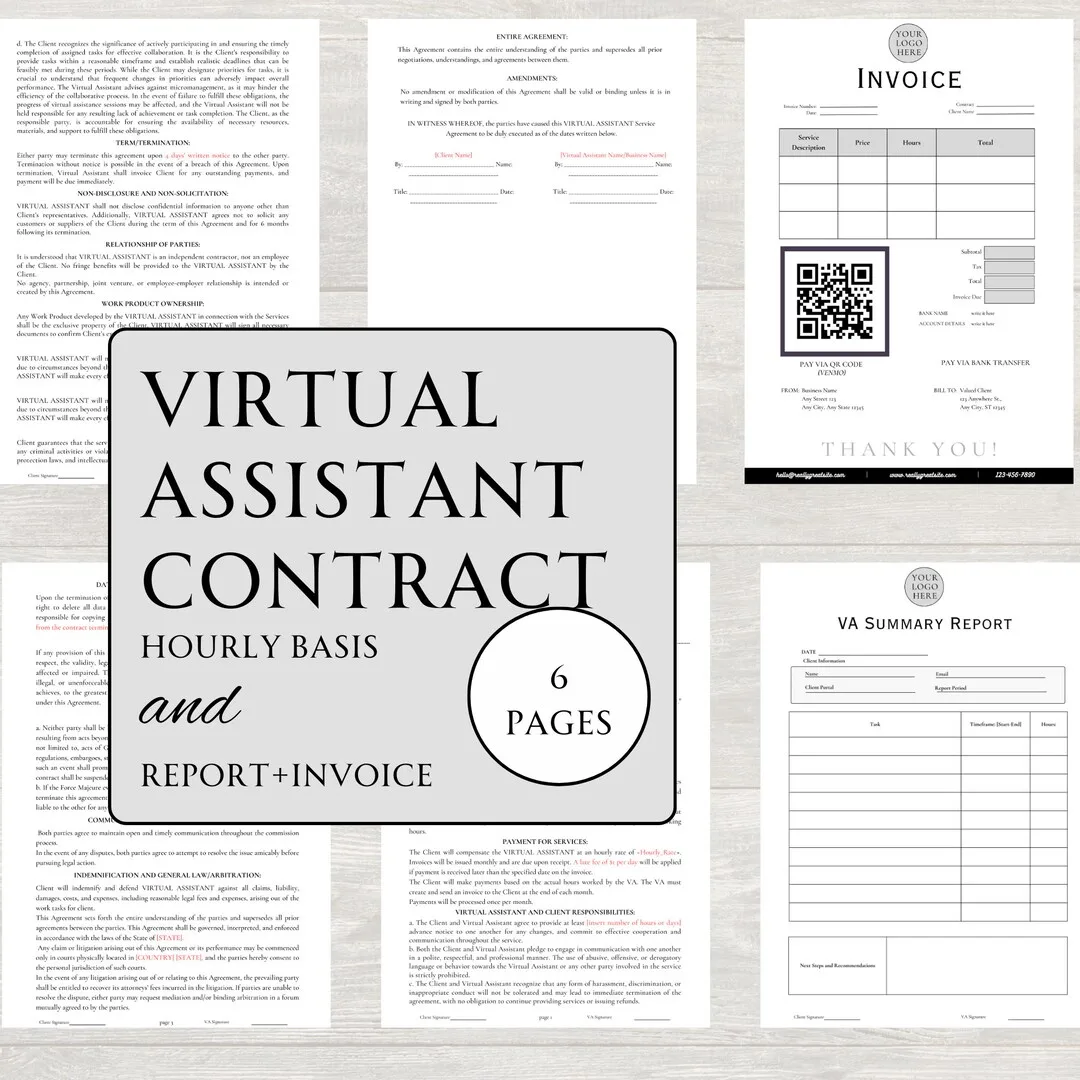
You’re staring at a job post or a DM from a freelancer and you’ve landed on the same question a hundred business owners do: how much should I pay a virtual…