
Paid VA tools offer advanced features, support, and scalability while free VA tools suit basic tasks and testing.
I’ve spent years hiring and testing virtual assistant tools across teams, industries, and budgets. This Free vs paid VA tools comparison lays out clear differences, real-use cases, cost trade-offs, and step-by-step advice so you can pick the right VA tools for your needs. Read on for practical guidance based on hands-on experience and industry insight.

Why this Free vs paid VA tools comparison matters
Choosing between free and paid VA tools shapes productivity, cost, and long-term workflow. This Free vs paid VA tools comparison helps you avoid common mistakes like outgrowing a free app too fast or overspending for features you never use. I’ll explain which tool types fit freelancers, startups, and growing teams so you spend money wisely and scale smoothly.
Key differences in the Free vs paid VA tools comparison
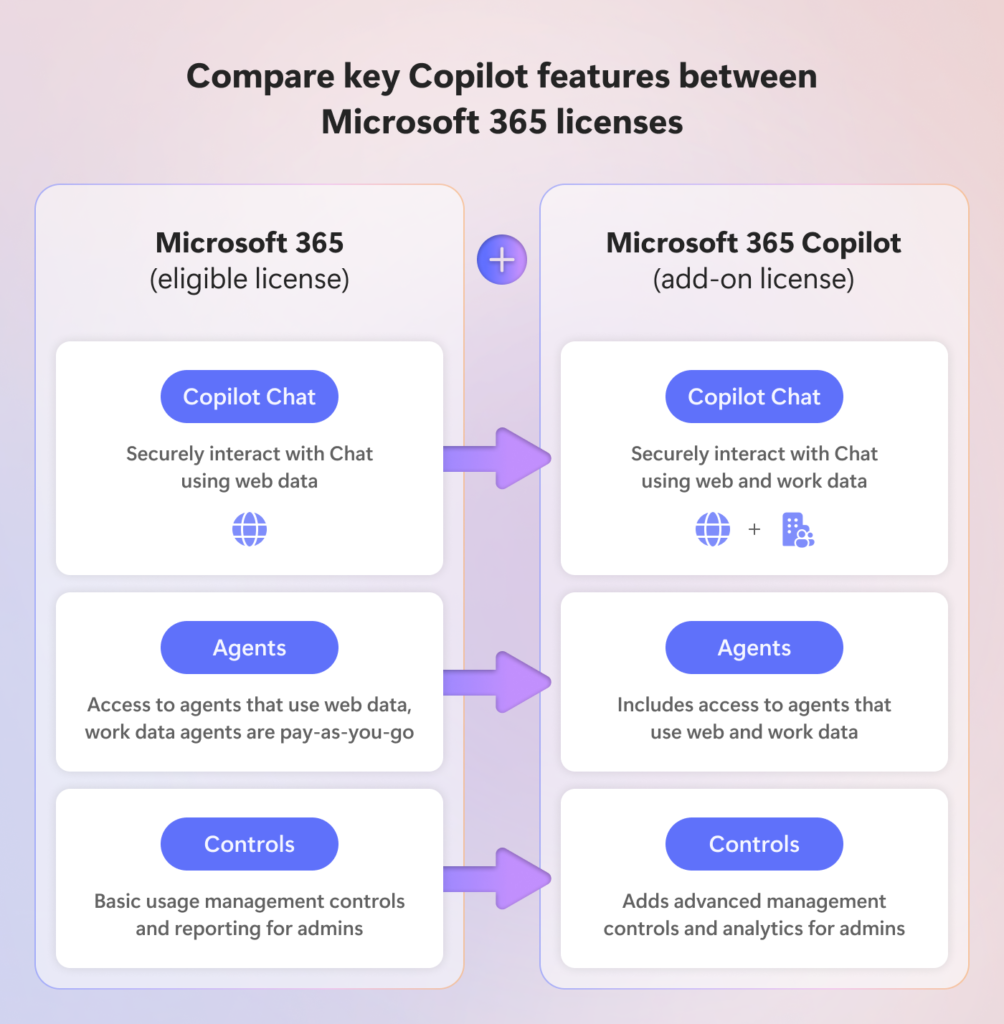
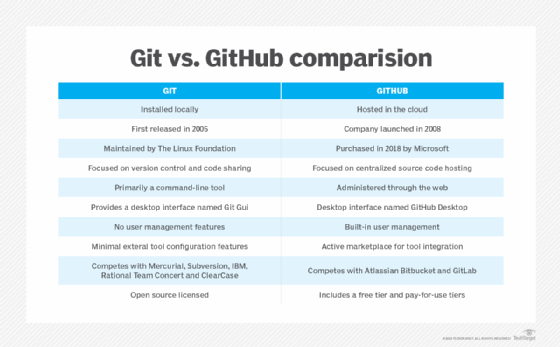
Free VA tools work well for basic tasks. Paid VA tools add features, integrations, and support. This Free vs paid VA tools comparison highlights core differences in functionality, security, and reliability.
- Functionality: Free tools cover core tasks like note-taking, simple automations, or chat help. Paid tools include advanced workflows, analytics, and team permissions.
- Integrations: Free apps often have limited or no third-party integrations. Paid tools connect to CRMs, calendar systems, and automation platforms.
- Support and SLA: Free tools usually rely on community support. Paid tools offer customer service, onboarding, and uptime guarantees.
- Data security: Paid tools tend to offer more robust encryption, compliance options, and data export features.
- Customization: Paid tools let you tailor workflows and branding. Free tools are often one-size-fits-most.
These differences guide whether a free option is a short-term solution or a long-term fit. Use this Free vs paid VA tools comparison to map features to your real needs.

When to choose free VA tools
Free tools are great for testing, solo work, and tight budgets. This Free vs paid VA tools comparison shows when free makes sense.
- Early-stage testing: Use free tools to validate workflows before committing money.
- Solo entrepreneurs and freelancers: Free versions often cover simple task lists and basic automations.
- Temporary needs: Short projects or seasonal work can rely on free tools.
- Simple recurring tasks: If tasks require minimal integration and few users, free tools can handle them well.
From experience, start small with a free tool, but track the point where friction costs more than a subscription.

When to choose paid VA tools
Paid tools make sense when scale, reliability, and integrations matter. This Free vs paid VA tools comparison helps you spot the right moment to upgrade.
- Multiple users and roles: Paid tools provide admin controls and permissions.
- Complex workflows and automations: Paid plans support multi-step automations and team handoffs.
- Business continuity and security: Paid vendors offer backups, compliance features, and better SLAs.
- Need for analytics and insights: Paid tools provide dashboards and usage data to optimize work.
- Time-saving value: If a paid tool saves hours per week, it often pays for itself.
I switched to paid tools when a small team hit workflow bottlenecks. The productivity gain offset the subscription within weeks.

Top free VA tools to try
Free tools let you test ideas fast. This Free vs paid VA tools comparison lists common free options and what they do well.
- Task managers with free tiers: Good for simple lists and reminders.
- Basic chat or inbox assistants: Helpful for automating reply templates.
- Free automation builders: Useful for simple triggers and actions.
- Free voice-to-text or transcription tools: Handy for quick meeting notes.
- Lightweight scheduling tools: Great for single-person calendars or small teams.
Tip from my work: pair two free tools that complement each other, but watch for manual handoffs that add hidden costs.

Top paid VA tools worth investing in
Paid options bring richer features. This Free vs paid VA tools comparison covers reasons to invest.
- Full-featured VA platforms: Combine task automation, team roles, and analytics.
- AI-enhanced assistants: Offer smarter replies, content drafting, and context awareness.
- Paid integrations to CRMs and billing: Remove manual data entry.
- Enterprise-grade tools: Deliver compliance, single sign-on, and dedicated support.
- Specialist tools for content, scheduling, or bookkeeping: Reduce error and speed up complex tasks.
From firsthand trials, moving to a paid AI assistant reduced repetitive work by nearly half in a busy month.

Cost, ROI, and the numbers in the Free vs paid VA tools comparison
Cost matters. This Free vs paid VA tools comparison helps you calculate ROI and decide if paid is worth it.
- Direct costs: Monthly or annual subscription fees per user.
- Hidden costs: Training time, migration effort, and change management.
- Time savings: Estimate hours saved per week after adoption.
- Revenue impact: Measure faster responses, more leads, or improved client retention.
- Break-even analysis: If a tool saves X hours and each hour is worth Y dollars, compute payback time.
When I tracked ROI for one paid tool, the subscription paid for itself in under two months due to reduced admin time and faster client turnaround.
How to test and transition using the Free vs paid VA tools comparison
A methodical test avoids regret. This Free vs paid VA tools comparison outlines steps to evaluate and migrate.
- Define success metrics: Set clear goals like reduced admin hours, faster response times, or fewer errors.
- Run a pilot: Test a free tier or trial with a small team for 2–4 weeks.
- Track outcomes: Measure time saved, task completion rates, and user satisfaction.
- Compare costs: Match measured benefits to subscription price.
- Plan migration: Export data, train users, and schedule a phased rollout.
I used a staged pilot twice. The staged switch reduced downtime and gave the team confidence before full adoption.
Real-world tips, mistakes to avoid, and personal notes
Practical experience helps you avoid common pitfalls. This Free vs paid VA tools comparison shares lessons I learned.
- Start with needs, not vendors: List must-have features before searching.
- Avoid tool hoarding: Too many point tools create friction.
- Watch data lock-in: Ensure easy export if you change vendors.
- Train your team: Even simple tools fail without clear usage rules.
- Negotiate pricing: Annual plans and user bundles often offer discounts.
One mistake I made was relying on a free tool for critical workflows. When an outage occurred, the lack of priority support cost time and client trust. That taught me to assess risk, not just price.
Frequently Asked Questions of Free vs paid VA tools comparison
What is the main difference between free and paid VA tools?
Free VA tools cover core tasks with limited features. Paid VA tools add advanced workflows, integrations, and support for teams.
Can free VA tools be enough for small businesses?
Yes, many small businesses run well on free tools for simple tasks and low user counts. Monitor when growth causes bottlenecks so you can upgrade on time.
How do I measure if a paid VA tool is worth the cost?
Track time saved, error reduction, and revenue impact, then compare that value to subscription fees. A short pilot helps gather this data.
Are paid VA tools more secure than free ones?
Paid tools usually offer stronger security features and compliance options. However, always verify encryption, backup, and export capabilities before committing.
How easy is it to switch from free to paid VA tools?
Switching is usually straightforward but requires planning: export data, migrate automations, and train users. A phased rollout lowers risk.
Conclusion
Summing up the Free vs paid VA tools comparison: free tools are ideal for testing and tight budgets, while paid tools pay off when scale, security, and integrations matter. Choose based on tasks, team size, and the measurable time savings you expect. Start with a clear pilot and track ROI so you upgrade at the right time. Try a short trial, gather data, and decide with confidence. Share your experience or ask a question below and consider subscribing for more hands-on guides.

Sofia Grant is a business efficiency expert with over a decade of experience in digital strategy and affiliate marketing. She helps entrepreneurs scale through automation, smart tools, and data-driven growth tactics. At TaskVive, Sofia focuses on turning complex systems into simple, actionable insights that drive real results.