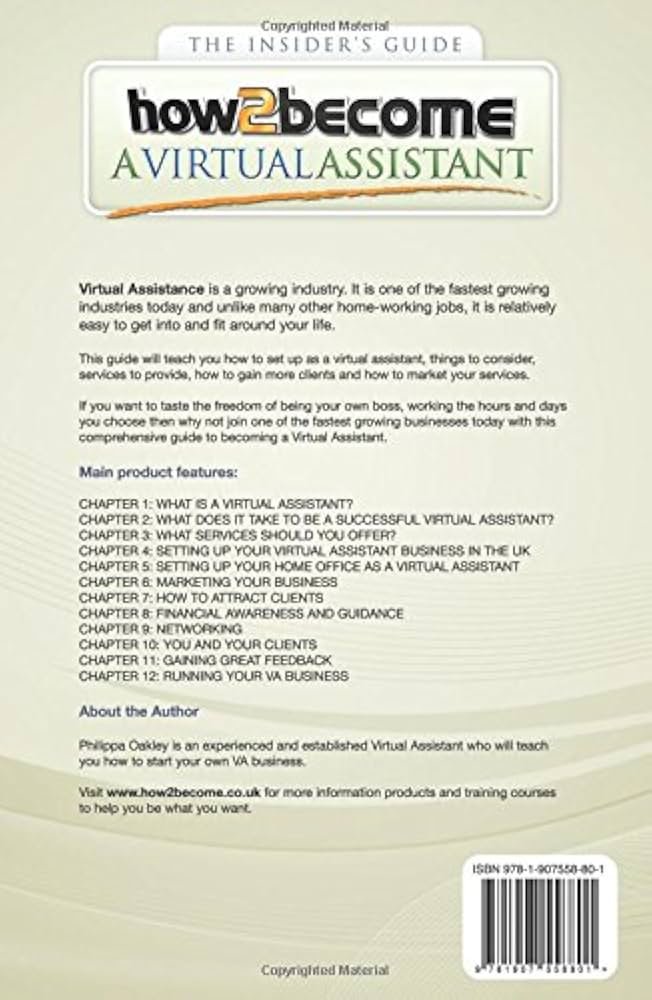

You become a virtual assistant by mastering core skills, choosing a niche, and landing clients.
If you want a flexible career with real income and growth, this is for you. I have helped dozens of new VAs go from zero to booked. In this How to Become a Virtual Assistant (Beginner to Expert Guide), you will learn simple steps, proven systems, and mistakes to avoid. Follow along, apply the tools, and build a business you control.
What a Virtual Assistant Does
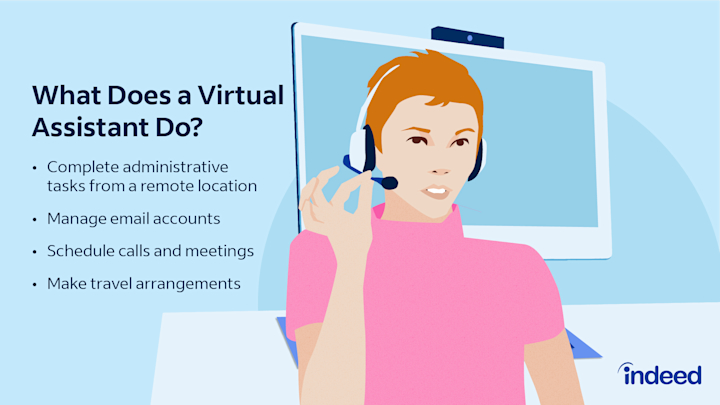
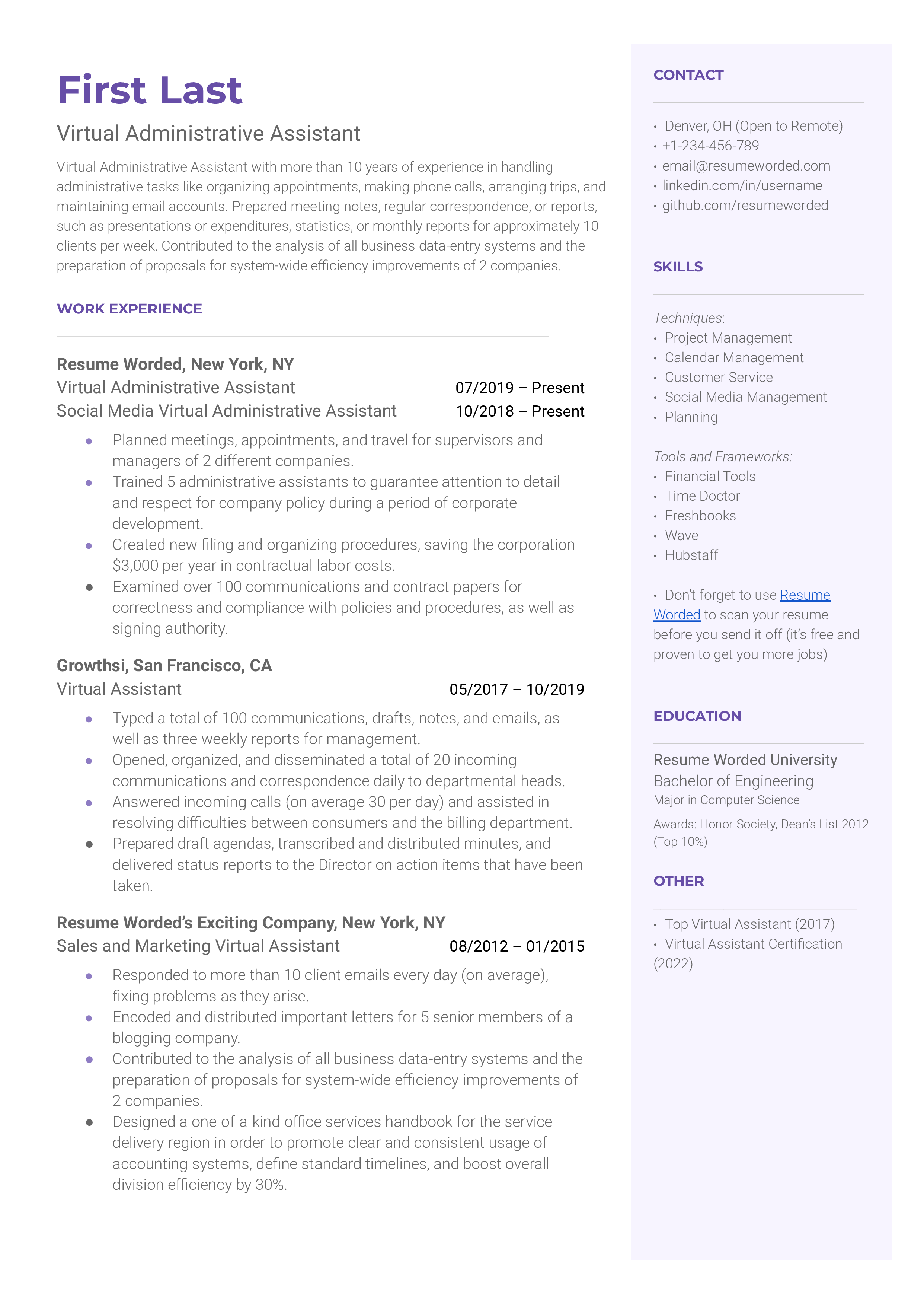
A virtual assistant supports clients remotely. You help with admin, content, operations, or customer service. You can be general or highly specialized.
Most beginners start with simple tasks. Think inbox, calendar, research, data entry, and social posts. Experts often run systems, manage teams, or own a niche like podcasting or eCommerce.
This guide shows how to become a virtual assistant from the ground up. It also shows how to grow to expert services step by step.

Skills You Need To Start
You do not need a degree. You do need core skills. These transfer across most services.
- Communication: Write clear emails and updates. Ask direct questions. Confirm next steps.
- Organization: Use task boards and calendars. Keep files tidy. Track deadlines.
- Tech basics: Learn Google Workspace or Microsoft 365. Use Zoom, Slack, and project tools.
- Writing and editing: Keep it simple. Proofread. Match the client’s tone.
- Time and priority: Set time blocks. Tackle the critical tasks first.
- Problem solving: When stuck, suggest options. Be calm and precise.
If you are working on how to become a virtual assistant, build these first. Then layer on advanced skills.
Step-by-Step: How to Become a Virtual Assistant
Start simple. Move fast. Learn by doing. Here is a clean plan that works.
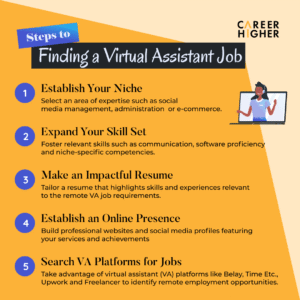
- Define your niche and offer: Choose 1–3 core services. Keep them tight. Examples include inbox management, social scheduling, or CRM cleanup.
- Pick your tools: Choose a project tool, a calendar tool, and a file tool. Keep one stack at first.
- Set your rates: Start with a fair hourly rate. Use packages as you gain proof. More on pricing below.
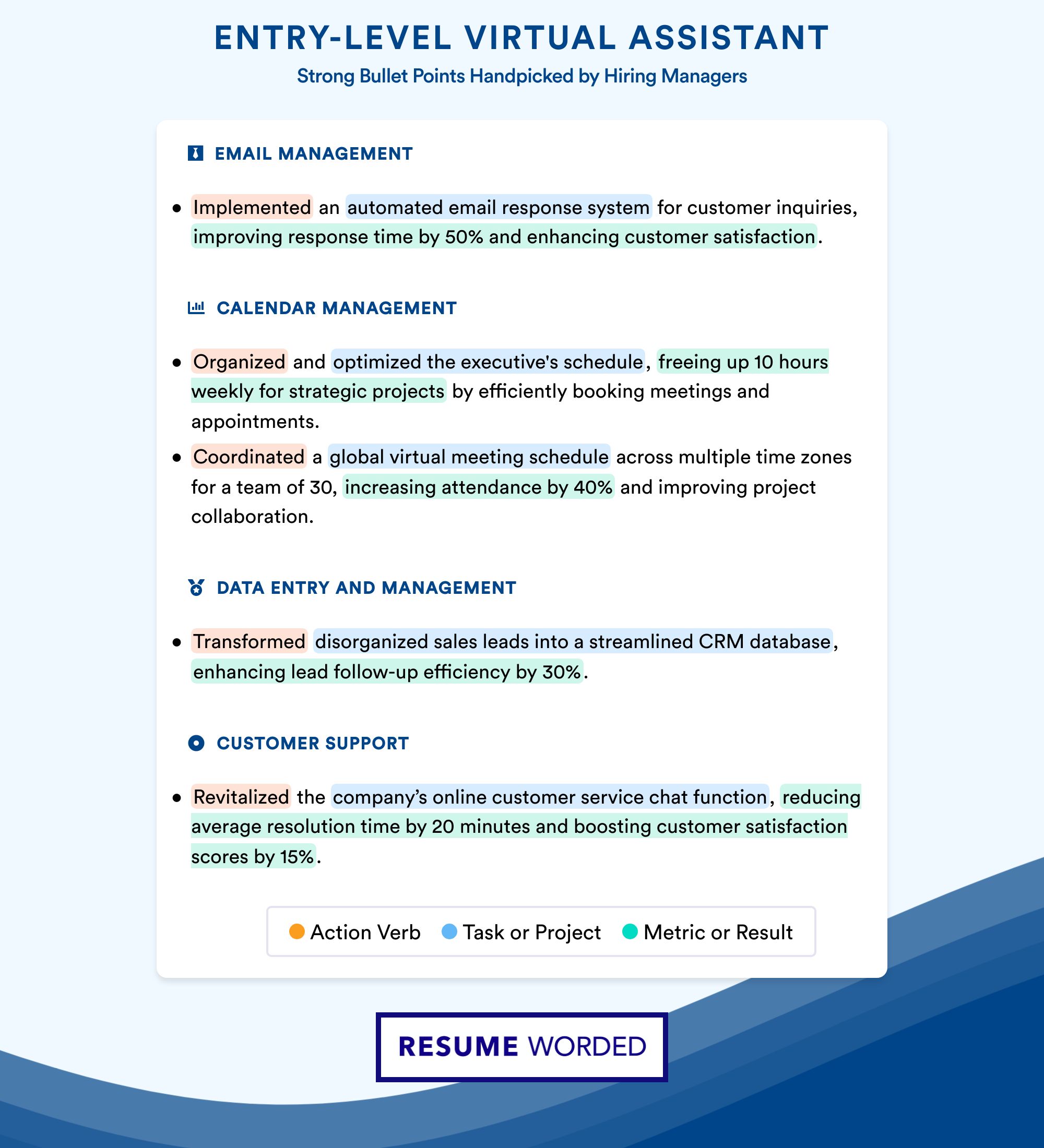
- Build a lean portfolio: Create 3 short samples. Show before-and-after or a simple process.
- Create your one-page site or profile: Include services, results, rates range, and a clear call to action.
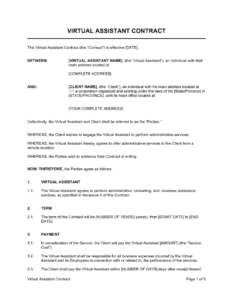
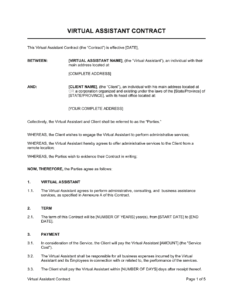
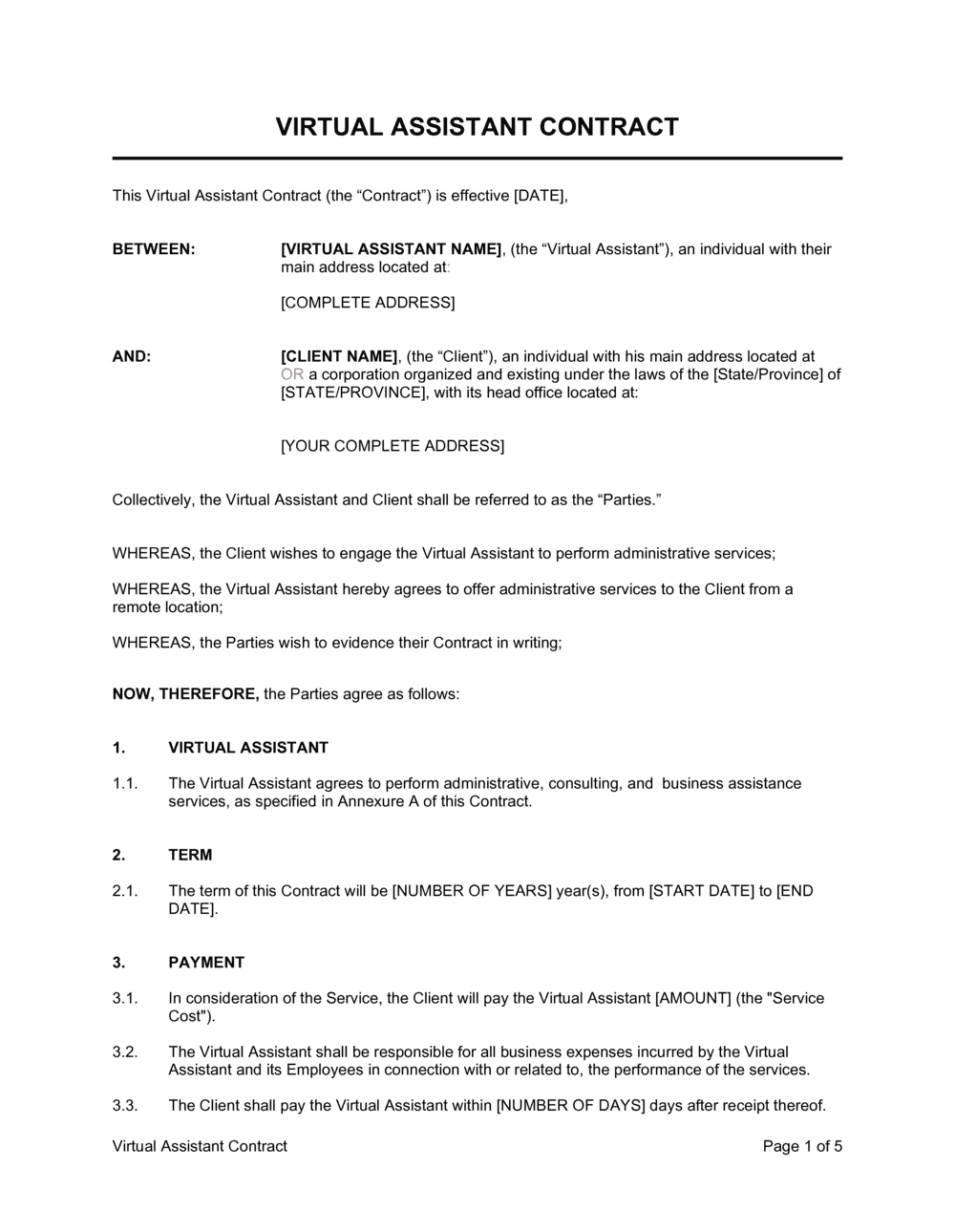
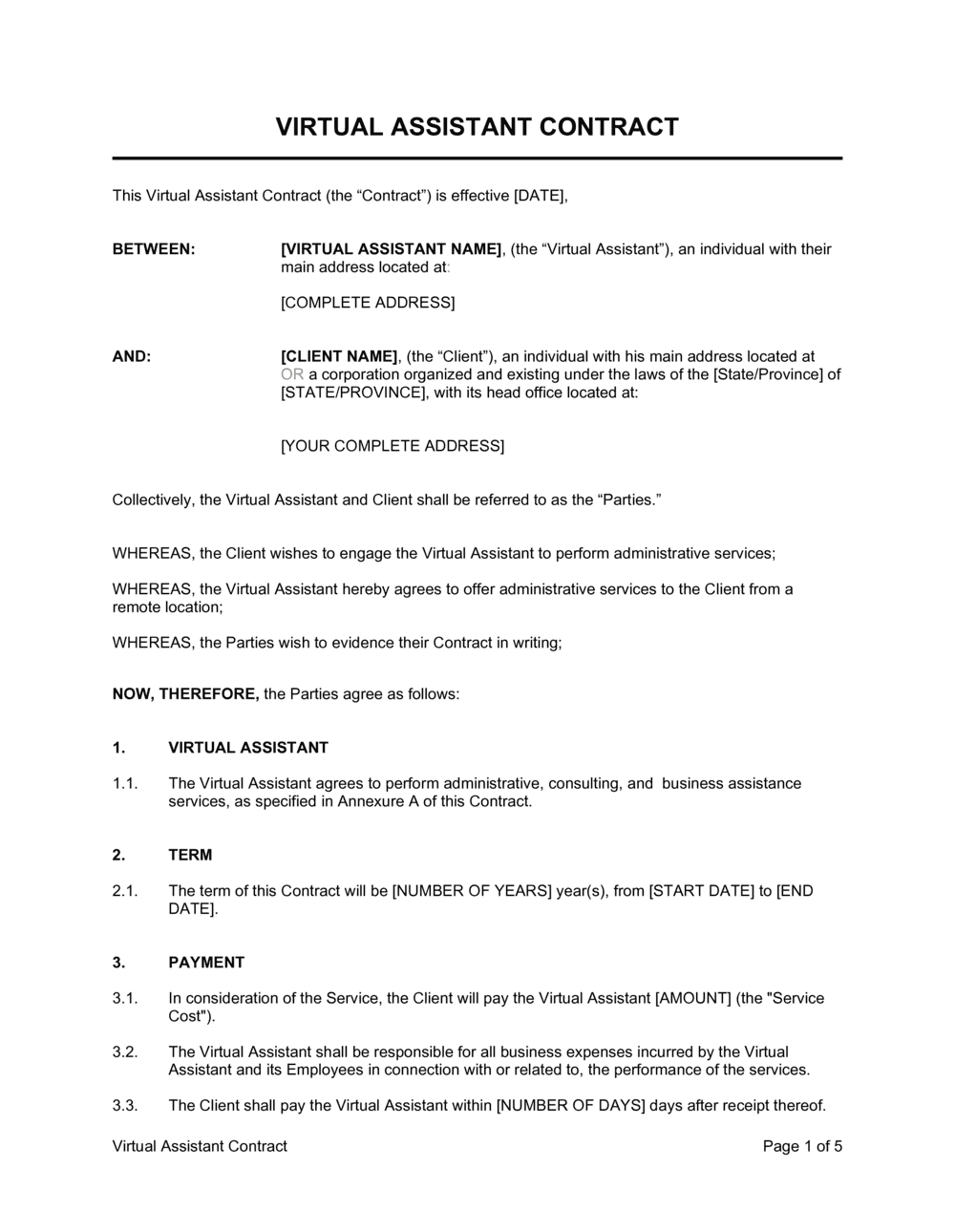
- Prepare your proposal and contract: Use a template with scope, timeline, and boundaries.
- Set up onboarding: Build a checklist for logins, brand info, and success metrics.
- Start outreach: Send 10 personalized messages per day. Focus on how you will help now.
- Join platforms and groups: Use freelance sites, job boards, and niche communities.
- Land a trial: Offer a small paid test. Deliver fast and ask for feedback.
- Get testimonials: Ask happy clients for 2–3 lines. Add them to your site.
- Systemize and improve: Create SOPs for repeat tasks. Track time. Refine your packages.
If you wonder how to become a virtual assistant with no experience, start with small tasks and a low-friction trial. Momentum beats perfection.

Choosing Your Services and Pricing
Start with services you can deliver today. Add higher-value offers later. A simple stack can win work fast.
Common beginner services:
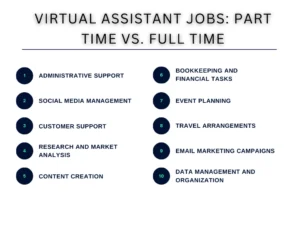
- Inbox and calendar management: Triage emails. Book calls. Prep notes.
- Research and data entry: Build lists. Clean spreadsheets. Verify data.
- Social media assistance: Schedule posts. Moderate comments. Basic graphics.
- Customer support: Reply to tickets. Update FAQs. Tag feedback.
Popular intermediate to expert services:
- Operations and automation: Set up ClickUp or Asana. Build workflows. Automate tasks.
- Content systems: Draft posts. Create SOPs. Repurpose content.
- eCommerce support: Manage listings. Track orders. Update product data.
- Podcast or YouTube support: Edit, publish, and track performance.
Pricing options:
- Hourly: Simple to start. Good for early projects.
- Packages: Fixed scope and price. Easy to sell and scale.
- Retainers: A set number of hours or tasks per month.
Many new VAs start at $20–$30 per hour. Rates often rise to $35–$60 with proof and a niche. When you present how to become a virtual assistant to a client, show clear outcomes and a scope. That reduces risk and fear.
Build Your Brand and Portfolio
You do not need a fancy brand to start. You need trust. Keep it clean and clear.
- One-page website or profile: Show your offer, proof, and next step.
- Simple samples: Three mini case studies. Show the process and the result.
- Social presence: Share tips weekly. Post small wins and lessons.
- Authority signals: Testimonials, metrics, and logos (with consent).
When I started, I posted one short tip per day on LinkedIn. That led to my first three clients. Share what you learn as you learn it. This helps people see how to become a virtual assistant who takes action and solves problems.

Tools and Tech Stack
Use tools that are easy to learn and trusted by clients. Keep the stack lean.
- Communication: Gmail, Outlook, Slack, Zoom
- Project management: Trello, Asana, ClickUp
- Docs and files: Google Drive, Dropbox, Notion
- Scheduling: Google Calendar, Calendly
- Creation: Canva, Loom, basic video editors
- Automation: Zapier, Make
- Finance: Wave, QuickBooks, Stripe, PayPal
- Passwords: 1Password, LastPass
Record short Loom videos for updates. Clients love quick context. It speeds decisions and builds trust.
Find and Land Clients
Clients are everywhere. You need a process and a script.
Where to look:
- Niche communities: Join groups for coaches, creators, or eCommerce founders.
- Freelance platforms: Search daily for fresh posts. Reply fast.
- Job boards and newsletters: Filter by remote or contract roles.
- Partnerships: Team up with web designers or marketers. Offer back-office help.
How to pitch:
- Subject: One outcome you will deliver this week.
- Body: One-line intro. One example. One call to action.
- Close: Suggest a 15-minute call. Offer a small paid trial.
Follow-up plan:
- Day 2: Share one quick idea or sample.
- Day 5: Check in with a useful link or mini audit.
- Day 10: Final follow-up with a simple yes or no.
I landed a long-term client after three short follow-ups. I shared a 60-second Loom audit. They replied the same day. If you ask how to become a virtual assistant with steady work, the answer is consistent outreach.
Deliver Great Work and Scale
Delivery is your growth engine. Happy clients refer and expand scope.
Onboarding:
- Gather access with a secure link. Confirm scope and success metrics.
- Set a weekly update rhythm. Keep messages short and clear.
Execution:
- Track time and tasks. Share progress often.
- Flag risks early. Suggest options and pick a path.
Quality control:
- Use checklists for repeat work.
- Record SOPs. Update them as you learn.
Scaling:
- Raise rates as demand grows.
- Add packages for outcomes, not hours.
- Subcontract simple tasks when you are full.
One of my first wins came from building a simple inbox SOP. It cut reply time by 70%. That case study made it easy to sell a retainer. This is how to become a virtual assistant who scales without chaos.
Legal, Taxes, and Money Management
Keep it simple and compliant from day one.
- Business setup: Use a sole proprietorship to start. Consider an LLC as you grow.
- Contracts: Always use a contract. Include scope, timeline, payment, and boundaries.
- Payments: Take deposits. Use invoices with due dates. Add late fees if needed.
- Taxes: Set aside a percentage for taxes each payment. Track expenses.
- Insurance: Consider liability coverage as your revenue grows.
Many VAs set aside 25–30% for taxes. This removes stress. If you are learning how to become a virtual assistant the right way, protect your cash and your time.
Common Mistakes and How to Avoid Them
I made most of these. You do not have to.
- Scope creep: Fix it by using clear deliverables and change requests.
- Underpricing: Raise prices on new projects first. Add packages fast.
- No niche: Pick a lane. Buyers choose experts, not generalists.
- Weak onboarding: Use a checklist and kickoff call to align goals.
- Poor updates: Send short weekly updates with wins, blockers, and next steps.
If you feel stuck on how to become a virtual assistant, check this list. Fix one issue per week. Small changes compound.
Career Paths: From Beginner to Expert
Your path can evolve with your skills and interests.
Beginner phase:
- General admin, research, social scheduling
- Goal: Gain proof and testimonials
Intermediate phase:
- Operations, content systems, CRM, eCommerce support
- Goal: Packages and retainers
Expert phase:
- Online business manager (OBM), project manager, systems strategist
- Goal: Premium retainers, selective clients
Advanced paths:
- Agency: Hire and train VAs. Build SOPs and QA.
- Consulting: Audit and design systems. Hand-off to client teams.
- Courses and templates: Sell your SOPs and checklists.
This is the long view on how to become a virtual assistant who grows into a leader, not just a task doer.
Frequently Asked Questions of How to Become a Virtual Assistant (Beginner to Expert Guide)
How long does it take to become a virtual assistant?
You can land a first client in 2–6 weeks with focus. Build skills, create samples, and send daily outreach.
Do I need certifications to start?
No. Clients care more about results. Short courses help, but proof beats certificates.
How much can a beginner VA earn?
Many beginners start at $20–$30 per hour. With a niche and strong proof, rates often rise to $35–$60.
What services are best for beginners?
Start with inbox, calendar, research, and social scheduling. These are easy to learn and in steady demand.
How do I get clients with no experience?
Create simple samples and offer a paid trial. Send targeted pitches and follow up with short Loom videos.
Is full-time VA work realistic?
Yes. With retainers and systems, you can reach full-time income. Many VAs mix two to four steady clients.
What if I am not very tech-savvy?
Start with simple tools and repeatable tasks. Learn one new tool each week and record your process.
Conclusion
You now have the steps, tools, and scripts to start strong. Pick a niche, package your skills, and send daily outreach. Use clear systems to deliver great work and grow.
Set a 30-day goal today. Build three samples, pitch 10 prospects a day, and land a paid trial. If this How to Become a Virtual Assistant (Beginner to Expert Guide) helped, subscribe for more playbooks or leave a comment with your next step.

Sofia Grant is a business efficiency expert with over a decade of experience in digital strategy and affiliate marketing. She helps entrepreneurs scale through automation, smart tools, and data-driven growth tactics. At TaskVive, Sofia focuses on turning complex systems into simple, actionable insights that drive real results.