
Are you ready to showcase your skills and attract more clients? Creating a strong VA portfolio is your key to standing out in a crowded market.
Your portfolio isn’t just a list of tasks you’ve done—it’s a powerful tool that tells your story, highlights your strengths, and builds trust with potential clients. You’ll discover simple, step-by-step tips to create a VA portfolio that grabs attention and opens doors to new opportunities.
Keep reading, and watch your freelance career take off!
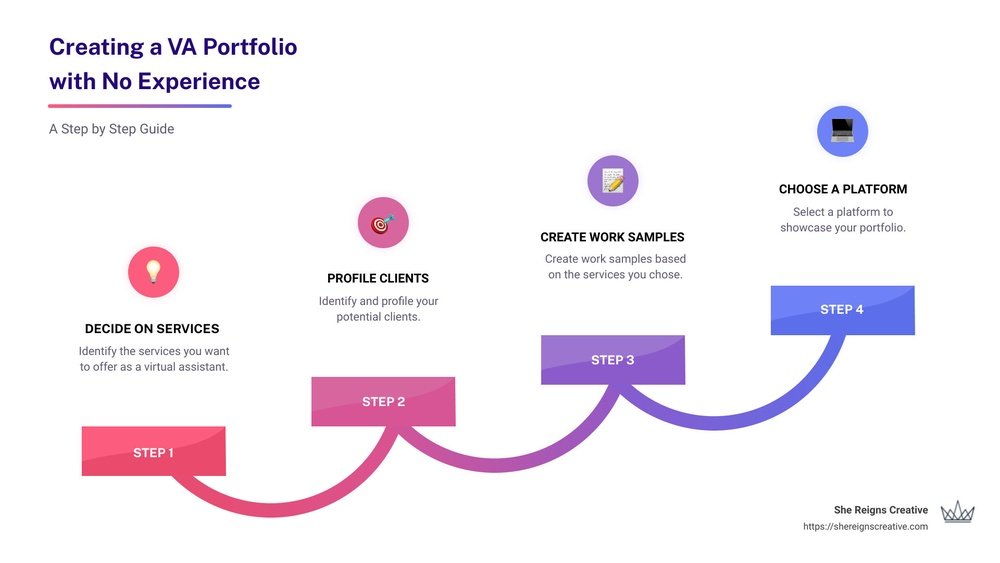
Choosing Your Niche
Choosing your niche is the first step in creating a strong VA portfolio. Picking the right niche helps you show your best skills. It also makes you more attractive to clients. A clear niche guides your work and builds your reputation.
Focus on a niche that fits what you like and what you do well. This focus makes your portfolio stand out. Clients prefer specialists over generalists. It saves them time and gives confidence in your work.
Assessing Your Skills
Look at your current skills and experiences. Which tasks do you do best? Make a list of these skills. Include both hard skills like typing or software use, and soft skills like communication.
Think about what you enjoy doing. Enjoyment helps keep you motivated. It also shows in the quality of your work. Focus on skills that match your interests.
Identifying Market Demand
Check what clients need in the VA market. Search job sites and freelance platforms. See which skills and services are requested most.
Pick a niche that has steady demand. Avoid areas with few job offers. This choice increases your chances of finding clients fast.

Credit: www.youtube.com
Selecting Portfolio Platforms
Choosing the right platform to showcase your VA portfolio is very important. It affects how clients see your skills and work. The platform should be easy to use and match your style. It also needs to help you stand out from others. Many options exist, each with its own benefits. Below are some good platforms to consider for your VA portfolio.
Website Builders
Website builders let you create your own website without coding. They offer templates made for portfolios. You can add your work samples, biography, and contact details. These platforms give full control over design and content. Popular builders include Wix, Squarespace, and Weebly. They often have drag-and-drop tools, which makes building simple. A personal website looks professional and builds trust with clients.
Freelance Marketplaces
Freelance marketplaces connect you directly with clients. Sites like Upwork, Fiverr, and Freelancer allow you to create a portfolio. You can show your skills and past projects there. These platforms also offer client reviews and ratings. This helps new clients trust your work. Marketplaces bring more visibility and job offers. They are a good choice if you want to start quickly.
Social Media Options
Social media platforms can also act as portfolio spaces. LinkedIn is a top choice for professional work. You can list your services, upload samples, and get endorsements. Instagram and Facebook let you share visual content. These platforms help you connect with potential clients. Regular updates keep your profile active and interesting. Social media is free and easy to manage.
Crafting Your Profile
Creating a strong profile is the first step in building your VA portfolio. It shows your potential clients who you are and what you can do. A clear, well-organized profile helps you stand out. It builds trust and makes clients want to work with you.
Writing A Compelling Bio
Your bio is your chance to introduce yourself. Write it in a friendly and professional tone. Start with who you are and your experience. Keep sentences short and easy to understand. Focus on what makes you a good VA. Mention your work style and your goals. End with a sentence about how you help clients succeed.
Highlighting Key Skills
List your main skills clearly. Use bullet points for easy reading. Include skills like email management, data entry, or social media support. Be honest about your strengths. Show skills that match the jobs you want. This helps clients see your value quickly.
Including Professional Photos
Choose a clear, simple photo. Dress neatly and use good lighting. A friendly smile can make a good impression. Avoid busy backgrounds or selfies. A professional photo helps clients trust you more. It adds a personal touch to your profile.

Credit: shereignscreative.com
Showcasing Your Work
Showing your work clearly is key in a VA portfolio. It helps visitors see your skills and what you can do. Your samples and proof of success make your profile strong. Choose projects and feedback that best show your abilities. This builds trust and interest quickly.
Choosing Sample Projects
Pick projects that match the services you offer. Show different types of tasks to prove your range. Include recent work that looks professional and clean. Quality beats quantity. Use visuals or descriptions that explain your role. Focus on results you helped achieve.
Using Case Studies
Case studies tell a story about your work. Start with the problem your client faced. Describe the actions you took to solve it. End with the positive results of your efforts. Keep it short and clear. This helps clients understand how you work.
Incorporating Client Testimonials
Testimonials add real voices to your portfolio. Ask clients for short, honest feedback about your work. Use their exact words to keep it genuine. Place testimonials near related projects to connect proof with examples. Positive reviews increase your credibility and attract clients.
Optimizing For Visibility
Creating a virtual assistant (VA) portfolio is just the first step. Making sure people find it is the next. Optimizing your portfolio for visibility helps potential clients see your skills and work. It improves your chances of getting hired. This section covers simple ways to boost your portfolio’s online presence.
Seo Tips For Portfolios
SEO means making your portfolio easy to find on search engines like Google. Use clear titles and descriptions for each page or project. Include your name and the term “virtual assistant” in key spots. Avoid stuffing too many keywords. Keep your text natural and easy to read.
Use headings to organize content. This helps search engines understand your portfolio better. Make sure your website loads fast. Slow sites lose visitors and rank lower. Add alt text to images describing what they show. This improves accessibility and search ranking.
Leveraging Keywords
Keywords are words people type to find services. Think about what clients might search for, such as “virtual assistant for small business” or “email management VA.” Use these words in your portfolio’s titles, descriptions, and content.
Place keywords naturally. Overuse can hurt your ranking. Focus on a few important keywords. Use them in your bio and project descriptions. This helps your portfolio appear in relevant searches.
Using Analytics To Track Performance
Analytics tools show how visitors interact with your portfolio. They reveal which pages get the most views and how long people stay. Use free tools like Google Analytics to track this data.
Check which keywords bring visitors. Notice if users leave quickly or explore more. Use this information to improve your portfolio. Change content that does not attract or keep visitors. Analytics helps you make your portfolio more effective over time.

Credit: www.youtube.com
Maintaining And Updating
Maintaining and updating your VA portfolio keeps it fresh and relevant. A current portfolio shows your growth and skills clearly. Clients trust profiles that reflect recent work and abilities. Regular updates help you stay competitive in the virtual assistant market.
Regular Content Refresh
Update your portfolio content often. Remove old projects that no longer represent your skills. Replace them with recent and better examples. Check for spelling and grammar errors every time. A clean and polished portfolio attracts more clients.
Adding New Skills And Projects
Show new skills you learn. Add recent projects that display these abilities. Describe each project briefly and clearly. Use simple language to explain your role and results. This helps clients understand what you can do for them.
Seeking Feedback And Improvements
Ask friends or mentors to review your portfolio. Use their advice to improve layout and content. Feedback helps find mistakes you might miss. Make changes that make your portfolio easier to read. A well-reviewed portfolio stands out to clients.
Promoting Your Portfolio
Promoting your virtual assistant (VA) portfolio is key to gaining clients. A strong portfolio alone is not enough. You need to show it to the right people. Use different methods to get your work noticed. Focus on building relationships and sharing your skills clearly. Below are effective ways to promote your portfolio.
Networking Strategies
Connect with people in your industry. Join online groups and forums where potential clients gather. Attend virtual events and webinars to meet others. Share your portfolio link when appropriate. Build trust by offering helpful advice and support. Networking grows your visibility and opens doors to new opportunities.
Utilizing Email Marketing
Create a simple email list of contacts interested in your services. Send regular updates about your skills and recent projects. Keep emails short and focused on value. Include a clear link to your portfolio. Personalized emails feel more genuine. This approach keeps your portfolio fresh in people’s minds.
Engaging On Social Media
Choose platforms popular with your target clients. Post examples of your work and client testimonials. Use clear, easy language to describe your services. Interact with followers by replying to comments and questions. Consistent activity builds trust and attracts attention to your portfolio. Social media helps you reach a wider audience quickly.
Frequently Asked Questions
What Is A Va Portfolio And Why Is It Important?
A VA portfolio showcases your skills and experience as a virtual assistant. It helps attract clients and build trust. A strong portfolio highlights your expertise, services, and successful projects, making you stand out in a competitive market.
How Do I Start Creating A Va Portfolio?
Begin by listing your key skills, services, and past work. Use a clean, professional layout. Include client testimonials and relevant certifications. Focus on clarity and showcasing results to impress potential clients effectively.
What Should I Include In My Va Portfolio?
Include your skills, services, work samples, client testimonials, and contact details. Highlight projects that demonstrate your expertise. Use clear descriptions and visuals to make your portfolio engaging and easy to navigate.
Can I Use Free Tools To Build A Va Portfolio?
Yes, free platforms like Canva, WordPress, and Wix offer easy templates. They allow you to create professional-looking portfolios without coding skills. Choose a platform that suits your style and update it regularly.
Conclusion
Creating a VA portfolio takes time and effort. Show your best work clearly and simply. Add your skills and past projects. Keep your layout clean and easy to read. Update your portfolio regularly to stay current. A strong portfolio helps clients trust your work.
It opens doors to new opportunities. Start building your VA portfolio today and watch it grow.

Sofia Grant is a business efficiency expert with over a decade of experience in digital strategy and affiliate marketing. She helps entrepreneurs scale through automation, smart tools, and data-driven growth tactics. At TaskVive, Sofia focuses on turning complex systems into simple, actionable insights that drive real results.