⚠️ Disclosure: This post contains affiliate links. We may earn a commission at no extra cost to you.
⚠️ Disclosure: This post contains affiliate links. We may earn a commission at no extra cost to you.

You're drowning in email, your calendar is chaos, and you wonder how to manage virtual assistants remotely without spending all day managing them. Most guides give you a generic checklist, but that approach fails the moment your VA's role doesn't match your workflow. The real secret isn't a single trick.
It's matching your management style to three variables: what you need done, who you hired, and where they work.
If you treat a routine, high-volume task the same way you would a complex, judgment-heavy project, you'll waste money and lose patience fast. Per NIST workforce management research, successful distributed teams align their supervision method with task ambiguity and worker experience. So let's skip the fluff and build a plan that actually fits your situation.
Most online guides offer the same five tips: communicate clearly, set expectations, use the right tools, and trust your team. That's fine advice for a perfect world where every virtual assistant handles the same tasks in the same time zone with the same skill level. But that world doesn't exist.
When you follow a one-size-fits-all playbook, you end up micromanaging a senior editor or neglecting a beginner who genuinely needs guardrails. The result is frustration on both sides. You waste hours on repetitive corrections while your VA feels set up to fail.
The core problem is that generic advice ignores your specific situation. It assumes task complexity is low and communication is always easy. In reality, delegating your CRM data entry requires a completely different management style than handing someone over to draft your sales emails.
As we explore in our guide for entrepreneurs, matching your leadership approach to the actual work prevents burnout and boosts output.
Successful remote management isn't about controlling hours. It's about designing a system where the right person gets clear direction for the right type of task. Once you see those variables, you can choose a path instead of guessing.
Before you pick a tool or set a check-in schedule, take ten minutes to map three things. Your answers determine everything else.
Start by listing your top five recurring tasks. Rate each as either Routine (High-Volume) or Ambiguous (Judgment-Heavy). Routine tasks have clear steps and a correct or incorrect outcome, like data entry or invoice filing.
Ambiguous tasks require taste, strategy, or interpretation, like drafting a brand voice memo or vetting a new software tool.
Next, honestly rate your VA. Are they a Novice who needs hand-holding, or a Seasoned Professional who thrives with autonomy? A novice isn't a bad hire.
They just need a different support structure than a pro.
Finally, calculate your realistic overlap window. If you're in New York and your VA is in Manila, do you have two hours of shared waking time? Or is overlap zero?
This number dictates whether synchronous calls are even possible or if you must commit fully to async workflows.
| Variable | Scenario A | Scenario B | Management Implication |
|---|---|---|---|
| Task Type | Routine Data Entry | Ambiguous Content Strategy | Scenario A needs less supervision than B |
| VA Level | Novice Hire | Seasoned Expert | Scenario A requires more QA checks than B |
| Overlap | Zero-Hour Difference | Four-Hour Window | Scenario A forces pure async; Scenario B allows hybrid sync |
If you find yourself in a Scenario B/A mix, don't panic. That's just your signal that you need a hybrid approach. We'll get there shortly.
For now, write down your ratings. They are the foundation for every decision you make next.
Now that you've mapped your variables, pick a management style. There aren't many options, and each serves a specific purpose. Using the wrong one is the fastest way to erode trust.
This is the gold standard for seasoned professionals handling ambiguous tasks. You define the goal and the success criteria, then step back. You don't care how long it takes or what tools they use.
You only evaluate the final deliverable. This builds massive autonomy and lets experts do their best work.
This is necessary for novices handling routine tasks, or when starting a new relationship. You provide detailed instructions, templates, and frequent checkpoints. Think of it as a training wheels phase.
The moment competence is proven, you should gradually remove these crutches.
Most real-world teams live here. You use outcome-based management for most tasks but switch to step-by-step oversight for anything high-stakes or completely new. You decide which lane a task falls into before you assign it.

Ask yourself: "Does my VA know exactly what 'done' looks like for this task?" If yes, go outcome-based. If no, or if a mistake would cost serious money, add more oversight. This simple question prevents you from accidentally abandoning a beginner or micromanaging a pro.
A management style is just philosophy until you build the infrastructure to support it. Your systems need to reduce friction, not add to it. The goal is to make it easy for your VA to succeed without you constantly hovering.
Standard Operating Procedures are non-negotiable for remote teams. They prevent the "repeat question cycle" that kills productivity. But don't just write them once.
Use a tool like Notion or a shared drive where updates are version-controlled. When a process changes, the documentation must change immediately. This creates a single source of truth that replaces constant clarification requests.
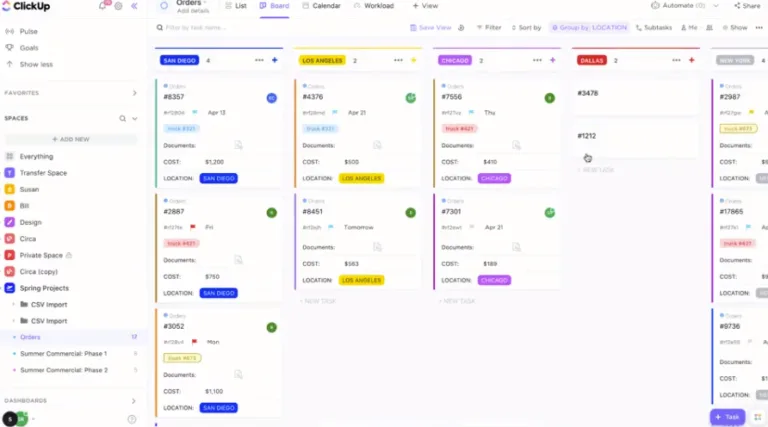
Don't just pick the trending app. If your VA handles simple, linear tasks, Trello or Asana might be enough. If work involves many dependencies and shifting priorities, ClickUp or Monday.com offers better structure.
One core platform keeps everyone aligned. We often recommend reviewing dedicated resources on time tracking tools to complement your task manager.
Stop running Slack, Email, and Zoom interchangeably. Assign roles to each channel.
If your VA works overnight, you need a clean handoff routine. Require a 15-minute end-of-day log detailing completed items, blocked progress, and next steps. This allows you to walk into a productive morning instead of playing detective with last night's work.
These systems create the "rails" that keep your virtual team on track regardless of time zones. They also free up your mental energy. Instead of constantly checking in, you're just reviewing outputs against established criteria.
Even with great systems, human habits trip us up. These four mistakes are incredibly common and entirely preventable if you watch for them.
Just because your VA isn't replying instantly doesn't mean they aren't working. Constant status checking breeds anxiety and signals distrust. Evaluate based on output quality and deadline adherence, not online presence.
"We need to fix the website" is a recipe for failure. Specificity saves time. Use the format: "Action verb + Target object + Success metric." For example: "Optimize the header images on the landing page so they load in under two seconds on mobile."
Downloading five different apps because each VA prefers one will fracture your workflow. Pick one primary suite and train your team on it. Complexity is the enemy of consistency.
Remote work lacks body language. Assuming your VA understands your tone is dangerous. Schedule bi-weekly or monthly retrospectives to discuss what's working and what's frustrating.
Make it a two-way conversation, not a lecture.
If you feel like you're falling behind, remember that building a strong remote team takes practice. Understanding the landscape of online jobs for beginners can help you appreciate the diverse skills your hires bring, making you a more empathetic leader.
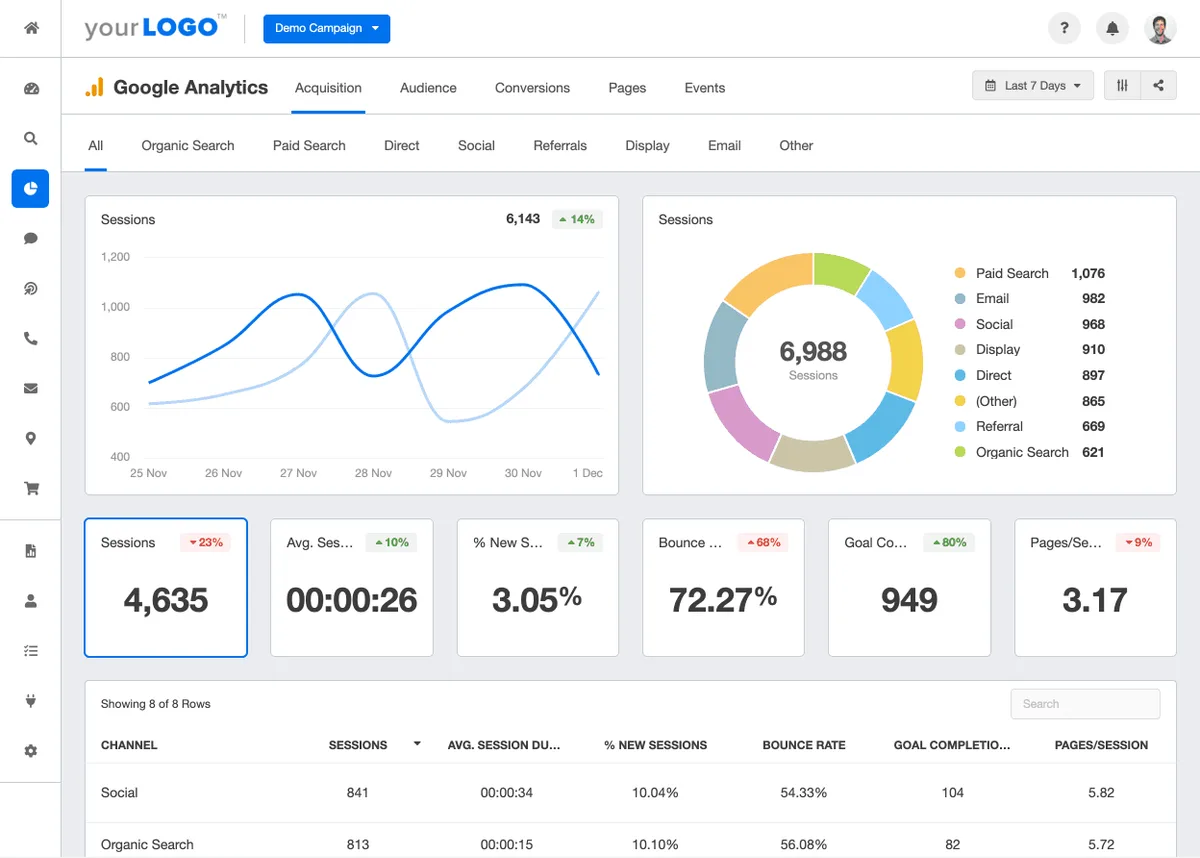
To know if your remote management is working, you need data, not vibes. Tracking the right metrics helps you spot bottlenecks early and prove the value of outsourcing. Focus on these four indicators monthly.
What percentage of assigned tasks are finished on time and without major revisions? A rate above 90 percent usually indicates clear communication and good fit. Dropping below 75 percent screams a process problem.
Count how many times a task had to be redone due to errors or misalignment. High revision counts suggest your SOPs are unclear or your instructions are vague. Aim for a downward trend over time.
When a VA hits a roadblock, how long does it take to get unstuck? Slow response times kill momentum. This metric highlights gaps in your availability or unclear escalation paths.
Calculate your total VA spend divided by the measurable units of work produced. This could be hours saved, articles published, or leads contacted. Compare this against your hourly value or market rates.
A positive ROI validates the hire.
Reviewing these numbers quarterly gives you an honest health check. It separates genuine progress from the illusion of busyness. If your metrics look healthy, consider how you might expand those skills online to take on even more complex projects next quarter.
Your VA relationship will evolve. Knowing when to push forward, adjust course, or part ways is a critical skill. Here's how to read the signs.
When you see consistent 90 percent task completion, low revision rates, and your VA proactively suggesting improvements, it's time to scale. Add more complex tasks gradually. Increase their responsibility by 10 to 20 percent every few weeks until you hit their natural ceiling.
This prevents sudden overwhelm and gives both of you time to adjust.
Sometimes the match isn't right, but the VA is excellent. Maybe they're brilliant at content creation but struggle with calendar management. Or perhaps their time zone makes real-time collaboration impossible for new project types.
In those cases, pivot. Move them to a different role, hire someone else for the missing skill, or adjust your workflow to play to their strengths instead of fighting against them.
Certain patterns demand honest conversations or clean breakups. Chronic missed deadlines without communication, repeated same mistakes after correction, vague progress updates, defensive reactions to feedback, and declining quality over time are serious warning signs. If you've addressed these directly and nothing changes after 30 days, it's time to move on gracefully.
Learn about job search platforms can help you find better matches if needed.
Never fire a VA cold turkey if possible. Give notice, document everything currently in progress, and schedule overlap time if you hire a replacement. Extract institutional knowledge while you still have access.
Create handoff documents that capture ongoing projects, key contacts, and recurring processes. This protects your business continuity and leaves the door open for future collaboration if circumstances change.
Remember that managing remote teams effectively requires continuous learning and adaptation. Exploring resources like free skill development courses can help you grow alongside your virtual team.
Most founders handle three to five VAs comfortably before management overhead becomes unsustainable. Beyond that number, you need middle management structure or specialized coordination systems. Start small with one reliable VA, then add more as your processes stabilize and your communication capacity grows.
Quality always beats quantity in remote teams.
Zero overlap doesn't mean zero communication. Build your entire workflow around async-first principles with written documentation, recorded video updates, and structured handoff logs. Reserve any synchronous meetings for critical moments like onboarding or quarterly reviews.
Respect off-hours boundaries strictly to prevent burnout on both sides. Asymmetric schedules actually force better documentation habits that benefit everyone long-term.
Focus on deliverables unless you're managing novice VAs on complex, uncertain tasks. Time tracking often creates anxiety and encourages presenteeism over actual productivity. Outcome-based management builds trust and attracts experienced professionals who prefer autonomy.
Consider hybrid approaches where you track time only during initial training phases, then transition to output evaluation once competence is proven. Review top-rated trackers if your situation demands visibility.
Daily standups are unnecessary for most stable workflows. Weekly syncs work well for ongoing projects, while bi-weekly or monthly reviews suit established routines. Match your cadence to task complexity and VA experience level.
Novice hires may need twice-weekly check-ins initially. Seasoned professionals often prefer monthly touchpoints. Always let your VA initiate additional contact when blockers arise rather than policing their schedule constantly.
Watch for missed deadlines without communication, repeated same mistakes after correction, vague progress updates, defensive reactions to feedback, and declining quality over time. These patterns usually indicate a skills mismatch, poor cultural fit, or unclear expectations rather than laziness. Address each flag directly with specific examples before making judgment calls.
Document everything in writing if termination becomes necessary for legal protection and smooth transitions.
Require signed NDAs before granting any system access. Use role-based permissions that limit data exposure to only what each VA needs. Never share master passwords or admin credentials through unencrypted channels.
Prefer password managers with sharing features over email. Implement basic cybersecurity hygiene like two-factor authentication and regular security training. Explore credential management options designed for secure remote collaboration.
Yes, but plan carefully for knowledge transfer losses. Agencies maintain backup systems; freelancers don't. Before switching, request complete documentation of all active projects, login credentials, and process notes.
Budget extra onboarding time for the new arrangement since you lose institutional relationships built through the agency. Test independence with a single small project first before transferring your entire workload.













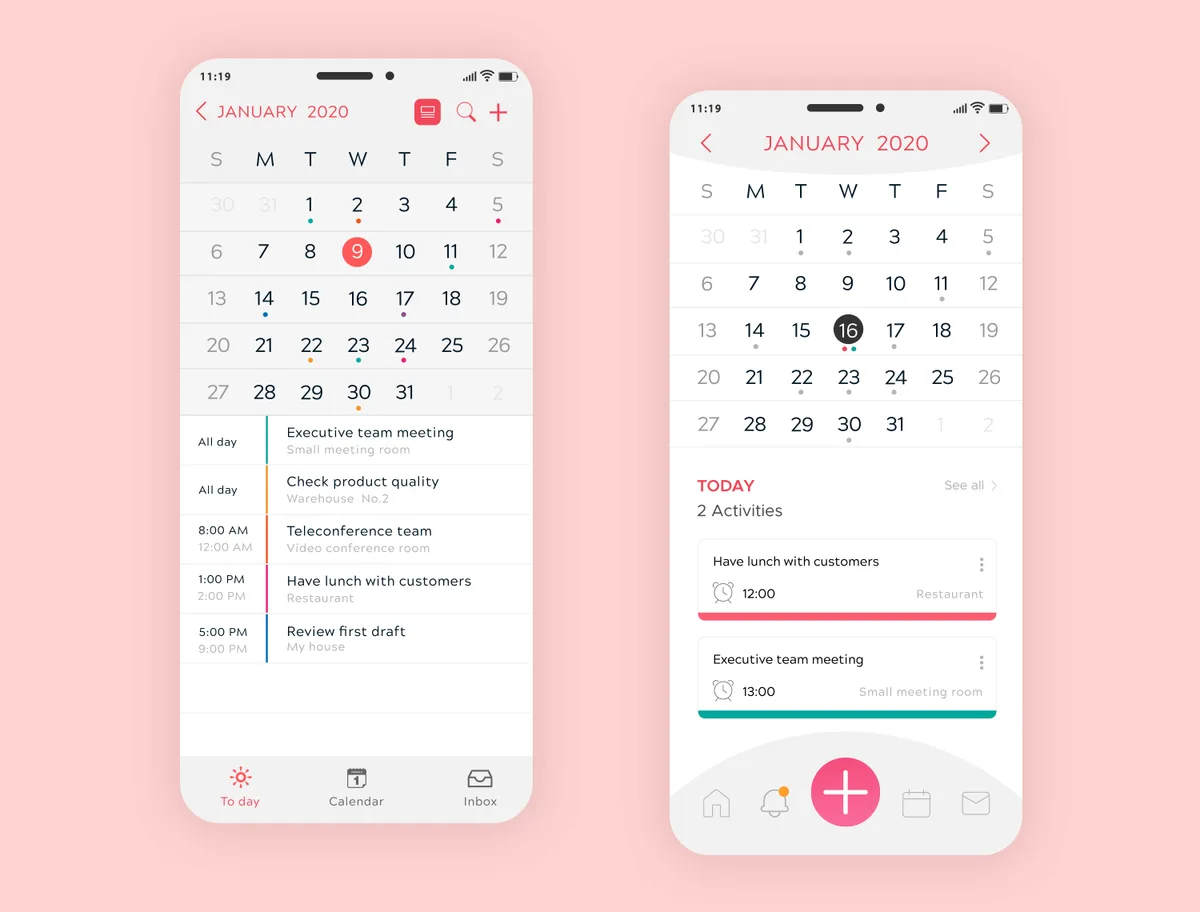
You’re staring at a few ways to get your calendar under control that look almost identical on the surface. A virtual assistant for calendar management might be…
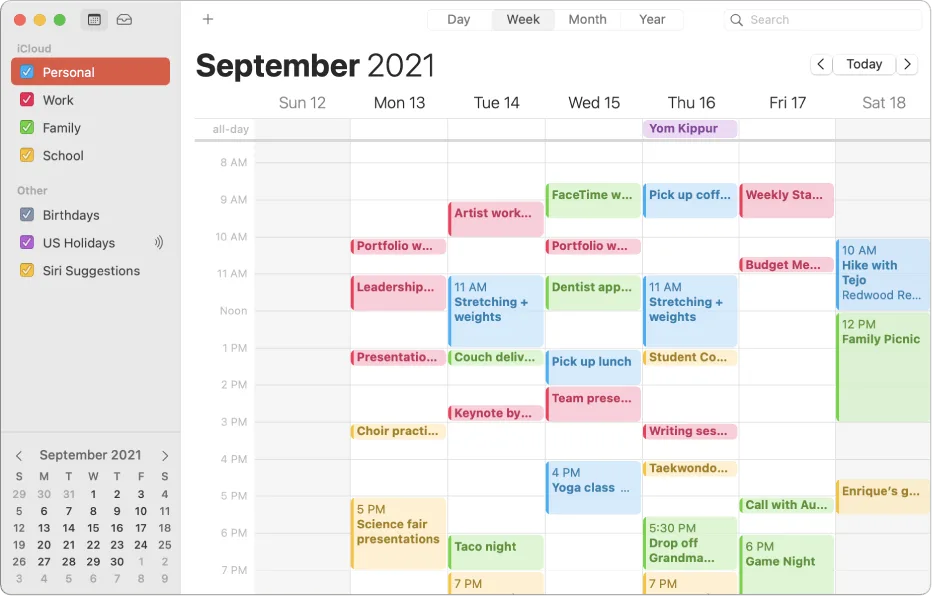
You’ve got meetings spilling across time zones, and a full inbox of scheduling requests you can’t keep up with. Virtual assistant calendar management services…

Booking meetings gets messy fast, and a virtual assistant for scheduling appointments can fix that if you pick the right type. Most people confuse a human…