⚠️ Disclosure: This post contains affiliate links. We may earn a commission at no extra cost to you.
⚠️ Disclosure: This post contains affiliate links. We may earn a commission at no extra cost to you.

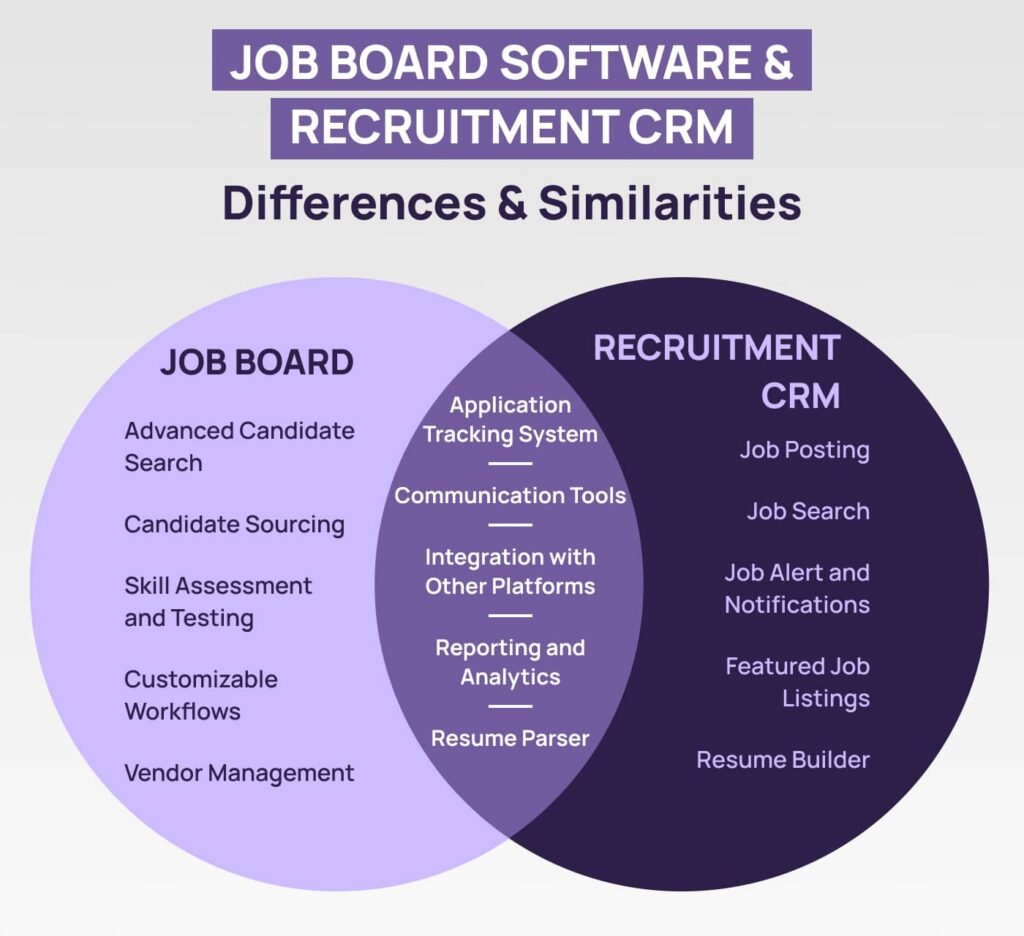
Sorting through dozens of job search platforms to find the right fit for your career goals can feel overwhelming, especially as the market evolves. As of 2026, the average job seeker uses 3 or more platforms to maximize their opportunities, but wading through duplicate listings, scam postings, and irrelevant roles wastes hours each week. This comprehensive comparison breaks down the core features, pricing, use cases, and real-world trade-offs of the top job search platforms, so you can skip the guesswork and find the tool that aligns with your unique career needs—whether you’re hunting for a remote full-time role, a niche tech position, or an executive leadership opportunity.
 Side-by-side view of top job search platforms, highlighting their unique interface designs
Credit: jobcopilot.com
Side-by-side view of top job search platforms, highlighting their unique interface designs
Credit: jobcopilot.com
The right job search platform does more than just list open roles—it cuts down on wasted time, reduces your risk of applying to fraudulent postings, and connects you with opportunities that align with your skills and goals. A mismatched platform, by contrast, can leave you scrolling through hundreds of irrelevant listings or falling victim to job scams that target unsuspecting seekers. As noted by the National Association of Colleges and Employers (NACE), combining targeted platform searches with professional networking is one of the most effective strategies for reducing time-to-hire and landing qualified interviews. In 2026, top platforms have also integrated AI-powered matching, enhanced scam screening, and real-time salary data to make the search process more efficient than ever before.
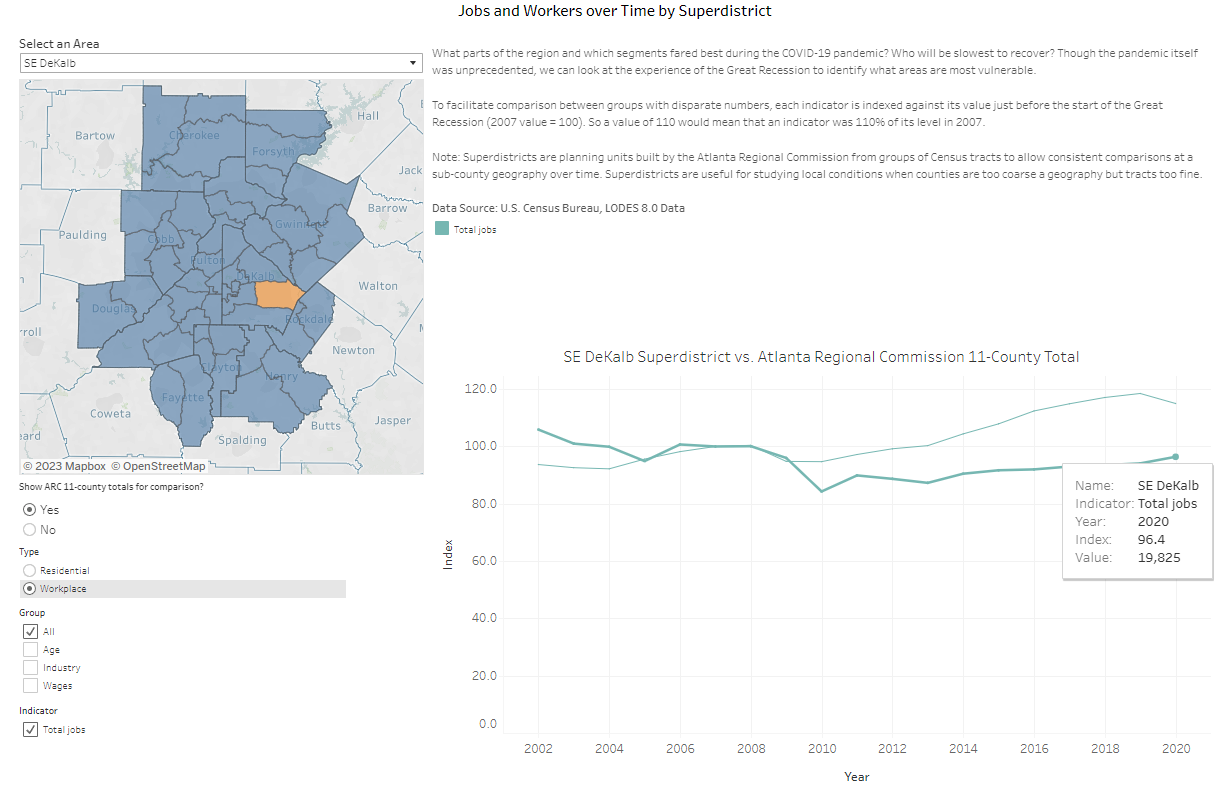 Atlanta Regional Commission labor market data showing job growth trends across industries through 2026
Credit: 33n.atlantaregional.com
Atlanta Regional Commission labor market data showing job growth trends across industries through 2026
Credit: 33n.atlantaregional.com
Not all platforms are built equal, and the features that matter most will vary based on your career stage and goals. That said, every reliable job search platform in 2026 should offer the following core functionality to support an efficient, low-friction search:
A user-friendly interface is non-negotiable for job seekers applying on the go. Look for platforms with intuitive navigation, clear job listing previews, and mobile apps that support offline resume saving, one-click apply, and customizable alerts. A common mistake many job seekers make is choosing a platform with a clunky mobile interface, which slows down application speed and leads to missed opportunities for time-sensitive postings.
Generic search filters are no longer sufficient for narrowing down relevant roles. Top 2026 platforms include filters for remote/hybrid/in-person work models, visa sponsorship availability, salary transparency ranges, equity inclusion, company size (startup vs. enterprise), and industry-specific tags. These filters cut out irrelevant listings in seconds, so you don’t have to manually scroll through hundreds of roles that don’t match your requirements.
AI-driven recommendation tools analyze your resume, past application outcomes, skill gaps, and search history to suggest roles where you’re a strong fit. In practice, these tools can reduce the time you spend searching for relevant roles by nearly half, but it’s important to curate suggestions manually to avoid algorithmic bias—especially if you’re switching careers, as algorithms may prioritize roles in your previous field by default.
Access to current employee reviews and accurate salary benchmarks helps you avoid toxic workplaces and negotiate competitive offers. The U.S. Federal Trade Commission (FTC) reports that fake job postings are one of the top consumer scams targeting job seekers, with remote roles being disproportionately targeted, making verified company insights a non-negotiable for flexible work seekers. Look for platforms that flag outdated reviews and adjust salary data for location, years of experience, and industry to ensure accuracy.
Application tracking tools keep your job search organized by letting you monitor application statuses, set follow-up reminders, store important documents, and auto-fill repetitive application fields. These tools cut down on administrative work and ensure you never miss a follow-up with a recruiter. For a walkthrough of how to use these tools effectively, check out this Application Tracking Tool Demo.
Below, we break down the most popular job search platforms, their unique strengths and weaknesses, and the types of job seekers they serve best. Use the comparison table to quickly scan options, then read the detailed breakdowns for deeper insights.
| Platform | Core Specialization | Key Pros | Key Cons | Ideal User |
|---|---|---|---|---|
| Professional networking + general job search | 1B+ user base, direct recruiter outreach, skill endorsements, AI resume feedback | High competition for entry-level roles, algorithm prioritizes active users | All job seekers, especially mid-career professionals and networkers | |
| Indeed | Aggregated general job listings | Largest global job database, free to use, company review integration | High volume of duplicate/scam postings, no advanced niche filters | Entry-level job seekers, those exploring multiple industries |
| Glassdoor | Company research + salary data | Verified employee reviews, salary transparency reports, interview question databases | Limited job listing volume compared to Indeed/LinkedIn | Job seekers prioritizing company culture and compensation |
| FlexJobs | Verified remote & flexible roles | 100% scam-screened listings, ad-free experience, curated remote/hybrid roles | Paid subscription required for full access, limited in-person roles | Remote job seekers, freelancers, caregivers seeking flexible work |
| Dice | Tech & STEM industry roles | Niche tech job listings, salary calculator for tech roles, employer vetting | Limited to tech/STEM fields, fewer non-technical roles | Tech professionals, engineers, data scientists, cybersecurity experts |
| Upwork | Freelance & contract work | Project-based pay, global client base, escrow payment protection | High competition for new freelancers, platform fees on earnings | Freelancers, independent contractors, gig workers |
| The Ladders | Executive & high-salary roles ($100k+) | Curated C-suite and senior leadership listings, resume review for senior roles | Paid subscription required, limited entry-level roles | Experienced professionals, executives, senior managers |
With over 1 billion users worldwide, LinkedIn is the only platform that combines general job listings, professional networking, skill endorsements, and career development resources in one free tool. As of 2026, its AI-powered "Job Match" tool analyzes your profile to flag roles where you’re a top candidate, and its customizable "Open to Work" badge (which can be hidden from your current employer) increases visibility to recruiters for active job seekers. LinkedIn also integrates with LinkedIn Learning, so you can upskill directly on the platform to improve your candidacy. A common mistake users make is leaving their profiles incomplete or outdated, which reduces the accuracy of the platform’s AI matching. For best results, update your profile with new skills, achievements, and target role keywords every 2-3 weeks. Best for: All job seekers, especially mid-career professionals looking to expand their network and access unposted roles via recruiter outreach.
Indeed aggregates job listings from company career pages, staffing agencies, and other job boards to create the largest global job database, with millions of postings across every industry and experience level. Its free "Instant Apply" feature lets you submit applications with one click if you have a resume uploaded, cutting down application time significantly. Indeed also integrates company reviews from Glassdoor, so you can research employers directly on the platform. The biggest downside of Indeed is its high volume of duplicate and scam postings, as the platform does not manually screen all listings. A common mistake is applying to every role that matches your keywords, which leads to low response rates; instead, tailor your resume for each role and use the platform’s enhanced scam detection filters (updated in 2025) to flag fraudulent postings. Best for: Entry-level job seekers, those exploring multiple industries, and users who need access to the highest volume of general job listings.
 Indeed's interface displaying filtered job search results for entry-level roles
Credit: professionalleadershipinstitute.com
Indeed's interface displaying filtered job search results for entry-level roles
Credit: professionalleadershipinstitute.com
Glassdoor is the leading platform for employer research, with over 100 million verified employee reviews, salary reports, and interview question databases from recent applicants. Its "Know Your Worth" tool uses location, experience, and role data to give personalized salary benchmarks, which is invaluable for negotiating competitive offers. Glassdoor also integrates job listings from Indeed and LinkedIn, so you can search for roles and research employers in one place. The biggest limitation of Glassdoor is its smaller volume of job listings compared to Indeed or LinkedIn. A common mistake is relying on outdated reviews to judge a company’s culture; always check the date of reviews to get current insights, as company culture can change rapidly after leadership shifts or mergers. Best for: Job seekers prioritizing workplace culture, competitive compensation, and transparency from potential employers.
FlexJobs is the only major platform that manually screens every job listing to remove ads, scams, unpaid roles, and low-quality postings. Its curated library of remote, hybrid, and flexible roles includes full-time positions with benefits, freelance contracts, and part-time roles for caregivers, digital nomads, and people seeking work-life balance. Subscribers also get access to career coaching, resume reviews, and skill assessments tailored to flexible work. While FlexJobs requires a paid subscription for full access, its ad-free, scam-free experience saves users hours of time sifting through fraudulent postings that are common on free platforms. A common mistake is assuming all remote roles on free platforms are legitimate; FlexJobs’ screening process eliminates the risk of applying to fake postings that request payment for training or equipment. Best for: Remote job seekers, freelancers, caregivers, and anyone seeking flexible work arrangements without the risk of scams.
Dice is the leading job platform for tech, engineering, data science, cybersecurity, and STEM roles, with listings exclusively from vetted tech employers. Its quarterly updated Tech Salary Calculator provides accurate, location-specific salary data for tech roles, which is far more precise than generic salary sites. Dice also offers premium subscribers access to exclusive listings and resume reviews from tech industry recruiters. The biggest limitation of Dice is its narrow focus on tech and STEM roles, so it’s not useful for job seekers in other industries. A common mistake is using generalist platforms for tech roles, which are flooded with non-technical postings and low-quality listings that waste time. Best for: Tech professionals, engineers, data scientists, cybersecurity experts, and other STEM workers.
Upwork is the largest platform for freelance and contract work, with millions of projects posted by clients ranging from small businesses to Fortune 500 companies. Its escrow payment protection system ensures freelancers get paid for completed work, and its "Top Rated" badge for high-performing freelancers leads to significantly more client inquiries. Upwork also offers free skill tests to help freelancers prove their expertise to potential clients. The biggest downside of Upwork is high competition for new freelancers, as established freelancers with strong reviews often win the majority of projects. A common mistake is underbidding on projects to win work, which leads to burnout and low client retention; instead, price your services based on your skill level and market rates to attract high-quality clients. Best for: Freelancers, independent contractors, gig workers, and anyone seeking project-based, flexible work.
The Ladders is the leading platform for executive and high-salary roles, with a curated library of positions paying $100,000 or more, including C-suite, senior leadership, and specialized expert roles. All listings are vetted to ensure they match the seniority level of the platform’s user base, so you won’t waste time applying to mid or entry-level roles. Subscribers also get access to executive resume reviews from former Fortune 500 recruiters, which are tailored to highlight leadership impact and strategic achievements for senior roles. The Ladders requires a paid subscription for full access, and its limited volume of listings means it’s not suitable for entry or mid-level job seekers. A common mistake is applying to executive roles on generalist platforms, where your resume will be lost among thousands of lower-level applications. Best for: Experienced professionals, executives, senior managers, and anyone seeking leadership roles with six-figure salaries.
Most job search platforms use a freemium model, with basic features available for free and advanced tools locked behind paid subscriptions. Niche platforms for remote work, tech roles, and executive positions often require paid subscriptions for full access, as these platforms invest in manual screening and curated listings to reduce low-quality postings.
Free platforms (LinkedIn, Indeed, Glassdoor) offer no-cost access to job listings, basic search filters, and company reviews, but they have higher volumes of duplicate and scam postings, less advanced AI matching, and more competition for popular roles. Paid platforms (FlexJobs, Dice Premium, The Ladders) offer curated, high-quality listings, advanced filters, and supplementary tools like resume reviews and salary benchmarks, but require a monthly or annual subscription fee. In practice, paid platforms are worth the cost for job seekers with specific needs: remote job seekers save hours of time sifting through scams on free platforms, tech professionals get access to niche listings that don’t appear on generalist sites, and executives get curated high-salary roles that are not posted on free platforms.
Legitimate paid platforms charge for access to curated listings, advanced tools, and supplementary resources—never for the ability to apply to jobs. Avoid any platform that guarantees job placements, as these are almost always scams. Always read user reviews and check the platform’s refund policy before committing to a paid subscription.
To help you set realistic expectations, we’ve compiled common user feedback on the top platforms, along with proven strategies to mitigate their downsides.
In practice, remote job seekers consistently report higher interview rates on FlexJobs due to its curated, scam-free listings, while tech professionals find Dice’s niche focus eliminates the need to sift through irrelevant non-tech roles. Executives report that The Ladders’ curated listings save them hours each week compared to searching on generalist platforms, as they no longer have to filter out mid and entry-level roles that do not match their seniority.
There is no one-size-fits-all job search platform, and the best choice depends on your career stage, industry, and top priorities. Use the guide below to pick the right platform (or combination of platforms) for your needs:
Recommended platforms: Indeed + LinkedIn Action steps: Set "entry-level" and "no experience required" filters on Indeed to cut out mid and senior-level roles; turn on LinkedIn's "Open to Work" badge for entry-level positions to signal availability to recruiters; join 2-3 industry-specific LinkedIn groups to connect with peers and learn about unposted entry-level openings. Indeed's vast database has the highest volume of entry-level postings, while LinkedIn's networking helps you bypass ATS filters with employee referrals.
Recommended platforms: LinkedIn + Glassdoor Action steps: Optimize your LinkedIn profile with specific, quantifiable achievements and keywords from your target roles to improve AI matching; use Glassdoor's "Know Your Worth" tool to get personalized salary benchmarks for your role and location before negotiating offers; use Glassdoor's recent interview question databases to prepare for interviews. This combination ensures you find roles aligned with your experience level and avoid toxic workplaces.
Recommended platforms: The Ladders + LinkedIn Action steps: Use The Ladders' curated executive listings to avoid sifting through entry and mid-level roles on generalist platforms; take advantage of their executive resume review service, run by former Fortune 500 recruiters, to highlight leadership achievements and strategic impact; use LinkedIn to connect with C-suite professionals at target companies to learn about unposted leadership openings. The Ladders' vetting process ensures all listings match your seniority level, saving you hours of time.
Recommended platforms: FlexJobs + Upwork Action steps: Use FlexJobs for full-time remote/hybrid roles with benefits, as their manual screening process eliminates the risk of scam postings that are common on free platforms; use Upwork for freelance and contract work if you want flexible hours and project-based pay. FlexJobs' curated listings include remote roles with health insurance and retirement benefits, which are rare on free platforms.
Recommended platforms: Niche industry platforms + LinkedIn For tech roles, use Dice; for healthcare roles, use Health eCareers; for creative roles, use Mediabistro; for finance roles, use eFinancialCareers. Action steps: Use the niche platform for targeted, industry-specific listings that are filtered out on generalist platforms; use LinkedIn to join industry-specific groups and connect with thought leaders to learn about unposted openings. Niche platforms have higher quality listings because they're curated for your specific skill set, reducing the time you spend sifting through irrelevant roles.
LinkedIn is the best all-around option for most job seekers, as it combines general job listings, professional networking, skill endorsements, and AI-powered job matching in one free platform. For users prioritizing scam-free remote roles, FlexJobs is the top choice, despite its paid subscription.
It depends on your needs. For remote job seekers, freelancers, or niche industry professionals, paid platforms like FlexJobs, Dice Premium, or The Ladders are worth the cost because they save hours of time sifting through irrelevant or fraudulent listings, and offer curated roles that align with your specific goals. For general job seekers, free platforms like LinkedIn and Indeed are sufficient if you use advanced filters and verify listings manually.
Use platforms with built-in AI scam detection (LinkedIn and Indeed added enhanced scam filters in 2025), never pay for equipment or training as part of a job offer, verify the company's official website and LinkedIn page before applying, and avoid postings with vague job descriptions, unrealistic salary promises, or requests for personal financial information. The FTC also recommends never sharing sensitive personal information like bank account numbers or social security numbers until you have verified the employer is legitimate.
Yes, and most career experts recommend using 2-3 platforms aligned with your goals to maximize exposure. For example, a remote tech professional might use Dice for niche tech listings, FlexJobs for scam-free remote full-time roles, and LinkedIn for networking and referrals. Just be sure to track your applications across all platforms to avoid duplicate submissions.
Most platforms allow you to control your privacy settings. On LinkedIn, you can hide your profile from your current employer, and choose to only share your resume with employers you apply to. Always review the platform's privacy policy before uploading sensitive personal information.
There is no "best" job search platform for every job seeker—only the best platform for your unique goals, industry, and career stage. To narrow down your options, start by listing your top 3 priorities (e.g., remote work, tech roles, six-figure salary) and test 2-3 platforms that align with those priorities for one week. Stick with the platforms that deliver the most relevant listings and save you the most time, and don’t be afraid to use multiple platforms in tandem to maximize your exposure.
Ready to streamline your search? Start by optimizing your LinkedIn profile for AI-powered job matching, or sign up for a free trial of FlexJobs to browse verified remote roles with no ads, scams, or junk postings.

Sofia Grant is a business efficiency expert with over a decade of experience in digital strategy and affiliate marketing. She helps entrepreneurs scale through automation, smart tools, and data-driven growth tactics. At TaskVive, Sofia focuses on turning complex systems into simple, actionable insights that drive real results.














 You’ve got three calls backtoback and zero mental bandwidth…
 Image source: Web (Bing) / kimostore.net (Web image (fairuse with source credit)) You…
Thinking about how to use a virtual assistant for small business can feel overwhelming when you already wear every hat in your company. The truth is, hiring…