

Market your online course by defining your audience, clear value, and consistent multi-channel promotion.
I have launched and marketed multiple online courses for different niches. I wrote this guide to walk you through step-by-step how to market an online course with proven tactics, practical tips, and simple tools. Read on to get clear strategies you can apply today, whether you sell your first course or scale a portfolio.
Understand the market and your learner
Knowing how to market an online course starts with knowing who will buy it. Research your audience. Ask what they already know, what blocks them, and what outcome they want.
Use simple research methods. Run short surveys. Talk to potential students in forums and social groups. Validate demand before you build offers.
Map pains to promised outcomes. When you can say exactly who benefits and why, marketing becomes direct and persuasive. This clarity shapes messaging, pricing, and channels.

Define a clear value proposition and niche
How to market an online course depends on a clear promise that separates you from similar courses. Pick a narrow niche and a measurable outcome. Avoid vague claims.
Write a one-line promise that answers who, what, and result. Test that line in ads and posts. If people respond, you have a market fit.
I once shifted a course focus from “marketing basics” to “email funnels for coaches.” Conversions rose because the promise was tight and clear. Narrow beats broad.

Build a conversion-focused landing page
A landing page often drives the first sale. To market an online course, design pages that answer questions fast and reduce friction. Use a clear headline, benefits, social proof, and a straightforward call to action.
Keep copy short and structured. Show a course outline, sample lesson, and testimonials. Add a money-back guarantee and a simple checkout flow.
Test variations. Small headline or CTA changes can boost sign-ups. Use analytics to see where people drop off and fix those points.

Content marketing and SEO for long-term growth
Content fuels organic interest in how to market an online course. Create helpful blog posts, guides, and short videos that solve real problems for your target learner. Focus on search intent and steady publishing.
Use keywords naturally in titles and headings. Publish step-by-step posts that link to your course. Repurpose each blog post into social posts, email snippets, and short videos.
Track what brings traffic and double down. Over time, organic content becomes a reliable lead source and lowers acquisition cost.

Email marketing and lead nurturing
Email is one of the best ways to market an online course. Capture leads with a free mini lesson, checklist, or webinar. Then send a short, helpful sequence that builds trust and shows value.
Use a clear welcome email, two to four value emails, and a final pitch. Keep messages short and personal. Include student stories and quick wins.
Segment your list by interest and engagement. Send targeted offers to warm leads and reminders to those who didn’t finish checkout.

Launch strategies that convert
A launch focuses attention and drives fast sales when you market an online course. Choose a launch style: open cart, evergreen, or cohort-based. Each has pros and cons.
For open-cart launches, build anticipation with content and live events. For evergreen, create automated sequences that mimic a launch. For cohort-based, create scarcity and community hooks.
Run a pilot launch to gather testimonials. Use those early wins in the next launch to scale trust and conversions.

Paid ads and social promotion
Paid ads can speed up growth when you market an online course. Test short campaigns on platforms where your audience spends time. Use clear creative and a single message per ad.
Start with small budgets and test headlines, images, and audiences. Track CPA (cost per acquisition) and ROI. Pause what doesn’t work and scale winners.
Pair ads with native content. Ads work best when your landing page and emails already convert.

Partnerships, affiliates, and influencers
Partnerships expand reach quickly. Invite industry peers to promote your course for a commission. Offer affiliates pre-made creatives and clear tracking links.
Work with micro-influencers who speak to your niche. A genuine endorsement from a trusted voice beats broad ads. Negotiate trial access or co-presented events to boost credibility.
Keep partnerships simple and fair. Clear expectations help both sides perform over time.

Pricing, offers, and payment options
How to market an online course includes smart pricing. Test price points and payment plans. Offer tiered options like basic, bonus, and coaching add-ons.
Use limited-time bonuses to increase urgency. Offer installment plans to lower barriers for higher-priced courses. Track conversion rates by price and adjust.
Be transparent about refunds and guarantees. Trust reduces friction and improves long-term satisfaction.
Community, onboarding, and retention
Retention turns buyers into advocates. Build a simple onboarding that helps new students start fast. Use a welcome video, a clear first task, and a community space.
Active communities increase completion and referrals. Host monthly Q&A calls and offer badges for progress. Keep engagement light and positive.
Satisfied students leave testimonials and refer others. That word-of-mouth is one of the most reliable ways to market an online course.
Measure, iterate, and scale
Measure key metrics when you market an online course. Track traffic, conversion rate, average order value, and churn. Use these numbers to guide changes.
Run small experiments. Change one element at a time. Document results and repeat what works. Scaling is simply repeating proven tactics with more budget.
Stay flexible. Market trends shift and student needs change. Regular reviews keep your course relevant and profitable.
Tools and tech stack recommendations
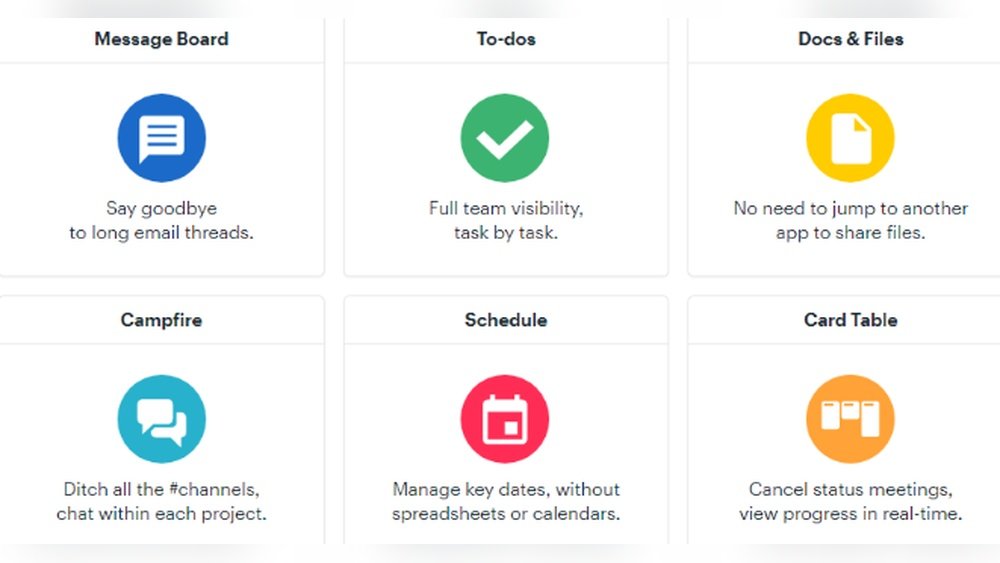
A lean tech stack helps you market an online course without overhead. Choose tools for hosting, email, landing pages, payments, and analytics. Start simple and replace as you grow.
Automations save time. Use simple flows for welcome emails, cart recovery, and onboarding. Keep integrations reliable and monitor for errors.
My rule: pick one tool per function and master it. Too many tools slows you down more than it helps.
Real-life mistakes and lessons learned
I learned how to market an online course by failing first. I launched without testing demand. I spent on ads before the page converted. I later fixed these by validating topics, improving pages, and building organic content first.
Other common mistakes include vague messaging and ignoring email. Fix these early to save budget. Treat each launch like a learning lab.
Be patient. Marketing is a steady craft. Small, consistent improvements add up fast.
Frequently Asked Questions of How to market an online course
How long does it take to market an online course successfully?
Results vary, but expect three to six months for steady organic traction. Paid ads can shorten that but require testing and optimization.
What is the best channel to start with?
Start where your audience already spends time. For many niches that is email plus one social platform like LinkedIn, Instagram, or YouTube.
Should I offer a free course first to market my paid course?
A free mini-course or lead magnet is a strong way to build trust and collect emails. It helps convert a cold audience into warm leads.
How much should I spend on ads to market an online course?
Begin with a small test budget and scale when you see profitable results. Track cost per acquisition and set clear ROI goals.
Is community necessary to market an online course?
A community helps retention and referrals but is not required at first. You can add community features as you grow and need higher lifetime value.
Can I use affiliates to market my online course?
Yes. Affiliates expand reach fast. Provide clear materials, fair commissions, and tracking to make the partnership work.
Conclusion
You can market an online course by focusing on a clear audience, a tight value promise, and consistent promotion across content, email, and paid channels. Test small, learn fast, and improve your funnel step by step. Start with one strong channel, validate demand, and scale what converts.
Take one action today: pick a single marketing channel and run a small test for seven days. Track results and iterate. Share your progress or questions below, subscribe for updates, or explore the resources in this guide to keep learning.

Sofia Grant is a business efficiency expert with over a decade of experience in digital strategy and affiliate marketing. She helps entrepreneurs scale through automation, smart tools, and data-driven growth tactics. At TaskVive, Sofia focuses on turning complex systems into simple, actionable insights that drive real results.