

Scaling a virtual assistant business means moving from solo work to a systemized, team-driven agency with repeatable processes.
I’ve built and scaled virtual assistant teams, handled client churn, and turned one-person operations into multi-six-figure agencies. This guide walks you through how to scale virtual assistant business step by step. You’ll get definitions, clear growth paths, hiring and training frameworks, pricing models, automation tips, real mistakes I made, and metrics to track. Read on to turn your VA side hustle into a reliable, scalable business.

Why scaling matters for virtual assistant businesses
Scaling a virtual assistant business lets you earn more without trading time for dollars. Scale brings stability, higher client capacity, and the chance to serve larger clients with bigger budgets. It changes your role from doer to leader and planner. When you scale, you reduce risk and create value that can be sold or passed on.
Key benefits:
- Predictable revenue with recurring retainers
- Better client outcomes through specialized teams
- Higher valuation if you ever sell
- Reduced burnout by delegating routine tasks
Limitations to consider:
- Growth requires investment in systems and people
- Client expectations rise when you position as an agency
- Early hires can be costly mistakes if not screened well

Source: youtube.com
Clear definitions: what “scale” means for a virtual assistant business
Scaling means growing revenue and capacity while maintaining or improving margins. For virtual assistant businesses, this typically involves:
- Standardizing services into packages or retainers
- Hiring specialized VAs and team leads
- Implementing systems for onboarding, training, and QA
- Automating repetitive tasks and workflows
Scale is not just adding clients. It is building repeatable processes that let your business handle more volume without a proportional increase in overhead.

Source: timeetc.com
Step-by-step roadmap: How to scale virtual assistant business
Follow these practical stages to scale.
- Validate your niche and services
- Choose a target market with repeatable needs, like real estate agents, e-commerce stores, or coaches.
- Package services that solve a specific problem (email management for coaches, product listing + customer support for e-commerce).
- Collect case studies and testimonials.
- Systemize core workflows
- Map client onboarding, task handoff, and quality checks.
- Create simple SOPs (standard operating procedures) for crucial tasks.
- Use templates for proposals, contracts, and reporting.
- Build a team with clear roles
- Hire general VAs first, then specialists (social, operations, sales support).
- Create a team lead role to reduce your managerial load.
- Use trial projects before long-term hire.
- Price for scalability
- Move from hourly to retainer-based packages.
- Offer tiered plans: basic, growth, premium.
- Add value-based services and upsells.
- Invest in tech and automation
- Use a project management tool, CRM, and time-tracking.
- Automate invoicing and client reporting.
- Use templates and automation for client comms.
- Focus on client retention
- Offer regular strategy calls and performance reviews.
- Provide measurable KPIs and monthly reports.
- Create loyalty programs or discounts for long-term work.
- Measure and iterate
- Track CAC (cost to acquire a client), LTV (lifetime value), utilization, and churn.
- Refine based on metrics every 30–90 days.
Real example from my experience:
- I started with three clients as a solo VA. I built one SOP for client onboarding. After hiring a single specialist and moving to monthly retainers, revenue rose 4x in nine months. The marginal cost for that growth was mainly training time and one hiring error I corrected quickly.

Source: youtube.com
Building systems and processes that scale
Systems let you reproduce results without your constant involvement. Focus on these systems first.
Client onboarding system
- Welcome packet with expectations and timelines
- Intake form that gathers access, goals, and KPIs
- Onboarding checklist for the VA handling the account
Task delivery and quality system
- SOP library for recurring tasks
- Checklists and QA steps visible in project tool
- Weekly review notes and client feedback loop
Training and knowledge system
- Video walkthroughs for repeat tasks
- A shared knowledge base and searchable docs
- Regular team training and Q&A sessions
Billing and legal system
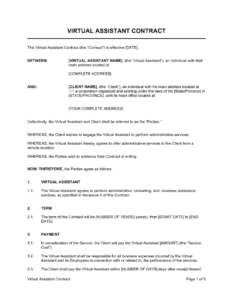
- Standard contracts and NDAs
- Automated invoices and reminders
- Clear refund and change policies
Systems reduce error, speed up training, and let you delegate with confidence.

Source: chicagotheband.com
Hiring, training, and retaining great VAs
Hiring the right people is the hardest part of scaling.
Hiring steps
- Create a clear job description with daily tasks and skills.
- Use short paid trials to evaluate real work output.
- Prioritize communication skills and reliability over perfect skills.
Training blueprint
- Two-week onboarding: shadowing, SOP review, and test tasks.
- Weekly feedback in the first 90 days.
- Pair new hires with mentors or team leads.
Retention tactics
- Pay fairly and on time.
- Offer career paths and skill development.
- Give recognition and small bonuses for high performance.
Common hiring mistakes I made
- Skipping a paid trial led to a bad hire. I now always run short paid tests.
- Not setting clear KPIs created confusion. I now give measurable deliverables each week.

Source: myoutdesk.com
Pricing strategies and client packaging for scale
Hitting scale means changing pricing mindset.
Move away from hourly billing
- Hourly rates cap your income and create a timesheet focus.
- Retainer and package pricing align incentives with results.
Pricing models to consider
- Fixed monthly retainer for a set scope
- Tiered packages: Basic, Pro, Agency
- Value-based pricing for high-impact services
Upsell and cross-sell
- Add specialized services like social content creation or ad management.
- Offer add-on hours or priority support.
- Create a VIP package for rapid response and strategy.
Pricing tip from experience:
- I increased prices by 20% and lost zero clients because the packages were clearer and delivered more perceived value.

Source: relayhumancloud.com
Technology and automation to multiply capacity
Right tools speed operations and reduce errors.
Essential tools
- Project management (task tracking and workflows)
- CRM for leads and client history
- Time-tracking with reporting for utilization
- Shared docs and SOP library
Automation opportunities
- Automate client onboarding emails and checklists
- Use form-to-task automation for incoming client requests
- Automate billing, invoice reminders, and basic reporting
Low-code tools and integrations
- Use simple automation platforms to connect tools
- Build templates and automations for repetitive tasks
Practical example:
- Automating client weekly status emails saved 4 hours per week and improved client satisfaction.
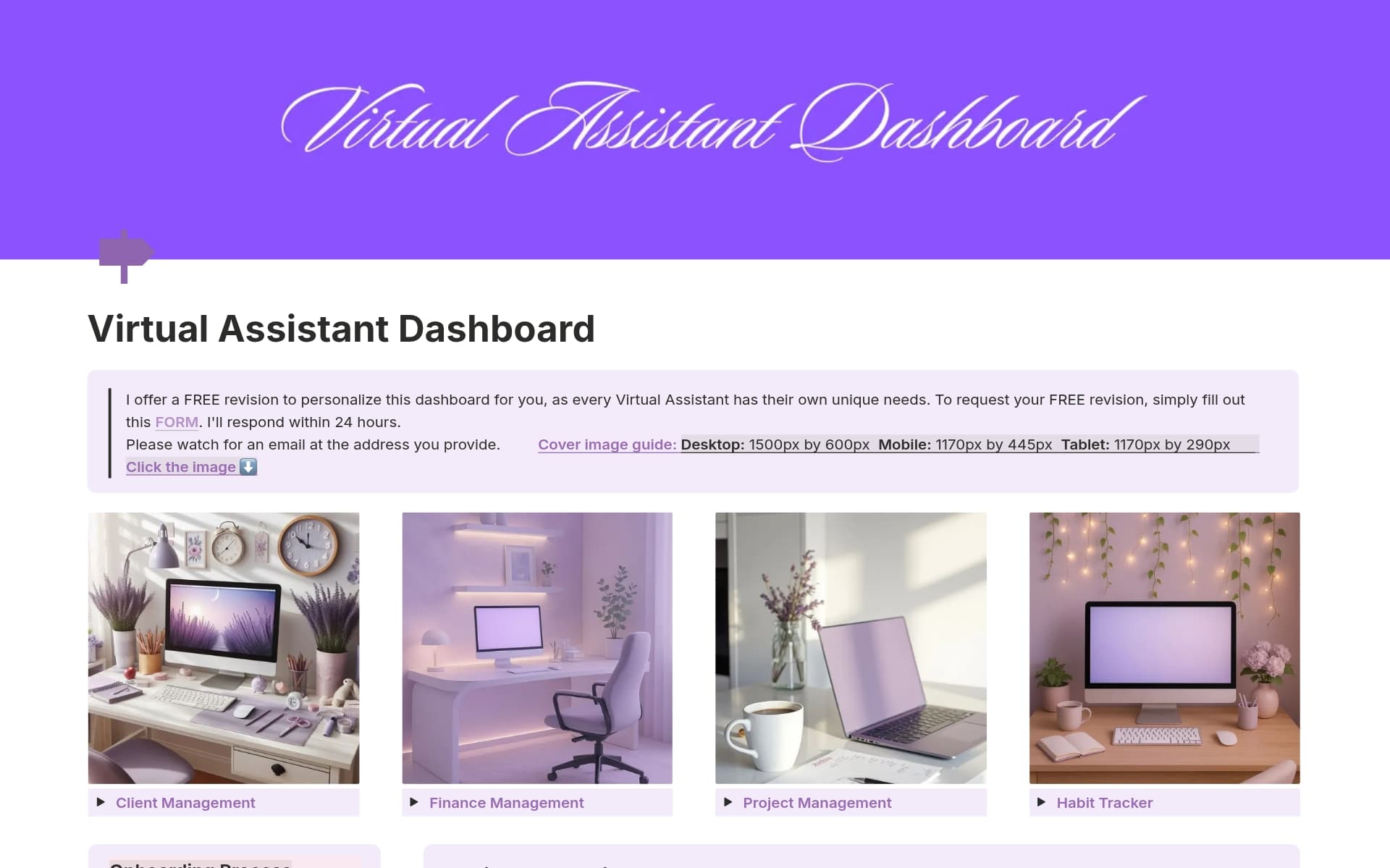
Source: notion.com
Marketing and sales strategies to grow client base
Scaling needs more predictable lead flow and conversions.
Outbound and referral growth
- Ask satisfied clients for referrals and case study permission.
- Use targeted outreach to niches where you have expertise.
Inbound content and authority
- Publish short case studies and how-to posts.
- Use lead magnets and email sequences to nurture leads.
Paid ads and partnerships
- Test small paid campaigns for high-value packages.
- Partner with complementary businesses like web designers and coaches.
Sales process
- Fast discovery calls with clear agendas
- A simple proposal and contract template
- Follow-up sequence for proposals
From my experience:
- One targeted outreach email sequence converted at 12% and brought three long-term retainer clients in two months.

Source: brickworkindia.com
Common challenges and how to avoid them
Scaling has hurdles. Plan for them.
Challenge: Quality drops as team grows
- Mitigation: Strong SOPs, QA checks, and team leads.
Challenge: Cash flow mismatch
- Mitigation: Keep a cash buffer and require deposits for new clients.
Challenge: Overcommitment and burnout
- Mitigation: Use utilization metrics and hire before you’re at capacity.
Challenge: Client scope creep
- Mitigation: Clear scope in contracts and a process for change requests.
My lessons:
- Don’t hire too fast. Hire when revenue-backed demand exists.
- Document everything early. It saves days later.
Metrics and KPIs to track when you scale
Track numbers that reflect health and growth.
Key metrics
- Monthly Recurring Revenue (MRR)
- Client churn rate
- Average revenue per client
- Utilization rate (billable hours vs capacity)
- Client acquisition cost (CAC) and lifetime value (LTV)
How to use them
- Aim to lower CAC while increasing LTV.
- Use utilization to decide when to hire.
- Monitor churn monthly and address causes.
PAA-style questions (quick answers people ask)
What is the first step to scale a virtual assistant business?
- Pick a niche and package repeatable services to solve a clear client problem.
How many clients can a VA business handle before hiring?
- As a rule, hire when your time is over 70% booked or when a single mistake costs you a client.
Is automation necessary to scale?
- Yes. Automation reduces routine work and frees time for growth tasks.
What is the best pricing model for scaling?
- Retainer-based and tiered packages usually scale better than hourly billing.
Frequently Asked Questions of How To Scale Virtual Assistant Business
How do I know if my business is ready to scale?
If you have repeatable demand, steady revenue, and documented core processes, you’re likely ready. A backlog of leads or waitlisted clients is a strong signal.
Should I specialize or stay general as I scale?
Specialize early to win niche clients and build systems faster. General services can be added later once you have steady processes.
How do I find reliable virtual assistants?
Use paid trial projects, structured interviews, and real task tests. Look for communication skills, attitude, and consistency over perfect experience.
How much should I charge for VA services?
Charge based on value and market rates. Start with packages and test price points. Increase when you demonstrate outcomes, not just hours.
What tools are essential for a growing VA business?
Project management, CRM, time-tracking, and a shared knowledge base are essential. Add integrations and automations as you scale.
How long does it take to scale a VA business?
It varies—many see meaningful scale in 6–18 months with focus, good hiring, and repeatable offers. Results depend on niche and marketing.
How do I maintain quality at scale?
Document SOPs, use QA checklists, appoint team leads, and keep client feedback loops short and frequent.
Conclusion
Scaling a virtual assistant business means creating systems, hiring smart, and shifting to value-based packages so you can grow without burning out. Start by niching, building SOPs, and testing hires with paid trials. Track the right metrics, invest in automation, and focus on client outcomes to keep churn low and margins healthy. Take the first concrete step today: document one core process and run a paid hire trial this month. Share your results, subscribe for more guides, or leave a comment to get feedback on your scaling plan.

Sofia Grant is a business efficiency expert with over a decade of experience in digital strategy and affiliate marketing. She helps entrepreneurs scale through automation, smart tools, and data-driven growth tactics. At TaskVive, Sofia focuses on turning complex systems into simple, actionable insights that drive real results.