⚠️ Disclosure: This post contains affiliate links. We may earn a commission at no extra cost to you.
⚠️ Disclosure: This post contains affiliate links. We may earn a commission at no extra cost to you.


The remote work revolution has transformed career options for people seeking flexibility, side income, or a full-time career without a traditional office. Among the most accessible and in-demand remote roles in 2026 is the virtual assistant (VA): a professional who provides administrative, technical, or creative support to businesses, entrepreneurs, and busy professionals from a remote location. Unlike in-office administrative roles, remote VA jobs let you work from anywhere with a stable internet connection, set your own hours (in most cases), and build a career tailored to your skills and lifestyle. This beginner’s guide covers everything you need to know to land your first remote VA role in 2026, including current pay rates, in-demand niches, step-by-step application tips, and tools to set yourself up for success—no prior experience or college degree required. If you’re a small business owner looking to outsource tasks, flexible virtual assistant support for small businesses can help you reclaim 15+ hours per week to focus on growth.
A remote virtual assistant is a self-employed contractor or remote employee who completes tasks for clients without ever needing to visit a physical office. Unlike traditional administrative assistants, VAs work exclusively via cloud-based tools, email, video calls, and project management platforms to deliver support across time zones. Core duties for remote VAs fall into two categories: general administrative tasks and niche, specialized work. Common general tasks include:
| Industry | Specialized 2026 VA Tasks |
|---|---|
| E-commerce | Shopify order management, return processing, product listing updates, customer support for online stores |
| Real Estate | Property listing management, client appointment coordination, open house scheduling, document signing support |
| SaaS/Tech | User onboarding support, knowledge base maintenance, customer success follow-ups, bug report triage |
| Education | Course admin, student communication, grading support, virtual event coordination for online course creators |
| Healthcare (non-clinical) | Patient appointment scheduling, insurance verification support, medical record transcription (HIPAA-trained VAs only) |
| All remote VA work relies on clear, consistent communication, as there is no in-person check-in to clarify instructions. A common mistake new VAs make is failing to confirm task details upfront, which leads to rework and missed deadlines—always repeat back task requirements and deadlines to clients before starting work to avoid misalignment. |
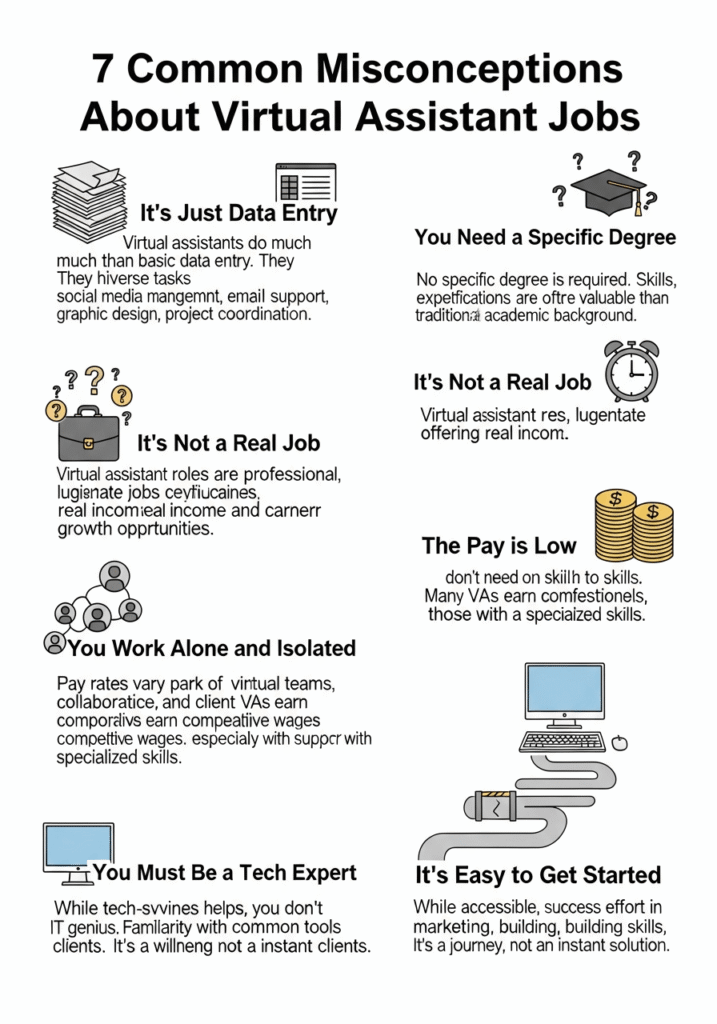 Common myths that stop beginners from pursuing VA roles, debunked for 2026 Many aspiring VAs are held back by outdated misconceptions about the role. Three of the most common myths include:
Demand for remote VAs has grown steadily since 2020, but 2026 has seen a surge in openings driven by three key trends. First, small business owners and solopreneurs are increasingly outsourcing non-core administrative tasks to free up time to focus on revenue-generating work. The IVAA reports that 72% of VA clients are micro-businesses and solopreneurs, up 18% from 2023, as more people launch side hustles and one-person businesses. Second, advances in cloud collaboration tools have made remote administrative work more seamless than ever, eliminating the need for in-office oversight for routine tasks. Third, companies are prioritizing flexible work arrangements to attract top talent, with remote VA roles offering a low-commitment way to access skilled support without the cost of a full-time in-office hire. For businesses, hiring a remote VA delivers clear benefits: they save an average of 15 hours per week on administrative tasks, reduce overhead costs by 30% compared to hiring an in-office admin, and can access specialized skills on an as-needed basis. For workers, VA roles offer unmatched flexibility, the ability to work from anywhere, and low barriers to entry compared to other remote careers. The U.S. Bureau of Labor Statistics projects that administrative support roles, including remote virtual assistants, will grow 5% through 2032, with remote openings expanding at twice the rate of in-office roles U.S. Bureau of Labor Statistics.
Not all VA roles are created equal, and choosing the right type of work for your skills and goals will help you land roles faster and earn more. The two main categories of VA roles are generalist and specialist:
| Role Type | Expected Hourly Rate (2025) | Required Experience | Typical Clients |
|---|---|---|---|
| Generalist VA | $16-$28 per hour | 0-2 years experience, basic computer literacy | Solopreneurs, small business owners, busy professionals |
| Specialist VA | $30-$75+ per hour | 1+ year experience in niche skill set | Medium to large businesses, agencies, high-net-worth individuals |
| Generalist VAs handle core administrative tasks like email management, scheduling, and data entry, making them ideal for total beginners with no specialized skills. Specialist VAs focus on high-demand niches, such as social media management, bookkeeping, or real estate transaction coordination, and command far higher rates due to their specialized expertise. | |||
| In-demand 2025 VA niches for beginners include: |
You do not need a college degree or formal VA certification to land your first remote VA role in 2026, but you will need a mix of soft and hard skills to succeed.
These skills are required for all entry-level VA roles, no matter your niche:
These skills are not required for entry-level generalist roles, but they will help you command higher rates and qualify for specialist positions:
VA pay rates vary widely based on your experience, niche, client budget, and whether you work as a freelancer, agency VA, or in-house remote employee. 2026 rates have increased 10-15% from 2024 due to high demand for skilled VAs.
| Experience Level | Generalist Hourly Rate | Specialist Hourly Rate | Monthly Earnings (Full-Time, 40 hrs/week) | Annual Earnings (Full-Time) |
|---|---|---|---|---|
| Entry-Level (0-1 year) | $16-$22 | $25-$35 | $2,760-$3,800 | $33,120-$45,600 |
| Mid-Level (1-3 years) | $23-$32 | $36-$50 | $3,960-$6,400 | $47,520-$76,800 |
| Experienced (3+ years) | $33-$45 | $51-$75+ | $5,520-$9,600 | $66,240-$115,200 |
| Part-time VAs working 20 hours per week can expect to earn roughly half of the full-time rates listed above. Many VAs also charge a monthly retainer for ongoing work, which provides steady, predictable income. |
Several factors will influence how much you can earn as a VA in 2026:
Landing your first VA role can feel intimidating, but following this step-by-step process will help you stand out from other beginners and land paid work quickly:
You likely already have skills that make you a great VA, even if you have no formal administrative experience. Make a list of past experiences that translate to VA work: scheduling appointments for a past retail job, managing social media for a side hustle, handling customer service inquiries, or doing data entry for school projects. These transferable skills are more important to clients than formal VA experience.
As a beginner, avoid offering 10+ different services to cast a wide net. Instead, choose 1-2 core services you enjoy and are good at, to position yourself as a specialist. For example, if you’re organized and love social media, offer email/calendar management and Instagram content scheduling for small business owners. This makes it easier to craft targeted job proposals and stand out from generalist VAs.
You do not need paid client work to build a portfolio. Create 2-3 sample deliverables that showcase your skills: a sample email triage plan for a freelance writer, a sample 1-week social media content calendar for a local coffee shop, or a sample customer service response for an e-commerce store. You can also offer discounted 1-week trials to friends, family, or local small business owners to get real testimonials for your portfolio.
Create profiles on the top platforms for remote VA jobs, highlighting your skills, sample work, and availability. Top 2026 platforms for beginner VAs include:
Avoid spamming 100 generic applications—instead, apply to 3-5 roles per week, and tailor each proposal to the client’s specific needs. For example, if a client mentions they are struggling to keep up with customer support tickets, mention a specific strategy you would use to reduce their response time. During interviews, ask questions about the client’s biggest pain points to demonstrate you are solution-oriented, and be clear about your availability, rates, and process for completing tasks. For more detailed guidance on landing your first clients, check out our actionable tips to land your first VA clients for step-by-step outreach scripts and proposal templates.
You do not need to invest in expensive software to start working as a VA—most essential tools have free tiers that are more than enough for beginners. Below are the most popular, beginner-friendly tools for 2026, organized by use case:
| Tool Category | Free/Low-Cost Tools | Use Case |
|---|---|---|
| Communication | Slack, Zoom, Google Meet | Video calls, team messaging, client check-ins |
| Project Management | Trello, Asana, Notion | Task tracking, deadline management, client collaboration |
| Office Suite | Google Workspace (free), Microsoft 365 Personal ($7/month) | Document creation, spreadsheets, presentations |
| Time Tracking | Toggl Track, Clockify | Tracking billable hours for client invoicing |
| Social Media Management | Buffer (free for 3 channels), Canva Free | Content scheduling, graphic design for social posts |
| Bookkeeping | Wave (free), QuickBooks Self-Employed ($15/month) | Invoicing, expense tracking, budget management |
| Accurate time tracking is essential for billing clients correctly; see our list of time-tracking tools to simplify your billing and workflow for top recommendations. For a full list of recommended tools for new VAs, see our beginner-approved tools to streamline your VA workflow. |
Even with the right skills and tools, new VAs often run into avoidable challenges. Here are the most common issues and how to fix them:
Once you have 6-12 months of experience, you can increase your earnings and build a more sustainable career by:
No, most entry-level VA roles do not require formal certification. That said, certifications like the IVAA Certified Virtual Assistant, QuickBooks ProAdvisor, or Hootsuite Social Marketing Certification can help you stand out from other applicants and qualify for higher-paying specialist roles. For a list of top-rated certification courses, check out our 2026’s most reputable VA certification courses.
Yes, remote VA roles are legitimate, but there are scams targeting new VAs. Avoid any “opportunity” that asks you to pay for training, equipment, or background checks upfront—legitimate clients pay you for your work, not the other way around. Always research companies before sharing personal information or accepting payment.
Yes, as long as you have reliable high-speed internet and can meet your client’s deadlines, many VAs work while traveling full-time. Some VAs even specialize in supporting travel-focused clients, like booking accommodations and coordinating itineraries for busy travelers.
Entry-level generalist VAs earn an average of $16-$22 per hour, or $33,120-$45,600 per year for full-time work. Specialist entry-level VAs can earn $25-$35 per hour, or $52,000-$73,000 per year for full-time work.
Remote VA roles are available both full-time and part-time, depending on client needs and your availability. 62% of beginner VAs start with part-time work to build their portfolio before moving to full-time roles, per IVAA 2026 data.
Remote virtual assistant jobs are one of the most accessible, flexible remote career options available in 2026, with no degree or prior experience required for entry-level roles. The demand for skilled VAs is only growing as more small businesses and solopreneurs outsource non-core tasks, and the low barrier to entry makes it an ideal career for career changers, stay-at-home parents, students, or anyone seeking flexible remote work. To get started, focus on building 1-2 core skills, creating a simple portfolio of sample work, and applying to 3-5 targeted roles per week. As you gain experience, you can niche down into a high-paying specialty, raise your rates, and build a sustainable, flexible career that fits your lifestyle. If you’re ready to launch your VA career today, download our free 2026 Remote VA Starter Pack, which includes sample client contracts, portfolio templates, and a list of 50 vetted beginner-friendly job leads to jumpstart your search. For a step-by-step video walkthrough of landing your first VA role, setting your rates, and onboarding your first client, watch our free 2026 VA beginner tutorial here: https://youtu.be/JDQKuI1DFGA?si=GYAsIT0VIlXWer7f The remote virtual assistant career path offers one of the most accessible, flexible entry points into stable remote work in 2026, with no formal degree required and the ability to start earning within weeks of building a basic portfolio. By prioritizing consistent, high-quality work for your first clients and gradually expanding your expertise into high-demand niches, you can turn entry-level VA roles into a long-term, scalable career that adapts to your personal lifestyle and income goals.

Ms.Sultana brings over 16 years of expertise working with global Clients by providing different skills and Services. For the last 5 years working as an Affiliate marketer, specializing in high-ticket campaigns that drive exponential growth. She holds a degree in Computer Science and Engineering as well as achieved many more skills certificates from different institute/academies/Platform. As part of the Elite Global Marketing team, Sultana has helped clients generate millions in revenue through strategic partnerships, innovative funnels, and data-driven insights.












A virtual assistant to schedule meetings can rescue your calendar, but the wrong choice burns cash. Most people blur the line between a remote human helper and…

You’re staring at two options that look almost identical on your screen. A virtual assistant to manage calendar can be a human contractor or an AI scheduling…
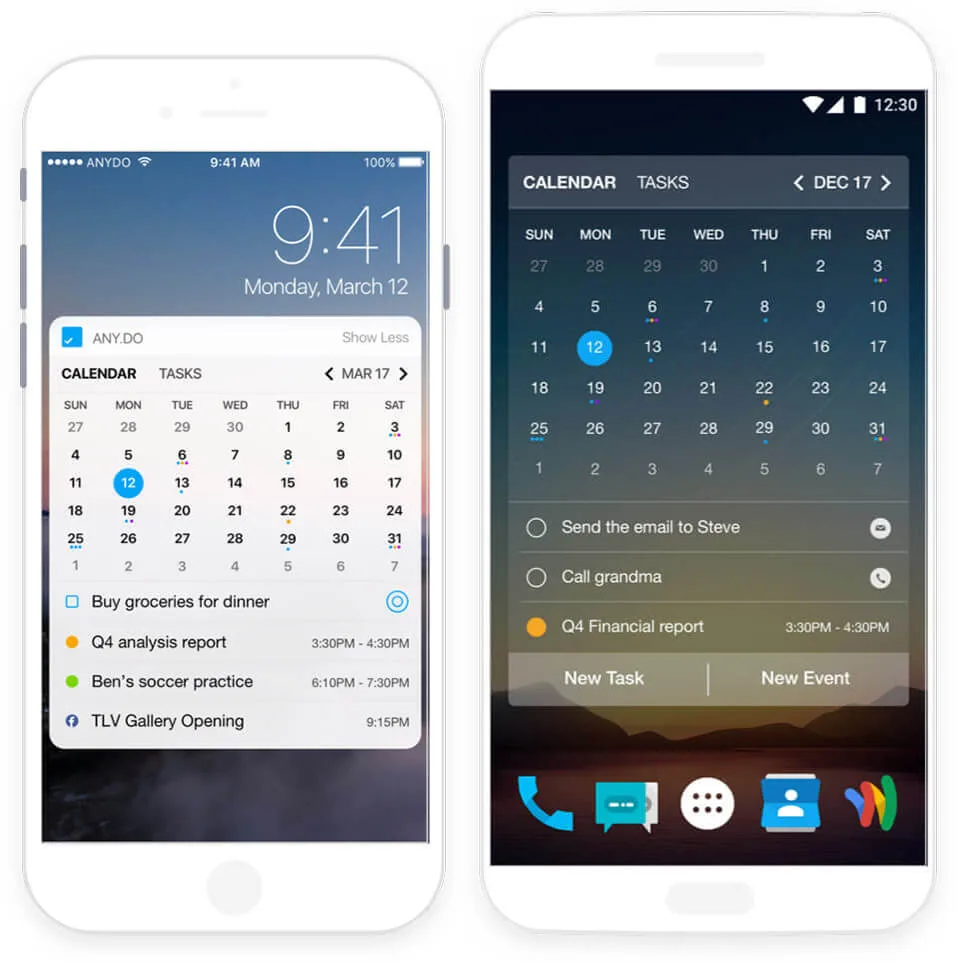
A virtual assistant to organize calendar can be the difference between a calm week and a chaotic one. The wrong choice leaves you shouting at a speaker that…