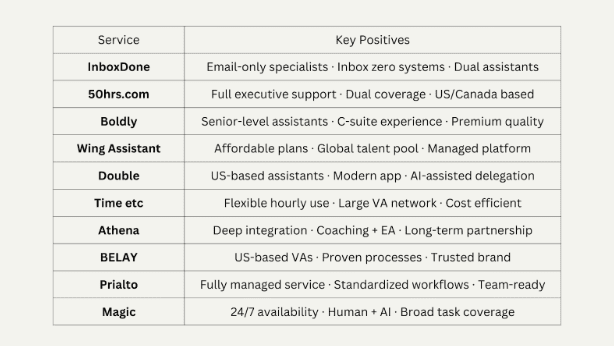

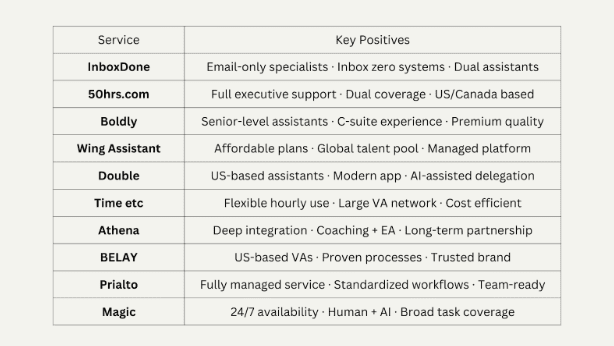
Time Etc is ideal for ongoing admin work; Belay shines for bookkeeping and specialized support.
I have spent years evaluating virtual assistant and remote staffing firms. This article compares time etc vs belay in depth. You will get clear differences, use cases, pricing patterns, pros and cons, and practical advice. I draw on hands-on experience and industry best practices to help you choose the right partner.

What are Time Etc and Belay?
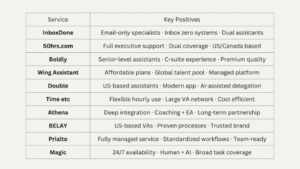
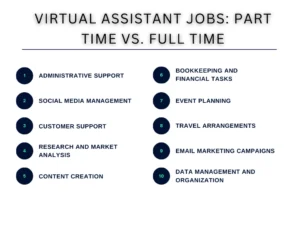
Time Etc is a virtual assistant company that focuses on long-term admin support. They pair clients with trained assistants for recurring tasks. Many clients use them for calendar work, email management, research, and writing.
Belay is a remote staffing firm that specializes in virtual assistants, bookkeepers, and web specialists. They emphasize US-based talent and services for small businesses and executives. Their model works well for clients who need specialized skill sets like bookkeeping or high-touch executive support.
This section frames the main differences between time etc vs belay. Both serve remote work needs. Both target small businesses and busy leaders. Yet they differ in hiring, pricing, and service scope.

Core service comparison: offerings, model, and talent
Time Etc
- Offers recurring virtual assistant packages for admin, content, and scheduling.
- Uses experienced assistants often based in the US and UK.
- Ideal for ongoing tasks that require continuity and trust.
Belay
- Offers virtual assistants, bookkeepers, and web support with specialist focus.
- Emphasizes US-based hires and high vetting standards.
- Strong choice for bookkeeping, project oversight, and executive-level support.
Key distinctions in time etc vs belay include specialization and talent sourcing. Time Etc leans toward broad admin support. Belay leans toward specialized, senior-level services.

Pricing, contracts, and flexibility
Time Etc commonly sells hour-based packages with monthly billing. They offer flexible plans you can scale up or down. Most clients like the ease of adding or shifting hours.
Belay tends to price by role and scope. Bookkeeping and specialized roles can cost more. Contracts may vary by service and client needs.
When comparing time etc vs belay on cost, consider task complexity. Simple admin tasks favor Time Etc. Specialized bookkeeping favors Belay. Always ask for a clear scope and sample tasks before committing.
Quality, vetting, and training
Time Etc vets assistants for experience and communication skills. They train assistants on client processes and follow-up. Quality control is ongoing through client feedback.
Belay uses a rigorous vetting process for US hires. They often require accounting or project management credentials for specialist roles. Training focuses on client systems and high standards for accuracy.
For many buyers, time etc vs belay comes down to risk tolerance. If you need a generalist to handle varied tasks, Time Etc delivers. If you need a highly vetted bookkeeper or senior assistant, Belay is more likely to meet that need.
Use cases and best fit
Time Etc is best for:
- Busy founders who need recurring admin help.
- Content creators who need editing and scheduling help.
- Teams that value long-term assistant relationships.
Belay is best for:
- Businesses needing accurate bookkeeping and payroll support.
- Executives who want high-touch calendar and project management.
- Teams that require US-based, credentialed hires.
Comparing time etc vs belay by use case helps you match needs. Ask which provider has successful clients with your profile. Request references or sample work to confirm fit.

Pros and cons
Time Etc pros
- Good value for recurring admin tasks.
- Flexible plans and quick matching.
- Strong for multitask, long-term support.
Time Etc cons
- Less focus on specialist roles like bookkeeping.
- May require more handoff for technical tasks.
- Variable assistant skill levels across assignments.
Belay pros
- High vetting for specialist roles.
- Strong bookkeeping and executive assistance.
- Often US-based talent with professional backgrounds.
Belay cons
- Higher cost for specialist services.
- Less budget-friendly for simple, low-skill tasks.
- Contracts may be less flexible for very short engagements.
This side-by-side view of time etc vs belay clarifies trade-offs. Choose the one that aligns with task type, budget, and need for specialization.

How to choose between Time Etc vs Belay
Start with clear priorities. Write down tasks, frequency, and desired outcomes. Decide if tasks need a specialist or a reliable generalist.
Use this decision checklist
- Task type: admin or specialist.
- Frequency: daily, weekly, or occasional.
- Budget range and willingness to pay for senior talent.
- Preference for US-based staff or global talent.
- Need for bookkeeping or credentialed services.
Run a short pilot. Ask for a trial or a short-term engagement. Measure output, communication, and accuracy. Then scale the relationship if results match expectations.

My experience comparing time etc vs belay
I used Time Etc for ongoing email triage and calendar work. The assistant handled recurring tasks well. Over time, communication improved and my workload fell.
I engaged Belay for bookkeeping setup and monthly reconciliation. The bookkeeper had strong accounting chops. The quality and peace of mind justified the cost.
Lessons learned
- Define tasks clearly at the start to avoid scope creep.
- Use short weekly check-ins to keep work aligned.
- Expect different onboarding times. Specialists may need more setup but deliver higher accuracy.
This hands-on view highlights practical differences in time etc vs belay. Both platforms can work. The fit depends on task type and desired level of expertise.

Implementation tips and onboarding
Onboard in three phases
- Document tasks: Create short SOPs with steps and expected output.
- Train and test: Run paired tasks and give feedback in the first two weeks.
- Systemize: Move repeat tasks to templates and checklists.
Communication best practices
- Use a single project tool or shared doc for tasks.
- Set clear SLAs: response time and review cycles.
- Schedule recurring check-ins in week one and month one.
Track work with simple metrics. Monitor time spent and task completion. Adjust scope based on results. These steps smooth the onboarding for either time etc vs belay.
Metrics and ROI to track
Key metrics to measure success
- Hours saved per week by delegating tasks.
- Error rate on delivered tasks.
- Time to complete standard tasks.
- Cost per hour versus internal cost.
Calculate ROI simply
- Estimate your hourly rate or opportunity cost.
- Multiply hours saved by your hourly rate.
- Subtract the monthly cost of the service.
- Positive results show a clear ROI.
Track metrics for the first 90 days. This period tells you if the partnership is working. It also helps justify renewal or changes.
Frequently Asked Questions of time etc vs belay
Which provider is cheaper for basic admin tasks?
Time Etc is generally more budget-friendly for routine admin tasks. Belay costs more when you need specialized or credentialed services.
Can I switch assistants or bookkeepers easily?
Both companies allow changes, but the process varies by provider. Expect short transition steps and some overlap to hand off work.
Which company is better for bookkeeping?
Belay is usually the better choice for bookkeeping due to specialized hires and strong vetting. Time Etc can handle basic bookkeeping but is not focused on certified accounting roles.
Do both offer US-based talent?
Belay emphasizes US-based talent. Time Etc often offers US and UK assistants and may use a broader talent pool. Verify staffing location when you sign up.
How long does onboarding take on average?
Onboarding for simple admin tasks can take one to two weeks. Specialist roles like bookkeeping may take three to six weeks to reach steady state.
Conclusion
This comparison has shown the core differences in time etc vs belay. Time Etc wins for flexible, ongoing admin support at good value. Belay wins for vetted specialists, bookkeeping, and executive-level work. Choose based on task type, budget, and need for specialist credentials. Start small, measure results, and scale what works. Try a short pilot now, track your metrics, and make a data-driven choice. Leave a comment or share your experience to help others pick the right partner.

Sofia Grant is a business efficiency expert with over a decade of experience in digital strategy and affiliate marketing. She helps entrepreneurs scale through automation, smart tools, and data-driven growth tactics. At TaskVive, Sofia focuses on turning complex systems into simple, actionable insights that drive real results.