

A Virtual Assistant (VA) career is one of the most accessible ways to enter the global remote workforce. As businesses increasingly operate online, they rely on remote professionals to handle daily tasks, manage systems, and support growth. This shift has created steady demand for skilled VAs across industries such as e-commerce, SaaS, digital marketing, real estate, and online education.
This guide explains what a VA career really is, how to start from zero, what skills and tools matter, how income works, and what long-term growth looks like—so you can decide if this path fits your goals and take clear next steps.
What Is a VA Career?
A Virtual Assistant is a remote professional who supports individuals or businesses by performing tasks that do not require physical presence. Unlike traditional assistants, VAs typically work as independent contractors or freelancers, serving one or multiple clients.
A VA career is not a single job role. It is a category of remote work that includes administrative support, digital operations, content support, technical assistance, and specialized services.

What defines a VA career is not the task itself, but how the work is delivered:
- Remotely
- Digitally
- Outcome-focused rather than hours-focused
This flexibility allows businesses to outsource tasks efficiently and enables VAs to build location-independent careers.
Why VA Careers Are Growing Globally
The growth of VA careers is driven by structural changes in how businesses operate.
Key factors behind demand:
- Remote-first companies prefer distributed teams
- Startups and SMEs need flexible staffing
- Automation tools reduce the need for in-house staff
- Cost optimization pushes businesses to outsource
According to remote work and freelancing market data, small businesses increasingly outsource tasks such as customer support, content management, CRM updates, and scheduling—tasks that are ideal for VAs.
This trend is not temporary. It is tied to:
- Digital transformation
- Global talent access
- Lean business models
Who Is a VA Career Suitable For?
A VA career is suitable for people who value flexibility, skill-based income, and remote work.

It works particularly well for:
- Students who need part-time income
- Stay-at-home parents
- Professionals leaving traditional jobs
- Freelancers seeking stable retainers
Understanding VA Services: What Do VAs Actually Do?
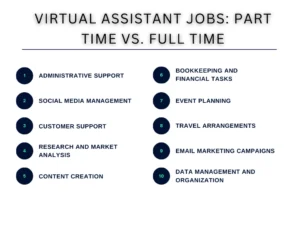
VA services can be grouped into general and specialized categories.
General VA Services
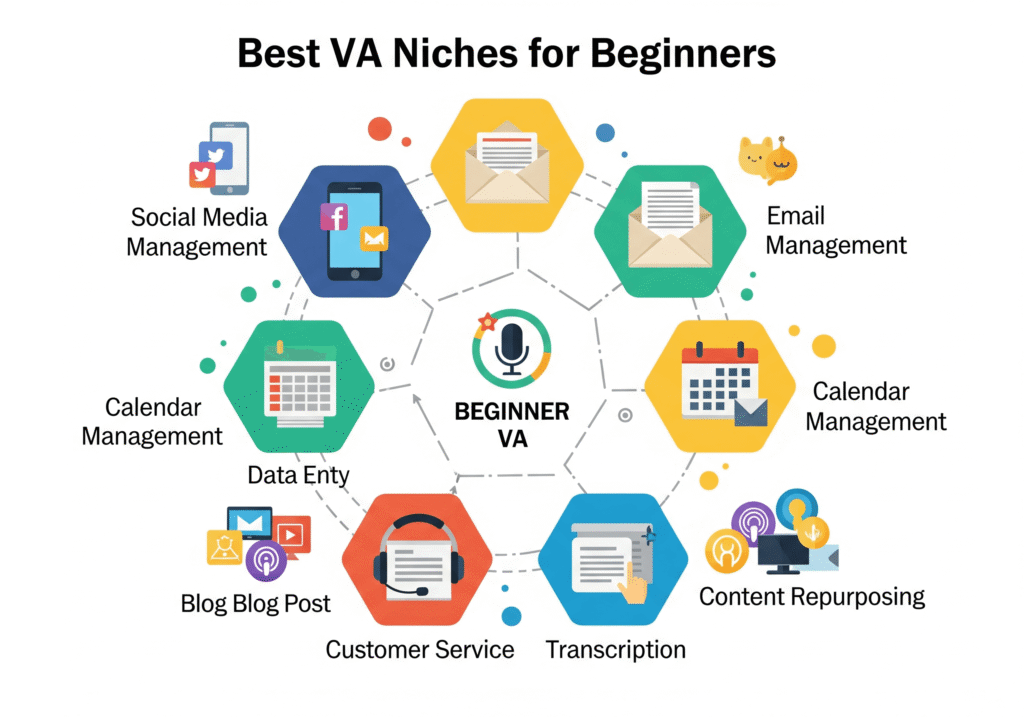
These are entry-level services with low technical barriers:
- Email inbox management
- Calendar scheduling
- Data entry
- File organization
- Online research
These services are widely needed and suitable for beginners.
Specialized VA Services
These require additional skills or industry knowledge:
- SEO and content support
- Social media management
- E-commerce operations
- CRM and automation
- Bookkeeping
Specialized VAs usually earn more because they save clients time and strategic effort.
A key insight for beginners:
You do not need to start specialized—but you should aim to specialize over time.
Skills Required for a Successful VA Career
A common misconception is that VA work is mostly about tools. In reality, skills fall into three layers.
1. Foundational Skills
These determine whether clients trust you:
- Clear written communication
- Professional tone
- Time management
- Following instructions accurately
Many beginners lose clients not due to lack of skills, but due to poor communication or missed deadlines.
2. Technical Skills
These depend on your service type:
- Email platforms (Gmail, Outlook)
- Document tools (Google Docs, Sheets)
- CMS platforms (WordPress, Shopify)
- Social media tools
You do not need to master everything. Competence in a small tool set is enough to start.
3. Business Skills
These help you grow long-term:
- Task documentation
- Pricing confidence
- Client boundary setting
- Process improvement
VAs who treat their work as a business progress faster than those who treat it as casual freelancing.
The Virtual Assistant Kit for 2026
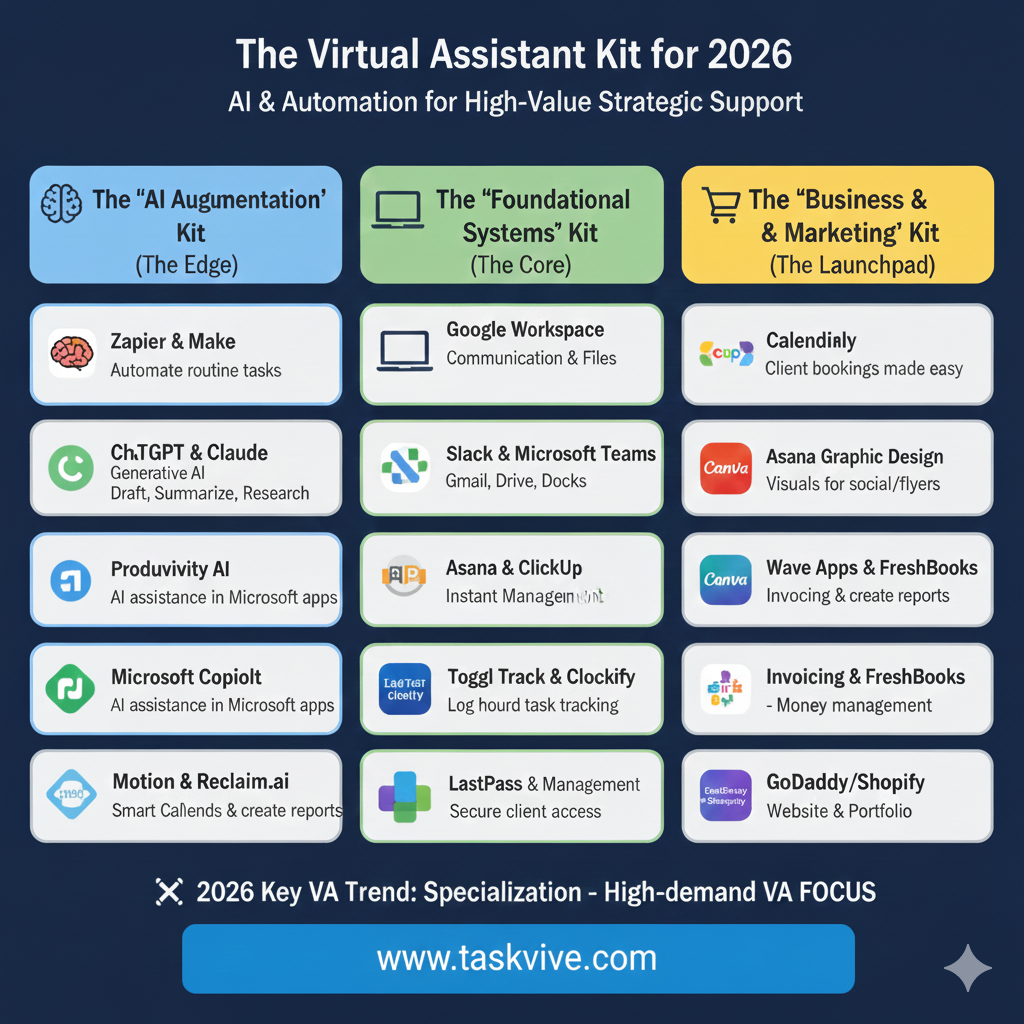
1. 🧠 The “AI Augmentation” Kit (The Edge)
In 2026, VAs are expected to work smarter, not just harder. Mastering these tools allows you to perform hours of work in minutes, enabling you to charge higher rates for increased efficiency.
| Tool | Category | Key Use for 2026 |
| Zapier or Make (Integromat) | Automation Hub | ESSENTIAL. Connects all your apps to automate routine tasks (e.g., ‘Move new Trello card to Google Calendar’) to eliminate repetitive manual work. |
| ChatGPT (GPT-5.1) or Claude | Generative AI | Drafting emails, summarizing long documents/meetings, generating social media content outlines, and conducting rapid research. |
| Microsoft Copilot | Productivity AI | For clients using the Microsoft ecosystem, Copilot is the AI embedded directly into Outlook, Teams, and Excel for seamless drafting and data analysis. |
| Motion or Reclaim.ai | AI Scheduling | Automatically block focus time, reschedule meetings to fit your calendar goals, and find the true best time for a client call. |
2. 💻 The “Foundational Systems” Kit (The Core)
These are the non-negotiable, industry-standard tools for communication, management, and time tracking.
| Tool | Category | Key Feature |
| Google Workspace | Communication & Files | Gmail, Drive, Docs, and Sheets remain the universal standard for file storage and collaboration. |
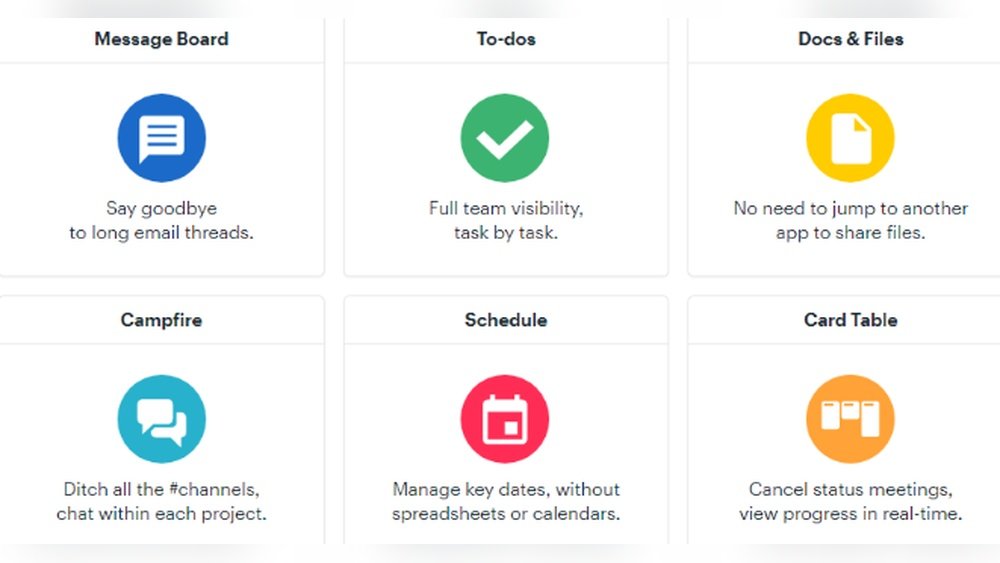
| Slack or Microsoft Teams | Instant Communication | Real-time, organized messaging that keeps client inboxes clean. |
| Asana or ClickUp | Project Management | Detailed task tracking, workflow management, and client visibility. ClickUp is a strong all-in-one option. |
| Toggl Track or Clockify | Time Tracking | Accurately log billable hours across different clients and projects, providing professional reports for invoicing. |
| LastPass or 1Password | Password Management | CRITICAL for security. Securely receive and store client login credentials without ever seeing the password. |
3. 💰 The “Business & Marketing” Kit (The Launchpad)
Tools you need to run your business like a professional service provider.
| Tool | Category | Key Feature |
| Calendly | Scheduling | Eliminates back-and-forth emails. You share a link, and the client books a time that works for both of you. |
| Canva | Graphic Design | The simplest way to create professional social media graphics, flyers, and presentations for yourself or clients. |
| Wave Apps or FreshBooks | Invoicing & Accounting | Free/affordable tools for creating professional invoices, tracking expenses, and managing your P&L. |
| GoDaddy/Namecheap + Shopify/Squarespace | Online Presence | Essential to own a professional domain and have a simple website/portfolio that explains your services and niche. |
🚀 2026 Key VA Trend: Specialization
The biggest takeaway for 2026 is that the days of the “generalist VA” are fading. The most in-demand VAs specialize.
| Specialization Example | Niche Tools to Master |
| Real Estate VA | Google Sheets/Excel (advanced formulas), HubSpot/Pipedrive (CRM), Trello/Asana (transaction management). |
| E-commerce VA | Shopify, Klaviyo (Email Marketing), Asana/ClickUp (Product Launches), Canva (Product Graphics). |
| Marketing VA | Buffer/Hootsuite (Scheduling), Google Analytics, Zapier (Lead Automation), Notion/Airtable (Content Calendar). |
How to Get Started as a Virtual Assistant (Step-by-Step Explanation)
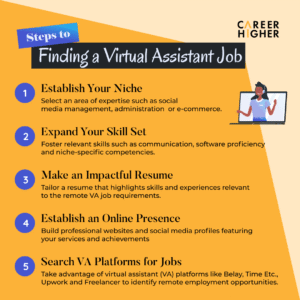
Step 1: Choose a Clear Starting Service
Beginners often fail by offering “everything.” This confuses clients.
A better approach is to start with:
- One core service
- One client type
Example:
“Administrative VA for online coaches”
“Shopify VA for small e-commerce stores”
Clarity improves trust.
Step 2: Learn Through Practice, Not Theory
Formal courses are optional. Many successful VAs start by:
- Watching tool tutorials
- Practicing with mock tasks
- Recreating real workflows
Practical familiarity matters more than certificates.
Step 3: Create Proof of Ability (Portfolio)
Clients want evidence, not promises.
A simple portfolio can include:
- List of services
- Tools you use
- Sample tasks
- Short explanation of your workflow
This can be a Google Doc, Notion page, or PDF.
Step 4: Understand Beginner Pricing
Pricing depends on:
- Skill level
- Task complexity
- Market (global vs local)
Beginners often start with modest rates and increase them as confidence and results improve. Long-term growth comes from retainers, not hourly overload.
Step 5: Apply Strategically
Sending many generic proposals rarely works.
Effective applications:
- Address the client’s problem
- Explain how you help
- Show relevant experience (even mock work)
Consistency is more important than volume.
Virtual Assistant Salary & Income Expectations
One of the most common questions about a VA career is how much a virtual assistant can earn. Unlike traditional jobs, a VA career does not come with a fixed salary. Instead, income depends on skills, niche, responsibility, and client market.
Virtual assistants typically earn through hourly rates or monthly retainers, and income grows as they take on more valuable work rather than simply working more hours.
How Virtual Assistant Salary Works
A VA’s income is influenced by:
- Type of services offered
- Level of specialization
- Client location (US, UK, global)
- Pricing model (hourly vs retainer)
- Ability to manage systems or workflows
VAs who only complete instructions usually earn less than those who manage processes, tools, or operations.
Virtual Assistant Salary Comparison by Niche
Not all VA roles pay the same. Some niches save time, while others directly support revenue, systems, or decision-making, which leads to higher earning potential.
| VA Niche | Skill Level | Typical Tasks | Earning Potential |
|---|---|---|---|
| Administrative VA | Beginner | Email, calendar, data entry | Low–Moderate |
| Customer Support VA | Beginner–Intermediate | Email/chat support | Moderate |
| Social Media VA | Intermediate | Scheduling, engagement | Moderate |
| Content / Blog VA | Intermediate | Uploads, formatting | Moderate |
| SEO VA | Intermediate–Advanced | Keyword research, on-page SEO | Moderate–High |
| E-commerce VA | Intermediate | Product listings, orders | Moderate–High |
| Amazon FBA VA | Advanced | Listing optimization, PPC | High |
| Real Estate VA | Advanced | CRM, lead handling | High |
| CRM / Automation VA | Advanced | Workflow setup | High |
| Operations / Executive VA | Advanced | Team & system management | Very High |
📊 Region Comparison Summary (Hourly Rates)
| Region | Typical Hourly Range (USD) | Common Full-Time Equivalent |
|---|---|---|
| North America (US/Canada) | $15–$45+ | $2,500–$4,500+/mo |
| Western/Northern Europe | $20–$50+ | $2,000–$3,800+/mo |
| Latin America | $8–$22 | $1,000–$2,500+/mo |
| Philippines | $4–$12+ | $800–$2,000+/mo |
| South Asia | $3–$12 | $500–$1,800+/mo |
| Eastern Europe | $10–$30 | $1,500–$3,500+/mo |

Why Some VA Niches Pay More Than Others
VA roles pay more when they:
- Reduce operational complexity
- Manage systems instead of isolated tasks
- Support revenue or scaling
- Require specialized knowledge
For example, an administrative VA helps with time management, while an operations or CRM VA helps the business function smoothly at scale. Businesses are willing to pay more when a VA’s work has a direct business impact.
Entry-Level vs Specialized VA Income
Entry-level VA roles:
- Easier to start
- Lower technical requirements
- Higher competition
- Slower income growth
Specialized VA roles:
- Require learning and practice
- Fewer qualified candidates
- Greater responsibility and trust
- Faster income growth
This is why many VAs begin as generalists and gradually specialize.
VA Salary: US, UK, and Global Market Perspective
- US clients often pay more for SEO, e-commerce, automation, and operations support because these roles affect growth and scalability.
- UK clients commonly value administrative, bookkeeping, CRM, and executive VA services, often structured as monthly retainers.
- Global VAs working with US or UK clients generally earn more than working only with local clients, regardless of location.
Client market matters more than where the VA lives.
How VA Income Grows Over Time
A VA career typically progresses through stages:
- Beginner stage – Focus on learning, consistency, and communication. Income is modest but stable.
- Intermediate stage – VAs manage more responsibility and secure long-term retainers.
- Advanced stage – VAs specialize, manage systems, or support business operations and earn significantly more.
Income growth comes from value creation, not from working longer hours.
Is a VA Career Financially Sustainable?
A VA career can be financially sustainable if approached professionally. Many VAs:
- Start part-time
- Transition to full-time
- Build long-term client relationships
- Increase income through specialization
While income is not guaranteed, VA work offers scalable earning potential with low startup cost.
Key Takeaway on VA Salary
A VA career does not offer a fixed salary—but it offers control. Virtual assistants who focus on skills, reliability, and business impact can steadily increase their income over time.
Where Do VAs Find Work?
VAs typically find clients through:
- Freelance platforms (Upwork, Fiverr)
- Professional networks (LinkedIn)
- Community groups
- Direct outreach
Platforms are useful for beginners because they provide:
- Structured job listings
- Payment protection
- Client reviews
Over time, many VAs move off platforms to gain better rates and control.
Common Mistakes New VAs Make
Understanding mistakes helps avoid frustration.
Common issues include:
- Offering too many services
- Working without clear scope
- Underpricing for too long
- Poor documentation
- Fear of asking questions
Most of these stem from lack of confidence—not lack of ability.
Long-Term Career Growth for Virtual Assistants
A VA career does not have to remain entry-level.
Growth paths include:
- Senior VA or operations manager
- Specialized consultant
- Agency owner
- Process or automation specialist
Many VAs eventually manage teams or systems rather than tasks.
The key driver of growth is responsibility, not workload.
Pros and Cons of a VA Career (Balanced View)
Advantages:
- Location independence
- Flexible schedules
- Low startup cost
- Skill-based progression
Challenges:
- No guaranteed income
- Requires self-discipline
- Client dependency
- Continuous learning required
A VA career rewards consistency and professionalism—not shortcuts.
Final Thoughts: Is a VA Career Worth Starting?
A VA career is not a “get rich quick” path. It is a practical, skill-based remote career that can grow steadily if approached with structure and patience.
For people who value:
- Flexibility
- Learning
- Independence
It can be a strong long-term option.
FAQ: Virtual Assistant Career
What does a virtual assistant do?
A virtual assistant provides remote support services such as administration, content management, customer support, or specialized operational xperience to start a VA career?
Do I need experience to start a VA career?
No. Many VAs start with basic skills and learn through practice and real tasks.
How much can a beginner VA earn?
Beginner earnings vary, but income increases with skills, specialization, and client retention.
Is a VA career sustainable long-term?
Yes. Many VAs grow into specialized roles, operations management, or agency ownership.
What tools do virtual assistants use?
Common tools include Google Workspace, Slack, Zoom, Trello, ClickUp, and Canva.
This guide is based on current remote work trends, publicly available salary data, and real-world virtual assistant workflows used by businesses in the US, UK, and global markets.

Sofia Grant is a business efficiency expert with over a decade of experience in digital strategy and affiliate marketing. She helps entrepreneurs scale through automation, smart tools, and data-driven growth tactics. At TaskVive, Sofia focuses on turning complex systems into simple, actionable insights that drive real results.