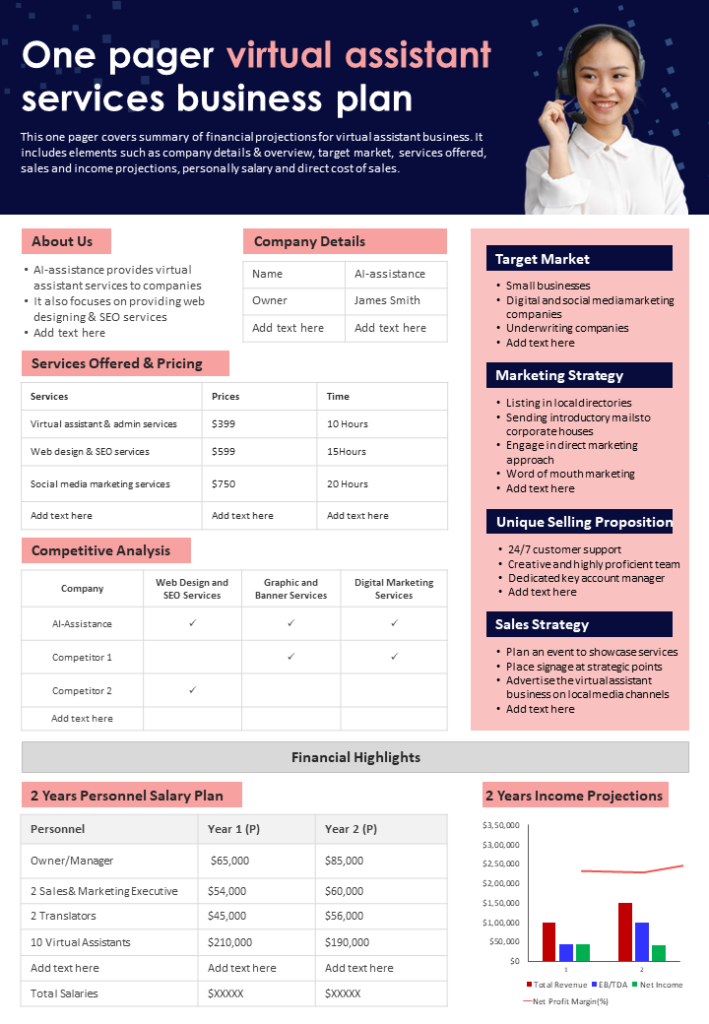

A clear virtual assistant business plan maps services, clients, pricing, and growth steps.
I have built remote teams and written dozens of virtual assistant business plans for solo VAs and small agencies. This article walks you through every section of a strong virtual assistant business plan with real examples, practical tips, and mistakes I learned the hard way, so you can build a reliable, scalable service business.
Why a virtual assistant business plan matters
A virtual assistant business plan turns ideas into steps you can follow. It helps you set goals, identify clients, and track money. A good plan reduces guesswork and speeds growth.
From experience, I saw VAs miss steady income because they lacked pricing and client profiles in their plans. A simple plan saved time and prevented chasing unprofitable work. Use the plan as a living document and update it as you learn.
Executive summary for your virtual assistant business plan
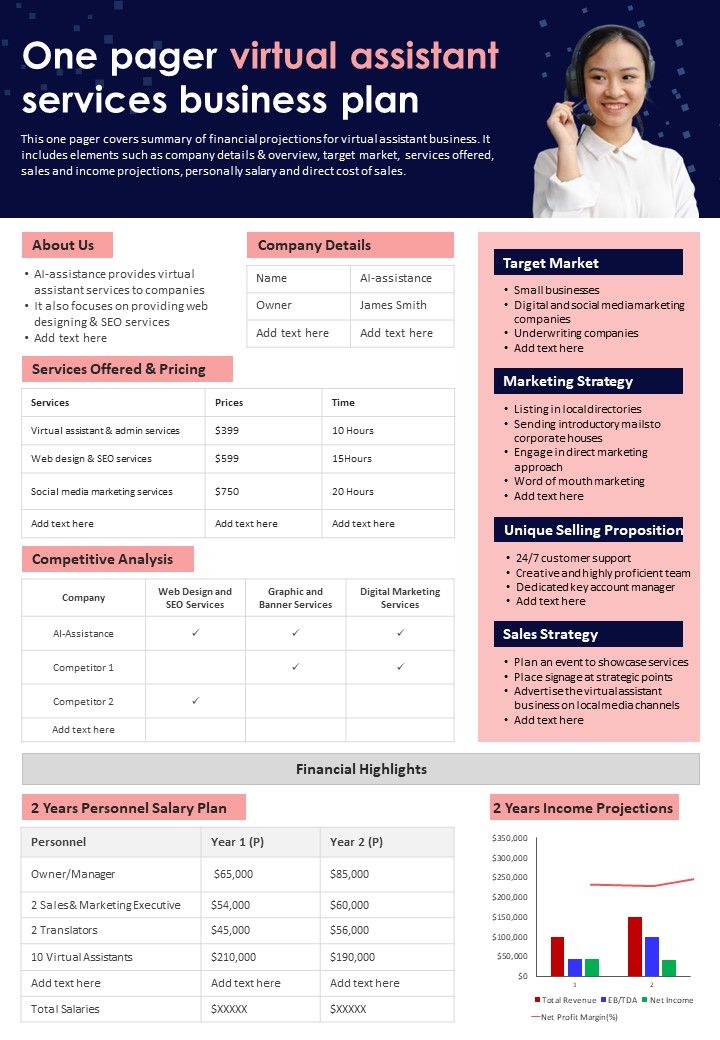
The executive summary is short and clear. State what services you offer, the ideal client, and one-year goals. Keep it to one page so you can share it with partners or lenders.
Example items to include:
- Core service offering and unique angle
- Target client profile and ideal industries
- Revenue goal for year one and key milestones
I usually draft the executive summary last. That way it reflects decisions from research and pricing sections of the plan.

Market research and niche selection
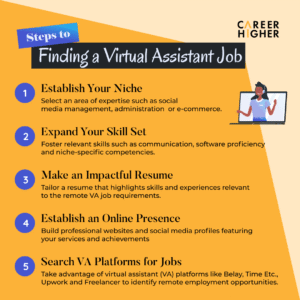
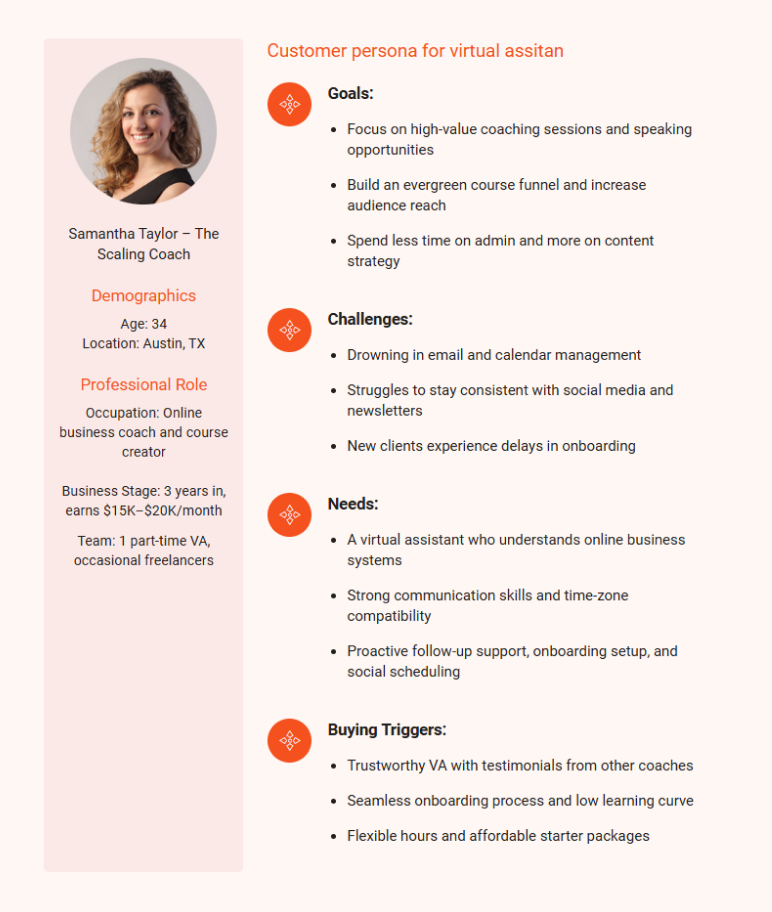
Market research makes the rest of the virtual assistant business plan smarter. Know who needs help, what they pay, and how they find VAs. Niche focus gives you pricing power and clearer marketing.
Steps to do market research:
- Identify 3 target industries and common tasks they outsource
- Survey potential clients or review job posts to find price ranges
- Check competitors’ services and strengths to find a gap
I once targeted a broad market and burned weeks chasing mismatched leads. Narrowing to two niches gave faster bookings and better client matches.
Services, packaging, and pricing
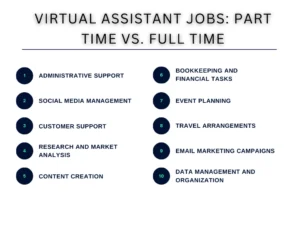
Define services clearly in your virtual assistant business plan. Package related tasks so clients can buy easily. Use hourly, retainer, or project pricing based on predictability.
Service packaging examples:
- Administrative retainer: 10 hours per week for email, calendar, and basic tasks
- Social media package: content creation, posting, and analytics weekly
- Project work: fixed fee for onboarding, research, or launch tasks
Pricing tips from my work:
- Start with market research rates, then aim 10–20% higher if you specialize
- Offer a low-cost entry package to reduce friction
- Use clear deliverables to avoid scope creep

Operations, tools, and workflows
Operations make a virtual assistant business plan executable. List tools, standard operating procedures (SOPs), and communication rules. Good ops keep clients happy and let you scale.
Core operational items:
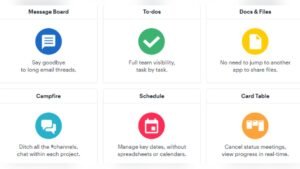
- Tools for time tracking, invoicing, and project management
- Onboarding checklist and client intake form
- SOPs for repetitive tasks and quality checks
My team used documented SOPs to train new VAs in half the time. That consistency improved client retention and made delegation safer.
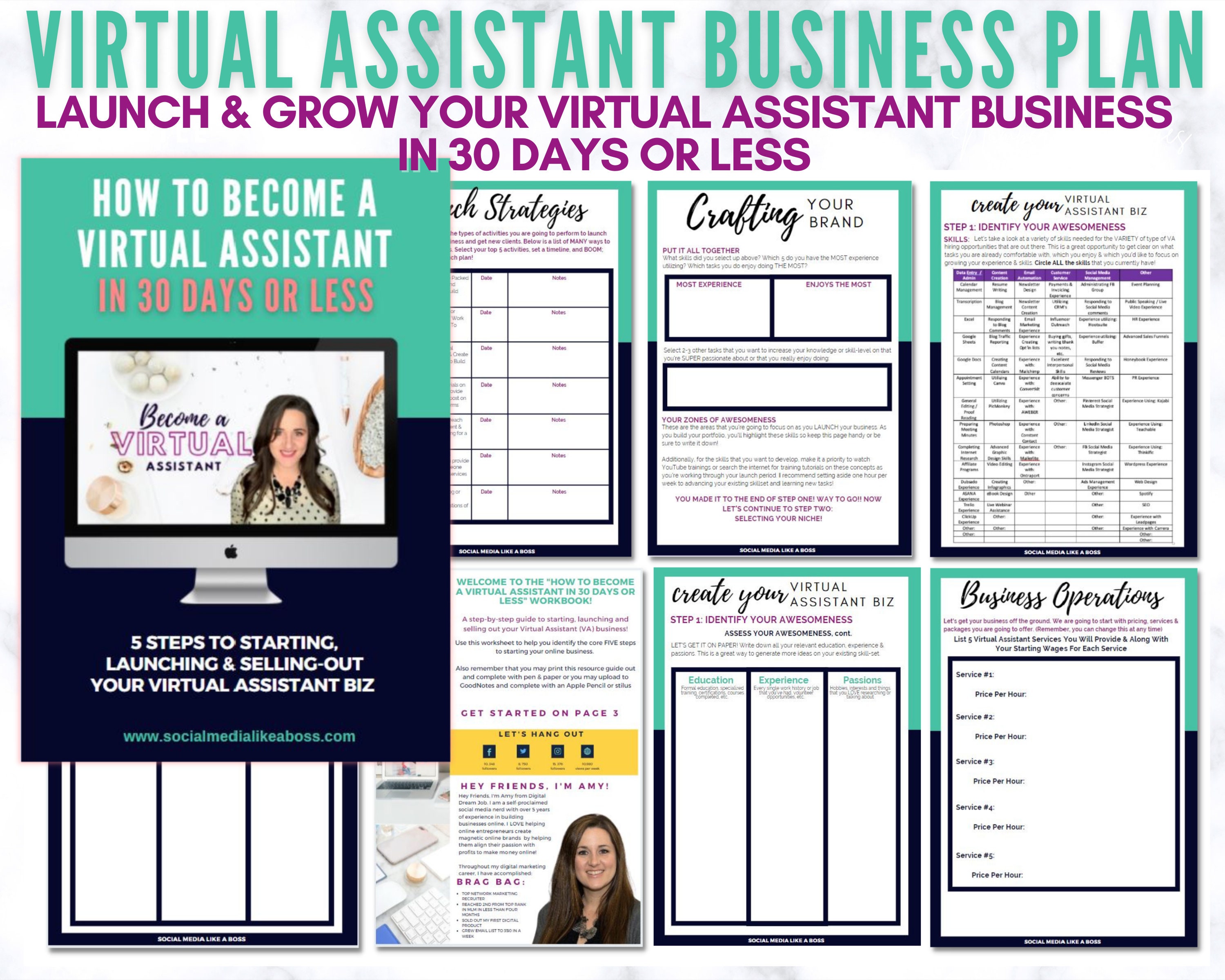
Marketing and client acquisition strategy
Your virtual assistant business plan must include how you will find clients. Mix inbound and outbound approaches for steady leads. Measure channels and double down on what works.
Tactics to include:
- Content and SEO to attract clients searching for remote help
- Outreach on LinkedIn and niche forums to target decision makers
- Referrals and partnerships with agencies or consultants
Track cost per lead and time to convert. I found referrals cost less and converted faster, so I invested in client referral incentives.
Financial plan and pricing model
A clear financial section shows viability in your virtual assistant business plan. Include revenue forecasts, cost estimates, and a break-even calculation. Keep projections realistic.
Key items to forecast:
- Monthly revenue by service and number of clients
- Fixed costs like software and insurance
- Variable costs like subcontractors and marketing spend
Practical tip: create a conservative case and an optimistic case. I underestimated churn early on; conservative planning prevented cash flow stress.

Legal, risk management, and policies
Address legal needs in your virtual assistant business plan to protect you and clients. Cover contracts, confidentiality, and insurance. Clear policies reduce disputes.
Must-have items:
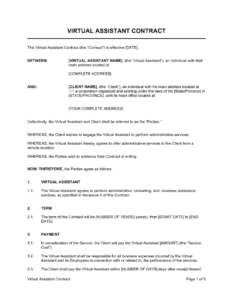
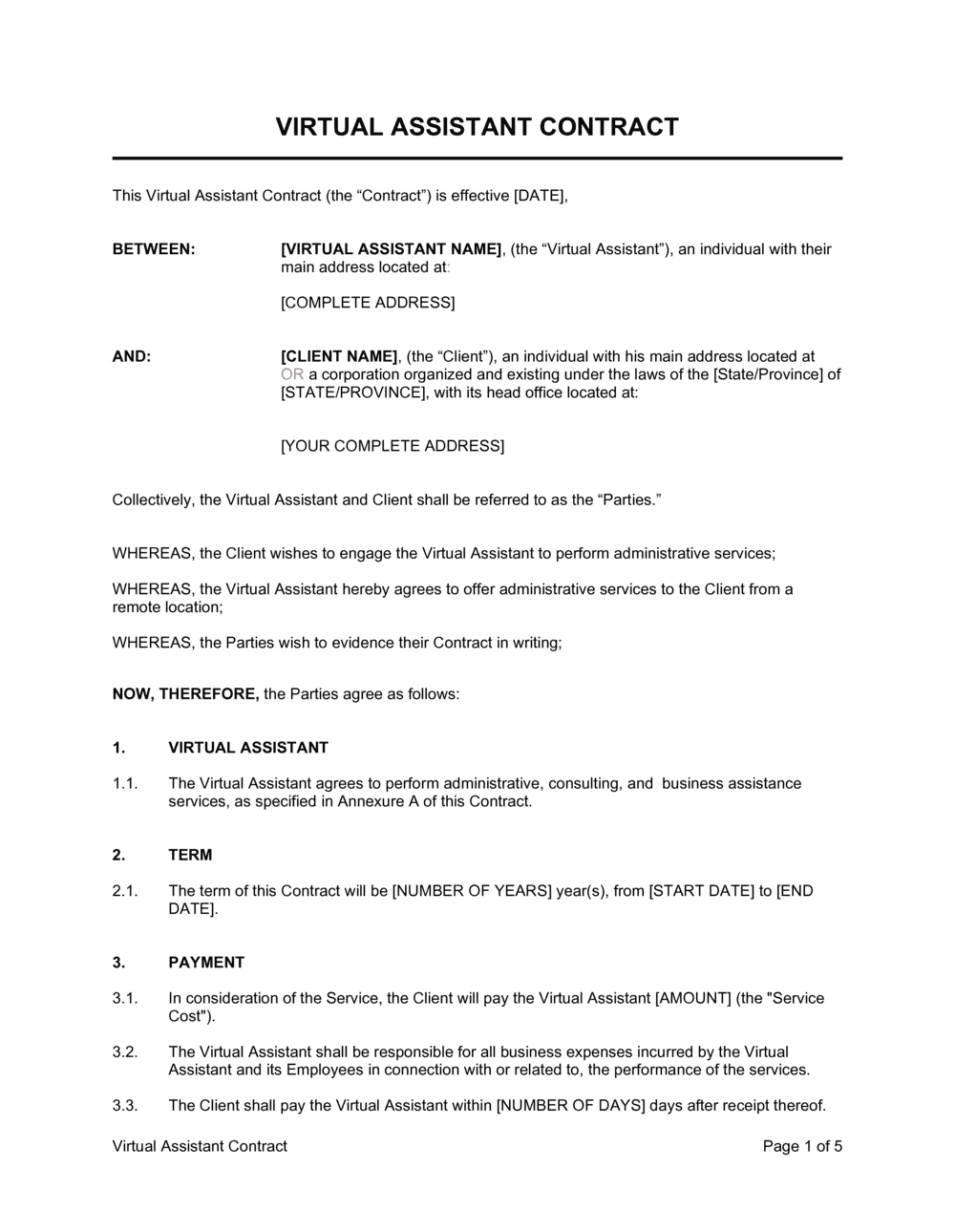
- Client contract with scope, payment terms, and termination clause
- Data handling and privacy policy for client information
- Professional liability or errors and omissions insurance if needed
I advise working with a simple contract template that you customize per client. This saved long emails and clarified expectations.

Implementation timeline and milestones
Map actions to dates in your virtual assistant business plan. Break big goals into 30-, 60-, and 90-day steps. Small wins build momentum.
Sample timeline:
- 0–30 days: finalize services, pricing, and launch website
- 30–60 days: run outreach and secure first three clients
- 60–90 days: refine SOPs and onboard subcontractor if needed
Use calendar reminders to review metrics and adjust the plan monthly. This kept my business agile and focused on revenue-generating tasks.
Measuring success and scaling
Define metrics in your virtual assistant business plan to track progress. Use simple KPIs and revisit them monthly. Metrics guide hiring and marketing choices.
Useful KPIs:
- Monthly recurring revenue and client churn rate
- Average revenue per client and utilization rate
- Lead conversion rate and client acquisition cost
When metrics trend up, hire contractors to scale. In my case, hiring one assistant at the right time doubled output without hurting quality.
Frequently Asked Questions of virtual assistant business plan
What should be included in a virtual assistant business plan?
Include an executive summary, market research, service packages, pricing, operations, marketing plan, financial projections, and legal policies. Keep each section concise and actionable.
How detailed should pricing be in the plan?
Be specific. Offer hourly, retainer, and project prices with clear deliverables and conditions. Include a conservative revenue forecast to avoid surprises.
Can a virtual assistant business plan change over time?
Yes. Treat the plan as a living document and update it after client feedback or market shifts. Regular reviews keep the plan realistic.
Do I need a niche in my virtual assistant business plan?
A niche helps you charge more and find clients faster. If you prefer variety, start broad and narrow after you see demand and strengths.
How long does it take to see results from the plan?
Timeline varies, but expect 3 to 6 months to gain steady clients if you implement outreach and refine offerings. Consistency and tracking speed up results.
Conclusion
A practical virtual assistant business plan turns a good skill set into a clear business path. Use a focused executive summary, niche research, defined services, solid operations, and measurable goals. Update the plan often and act on real client feedback.
Start by drafting a one-page executive summary this week. Then add pricing, tools, and a 90-day timeline. If you found this helpful, try the plan template, leave a comment with your biggest challenge, or subscribe for more guides.

Sofia Grant is a business efficiency expert with over a decade of experience in digital strategy and affiliate marketing. She helps entrepreneurs scale through automation, smart tools, and data-driven growth tactics. At TaskVive, Sofia focuses on turning complex systems into simple, actionable insights that drive real results.