⚠️ Disclosure: This post contains affiliate links. We may earn a commission at no extra cost to you.
⚠️ Disclosure: This post contains affiliate links. We may earn a commission at no extra cost to you.

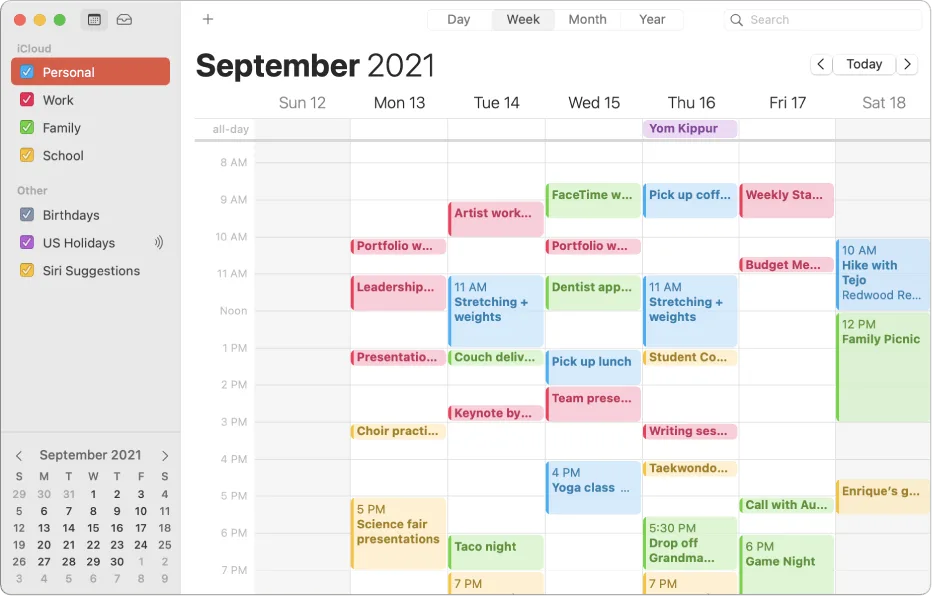
You've got meetings spilling across time zones, and a full inbox of scheduling requests you can't keep up with. Virtual assistant calendar management services fix this mess by pairing human help or smart software with your daily planning.
Our research shows the average small founder loses five hours a week to manual booking. Per the iCalendar standard (RFC 5545 from IETF), most modern tools sync cleanly when set up right. Let's look at why choosing the right model matters before you spend a dime.
Booking the wrong type of help wastes money and adds stress. A solo founder doesn't need a full-time executive assistant at three grand a month. A busy CEO can't run on a ten dollar app alone.
We've seen small teams burn cash on agency retainers they barely use. Others try a free AI scheduler and miss human touch on investor calls. The fix starts with matching your meeting volume to the service type.
Calendar management isn't just about slots. It's about trust, tone, and time zones. Pick a model that fits your real week, not the demo video.
Virtual assistant calendar management services come in four main types for different needs. AI apps handle simple bookings at low cost. Freelance VAs manage messy human scheduling.
Agencies add backup coverage. Full-time remote EAs support exec-level depth. Hybrid setups mix AI and human help for best value.
The practical differences explain when to use each option. Understanding the model saves you from a bad hire. We'll break down each one below.
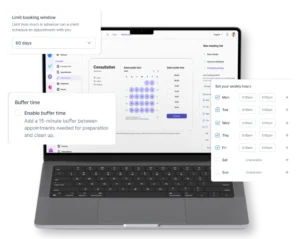
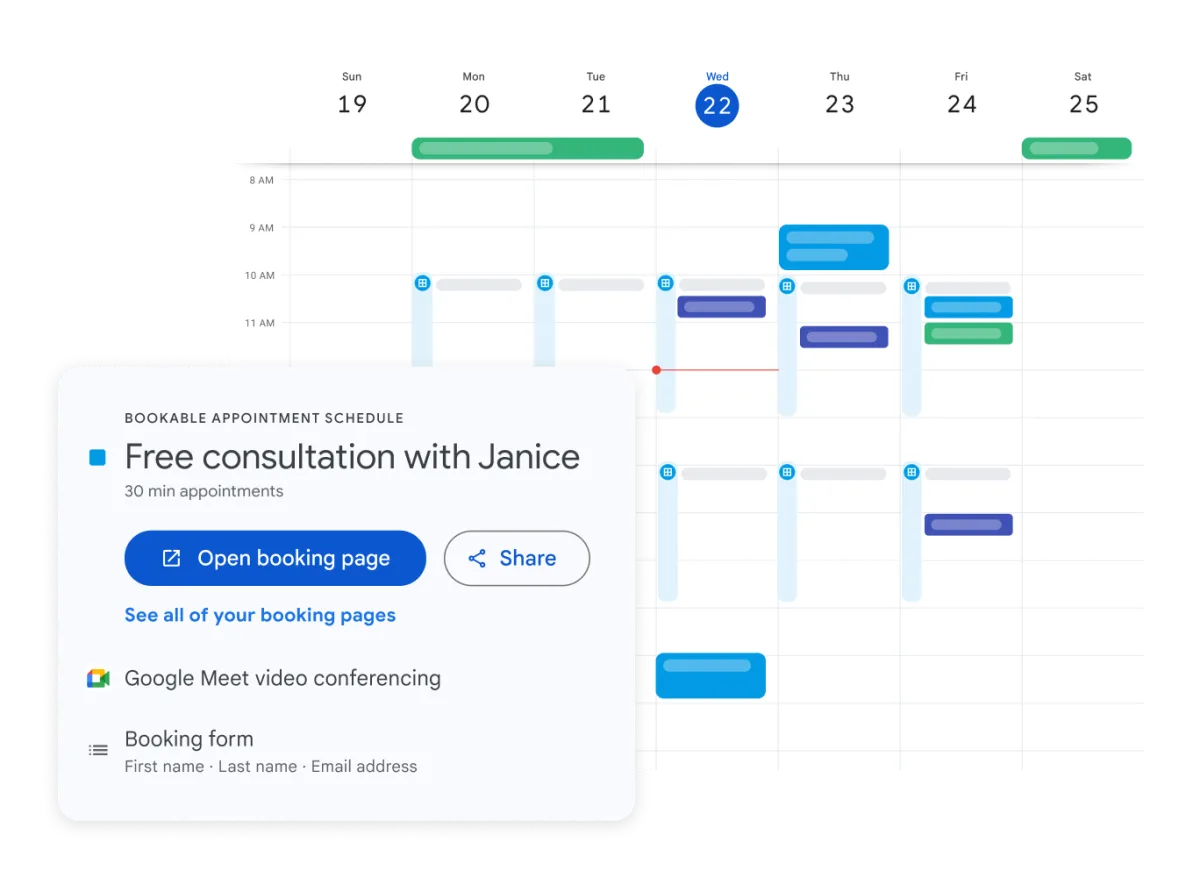
An AI scheduling app uses rule-based logic and calendar APIs to place meetings. You set buffer times, working hours, and a booking link. The system sends invites and resolves conflicts without a human.
Popular tools include Calendly and Motion. They connect to Google Calendar and Microsoft Outlook. Manufacturer specifications indicate Google Workspace supports calendar API access for these syncs.
This option fits repeatable bookings. It won't read a long email thread or show empathy.
A freelance virtual assistant is a real person you brief on preferences. They use your calendar login or a shared tool. They handle email threads, follow-ups, and messy back-and-forth.
You can find them on platforms like Upwork or Contra. The right skill set matters more than cheap rates. A clear brief keeps the relationship smooth from day one.
They work set hours or retainer. Their strength is judgment calls you can't automate.
An agency-backed VA is a freelancer backed by a company. You get a primary assistant plus backup if they're out. The agency trains them on standard operating procedures.
They use your accounts and handle light inbox triage. The U.S. Small Business Administration offers guidance on hiring virtual help for small firms.
That's a useful read before signing a contract.
Coverage is usually US business hours. You pay more for the safety net.
A remote EA works like an in-house employee, just off-site. They sit in meetings and learn your business rhythm. They handle sensitive board calls and travel.
Cost runs two thousand five hundred plus monthly as of 2026. This is exec-level depth for heavy calendars. Not many solopreneurs need this tier.
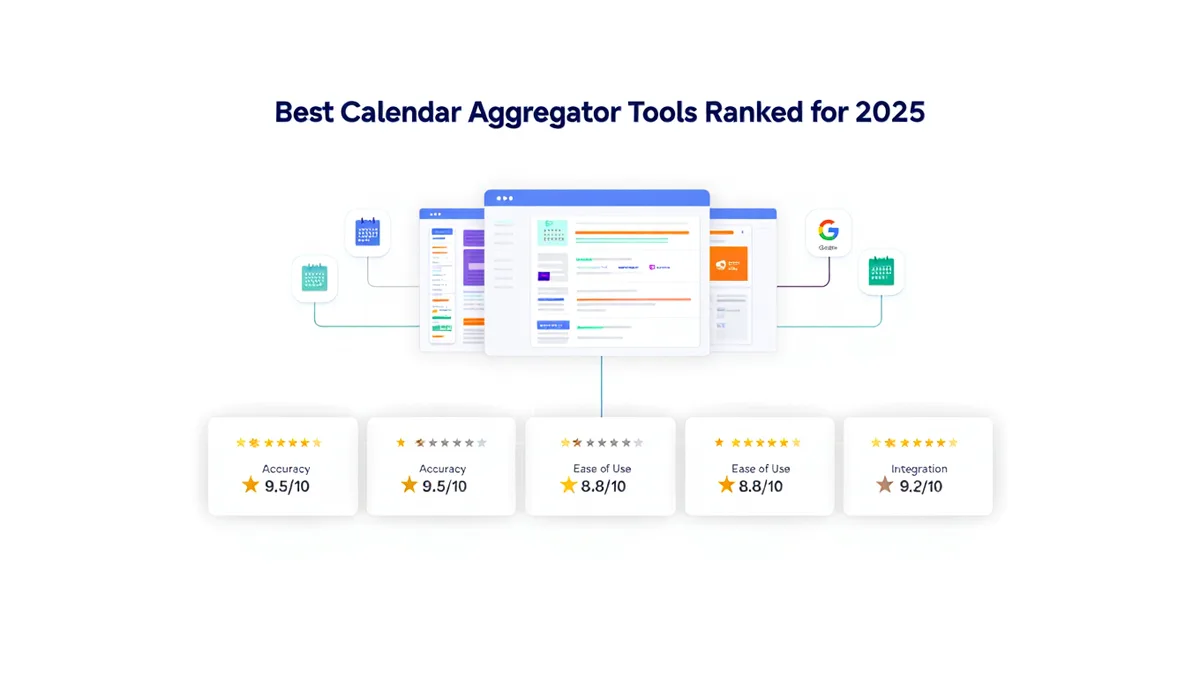
Here's how the four models compare on key traits. Use this to narrow your shortlist fast.
| Spec | AI App | Freelance VA | Agency VA | Remote EA |
|---|---|---|---|---|
| Human involvement | None | Full | Full + backup | Full dedicated |
| Typical cost/mo | $0-$50 | $200-$800 | $500-$1,500 | $2,500-$5,000+ |
| Timezone coverage | 24/7 | Contractor based | Biz hours US | Aligned to exec |
| Setup time | 10 mins | 1-2 days | 2-5 days | 1-2 weeks |
| Best for | Simple booking | Flexible chaos | Reliable coverage | Exec depth |
Monthly cost ranges come from aggregate market rates. The agency column adds redundancy you don't get solo.
This table maps common jobs to the best service. Bold means strong fit. Italic means it works but isn't ideal.
| Job / Task | Best Service | Why |
|---|---|---|
| Booking discovery calls | AI App | Share link, zero effort. |
| Multi-timezone team sync | Freelance VA | Wrangles offsets, sends reminders. |
| Last-minute cancellations | Agency VA | Backup covers quick reschedules. |
| Board meetings with NDA | Remote EA | Needs trusted insider. |
| Recurring weekly standups | AI App | Set and forget. |
| Complex travel plus meeting | Remote EA | Juggles flights and rooms. |
| Cold outreach setting | Freelance VA | Personal email touch. |
| Webinar sign-ups | AI App | Automated funnel. |
| Investor relation calls | Agency VA or EA | Polished handling. |
| Student tutoring slots | AI App | Simple slots. |
| Non-clinical medical booking | Freelance VA | Human empathy for calls. |
| Room double-book prevention | AI App | System conflict check. |
| Executive off-site planning | Remote EA | Deep logistics. |
| Small biz daily mix | Freelance VA | Affordable human filter. |
| High-volume sales demos | AI App + Freelance VA | App books, VA qualifies. |
| Legal client intake | Agency VA | Compliance trained. |
| International summit | Remote EA | Timezone and culture savvy. |
| Personal appointments | Freelance VA | Quick human ping. |
Tracking which tasks repeat most tells you if AI alone will cut it. Most readers land on a freelance VA or hybrid within a week.
This is the most common head to head, so we'll go deeper on each. You'll see clear splits in where they win.
Simple repeatable booking is the app's home turf. It places meetings in seconds with no email tag. A human wastes time on the same task.
Round the clock availability is another win. Prospects book at 2am and the system never sleeps. A freelance VA keeps office hours.
Cost at scale favors the app hard. Thousands of bookings cost the same flat fee. A VA bills by the hour and that adds up fast.
Built-in rules block double books without thought. Humans slip up under volume pressure. Conflict logic runs automatically in the background.
Zero training beats a long brief. You toggle settings and walk away. A VA needs a written preference sheet.
Messy group threads need a person. A VA reads a 12 message thread and finds the right slot. The app can't parse that noise.
Diplomacy matters on sensitive replies. Telling a big client your boss is out needs tone. The app sends a cold auto reply.
Context switches break rigid rules. When priorities shift midweek, a VA reprioritizes fast. The app follows fixed settings only.
Tool gaps show human value. Need to call a venue to confirm? A VA picks up the phone.
The app stays inside the calendar.
Quiet judgment protects focus. A VA notices your deep work block and guards it. The app just sees free space.
If you want help picking the right person, our notes on strong scheduling instincts cover the traits that matter.
Different crowds need different models. Here's how the splits look in practice.
Solo consultants and small firms do well with freelance VAs. They get affordable human filtering on a messy mix. Many also peek at delegating admin work to see if it fits.
Sales teams with high demo volume should run AI plus human. The app takes the booking, the VA qualifies the lead. That combo keeps the pipeline clean.
Executives with board and investor calls need a remote EA. The depth and NDA context can't come from a bot. Agencies can bridge the gap if budget is tight.
Distributed teams across time zones lean on freelance or agency VAs. They wrangle offsets while you sleep. Legal and health contexts need compliance trained hands.
For more on growing your hire, the training paths available help them level up. We've seen this cut onboarding time by days.
Most failures come from mismatch, not bad tools. Here's what to avoid.
Hiring a full-time EA for light needs burns cash. A hybrid or freelance setup often covers it. Review your actual meeting count first.
Skipping the briefing doc ruins VA handoffs. They guess, you get conflicts, trust drops. Setting clear briefs prevents the mess.
Trusting AI with sensitive client talks backfires. The robotic tone can sour a key relationship. Keep humans on high stakes calls.
Ignoring time zone overlap leaves gaps. If your VA sleeps during your peak, you miss slots. Match hours to your busy window.
Forgetting backup coverage risks blank weeks. A solo freelancer gets sick or goes dark. Agencies solve this with redundancy.
Good setup takes minutes for apps, days for humans. Here's the flow that works.
First, grant calendar permission through OAuth scope. Google Workspace and Outlook both support this cleanly. Manufacturer specs confirm the API sync stays stable.
Next, write a one page preference sheet for any human help. Cover hours, buffer times, and meeting tone. Link it in your project tool so they can reference it.
Then run a two-day shadow period for VAs. They watch your real threads and mimic your style. This catches gaps before they hit live calls.
Agency and EA setups add a quality check step. A manager reviews the first week of work. That layer catches errors a solo hire misses.
The International Association of Administrative Professionals publishes practice standards for EAs. Their framework helps you set sane expectations early.
If you meet often but hate admin, you'll land here. The combo is the best value for most founders.
Use an AI scheduler for link-based bookings. Let a freelance VA clean up the exceptions and emails. Most small firms run this at two hundred fifty to five hundred a month.
We've seen a solo consultant cut scheduling from five hours to thirty minutes weekly. No fancy agency, no full-time hire. Just the right tool for each job.
Some founders fund this through online earning methods with ease. It pays for itself in reclaimed selling time.

Start with the app, add human help when threads get messy. You'll feel the lift in the first week.
The monthly spread runs from zero to five grand depending on model. AI apps sit at zero to fifty bucks. Freelance VAs run two hundred to eight hundred.
Agency support costs five hundred to fifteen hundred monthly. That covers backup and QA review. Remote EAs start at two thousand five hundred and climb fast.
Hidden fees catch people off guard. Some platforms charge per user seat. Others bill onboarding as a separate line item.
| Model | Monthly Low | Monthly High | Common Extra |
|---|---|---|---|
| AI App | $0 | $50 | Add-on features |
| Freelance VA | $200 | $800 | Hourly overage |
| Agency VA | $500 | $1,500 | Setup fee |
| Remote EA | $2,500 | $5,000+ | Benefits load |
Retainer beats hourly for predictable loads. If your meeting count swings, hybrid saves most. We covered the skill building side if you train in-house later.
Watch the overtime clause in VA contracts. A cheap rate turns costly when threads pile up. Get the cap in writing before you start.
Calendar data shows your whole life. Client names, health slots, and board times all sit in there. You need hard privacy rules before granting access.
A signed NDA is bare minimum for any human helper. Agency and EA contracts include this by default. Freelancers often need a custom doc from you.
Regional law adds real weight. GDPR in Europe and CCPA in California govern personal data handling. Your VA must follow those if clients sit in those regions.
Platform API terms matter too. Google and Microsoft set scopes for calendar access. Limit permission to read-write on calendars only, not full drive.
For deeper reading on safe habits, the foundations of staff growth touch on training safe workflows. Keep access logged and reviewed each quarter.
Pick by volume and sensitivity. Low volume with simple bookings? Use an AI app and move on.
Messy threads with human tone needs? A freelance VA fits best. You get judgment without the full time cost.
If coverage can't slip, pick an agency. The backup alone pays for the premium. Execs with sensitive calls need a remote EA.
Most readers land on hybrid. App for booking, VA for exceptions. That mix cuts hours and keeps the human touch.
Start with one change this week. Add the app, watch the load drop. Bring in human help only when threads pile up.
They are human or software based help that books, shifts, and protects your meetings. The software type uses calendar APIs to auto place slots. The human type reads email and handles tone sensitive replies for you.
AI apps cost zero to fifty dollars monthly. Freelance VAs run two hundred to eight hundred. Agency models sit at five hundred to fifteen hundred, and full time remote EAs start near two thousand five hundred as of 2026.
Neither wins outright. AI beats humans on speed and cost for repeat bookings. Humans win on messy threads and diplomacy.
Most busy founders use both in a hybrid setup for best results.
AI apps need about ten minutes to connect. Freelance VAs take one to two days for briefing. Agencies run two to five days, and a full time remote EA needs one to two weeks of shadowing.
Yes, if you use a signed NDA and limit API scope. Agency and EA contracts include confidentiality by default. Follow GDPR or CCPA rules when client data crosses those regions.
Review access logs each quarter.
You can shift any time without lock in on most apps. Freelance VAs end per contract terms, often weekly. Agencies may require thirty days notice.
Plan the exit before you sign.

Sofia Grant is a business efficiency expert with over a decade of experience in digital strategy and affiliate marketing. She helps entrepreneurs scale through automation, smart tools, and data-driven growth tactics. At TaskVive, Sofia focuses on turning complex systems into simple, actionable insights that drive real results.











A virtual assistant appointment reminder can be the difference between full days and expensive gaps. Missed appointments bleed revenue faster than most…
 Image source: Bing (Web (fairuse with source…
You’re weighing a virtual assistant for appointment scheduling because the email backandforth is eating your day. Pick wrong and you’ll either scare off…