⚠️ Disclosure: This post contains affiliate links. We may earn a commission at no extra cost to you.
⚠️ Disclosure: This post contains affiliate links. We may earn a commission at no extra cost to you.

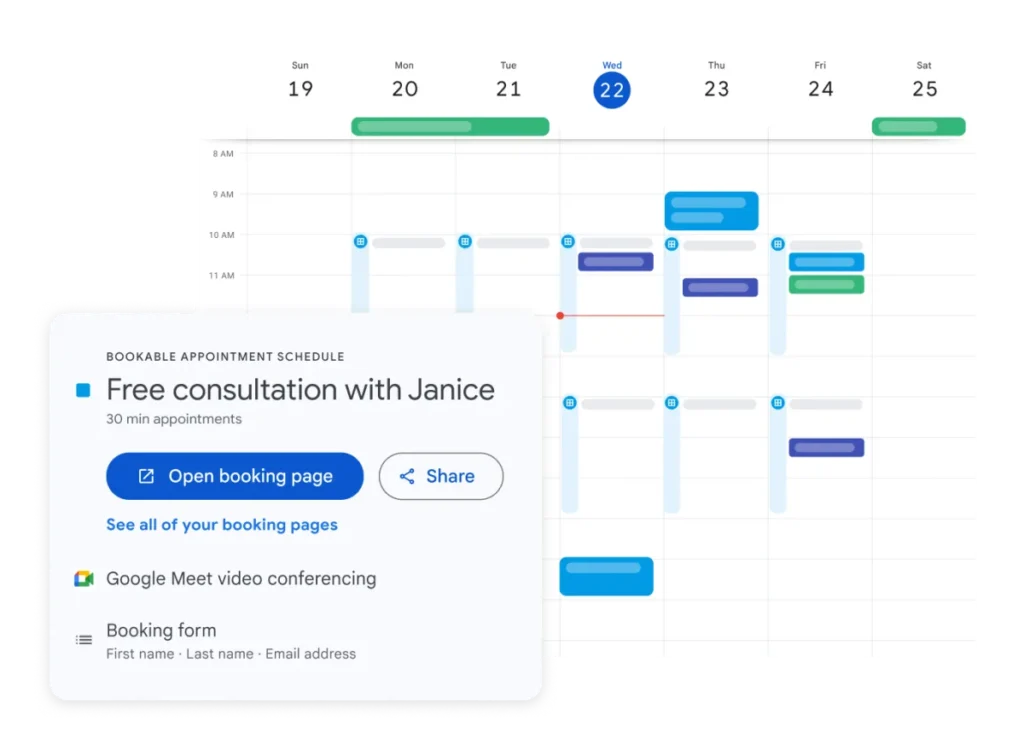
You're weighing a virtual assistant for appointment scheduling because the email back-and-forth is eating your day. Pick wrong and you'll either scare off clients with a clunky bot or overpay for a person who does what a free app could.
Aggregate reviews report part-time human VAs cost $300 to $1500 monthly as of 2026. The U.S. Department of Health and Human Services states any tool handling patient data needs a Business Associate Agreement.
Let's cut through the noise and find your fit.
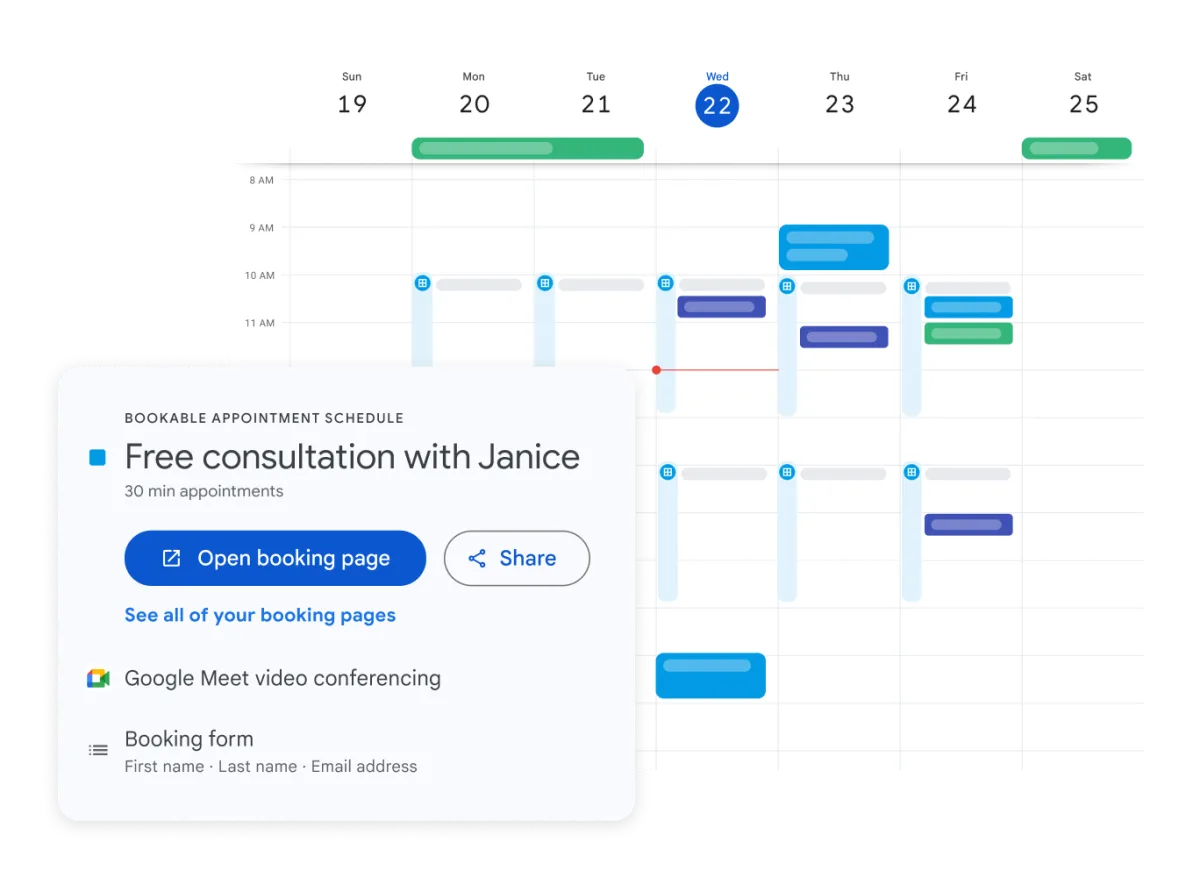
A virtual assistant for appointment scheduling covers four models. Human VAs give personal touch. Automated apps self-serve at low cost.
AI chatbots handle complex coordination. Hybrids blend both for busy teams.
Most folks think any calendar tool will do. The reality is that mismatched booking setups create no-shows and client friction.
A solo coach can run on a simple app. A clinic with intakes needs human judgement or strict compliance. Our research shows the right match cuts admin time by hours each week.
That free time is why delegation works well for small firms.
The inner mechanics explain why one option beats another for specific jobs. Understanding the engine behind each helps you avoid costly swap-outs later.
A real person checks your inbox or board and matches requests to your calendar. They use judgement when a client mentions a childcare conflict or a preferred morning slot.
They learn your preferences over weeks of working together. Communication happens by email, phone, or chat. The bottleneck is human hours, so volume caps at roughly 20 to 40 bookings daily.
This tool uses natural language processing to read a request like "next Tuesday afternoon". It proposes times, syncs with your calendar, and adjusts when someone declines.
It never sleeps, but it can misfire on ambiguous instructions. Setup means connecting accounts and training it on your rules. Manufacturer specs confirm most platforms integrate with Google Workspace and Outlook within one to three days.
You set available hours, buffer times, and meeting lengths. The app shows a clean link, visitors pick a slot, and it writes to your calendar.
No conversation happens, just rules. Great for repeatable calls, weak for "I need to coordinate three departments". Many find that a clear booking page removes the classic email tag.
AI handles first touch like booking and reminders. If something weird pops up, a human steps in.
You get 24/7 coverage without a full-time salary. This model suits practices with both volume and nuance. Training your remote helper on escalation paths makes the handoff smooth.
Good training material speeds that up.
Raw tool type matters less than the functions underneath. Focus on the attributes that touch your daily workflow.
Two-way sync with Google or Outlook prevents double-booking. Automatic time-zone detection saves global teams from 9am mix-ups.
Manual entry invites errors, especially across daylight saving shifts. Our analysis shows sync lag is the top complaint in aggregate reviews. The right hire skills include checking the integration before sign-up.
SMS and email reminders drop no-shows by 10 to 30 percent. Self-service reschedule links keep your inbox clear.
Custom intake questions capture details a form would miss. For example, a clinic can ask about insurance before the visit. The Federal Trade Commission guides SMS rules under CAN-SPAM and TCPA, so keep consent logs.
Human VAs answer calls. Software usually does not. CRM plugs like Zoom or Teams auto-populate meeting links.
Payment capture at booking reduces dead beats. PCI-DSS applies when you take cards, per standards bodies. A solid onboarding guide helps your assistant manage these connections.
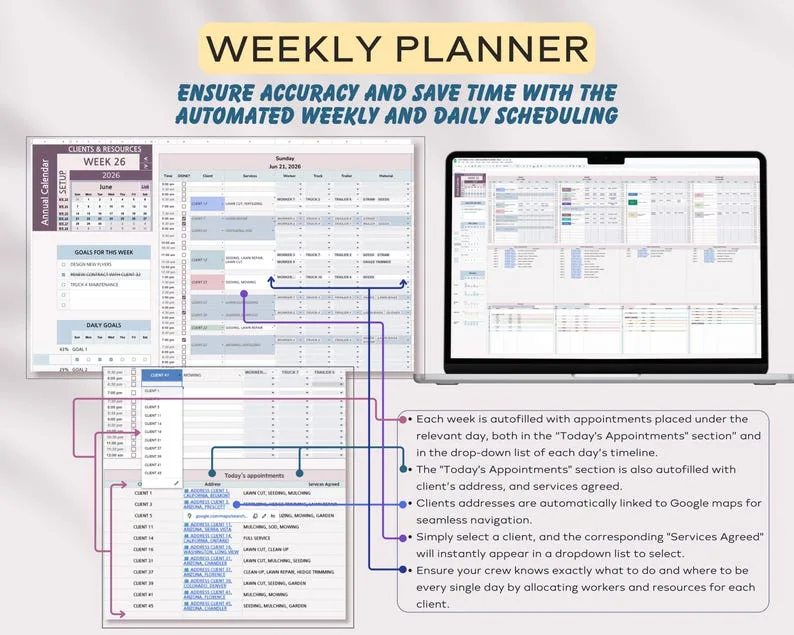
Here is the data that drives the decision. Numbers reflect part-time use as of 2026.
| Type | Monthly Cost | Setup Time | Max Bookings/Day | Best For |
|---|---|---|---|---|
| Human VA | $300-$1500 | 1-2 weeks | 20-40 | VIP, nuance |
| AI Chatbot | $50-$300 | 1-3 days | Unlimited | Complex coord |
| Automated App | $0-$30 | 30 mins | Unlimited | Simple slots |
| Hybrid | $200-$600 | 3-7 days | Unlimited | Busy ops |
The table shows clear trade-offs. Human help costs most but brings empathy. Apps are cheap and instant yet lack brainpower.
When you compare options, look at response time too. Apps reply in seconds, human VAs in hours. The top skills for remote staff include fast written communication, which keeps delays small.
A simple lookup table settles most doubts fast. Match your real job to the model that fits.
| Job / Task | Best Type | Why |
|---|---|---|
| Discovery calls from site | Automated App | Visitor books in seconds, gets invite. |
| Board meet with 6 execs | AI Chatbot | Polls calendars, finds overlap. |
| Rescheduling nervous patient | Human VA | Empathy and policy explained kindly. |
| Weekly coaching sessions | Automated App | Recurring rules need no chat. |
| Cross-country panel interview | AI Chatbot | Timezone math solved automatically. |
| Last-minute cancel with waitlist | Hybrid | AI notifies, human rebooks VIP. |
| Wedding consult with questions | Human VA | Captures details a form misses. |
| Reminder for tomorrow's call | Automated App | Auto SMS or email trigger. |
| Walk-in during open hours | Human VA | Judges if slot truly free. |
| Training for 30 employees | Automated App | Group link, no fuss. |
The pattern is clear. Routine and repeatable jobs go to software. Anything with emotion or weird constraints needs a person.
If you run a hybrid, the smooth booking experience keeps clients calm during handoffs. Our research shows clear expectations cut complaint rates.
This face-off is the most common. Here is where each one wins.
Sensitive conversations need warmth. A person catches anxiety in a note and replies kindly, while an app just sends a link.
Messy constraints need judgement. "I can only meet when my caregiver is here" requires reshaping your day. High-value clients remember being treated like humans.
That retention protects your revenue.
Phone calls matter to many B2B buyers. A VA answers, an app stays silent. For steady oversight habits that keep quality high, set a weekly check.
Speed beats everything for cold prospects. They click, book, and get a calendar invite in ten seconds. A VA might take an hour.
Cost stays near zero on free tiers. The app works while you sleep, with no hour caps. Rules apply the same every time, so no typo'd links or missed buffers.
Most failures come from sloppy configuration, not bad tools. Avoid these traps.
Sync lag causes double-booking. Always test the two-way connection after OAuth setup, and watch for delayed writes.
Timezone errors annoy global clients. Turn on automatic detection and never let manual entry slip through. Our main resource hub covers growing their capability if you train a VA on this.
Skipping reminders tanks show-up rates. Enable SMS and email confirmations at minimum. Another error is leaving public links open to bots, so cap daily slots and require email verification.
Booking tools touch personal data, so the law applies. Ignore this and you risk fines or lost trust.

Health info falls under HIPAA in the US. The Department of Health and Human Services states any vendor handling patient data must sign a Business Associate Agreement. Verify your tool does this before going live.
EU users get GDPR protection, and California has CCPA. Both require clear consent for data storage. For card payments at booking, PCI-DSS sets the security bar.
SMS reminders must follow TCPA and CAN-SPAM rules. The Federal Trade Commission publishes the guidance, so keep consent records. Encrypt data in transit and at rest per ISO/IEC 27001 practice.
Small tweaks save hours each week. Start with clean OAuth links to calendar and email.
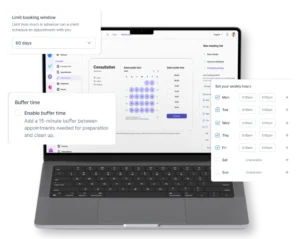
Set buffer times between meetings to avoid back-to-back burnout. Use minimum notice rules so nobody books in the past.
Run a weekly calendar audit with your helper. A short regular audit routine catches sync drift early. Train AI on blackout dates so holidays stay free, and watch booking conversion to spot friction.
Most readers land here needing a practical path. Our research shows the hybrid setup wins for growing teams.
Start with an automated scheduling app for self-serve bookings. Add a human VA a few hours weekly for escalations and warm outreach.
If you handle health data, confirm HIPAA signing before launch. The remote help pays off when repeat tasks free your brain for revenue work.
For solos, the app alone covers discovery calls and coaching. Busy clinics should review the key traits to screen before hiring a person.
The combo costs less than a full-time receptionist. You keep personal touch without the salary drag.
Run a monthly review of no-show rates and booking conversion. Tighten rules as you learn client behavior.
It is a service or tool that manages your calendar bookings on your behalf. The term covers human VAs, AI chatbots, and automated apps. Each model handles invites, reschedules, and reminders differently based on your setup and rules.
You pick the model by volume, tone, and compliance needs.
Part-time human VAs run $300 to $1500 monthly as of 2026. Rate depends on hours, region, and task complexity. Automated apps cost $0 to $30, while hybrids land at $200 to $600.
Free tiers suit solos, paid tiers add CRM and SMS. Budget for training time on human help.
Yes, AI chatbots excel at multi-attendee polls across time zones. They read natural language requests and propose overlaps fast. They struggle with nuance, so a human backs the tricky cases.
Most platforms link to Google or Outlook directly to finish the loop without email threads.
If you store patient health info in the US, yes. The tool vendor must sign a Business Associate Agreement per HHS rules. General coaching or sales booking does not trigger HIPAA.
Encryption and access logs are baseline needs for any signed setup. Always verify before client data flows.
Apps need about 30 minutes to connect calendars. AI chatbots take one to three days for training. Human VAs need one to two weeks for onboarding and context building.
Hybrid services fall between, around three to seven days total. Test the link before client traffic.
Sync lag between calendar and app causes most overlaps. Always test two-way OAuth writes after setup. Manual timezone entry also creates clashes, so enable auto detection.
Weekly audit catches drift before clients notice the conflict. Use buffer times to absorb delays.

Sofia Grant is a business efficiency expert with over a decade of experience in digital strategy and affiliate marketing. She helps entrepreneurs scale through automation, smart tools, and data-driven growth tactics. At TaskVive, Sofia focuses on turning complex systems into simple, actionable insights that drive real results.








Virtual assistant meeting reminders are the silent guardians of our busiest days, turning chaotic schedules into manageable routines. By learning how these…
Virtual assistant calendar organization uses tools and techniques to automate scheduling, sync multiple calendars, and reduce manual planning tasks. Whether…
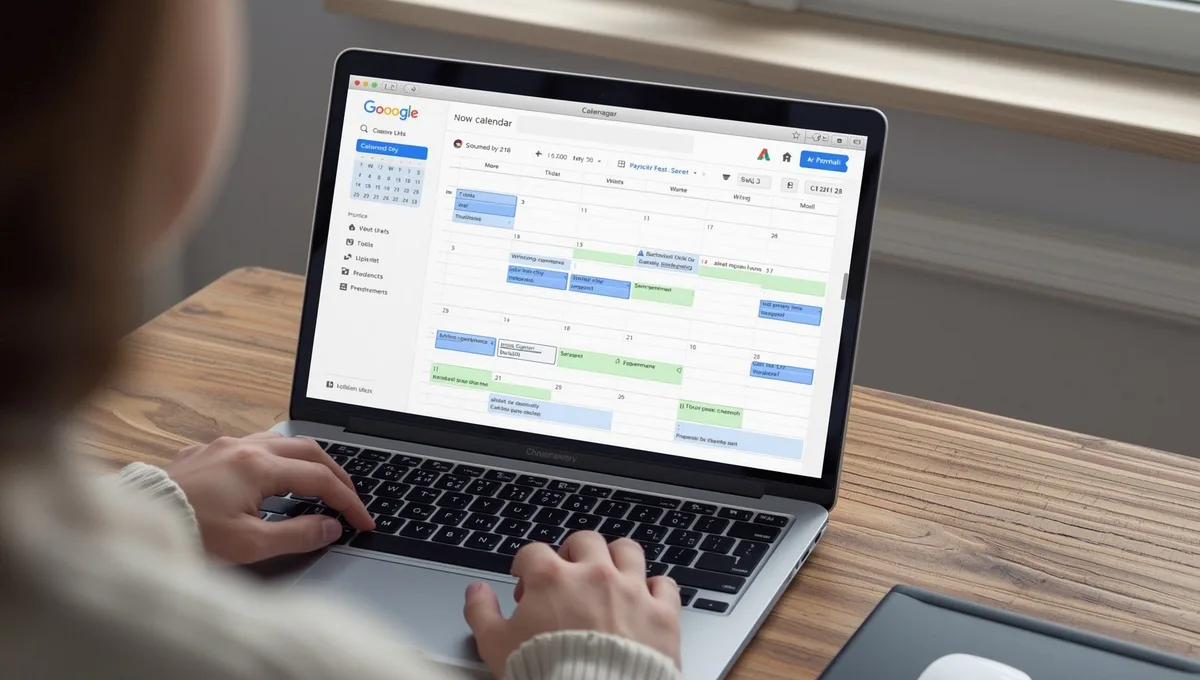
I know you’ve spent way too many mornings playing Tetris with your schedule across four or five different apps. A virtual assistant to manage multiple…