


Are you thinking about hiring a virtual assistant but aren’t sure if it’s the right move for you? You’re not alone.
Virtual assistants can save you time and ease your workload, but they also come with challenges you need to know about. Understanding the pros and cons will help you make a smart choice that fits your needs perfectly. Keep reading to discover what could make a virtual assistant your best decision—or your biggest headache.
Credit: supportzebra.com
Benefits Of Hiring Virtual Assistants
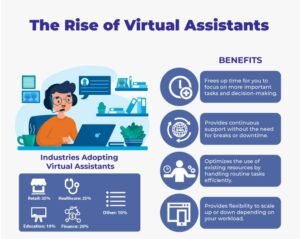
Hiring virtual assistants brings many benefits to businesses of all sizes. They help save money, increase work flexibility, and boost team productivity. Virtual assistants can handle a wide range of tasks, freeing up time for important projects. This section explores key advantages of using virtual assistants.
Cost Savings Compared To In-house Staff
Virtual assistants reduce costs significantly. No need to pay for office space, equipment, or employee benefits. You only pay for the hours worked or specific tasks completed. This makes budgeting easier and cuts down overhead expenses. Small businesses especially benefit from these savings.
Flexibility And Scalability
Virtual assistants offer great flexibility. They work according to your schedule and needs. You can hire them for short-term projects or ongoing tasks. Scaling your team up or down becomes simple and fast. This helps businesses adapt quickly to changes and demands.
Access To Diverse Skill Sets
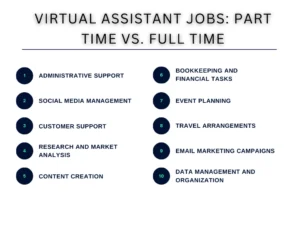
Virtual assistants bring various skills to the table. From administrative work to social media management and customer support. You get access to experts without hiring full-time staff. This variety helps handle many tasks efficiently and with high quality.
Increased Productivity And Focus
Delegating routine tasks to virtual assistants frees your time. You can focus on core business activities and growth strategies. Teams work more efficiently with fewer distractions. This leads to better results and faster progress.

Credit: www.rentecdirect.com
Common Challenges With Virtual Assistants
Virtual assistants offer many benefits, but they also bring some challenges. Understanding these common issues helps businesses prepare and adapt. These challenges affect daily work and team dynamics.
Communication Barriers
Clear communication is vital for virtual assistants. Language differences can cause misunderstandings. Sometimes, tone and intent get lost in messages. Delays in responses slow down work progress. Using simple language and confirming tasks help reduce errors.
Time Zone Differences
Virtual assistants often work from different time zones. This gap can cause delays in replies and project updates. Scheduling meetings becomes difficult. Overlapping work hours are limited. Planning ahead and setting clear deadlines improve collaboration.
Security And Confidentiality Risks
Sharing sensitive data with virtual assistants involves risks. Personal and business information must stay protected. Weak security practices can lead to data breaches. Using secure tools and signing confidentiality agreements increase safety. Regular training on data protection is important.
Managing Remote Teams Effectively
Leading virtual assistants requires new skills. Managers need to track progress without micromanaging. Building trust and motivation is harder at a distance. Clear goals and regular check-ins keep teams aligned. Using project management tools helps organize tasks efficiently.
Key Skills To Look For
Choosing the right virtual assistant means knowing which skills matter most. The right skills help your assistant do tasks well and save you time. Some skills are must-haves for smooth teamwork and success. Here are key skills to watch for in a virtual assistant.
Technical Proficiency
A virtual assistant must know basic tools and software. They should handle email, calendars, and online documents easily. Familiarity with social media and communication apps is useful. Some roles need skills in spreadsheets or simple graphic design. Tech-savvy assistants work faster and make fewer mistakes.
Strong Communication Skills
Clear communication is essential for virtual work. Your assistant must understand instructions and ask questions if unclear. They should write and speak simply and politely. Good communication avoids errors and delays. Timely updates keep projects on track.
Reliability And Time Management
Dependability means meeting deadlines and showing up on time. A virtual assistant should organize tasks well and manage time wisely. They must balance multiple duties without losing focus. Reliable assistants build trust and reduce your stress.
Problem-solving Abilities
Challenges come up often in daily work. Your assistant should find solutions quickly and think creatively. They must stay calm under pressure and handle surprises well. Problem-solving skills help keep projects moving forward smoothly.

Credit: www.welcomeware.live
Hiring Strategies For Success
Hiring the right virtual assistant is key to success. A smart approach saves time and money. It also boosts productivity and smooths your work.
Clear steps help you find the best fit. You learn where to search, how to check skills, and ways to set clear goals. Try short tests and check their work regularly. This builds trust and good results.
Where To Find Qualified Virtual Assistants
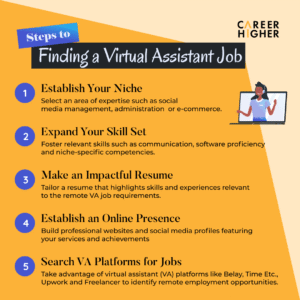
Start with popular job sites like Upwork, Freelancer, and Fiverr. These platforms have many skilled assistants. Use social media groups and professional networks too. Post clear job descriptions to attract the right candidates. Check reviews and ratings to pick reliable workers.
Interviewing And Screening Tips
Prepare simple questions that match the job. Ask about experience and task handling. Test communication skills with a short chat or email. Look for honesty and a positive attitude. Use sample tasks to check real ability before hiring.
Setting Clear Expectations And Goals
Explain tasks and deadlines clearly. Share how you want work done. Set measurable goals for easy tracking. Use tools like Trello or Asana for task management. Regular updates keep everyone on the same page.
Trial Periods And Performance Reviews
Start with a short trial to test skills. Observe work quality and time management. Give feedback and support during this time. After the trial, hold reviews to discuss progress. Decide together if the partnership should continue.
Tools To Support Virtual Assistants
Virtual assistants need the right tools to work well. These tools help them stay organized, communicate fast, and finish tasks on time. They make the work smoother and help avoid confusion. The right software and apps keep everything clear and simple.
Communication Platforms
Virtual assistants use communication platforms to talk with clients and teams. Apps like Zoom, Slack, and Microsoft Teams help send messages and hold meetings. These platforms allow quick replies and clear talks. Good communication stops mistakes and saves time.
Project Management Software
Project management software helps virtual assistants keep track of tasks. Tools like Trello, Asana, and Monday.com organize work into lists and deadlines. They show what is done and what is next. This software keeps projects on track and easy to follow.
Time Tracking Solutions
Time tracking tools help virtual assistants record hours spent on tasks. Apps like Toggl and Clockify show how long work takes. This helps with billing and improving work speed. Tracking time also shows where to focus and save effort.
File Sharing And Collaboration Tools
File sharing tools let virtual assistants share documents with clients safely. Google Drive, Dropbox, and OneDrive store and share files easily. These tools allow many people to work on the same file. Collaboration becomes simple, and files stay organized.
Maximizing The Virtual Assistant Relationship
Working well with a virtual assistant brings many benefits. It helps save time and improve work quality. Getting the most from this relationship needs effort and clear communication. Small steps can create a strong, productive partnership.
Building Trust And Rapport
Trust is the base of any good working relationship. Share clear instructions and be honest about expectations. Take time to learn about your assistant’s skills and personality. Simple messages or video calls help build connection and understanding.
Providing Regular Feedback
Feedback guides your assistant to do better work. Give clear, kind comments on tasks done well or needing change. Avoid waiting too long to talk about issues. Regular check-ins keep the work on track and boost confidence.
Encouraging Professional Growth
Support your assistant’s learning and skill building. Suggest courses or new tasks that match their interests. Growth makes the work more interesting and improves results. Happy assistants work harder and stay longer.
Aligning Tasks With Strengths
Assign tasks that fit your assistant’s skills. Focus on what they do best to save time and avoid errors. Switch up tasks if needed to keep motivation high. Matching strengths to work creates better outcomes and less stress.
Frequently Asked Questions
What Are The Main Advantages Of Hiring A Virtual Assistant?
Virtual assistants save time by handling routine tasks efficiently. They reduce overhead costs and increase productivity. They offer flexible support tailored to your needs. VAs can work remotely, providing access to global talent. This helps businesses focus on core activities and growth.
What Are Common Drawbacks Of Using Virtual Assistants?
Virtual assistants may face communication challenges due to remote work. Time zone differences can cause delays in task completion. Lack of direct supervision might affect work quality. Security concerns arise when sharing sensitive information online. These cons require careful management to ensure success.
How Do Virtual Assistants Improve Business Productivity?
By managing administrative tasks, VAs free up your time. They handle scheduling, emails, and data entry efficiently. This allows you to focus on strategic planning and client relations. Their support streamlines workflows, reduces workload stress, and boosts overall productivity.
Are Virtual Assistants Cost-effective For Small Businesses?
Yes, virtual assistants reduce expenses by eliminating office space and equipment costs. They are usually paid per task or hour, offering budget flexibility. Small businesses gain professional support without long-term commitments, making VAs a cost-effective solution.
Conclusion
Virtual assistants offer many benefits like saving time and handling tasks. They also have downsides such as lack of personal touch and occasional errors. Choosing the right assistant depends on your needs and budget. Weigh the pros and cons carefully before deciding.
This balance helps you work smarter and stay focused. Virtual assistants can be useful tools when used wisely. Keep your goals clear and communicate well for best results. The right choice can ease your workload and improve productivity.

Ms.Sultana brings over 16 years of expertise working with global Clients by providing different skills and Services. For the last 5 years working as an Affiliate marketer, specializing in high-ticket campaigns that drive exponential growth. She holds a degree in Computer Science and Engineering as well as achieved many more skills certificates from different institute/academies/Platform. As part of the Elite Global Marketing team, Sultana has helped clients generate millions in revenue through strategic partnerships, innovative funnels, and data-driven insights.