
Virtual assistant remote jobs offer flexible hours, varied tasks, and steady income potential.
I’ve spent years helping small business owners and entrepreneurs as a virtual assistant, and I know what makes virtual assistant remote jobs work — and what trips people up. This guide breaks down the landscape, the skills you need, how to find real work, and how to build a sustainable remote VA career. Read on for practical steps, honest lessons, and tools you can use today to land and excel in virtual assistant remote jobs.

What are virtual assistant remote jobs?
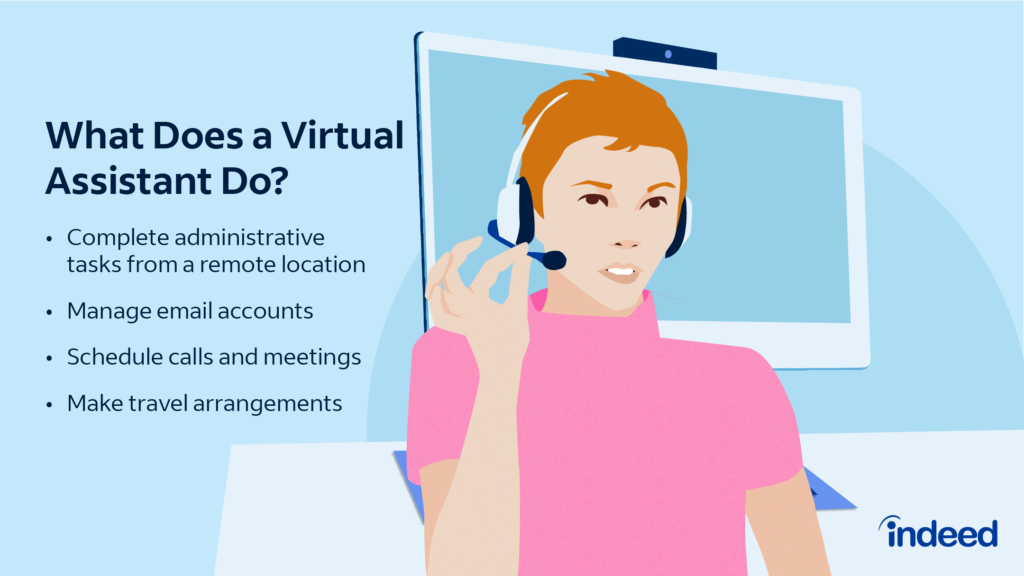
Virtual assistant remote jobs are roles where you support clients or companies from a distance. Tasks can be simple, like email management, or complex, like project coordination and bookkeeping. Most VAs work from home, use cloud tools, and communicate by chat, email, and video calls. These jobs can be freelance, part-time, or full-time with steady clients.
Types of virtual assistant remote jobs
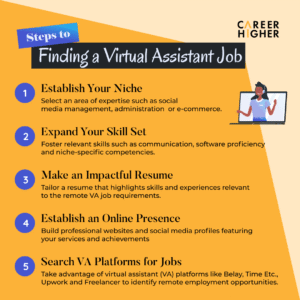
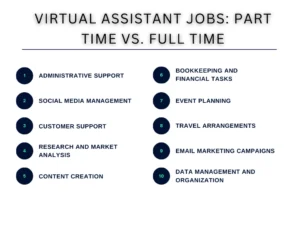
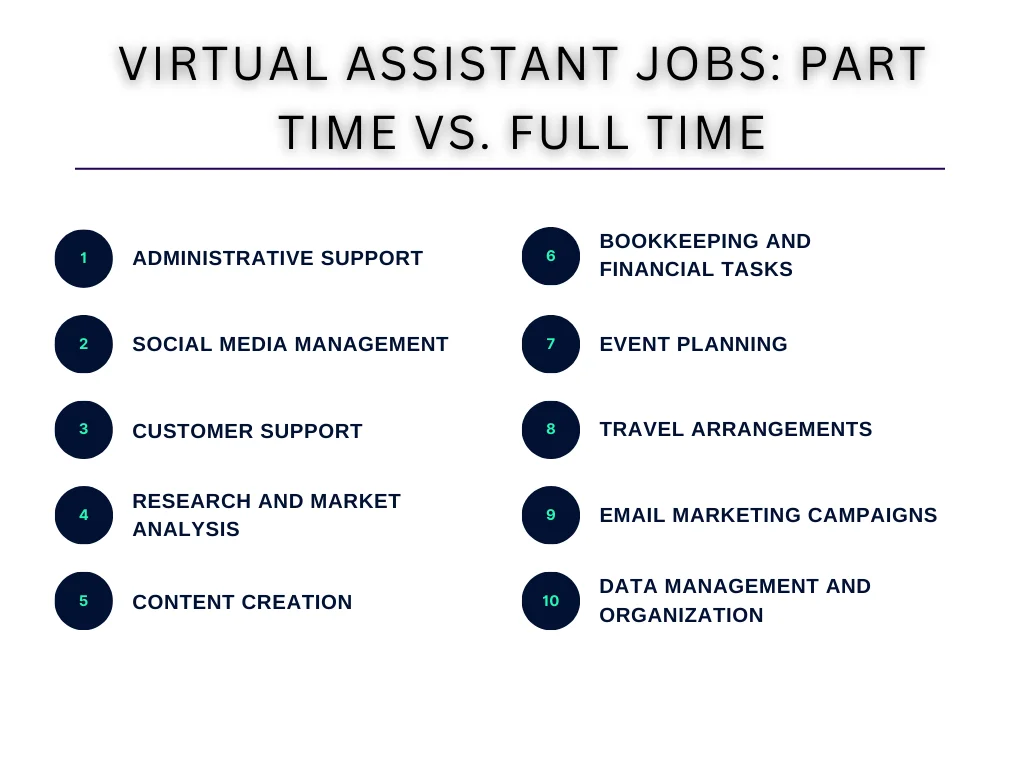
There are many niches inside virtual assistant remote jobs. Picking one makes finding clients easier.
- Administrative virtual assistant
- Handles email, calendar, travel, and data entry.
- Social media virtual assistant
- Schedules posts, writes captions, and tracks engagement.
- Specialized virtual assistant
- Offers skills like bookkeeping, graphic design, or SEO.
- E-commerce virtual assistant
- Manages listings, customer messages, and orders.
- Real estate virtual assistant
- Prepares listings, schedules showings, and manages leads.
- Executive virtual assistant
- Supports high-level planning, presentations, and communications.
Choosing a niche helps you charge more and attract the right clients. I started generalist and then specialized in social media support, which doubled my rates within a year.
Skills and tools needed for virtual assistant remote jobs
Clients hire VAs for reliable skills and clear communication. Build both.
Core skills
- Clear written and verbal communication.
- Time management and task prioritization.
- Basic tech literacy and quick learning.
- Client-facing professionalism and confidentiality.
Technical skills that boost your value
- Email platforms: Gmail, Outlook.
- Calendaring: Google Calendar, Calendly.
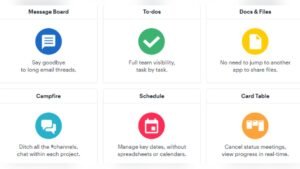
- Project tools: Trello, Asana, Notion.
- Communication: Slack, Zoom, Microsoft Teams.
- File sharing and collaboration: Google Drive, Dropbox.
- Niche tools: Shopify for e-commerce, QuickBooks for bookkeeping, Canva for design.
Soft skills matter as much as tools. I learned that being calm under pressure and owning mistakes wins repeat clients. Offer small samples to prove skills fast.

How to find and land virtual assistant remote jobs
Finding work takes a mix of platforms, outreach, and credibility.
Where to look
- Freelance marketplaces: Use them to build reviews and initial clients.
- Remote job boards: Filter for virtual assistant remote jobs and niche VA roles.
- Social media and communities: Join groups where small business owners post needs.
- Direct outreach: Email targeted businesses with a clear offer and examples.
How to pitch
- Start with a short, client-focused message.
- Show one clear result you delivered before.
- Offer a trial task or short fixed-price job.
- Include rates or a range and availability.
Interview tips
- Be punctual and prepared with examples.
- Ask about tools they use and expected daily tasks.
- Clarify work hours, response time, and deliverables.
I landed my first steady client by pitching a simple inbox cleanup project. I delivered fast, added a small improvement they didn’t expect, and that turned into ongoing work.

Setting rates, contracts, and taxes for virtual assistant remote jobs
Pricing and legal setup protect you and create stable income.
Pricing models
- Hourly rates are common for beginners and flexible work.
- Project-based prices work for defined deliverables.
- Monthly retainer is best for steady workload and predictable income.
How to set rates
- Research market rates for your niche and skill level.
- Start slightly above your minimum and raise rates for repeat clients.
- Offer tiers: basic, standard, premium.
Contracts and expectations
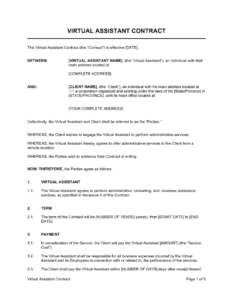
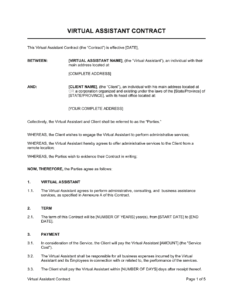
- Always use a simple contract or agreement.
- Include scope, deliverables, timelines, payment terms, and termination.
- Add confidentiality and data handling clauses for sensitive tasks.
Taxes and legal considerations
- Track income and expenses from day one.
- Set aside part of each payment for taxes.
- Consider registering as a sole proprietor or forming an LLC for liability protection.
A clear contract saved me time when scope creep started. Ask for a retainer or deposit before major work to reduce risk.

Day-to-day workflow and productivity tips for virtual assistant remote jobs
A consistent routine keeps you efficient and professional.
Daily routine examples
- Start with a 15-minute check-in: prioritize client tasks.
- Time-block focused work for 60–90 minutes.
- Schedule buffer time for urgent requests and email.
- End with a short client update or task list for the next day.
Productivity tools and habits
- Use a task manager to track each client’s requests.
- Automate repetitive tasks with templates and canned responses.
- Keep a clear folder structure in cloud storage for each client.
- Use time-tracking for hourly clients and personal performance review.
I use short daily checklists and a weekly review session. It helps me catch small issues before they become big problems.

Common mistakes and how to avoid them in virtual assistant remote jobs
New VAs often repeat the same slip-ups. Here’s how to avoid them.
- Undercharging
- Value your time and set a sustainable rate early.
- No contract
- Use a short agreement for every client to prevent misunderstandings.
- Poor communication
- Confirm requests and deadlines in writing.
- Trying to do everything
- Specialize or subcontract tasks that are outside your range.
- Ignoring boundaries
- Set clear work hours and response expectations.
I once took on a client without discussing scope and ended up working unpaid extra hours. Now I stop scope creep with a quick scope update and change order.

Frequently Asked Questions of virtual assistant remote jobs
What qualifications do I need to become a virtual assistant?
Most virtual assistant remote jobs do not require formal degrees. Clients value proven skills, reliability, and good communication. Build a portfolio with small projects or volunteer work.
How much can I earn as a virtual assistant?
Earnings vary widely by niche, experience, and location. Beginners often start at lower hourly rates, while experienced or specialized VAs can earn much more, especially on retainers.
How do I handle multiple clients at once?
Use time-blocking and clear turnarounds. Keep a master schedule and set client expectations for response times and work windows. Consider limiting client count as you grow.
Should I work through platforms or find clients directly?
Both routes work. Platforms help you build credibility early. Direct clients often pay better and lead to long-term relationships. Mix both to scale safely.
How do I protect client data and privacy?
Use secure passwords, two-factor authentication, and discuss data handling in your contract. Limit access to only what you need and use trusted tools for file sharing.
Conclusion
Virtual assistant remote jobs offer real flexibility and steady income when you start with skills, clarity, and good habits. Focus on a niche, build trust with clear communication, and protect yourself with simple contracts and rates that reflect your value. Try a small client project, track your wins, and scale step by step. If you found this helpful, leave a comment, subscribe for more guides, or test one tip today to move your VA career forward.

Sofia Grant is a business efficiency expert with over a decade of experience in digital strategy and affiliate marketing. She helps entrepreneurs scale through automation, smart tools, and data-driven growth tactics. At TaskVive, Sofia focuses on turning complex systems into simple, actionable insights that drive real results.