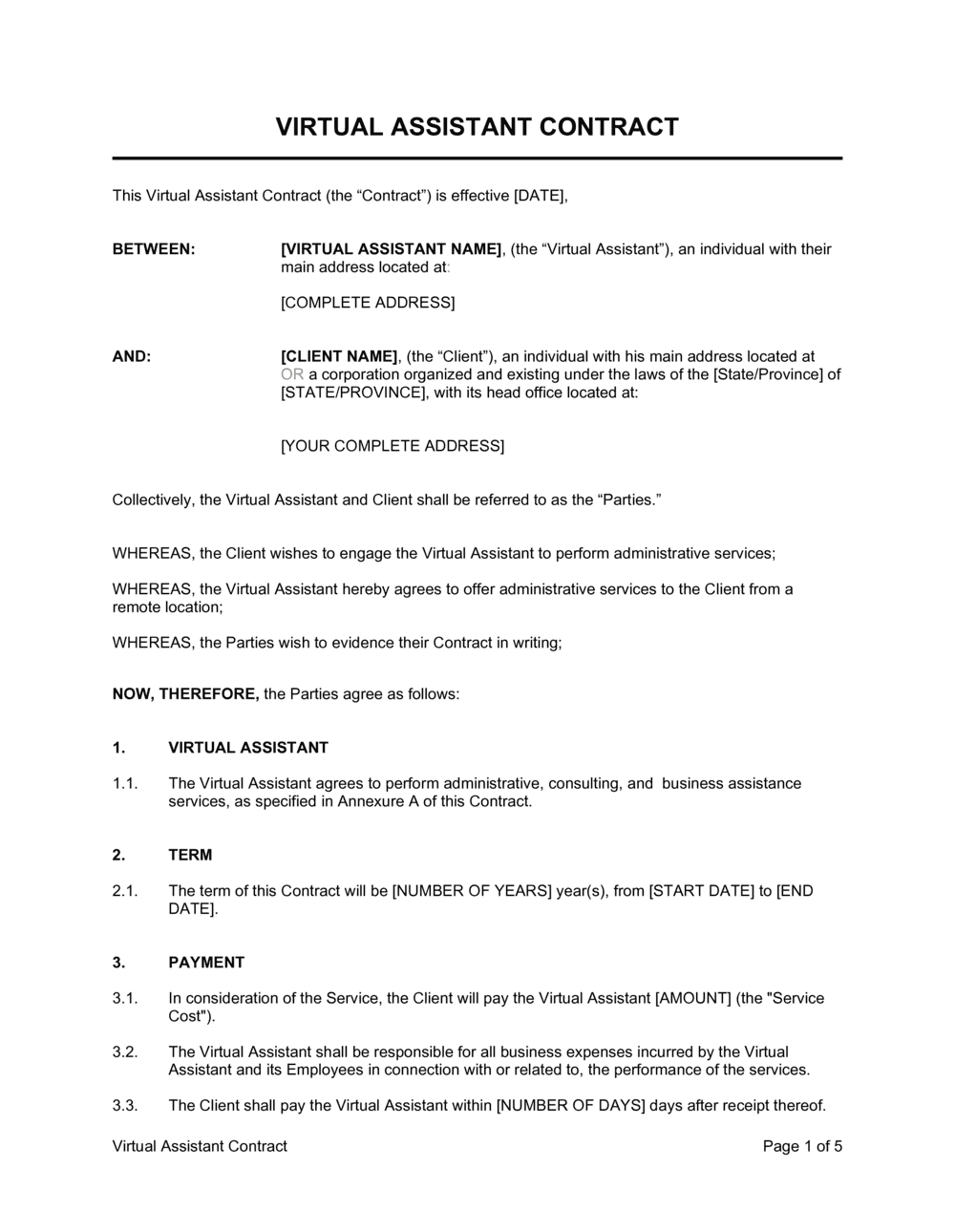
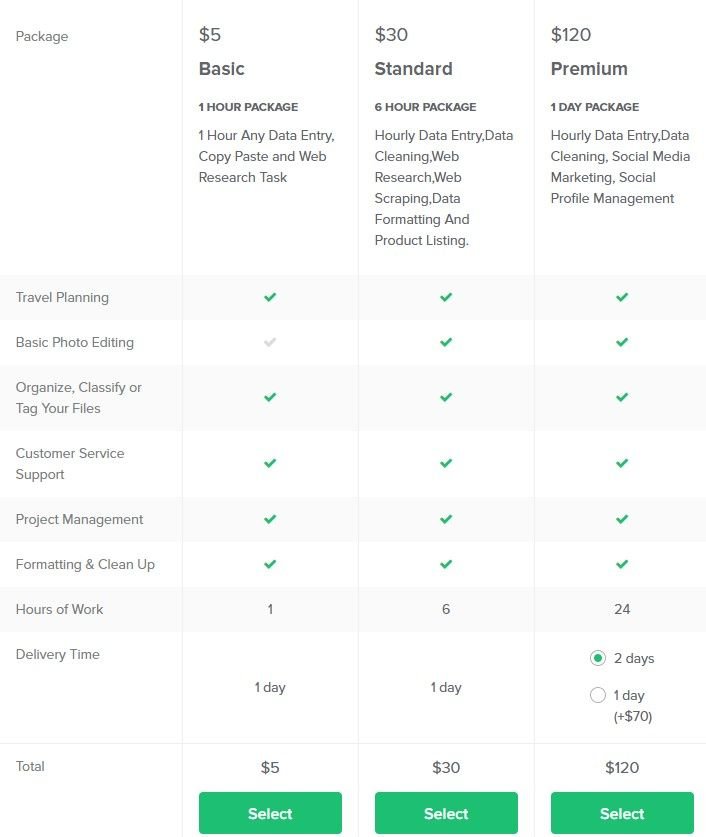

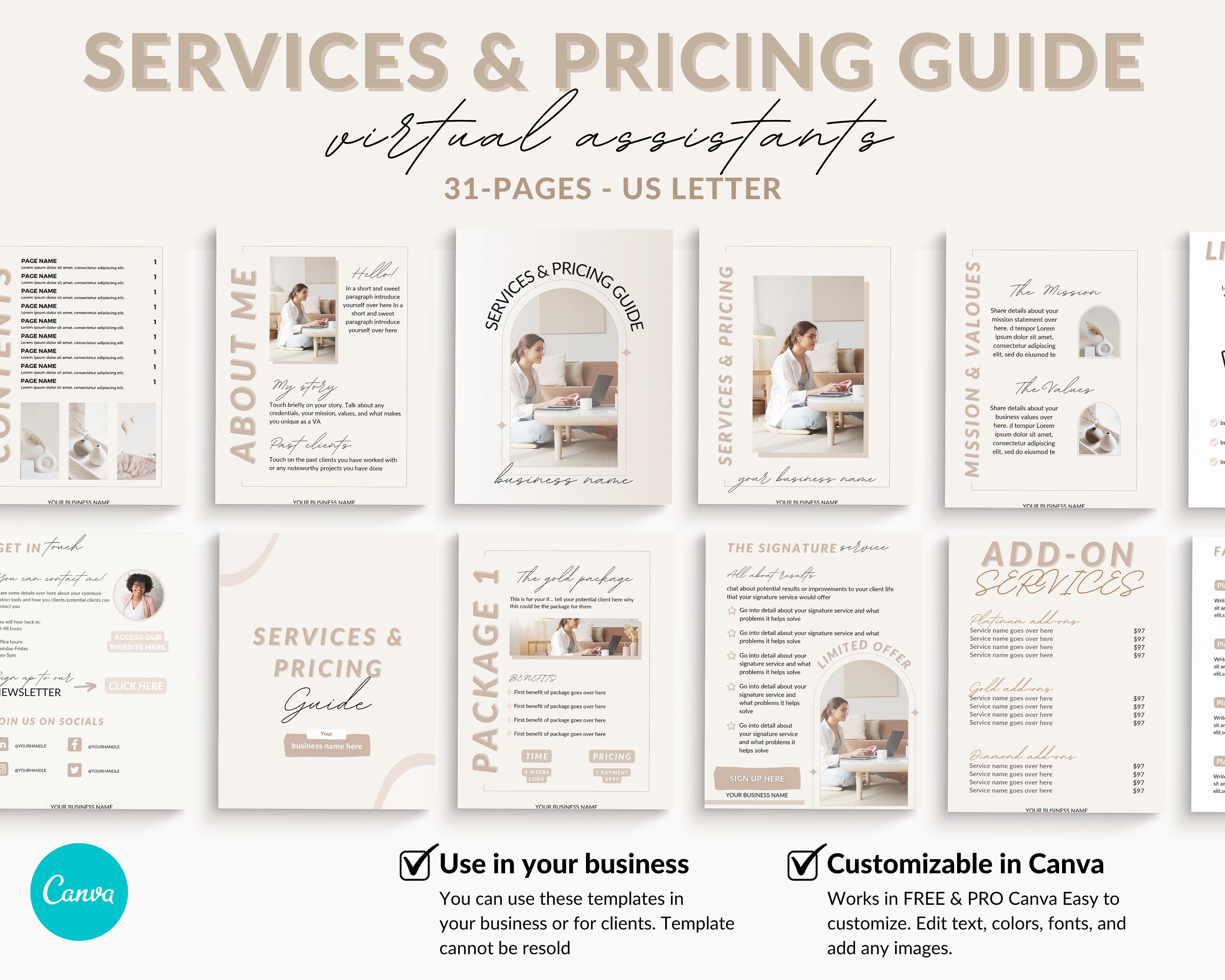
Virtual assistant service packages bundle tasks, time, and support into clear, affordable plans.
I’ve built and tested dozens of virtual assistant service packages for small businesses, startups, and busy executives. This guide breaks down what those packages include, how pricing works, and how to pick or build the best plan for your needs. You’ll get practical examples, real lessons from my own work, and step-by-step actions to help you choose or design virtual assistant service packages that save time and money.

What are virtual assistant service packages?
Virtual assistant service packages are pre‑built bundles of tasks and hours sold as one offering. These packages make it easy to buy support without hiring employees. They often include recurring tasks like inbox management, scheduling, social posts, or bookkeeping. Packages can be standardized or tailored to specific roles or industries.
Common types of virtual assistant service packages
- Hourly support: Pay for time as used, ideal for ad hoc tasks and testing a VA relationship.
- Retainer packages: A fixed number of hours per month for ongoing support and priority access.
- Task-based bundles: A set number of defined tasks each month, such as 10 social posts or 5 invoices.
- Project packages: Fixed price for a specific project like a website build or a launch plan.
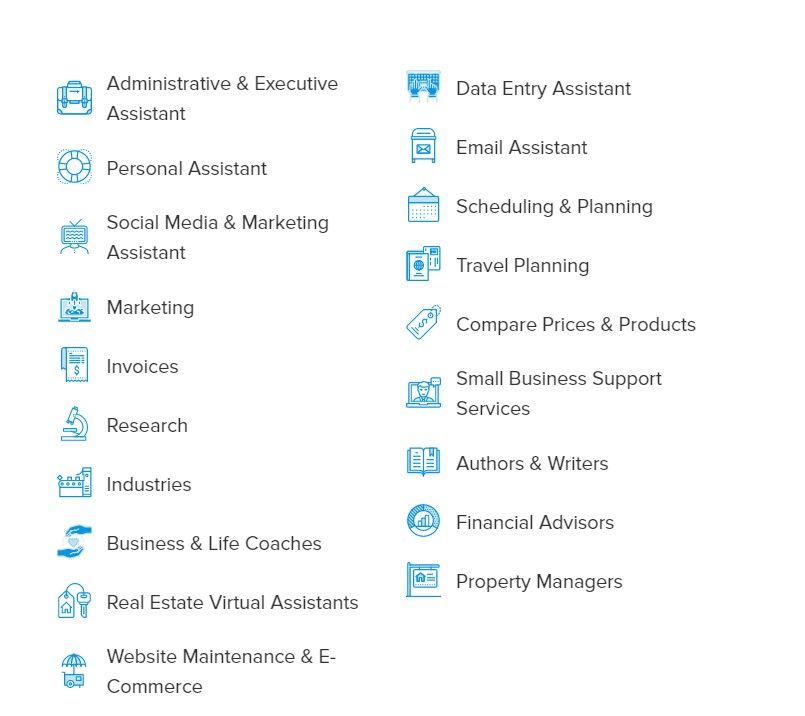
- Specialized packages: Services focused on one area, for example social media, bookkeeping, customer support, or lead generation.
- Enterprise or team packages: Higher-volume plans with multiple assistants, reporting, and SLAs for larger businesses.

Pricing models and what to expect
Pricing depends on skill level, location, and scope. Entry-level VAs often charge lower hourly rates. Experienced VAs or specialists charge more. Many providers offer a mix of these models to suit different needs and budgets.
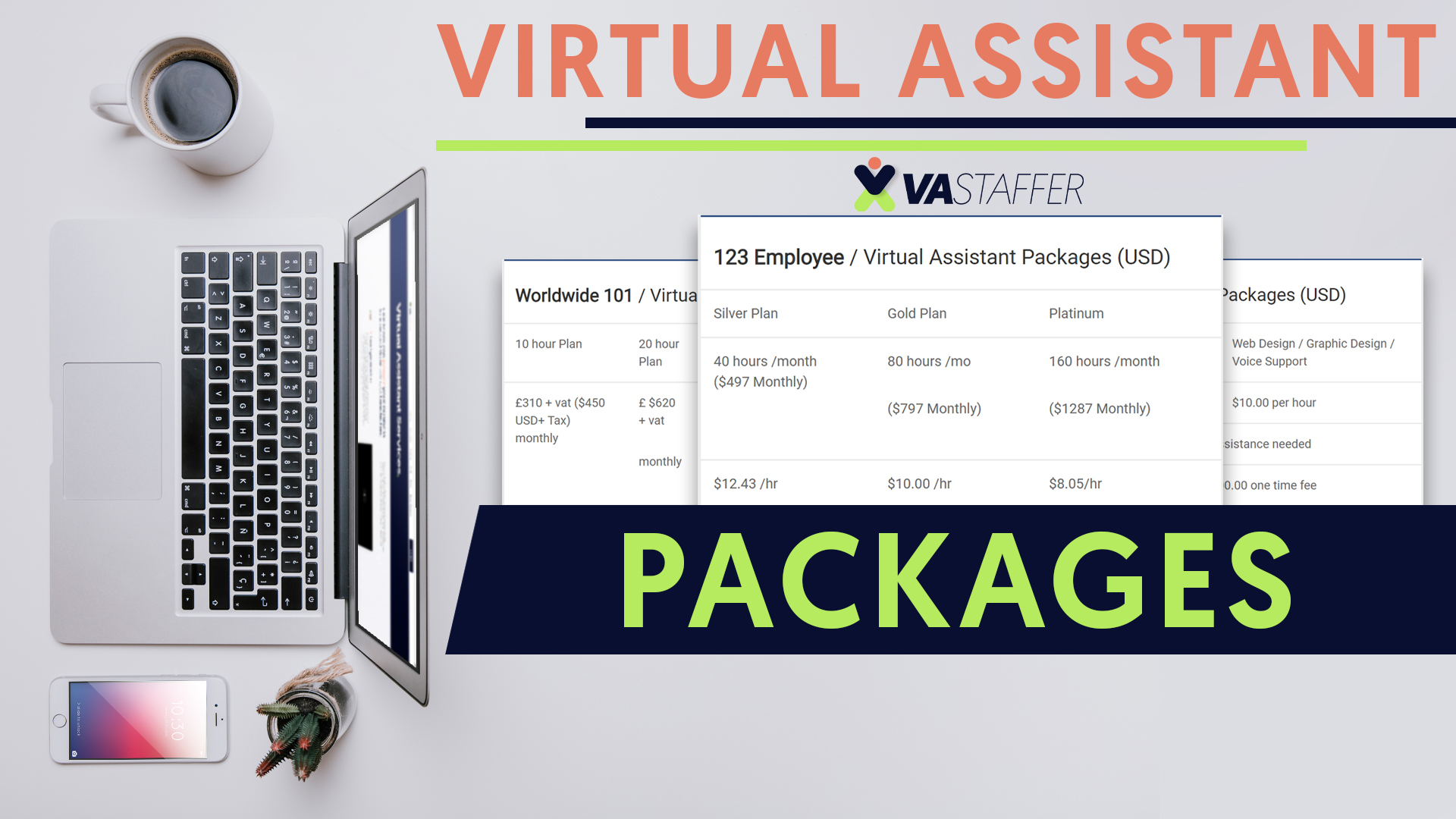
- Typical hourly range: Low-cost VAs $8–$20 per hour, experienced VAs $25–$75 per hour, specialists $75+ per hour.
- Monthly retainer examples: 10 hours/month, 20 hours/month, or full-time equivalents with discounts.
- Fixed project pricing: Based on deliverables, often set after a scoping call.
- Add-ons and rush fees: Expect extra charges for urgent work, specialized tools, or heavy admin.

How to choose the right virtual assistant service package
- Define tasks: List daily, weekly, and monthly tasks you want to offload. Be specific about outcomes.
- Estimate time: Track how long each task currently takes to create a realistic package size.
- Match skill level: Choose generalists for admin work and specialists for finance, marketing, or tech.
- Compare pricing and terms: Look at turnaround times, response windows, and revision policies.
- Start small and scale: Begin with a small package, assess quality, then expand or switch plans.
How to build a custom virtual assistant service package
Start with a baseline: choose hours or tasks you need each week. Add these steps to create a tailored package.
- Scope the work: Write task lists, desired outcomes, and success metrics.
- Set communication rules: Define channels, update frequency, and expected response times.
- Create onboarding docs: Make SOPs, templates, and access lists to speed ramp-up.
- Agree on reporting: Weekly or monthly summaries help track ROI and tweak the package.
- Add flexibility: Include rollover hours, trial periods, or break clauses to reduce risk.
 platforms, and tech that power packages”
style=”max-width: 100%; height: auto; border: 2px solid black; border-radius: 10px; display: block; margin: 0 auto;”
loading=”lazy”
/>
Tools, platforms, and tech that power packages
Virtual assistant service packages rely on simple and robust tools. Knowing these tools helps you judge a provider’s competence.
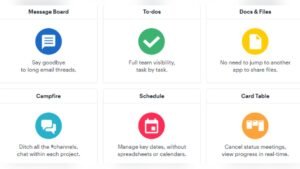
- Communication: Email, Slack, or video calls for quick check-ins.
- Task management: Trello, Asana, or ClickUp to assign and track tasks.
- Time tracking: Simple timers and reports to measure billable hours and productivity.
- File sharing: Cloud drives for secure access to documents and assets.
- Automation: Zapier or native integrations to reduce repetitive work and costs.

Benefits and ROI of using virtual assistant service packages
Virtual assistant service packages offer predictability, cost savings, and speed. They free your time so you focus on high-value work and growth. Clear packages reduce admin time spent managing freelance invoices or hiring. Measurable ROI often shows up as more revenue hours, faster project delivery, and lower overhead.
- Predictable budgeting: Fixed monthly costs make cash flow easier to manage.
- Faster output: Trained assistants deliver steady results and meet deadlines.
- Lower overhead: No payroll taxes, benefits, or equipment costs for contractors.
- Scalability: Increase hours as business grows without lengthy hiring cycles.

Real-world examples and personal experience
Early in my consulting work, I bought a generic 20-hour package and wasted time on misaligned tasks. I learned to start with clear SOPs and a 10-hour trial package. After refining the package to focus on lead follow-up and calendar management, response times improved and leads converted faster. That shift taught me the value of specificity and short trial runs.
Step-by-step implementation plan
- Audit your tasks for one week to know what to delegate.
- Define outcomes and KPIs for each delegated task.
- Choose a package type: hourly, retainer, or task-based.
- Request a 1–2 week trial to test fit and quality.
- Provide onboarding materials and a short training period.
- Set weekly check-ins to review work and adjust scope.
- Measure results after one month and refine the package.
- Scale up when quality and ROI meet your goals.
Frequently Asked Questions of virtual assistant service packages
What is included in a typical virtual assistant service package?
A typical package includes a set number of hours or tasks per month. It often covers communication, basic admin, and agreed deliverables with a clear scope.
How long does it take to onboard a virtual assistant?
Onboarding usually takes 1–2 weeks for simple tasks and up to a month for specialized work. Good SOPs and clear access speed up the process.
Can I change my virtual assistant service package later?
Yes. Most providers allow upgrades, downgrades, or custom changes after a trial period. Ask about notice periods and pro-rated billing.
Are virtual assistant service packages cost effective?
They are often more cost effective than hiring staff, especially for variable workloads and short-term needs. Calculate hours saved to see direct ROI.
How do I ensure quality in a virtual assistant package?
Use trials, clear KPIs, and regular check-ins. Provide templates and feedback to improve accuracy and speed.
Do virtual assistant packages include specialized skills like bookkeeping?
Some packages include specialists. Expect higher rates for tasks that require certification or advanced knowledge. Always confirm credentials in advance.
Conclusion
Virtual assistant service packages simplify outsourcing by bundling tasks, time, and outcomes into clear plans. Start with a small, well-scoped package, test with a trial, and refine based on results. Treat the package like a partnership: give clear instructions, measure outcomes, and scale what works. If you’re ready to reclaim time, try a trial package this month and track the hours you free up; you might be surprised how quickly the value shows. Leave a comment with your biggest admin pain point or subscribe for more practical guides on outsourcing.

Sofia Grant is a business efficiency expert with over a decade of experience in digital strategy and affiliate marketing. She helps entrepreneurs scale through automation, smart tools, and data-driven growth tactics. At TaskVive, Sofia focuses on turning complex systems into simple, actionable insights that drive real results.