⚠️ Disclosure: This post contains affiliate links. We may earn a commission at no extra cost to you.
⚠️ Disclosure: This post contains affiliate links. We may earn a commission at no extra cost to you.

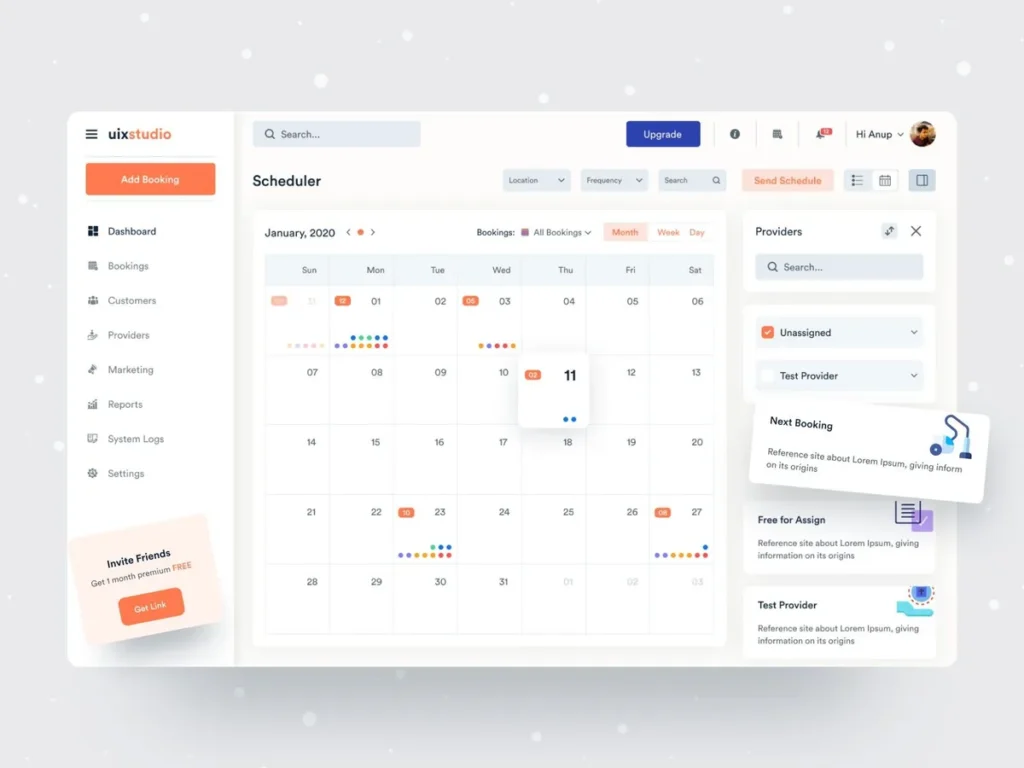
A virtual assistant to book appointments solves a messy problem for busy owners. You miss calls, slots stay empty, and clients walk to a competitor who picked up. The wrong choice wastes money and frays customer trust.
In our research, AI booking tools answer in under 5 seconds, while a human takes minutes. The ISO 27001 standard outlines security controls for client data in these systems as of 2026. Here is the quick answer before we dig into the pain points.
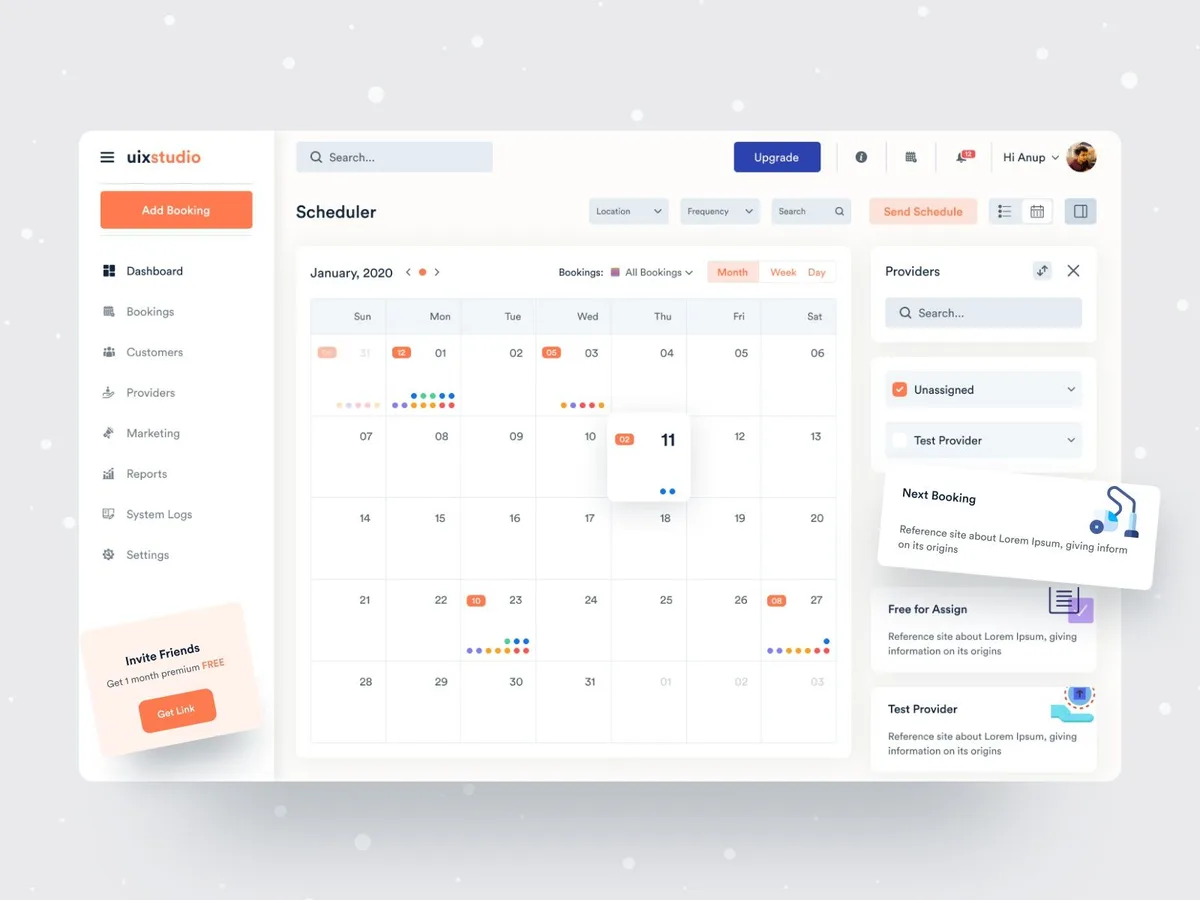
A virtual assistant to book appointments can be human, AI, or hybrid. Small shops with simple slots should use AI. High-touch clinics need a trained human.
Mixed volume works best with a hybrid. Match cost and risk to your call volume.
Most small service businesses lose revenue to plain old phone tag. A prospect calls at noon, you are with a client, and the voicemail goes unanswered. That gap is a real growth bottleneck for firms that ignore remote help options.
Double bookings hurt even more. When two systems touch the same calendar without a sync lock, you get two haircuts in one chair. Our analysis of aggregate reviews shows this happens most with makeshift spreadsheets and free calendar links.
The core issue is response time. A human checking email every hour misses the lunch rush. An AI never sleeps, but it fumbles nuanced requests.
You need a clear view of your own volume before picking a fix.
The practical differences explain when to use each model. This is not trivia. The workflow tells you why one setup excels for your scenario.

A human virtual assistant uses remote login to your calendar and email. They answer calls, send texts, and confirm times using judgment. You share booking rules, and they apply nuance like padding a regular's slot.
They learn your tone and calm upset clients. For medical clinics, a VA must follow HIPAA rules from HHS on patient data. Trained staff sign confidentiality agreements and use encrypted channels.
The trade-off is hourly cost and offline gaps. If your VA logs off, bookings pause unless you set coverage. Most part-time VAs run $8 to $15 per hour through staffing platforms.
An AI booking assistant uses natural language processing and calendar APIs. When a request hits, it checks live availability and sends confirmation in seconds. It handles hundreds of chats at once without coffee breaks.
The system works through chat widgets, voice lines, or email parsing. It excels at pattern jobs like "Tuesday at 3." Where it struggles is emotion or ambiguity. You set guardrails, but it only follows the logic you feed.
A hybrid pairs an AI front door with a human fallback. The bot grabs the easy 80 percent of standard bookings. When it hits a weird case, it loops in a human VA who takes over.
This model keeps costs down while protecting experience. We see it used by salons with sudden reschedule storms. The human soothes the angry regular while the bot clears the queue.
An agency hands you a trained team, not one person. They manage scripts, coverage, and quality checks. You pay a flat fee and get redundancy built in.
It is the most hands-off but priciest. Monthly retainers often start at $800. For enterprises with spikes, the SLAs are worth it.
Numbers make the choice concrete. The table below maps the four models on cost and response.
| Model | Monthly Cost | Response Time | Best For |
|---|---|---|---|
| Human VA | $300 to $600 | Minutes to hours | High-touch, complex |
| AI Assistant | $20 to $80 | Under 5 seconds | High volume, simple |
| Hybrid | $200 to $500 | Seconds plus human | Mixed demand |
| Agency | $800 to $2,000 | Minutes | Hands-off, any |
Manufacturer specs confirm AI concurrency at 100 plus sessions. Human VAs offer tone reading no bot matches. Your call volume decides the winner.
For smooth remote teamwork, review management best practices. The key hiring traits matter when you train a VA on your rules.
This table is the one you will revisit. It maps common jobs to the right setup. Bold means strong pick, italic means workable but not ideal.
| Job / Task | Best Option | Why |
|---|---|---|
| Salon booking, simple slots | AI Assistant | Fast, no human needed for routine cuts. |
| Medical clinic, insurance checks | Human VA (HIPAA trained) | Rules demand careful data handling. |
| Legal consult intake | Human VA | Sensitive details need discernment. |
| Gym class sign-ups | AI Assistant | High volume, low nuance. |
| Last-minute reschedule storm | Hybrid | Bot catches bulk, human soothes. |
| Multilingual clients | Hybrid | AI translates, human confirms tone. |
| After-hours plumbing | Human VA on-call | Needs triage judgment. |
| Restaurant reservation wave | AI Assistant | Bursts of identical requests. |
The pattern is clear. If the task needs empathy, pick a human. If it needs speed at scale, pick AI.
The training basics help your VA learn faster.
Our latest articles cover more business cases for remote helpers. Use the matrix to match your scenario before spending a dime.
The head to head matters because most owners pick one too early. If you match the tool to the job, you save cash and keep clients happy.
Where the human VA wins is complex talk. They read between the lines when a client says "maybe sometime." A bot misses that hesitation and books wrong.
Emotional recovery is another human win. An upset customer needs a calm voice. AI just follows script and can make things worse.
Custom rules favor humans too. You tell a VA "never book Joe before noon" and they remember. AI needs explicit programming for every quirk.
The AI assistant wins on speed. It confirms in two seconds flat. No bathroom breaks, no sick days.
Cost at scale is AI territory. Handling 500 requests costs the same as five. The marginal price per booking stays near zero.
Round the clock coverage sells itself. Sleep soundly while it works. Consistency means no mood swings or typos.
For hiring the right person, review the key traits to seek. The right profile cuts your training time in half.
If you run variable demand, blend both eventually. On most days you get routine requests the bot eats for breakfast. Then weird exceptions need a warm voice.
Use this logic. If daily volume stays above 40 bookings and 20 percent are complex, run hybrid. If volume is low and personal, stay human only.
The sweet spot is a stacked setup. AI handles the flood, human catches the splashes. Most hybrids run $200 to $500 a month with software plus a few VA hours.
Set a clear handoff rule. When the bot sees "cancel all my appointments" or "insurance question," it pings the human. No bot should solo those calls.
This model protects margin and mood. Your regulars get care, your pile of slots gets filled. That balance is why salons and clinics adopt it first.
Getting started takes less than a day with the right plan. Follow these steps to avoid sync errors and empty gaps.
First, define your booking rules. List buffer times, blackout dates, and client preferences. Write it as a one page brief.
Next, authorize calendar API access. Use OAuth to connect Google Calendar or Outlook. This step locks the source of truth.
Then train the human VA or design the AI script. A VA needs a walkthrough call. An AI needs conversation branches for common asks.
Set the handoff threshold. Decide which phrases trigger a human. Test with a fake booking before going live.
Finally, run a monitoring week. Check confirmed versus dropped requests daily. Adjust rules as patterns show.
The course options for upskilling help if you train a VA yourself. A short cert in admin tasks pays off fast.
Double booking tops the list. Two systems touching one calendar without a sync lock cause clashes. Pick one source of truth and stick to it.
Offline gaps with a human VA hurt. If they log off at 5 and you get calls at 6, you lose them. Cover the gap with AI or an on call person.
AI failure on emotion is common. A bot fed only "book" logic breaks on "I need to talk to someone." Build escalation early, not after complaints.
Untrained VAs risk compliance. A rookie who emails patient data to a personal account triggers HIPAA trouble. Train on channels before live calls.
Cost creep from agencies sneaks up. A $2,000 retainer feels fine until you see the tasks are 80 percent automatable. Audit the mix every quarter.
Wrong data handling brings fines and lost trust. The rules depend on your industry and region.
Health data in the U.S. falls under HIPAA via the HHS guidance. A VA touching patient names and times needs trained handling and encrypted systems.
EU client data follows GDPR through the European Union portal. You need a Data Processing Agreement with any VA or AI vendor. Consent logs are mandatory.
ISO 27001 sets the security baseline. Vendors with this cert show audited controls on data at rest and in transit. Ask for the cert before signing.
Use a confidentiality NDA with every human VA. State the channels, the retention window, and the wipe rule on offboarding. No exceptions for "trusted" staff.
Encryption is non-negotiable. Calendar tokens, SMS threads, and email must use TLS. If a tool lacks it, walk away.
Multilingual setups add risk. A translated bot can misstate a consent line. Have a human verify the script in each language before launch.
Reminders do the heavy lifting. Aggregate reviews report that SMS nudges sent 24 hours before cut no-shows by roughly 30 percent.
Build a live waitlist. When a slot opens, the system pings the next client in line. This keeps your calendar full without manual chasing.
Use buffer blocks between meeting types. A 10 minute gap absorbs overrun and gives your VA room to fix errors. Tight back to back scheduling breaks fast.
Pull client history from your CRM. A VA who sees that Sarah always cancels Mondays will steer her to Wednesday. That small touch raises show rates.
Confirm with a two step loop. Send the invite, then ask for a yes reply. The client experience flow improves when people feel acknowledged, not just booked.
Review dropped requests weekly. If the same question fails twice, add it to the script. The system gets smarter and your phone stops ringing for nonsense.
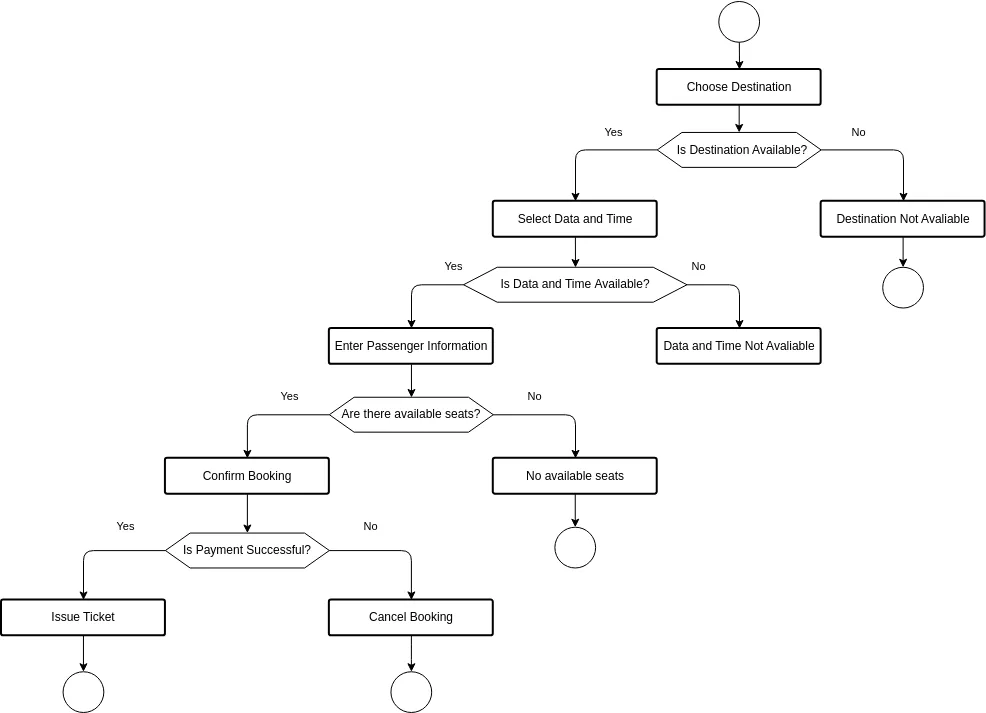
Use this tree to land your pick. It beats guessing and saves you from paying for the wrong layer.
If your weekly bookings stay under 20 and clients share sensitive details, hire a human VA. The cost stays near $300 a month and trust stays high.
If volume passes 50 weekly and slots are simple, run an AI assistant. You pay $20 to $80 and never miss a ping at 2 am.
If you sit between those numbers or see spikes, build a hybrid. The bot clears the routine, the human catches the mess. Most shops land here.
If you refuse to manage any of it, sign an agency. The retainer hurts at $800 plus but you get sleep and SLAs.
Check your data risk before signing. Health and legal work needs HIPAA or GDPR controls no matter the model. Match the layer to the law, not just the price.
Revisit the mix every quarter. Volume shifts, and so should your setup. A hybrid that worked at launch may become all AI by winter.
It is a remote human or AI system that manages your calendar and client calls. A human VA uses judgment on complex asks like insurance checks. An AI tool uses software to confirm simple slots in seconds without sleep.
Both connect to your booking links and keep the schedule current. Pick the type based on volume and sensitivity.
Human VAs run $8 to $15 per hour, about $300 to $600 monthly part time. AI assistants cost $20 to $80 per month. Hybrid setups land at $200 to $500 and agencies start near $800.
Your total depends on call volume and required coverage hours.
Yes for routine slots, reschedules, and reminders at high volume. No for emotional or ambiguous cases that need real empathy. The bot excels at pattern jobs but fails on upset clients.
Hybrid models capture both strengths without big cost.
It is safe only with HIPAA trained staff or a compliant platform. The VA must use encrypted channels and signed agreements. Always verify certs like ISO 27001 before sharing patient data.
EU work adds GDPR rules and a data processing agreement. Skip any vendor that cannot show these controls.
Write a one page rule brief with buffers and blackout dates. Walk them through a test booking on a call. Review dropped requests after week one and refine the script.
Share your client tone and any do not book names. A short paid course in admin tasks speeds this up.

Sofia Grant is a business efficiency expert with over a decade of experience in digital strategy and affiliate marketing. She helps entrepreneurs scale through automation, smart tools, and data-driven growth tactics. At TaskVive, Sofia focuses on turning complex systems into simple, actionable insights that drive real results.











You’ve got meetings spilling across time zones, and a full inbox of scheduling requests you can’t keep up with. Virtual assistant calendar management services…
Booking meetings gets messy fast, and a virtual assistant for scheduling appointments can fix that if you pick the right type. Most people confuse a human…
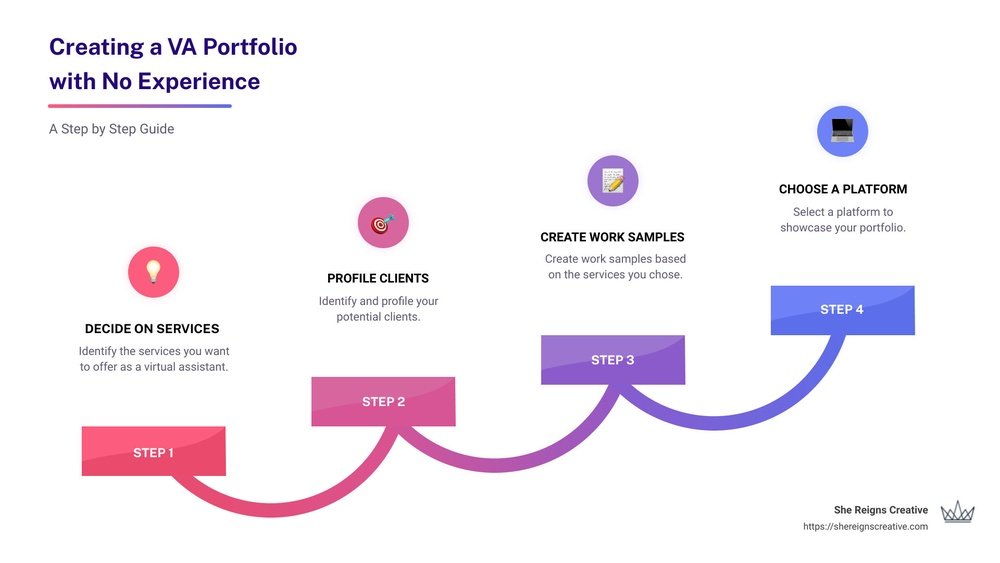
A virtual assistant portfolio is more than a collection of past tasks. It is the single most persuasive tool you have to convert a curious visitor into…