

A virtual assistant training course teaches practical skills to launch and scale a VA business fast.
I have trained and mentored dozens of new virtual assistants. This article breaks down what the virtual assistant training course should cover, how to pick one, and how to turn training into paying work. I explain curriculum, tools, pricing, and client strategies from hands-on experience so you can make a confident choice.

What is a virtual assistant training course?
A virtual assistant training course is a structured program that teaches the skills needed to work remotely for clients. The course covers both hard skills and soft skills. Hard skills include email management, scheduling, and basic digital tools. Soft skills include communication, time management, and client handling.
A strong virtual assistant training course focuses on real tasks and real clients. It prepares you to handle day-to-day work, set rates, and market your services. I look for practical projects and live feedback when I evaluate a course.

Key benefits of taking a virtual assistant training course
- Clear skill roadmap: You get a step-by-step plan to learn core VA skills.
- Faster hiring readiness: Courses often include mock projects and templates that speed up onboarding.
- Confidence and credibility: A certificate or portfolio piece helps land your first clients.
- Networking and community: Many courses include groups where students share leads and tips.
- Business basics: Good courses teach pricing, contracts, and how to invoice clients.
From my experience, a focused virtual assistant training course cuts guesswork. It also helps avoid common mistakes like undercharging or accepting bad clients. I’ve seen new VAs land clients within weeks after completing structured training.

Who should enroll in a virtual assistant training course?
- Career changers who want remote work.
- Freelancers seeking a steady income stream.
- Small business owners who want to offer VA services.
- Stay-at-home professionals who want flexible work hours.
- College students building remote experience.
If you enjoy helping others, organizing work, and solving small business problems, a virtual assistant training course can fit your goals. It’s also useful if you want to add VA services to an existing skill set like social media or bookkeeping.

Core curriculum and skills a good course should teach
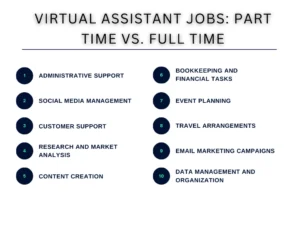
- Email and calendar management: Best practices, templates, and tools.
- Communication skills: Client emails, calls, and professional tone.
- Time and task management: Methods like batching and priority lists.
- Tools and software: Google Workspace, Microsoft Office, task managers, and CRM basics.
- Social media support: Scheduling posts and basic content tasks.
- Bookkeeping basics: Invoicing, expense tracking, and simple spreadsheets.
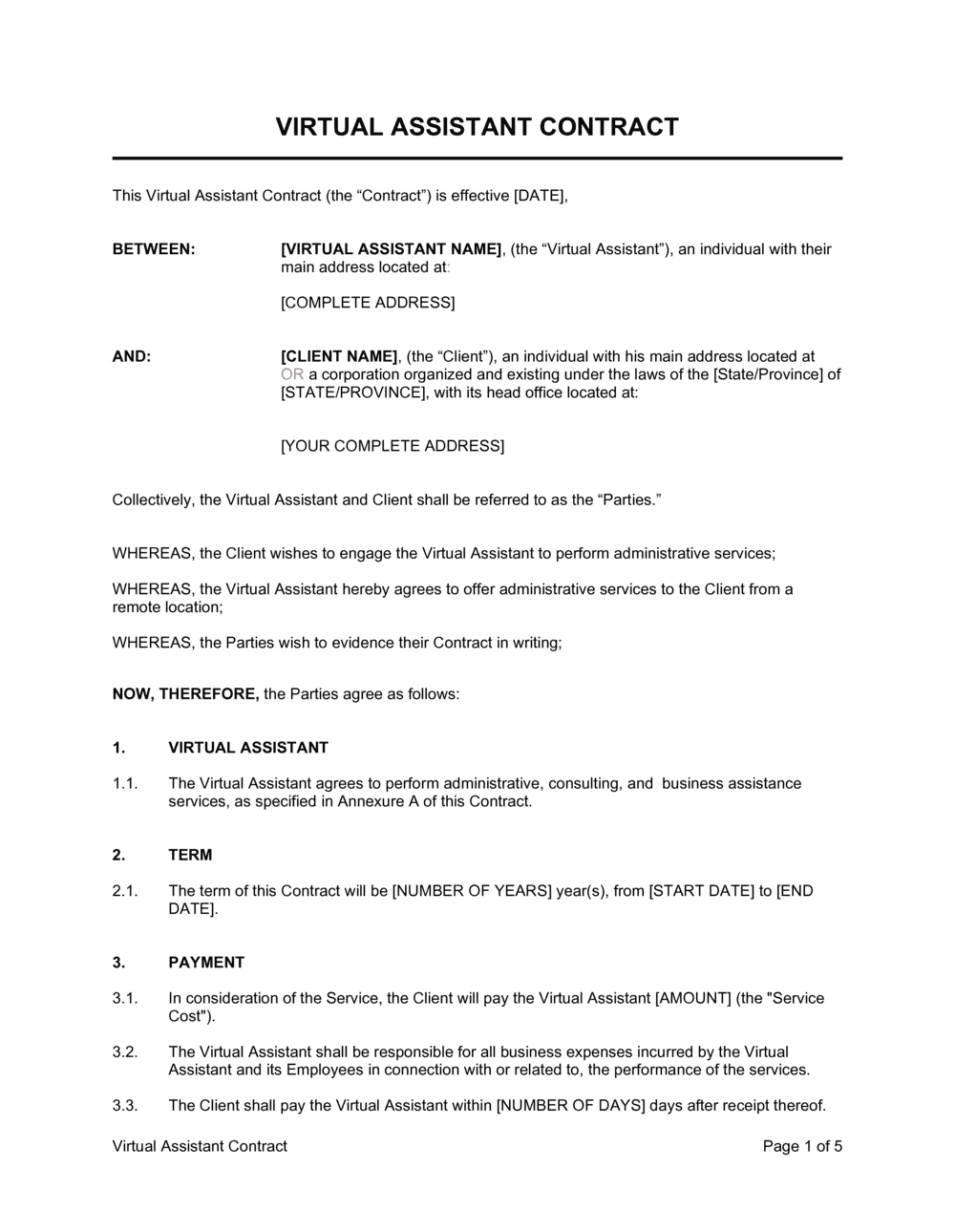
- Client onboarding: Contracts, intake forms, and first-week checklists.
- Pricing and proposals: How to set rates and write persuasive proposals.
- Professional branding: Building a simple portfolio and LinkedIn profile.
A course that mixes video lessons, checklists, and live feedback is ideal. When I teach modules, I assign small client-style tasks. That helps students build a portfolio as they learn.

How to choose the right virtual assistant training course
- Look for practical work: Projects, templates, and real-world tasks are essential.
- Check instructor background: Instructors should have VA experience and client proof.
- Read reviews and outcomes: Look for students who found clients after training.
- Compare course length and support: Short workshops are fine for basics; longer courses are better for building a business.
- Evaluate price vs. value: Higher cost can mean more coaching and job help.
- Ask about updates: Tools change fast. Choose courses updated frequently.
I recommend asking for a syllabus and at least one sample lesson. That tells you whether the course matches your learning style. Also check if there is a refund or trial period.

Time, cost, and certification expectations
- Time commitment: Many courses run 4 to 12 weeks with 3–6 hours a week of study.
- Cost range: Free previews exist, basic courses cost $50–$300, and premium courses range $500–$2,000.
- Certification: Certificates are common but value varies. Clients care more about your skills and portfolio.
From my experience, a modest investment with coaching produces the best ROI. Cheap courses can teach basics, but personalized feedback speeds progress and helps avoid costly mistakes.

Tools and platforms commonly taught
- Email and calendars: Gmail, Outlook, and Calendly.
- Task and project management: Trello, Asana, ClickUp.
- Communication: Slack, Zoom, Microsoft Teams.
- File sharing: Google Drive, Dropbox.
- Social media tools: Buffer, Hootsuite, Later.
- Invoicing and bookkeeping: Wave, QuickBooks Self-Employed, PayPal.
- Website and portfolio builders: WordPress, Wix.
A quality virtual assistant training course will include hands-on practice with these tools. I always recommend choosing one or two tools to master rather than sampling too many.

How to build a portfolio and find clients after training
- Create 3–5 sample projects: Mock client tasks that show process and results.
- Offer discounted pilot work: A short paid trial helps get testimonials.
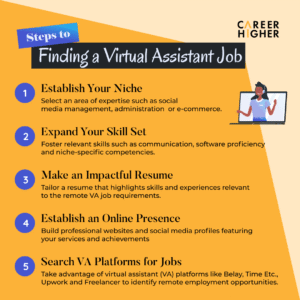
- Use job platforms: Upwork, Fiverr, and specialized VA job boards are useful starting points.
- Network in communities: Facebook groups and LinkedIn groups for small businesses and VAs.
- Ask for referrals: Happy clients often refer others within weeks.
When I started helping new VAs, I advised them to price the first client at a fair rate and ask for feedback. Early testimonials matter most for building trust and visibility.
Personal experience, mistakes to avoid, and tips
I trained as a VA and later taught others. Here are lessons I learned.
- Don’t undercharge: Low rates bring low-quality clients and exhaustion.
- Set clear boundaries: Define working hours and response time from day one.
- Learn one niche: Specialized VAs command higher rates than generalists.
- Track time: Use a simple timer to understand how long tasks take.
- Keep templates: Reuse email and onboarding templates to save hours.
One mistake I made was accepting any client just to get started. That led to unclear scope and disputes. After that, I started using a simple contract and a clear intake form. It solved almost all problems.
Advanced paths and long-term growth
- Niche services: Specialize in industries like real estate, e-commerce, or podcast support.
- Agency model: Hire other VAs and oversee client projects.
- Passive income: Create templates, courses, or membership sites for other VAs.
- Upskill: Learn copywriting, basic SEO, or bookkeeping to command higher fees.
A virtual assistant training course can be the first step. With experience, you can expand into specialized and higher-paying roles.
Measuring success after completing a virtual assistant training course
- Client count: How many paying clients do you have after 3 months?
- Monthly income: Set income goals and track progress.
- Task efficiency: Note how long tasks take now versus before training.
- Client feedback: Collect and review testimonials and ratings.
I recommend setting small goals after training. For example, aim for your first paid client within 30 days and three clients within 90 days. Small wins build momentum.
Frequently Asked Questions of virtual assistant training course
What skills will I learn in a virtual assistant training course?
You will learn email and calendar management, communication, basic tools, and client onboarding. Many courses also teach pricing and business setup.
How long does a typical virtual assistant training course take?
Most courses last 4 to 12 weeks with a few hours of study each week. Self-paced courses let you finish faster or slower.
Can I start freelancing immediately after a virtual assistant training course?
Yes, if the course includes portfolio work and client-ready templates you can start freelancing quickly. Offer a short paid trial to gain confidence and feedback.
How much can I earn after completing a virtual assistant training course?
Entry-level VAs often earn $15–$30 per hour; specialized VAs can earn $40+ per hour. Income depends on niche, skills, and marketing.
Do I need certifications to become a virtual assistant?
Certifications help but are not required. Clients value proven skills, clear communication, and a solid portfolio more than a certificate.
Conclusion
A well-structured virtual assistant training course gives you the skills, templates, and confidence to start working with clients. Focus on practical training, tool mastery, and building a small portfolio. Set clear goals, avoid undercharging, and use templates to speed your work. Take one small step today: enroll in a course with practical projects or start a mini-project for a friend to practice. Share your progress, ask for feedback, and grow steadily. Please leave a comment with your goals or questions, and consider subscribing to updates for more tips on building a successful VA career.

Sofia Grant is a business efficiency expert with over a decade of experience in digital strategy and affiliate marketing. She helps entrepreneurs scale through automation, smart tools, and data-driven growth tactics. At TaskVive, Sofia focuses on turning complex systems into simple, actionable insights that drive real results.