
Are you overwhelmed by endless tasks in your real estate business? Imagine having someone reliable to handle those time-consuming jobs for you.
That’s exactly what a real estate virtual assistant can do. But what is a real estate virtual assistant, and how can they make your life easier? Keep reading to discover how this smart solution can free up your time, boost your productivity, and help you focus on closing more deals.
You won’t want to miss the key benefits and tips on finding the right assistant for your needs.
Role Of A Real Estate Virtual Assistant
A Real Estate Virtual Assistant (VA) plays a crucial role in supporting real estate professionals. They help manage tasks that take time away from selling and closing deals. A VA works remotely to handle many duties, making the agent’s work easier and more organized.
By handling routine and administrative work, a VA allows real estate agents to focus on clients and property sales. Their role improves efficiency and keeps the business running smoothly. Understanding what a VA does helps see their true value.
Key Responsibilities
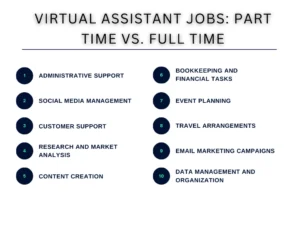
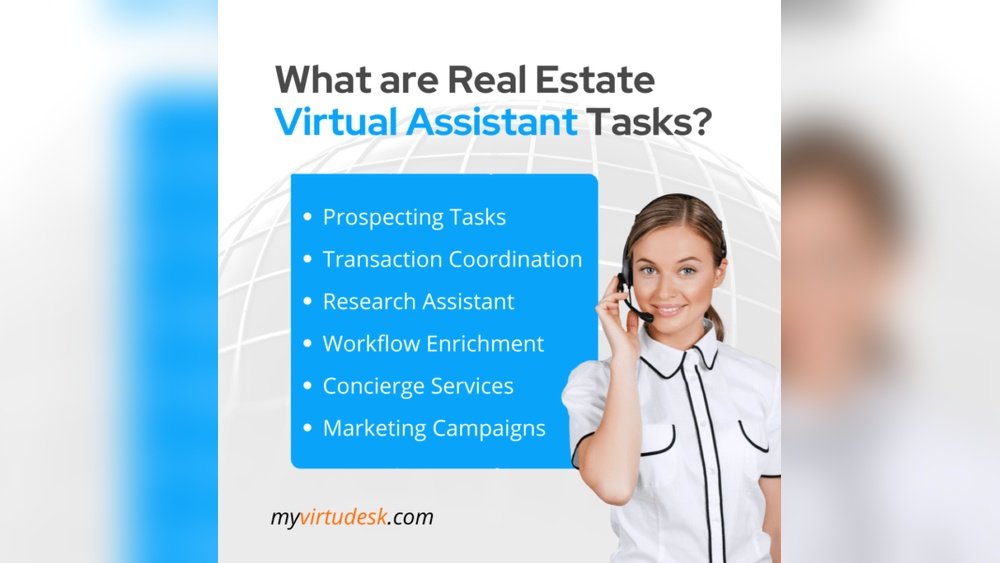
A Real Estate Virtual Assistant handles various tasks to support agents. They manage client communication through emails and calls. Scheduling appointments and property showings is part of their job. VAs also update listings and maintain databases. They prepare contracts and manage paperwork. Marketing tasks such as social media posts and newsletters often fall under their duties too.
Many VAs track leads and follow up with potential buyers. They help keep the sales pipeline active and organized. Some VAs research market trends to provide useful information. Their broad skill set helps agents save time and stay focused on sales.
Daily Tasks And Support
Daily tasks vary but usually include answering emails and phone calls. A VA schedules meetings, tours, and open houses. They enter data into CRM systems to keep contact details updated. Creating and sending marketing materials happens regularly. VAs may also update websites with new listings.
Following up with leads and sending reminders to clients is common. They assist with document preparation and file management. VAs offer support by handling small but time-consuming tasks. This daily help allows real estate agents to work more efficiently.

Credit: enterpriseleague.com
Benefits For Real Estate Professionals
Real estate virtual assistants offer many benefits to agents and brokers. They help manage daily tasks and improve work quality. These assistants allow professionals to focus on what matters most: selling properties and serving clients.
By hiring a virtual assistant, real estate agents can save time, reduce costs, and enhance client communication. These benefits make business operations smoother and more efficient.
Time Management
A virtual assistant handles routine tasks like scheduling, emails, and data entry. This frees up agents to concentrate on showings and negotiations. Better time management leads to more productivity and less stress.
Cost Efficiency
Hiring a virtual assistant costs less than a full-time employee. There are no expenses for office space or equipment. Agents pay only for the hours worked. This helps control budgets while getting quality support.
Improved Client Relations
Virtual assistants respond quickly to client questions and requests. They keep clients updated with timely information. This builds trust and improves satisfaction. Happy clients are more likely to refer others.
Skills To Look For In A Virtual Assistant
Choosing the right virtual assistant is key to success in real estate. The right skills help manage tasks smoothly. They save time and reduce stress. Here are the main skills to consider.
Technical Proficiency
A virtual assistant must handle real estate tools well. They should know software like CRM systems and MLS platforms. Basic skills in Microsoft Office and Google Workspace are needed. Fast typing and good internet research skills help a lot. Tech-savvy assistants adapt quickly to new tools.
Communication Abilities
Clear and polite communication builds trust with clients. A virtual assistant should write emails and messages clearly. They must answer calls and schedule appointments professionally. Good listening skills prevent mistakes and confusion. Friendly communication helps keep clients happy.
Industry Knowledge
Understanding real estate terms saves time. A virtual assistant should know about listings, contracts, and property types. They must be familiar with market trends and local regulations. Basic knowledge helps them support agents better. This skill makes daily tasks easier and faster.
Credit: www.vgrow.co
How To Hire The Right Virtual Assistant
Hiring the right real estate virtual assistant is key to smooth business operations. The right assistant handles tasks efficiently and fits your work style. Taking time to find the best candidate saves effort later. Follow simple steps to choose someone who meets your needs.
Where To Find Candidates
Search for candidates on popular freelance websites like Upwork and Fiverr. Real estate job boards also list virtual assistant openings. Social media groups for real estate professionals can help too. Post a clear job description to attract suitable applicants. Use multiple platforms to get a wider pool of candidates.
Interview Tips
Prepare a list of questions about real estate tasks and software skills. Ask about previous work experience with real estate agents. Check communication skills by seeing how clearly they answer. Request a small test task to assess their ability. Take notes to compare candidates after interviews.
Evaluating Experience
Look for candidates with real estate background or related admin work. Experience with CRM tools is a big plus. Check references or reviews from past employers. Prioritize those who understand local real estate terms. Choose assistants who show reliability and fast learning ability.
Tools And Technology Used
A Real Estate Virtual Assistant uses several tools and technology to support agents efficiently. These tools help organize tasks, keep communication clear, and manage client information. Each tool plays a key role in daily operations.
Crm Software
CRM software helps store and manage client data. It keeps track of leads, contacts, and deals in one place. This software helps virtual assistants follow up with clients on time. It also allows easy access to important information anytime.
Communication Platforms
Communication platforms allow smooth interaction between agents and clients. Virtual assistants use tools like email, chat apps, and video calls. These platforms help share updates quickly and solve problems faster. Clear communication keeps projects on track.
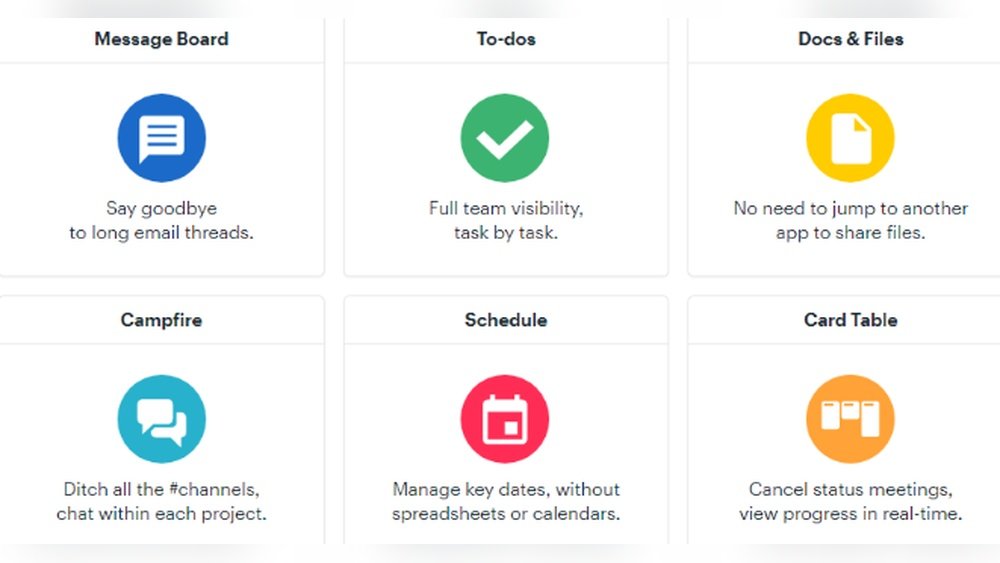
Task Management Apps
Task management apps help organize daily duties and deadlines. Virtual assistants use these apps to assign and check tasks. These tools improve productivity and keep work organized. They make sure no task is forgotten or delayed.

Credit: www.delegated.com
Maximizing Productivity With A Virtual Assistant
Maximizing productivity with a real estate virtual assistant means using their skills well. A virtual assistant can handle many tasks. This frees up your time for important work. You get more done in less time. Clear communication and good management help you get the most from your assistant.
Setting Clear Expectations
Start by telling your assistant exactly what you need. List tasks and deadlines clearly. This helps avoid confusion later. Clear expectations build trust and improve results. Your assistant knows what to focus on. You get work done faster and better.
Effective Delegation
Give your assistant tasks that match their skills. Avoid micromanaging. Let them handle routine jobs like scheduling or data entry. This frees you to focus on sales and strategy. Delegation saves time and reduces stress. It also helps your assistant feel more confident and useful.
Regular Feedback
Talk to your assistant often about their work. Praise good work and guide improvements gently. Feedback helps your assistant learn and grow. It keeps work quality high. Regular check-ins stop small problems from growing. Communication keeps your team strong and productive.
Common Challenges And Solutions
Hiring a real estate virtual assistant comes with some common challenges. Knowing these issues helps you find smart solutions. This way, you get the best support without stress.
Below are frequent problems and clear ways to handle them. Each solution helps keep your work smooth and efficient.
Time Zone Differences
Working across time zones can cause delays in communication. Tasks may not get done on time. Scheduling meetings becomes hard. A simple fix is to set clear working hours. Agree on overlapping times for calls and updates. Use shared calendars to track availability. This keeps everyone on the same page.
Maintaining Confidentiality
Real estate involves sensitive client information. Sharing this with a virtual assistant can feel risky. Protect data by using secure platforms. Sign confidentiality agreements before starting work. Limit access to important files only. Regularly update passwords and use two-step verification. These steps keep your data safe.
Ensuring Consistent Quality
Quality may vary if tasks are unclear. Mistakes can cause extra work and frustration. Provide detailed instructions and examples. Set clear expectations for each task. Give regular feedback to help improve results. Use checklists to track task completion. This keeps work consistent and reliable.
Frequently Asked Questions
What Does A Real Estate Virtual Assistant Do?
A real estate virtual assistant handles administrative tasks remotely. They manage emails, schedule appointments, and handle client communication. They also assist with marketing, lead generation, and database management, helping agents save time and stay organized.
How Can A Virtual Assistant Benefit Real Estate Agents?
A virtual assistant boosts productivity by managing routine tasks. They allow agents to focus on sales and client relationships. This leads to better time management, increased leads, and improved business growth without the need for a full-time in-office employee.
Are Real Estate Virtual Assistants Cost-effective?
Yes, virtual assistants are cost-effective as they reduce overhead costs. Agents save on office space, equipment, and employee benefits. Virtual assistants work on flexible schedules, offering affordable solutions tailored to specific real estate business needs.
What Skills Should A Real Estate Virtual Assistant Have?
A real estate virtual assistant should have strong communication, organizational, and tech skills. Knowledge of real estate software, CRM systems, and social media marketing is essential. They must be detail-oriented and able to manage multiple tasks efficiently.
Conclusion
A real estate virtual assistant helps with many tasks. They save time and reduce stress. You can focus more on selling and meeting clients. These assistants handle emails, calls, and paperwork fast. Hiring one can make your work easier. Many agents find them useful every day.
Think about what tasks take most of your time. A virtual assistant might be the right help for you.

Sofia Grant is a business efficiency expert with over a decade of experience in digital strategy and affiliate marketing. She helps entrepreneurs scale through automation, smart tools, and data-driven growth tactics. At TaskVive, Sofia focuses on turning complex systems into simple, actionable insights that drive real results.