⚠️ Disclosure: This post contains affiliate links. We may earn a commission at no extra cost to you.
⚠️ Disclosure: This post contains affiliate links. We may earn a commission at no extra cost to you.

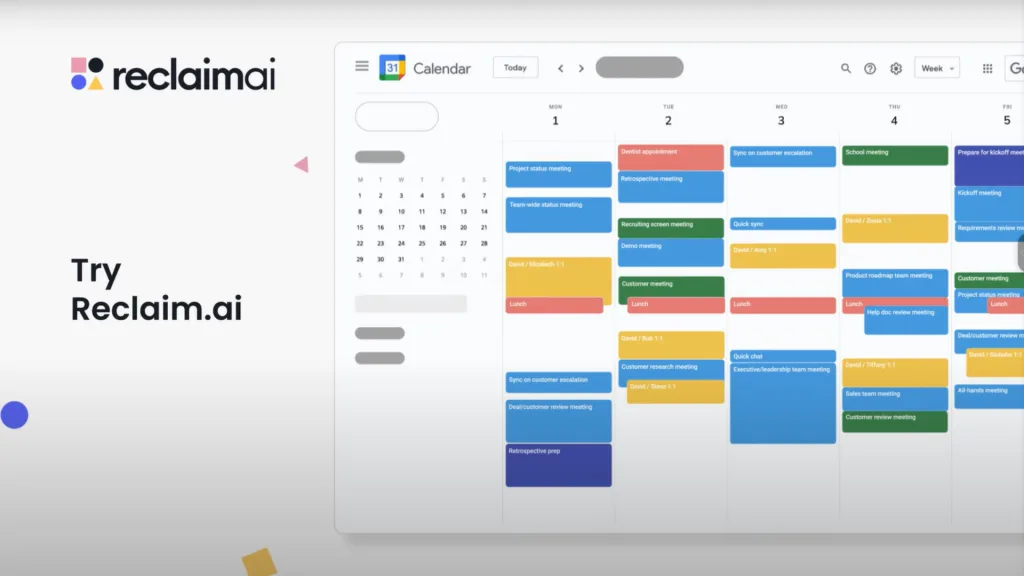
Image source: Bing (Web (fair-use with source credit))
Choosing between free AI scheduling options comes down to understanding what each platform actually delivers. Many tools advertise "free AI assistance," but digging deeper reveals significant gaps between marketing claims and real functionality.
AI-native schedulers are built specifically for intelligent scheduling. These tools have AI baked into their core architecture from day one. They understand context, learn your patterns, and make smarter suggestions over time.
Calendar extensions take a different approach. They add AI capabilities onto existing calendar platforms like Google Calendar or Outlook. These often feel more seamless because they live inside the tool you already use daily.
| Tool | Type | Free AI Features | Primary Use Case |
|---|---|---|---|
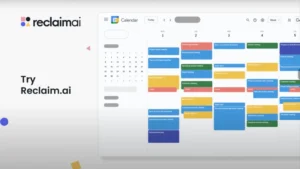
| Reclaim.ai | AI-native | Smart scheduling, focus time, buffer automation | Teams wanting AI optimization |
| SavvyCal | AI-enhanced | Booking links, availability matching | External meeting coordination |
| Motion | AI-native | Personal AI scheduling, task-to-calendar sync | Solo professionals |
| Calendly + AI add-ons | Calendar extension | Basic AI response features | Simple booking needs |
| Google Calendar AI extensions | Extension | Pattern-based suggestions | Existing Google users |
Aggregate reviews show that AI-native tools tend to offer deeper intelligence. They can reschedule meetings automatically when conflicts arise. Extensions usually provide simpler, surface-level help.
Here's where most buyers get tripped up. A "free" AI scheduler might sound like a complete tool, but many operate on freemium models designed to convert you eventually. Understanding the difference saves you frustration.
Truly free tools give you functional AI features without hidden gates. You can schedule meetings, detect conflicts, and receive AI suggestions. Free-tier traps lock essential features behind paywalls.
You'll sign up excited, only to discover AI scheduling requires a $12 monthly upgrade.
Our analysis shows three common trap patterns. First, event limits that cap how many meetings you can manage per month. Second, single-calendar restrictions that prevent syncing your work and personal schedules.
Third, removed AI intelligence that downgrades smart suggestions to basic manual tools.
When evaluating options, always check what happens after the trial period ends. Some tools offer generous free tiers indefinitely. Others treat the free version as a two-week demo.
For freelancers exploring flexible income streams, understanding online job opportunities helps clarify which tools suit different work styles. A proper scheduling system becomes especially valuable once you land consistent clients.
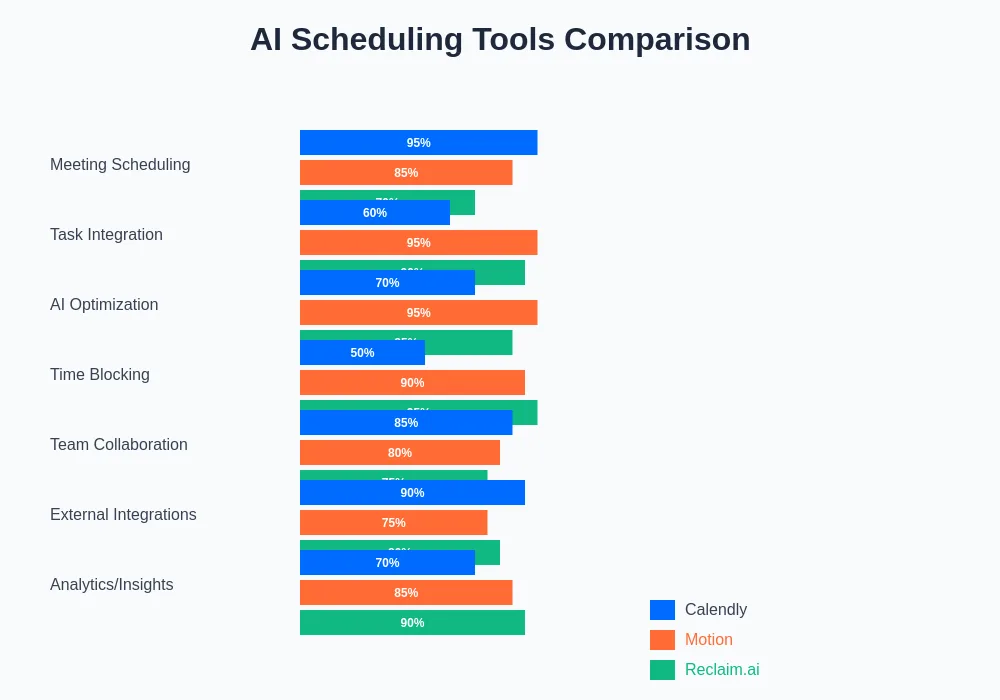
Image source: Bing (Web (fair-use with source credit))
Getting honest comparisons means looking past feature checklists. Each tool has strengths and weaknesses that matter differently depending on how you actually work. Let's break down what truly works versus what feels good on paper.
The entire point of an AI scheduling assistant involves preventing double bookings and schedule chaos. The best tools scan your connected calendars and flag conflicts before you accept any invitation. When two meetings land in the same hour, the AI suggests alternatives immediately rather than hoping you'll notice later.
Real conflict detection also considers travel time between locations and buffers you set personally. A weak version just checks if two events occupy the same timestamp. Strong versions understand that you need 15 minutes to grab coffee before your next call.
Per Google's Workspace documentation, conflict detection relies on proper timezone handling. Misconfigured timezones cause false conflicts or missed overlaps. Always verify your default timezone during setup to avoid these issues.
The promise of AI scheduling involves typing something like "Schedule a dentist appointment next Tuesday afternoon" and watching it happen. In practice, natural language processing quality varies wildly between tools.
Higher-end AI schedulers parse complex requests correctly. They understand relative time like "next week," recurring patterns like "every other Thursday," and conditional logic like "before my lunch break." Lower-quality versions misunderstand phrasing and produce incorrect results requiring manual correction.
Testing natural language capability is straightforward. Try inputting ambiguous requests during your free trial. Watch how often the AI gets it right versus forcing you to rephrase repeatedly.
A tool that fails basic commands isn't worth your data even if the interface looks polished.
Most serious users maintain two or three separate calendars. Work events, personal commitments, and shared family schedules all deserve distinct tracking. Any free AI scheduler claiming universal support must prove it handles these connections reliably.
Integration problems typically manifest in three ways. First, calendar sync delays causing outdated availability information. Second, write errors creating duplicate or missing events after AI modifications.
Third, permission mismatches leaving some calendars visible but others locked out of the AI's view.
When comparing options, check official integration lists carefully. Some tools support Google Calendar exclusively on free plans. Others limit you to read-only access on secondary accounts.
Full bidirectional sync remains the gold standard that separates serious tools from experiments.
For professionals managing complex workflows, combining scheduling tools with virtual assistant automation can create powerful productivity systems. The right combination of AI scheduling plus task management eliminates most administrative overhead.
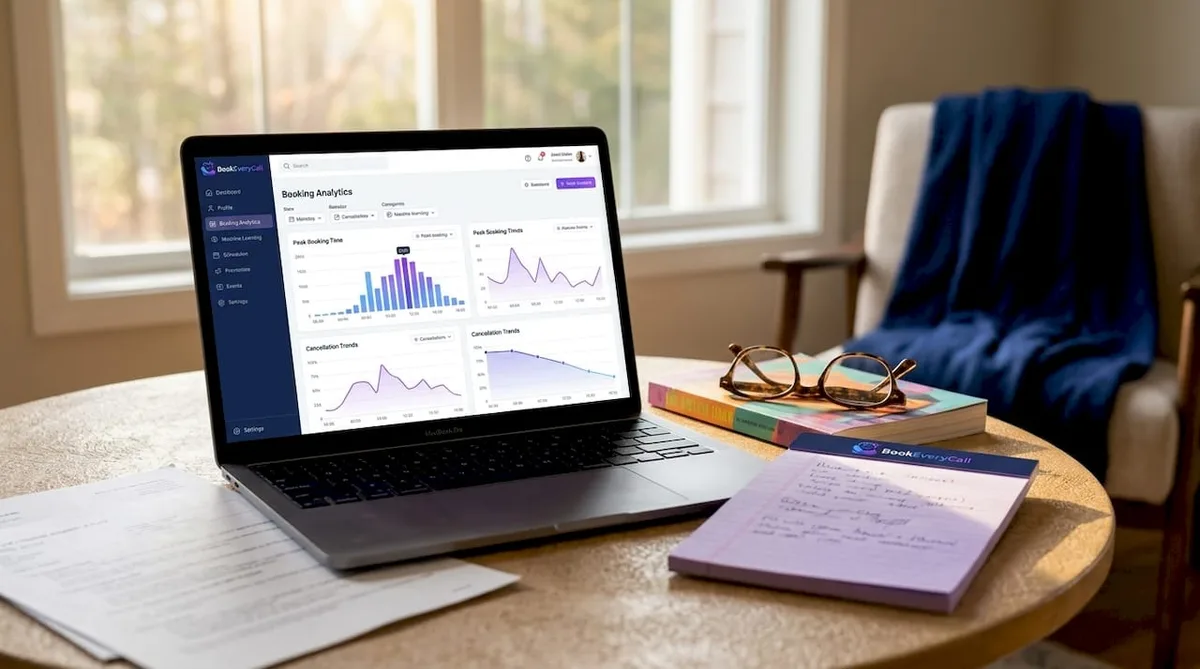
Image source: Bing (Web (fair-use with source credit))
One tool never fits every scenario perfectly. Understanding your particular situation leads to much better decisions than chasing feature comparisons blindly. Different life circumstances demand very different scheduling approaches.
Students face unique scheduling challenges. Class schedules shift between semesters, study sessions require uninterrupted blocks, and part-time jobs impose inflexible availability windows. The ideal student scheduler handles all these competing demands without manual recalibration.
Reclaim.ai earns top marks here because of its smart scheduling engine. It learns when you're most productive and protects that time automatically. The free tier supports multiple calendars, letting students track classes, work shifts, and social commitments separately.
Focus time blocking proves especially valuable for exam periods. The AI reserves uninterrupted study windows without requiring constant manual adjustment. As semester schedules change each term, reconfiguring takes seconds rather than hours.
Students should also prioritize tools offering easy guest coordination. Group projects require finding consensus meeting times efficiently. SavvyCal's availability polling sends one link instead of endless text message chains.
Freelancers wear too many hats already. Manual scheduling adds unnecessary stress to an already demanding workflow. Client requests arrive constantly, and coordinating availability across multiple people consumes precious billable hours.
SavvyCal stands out for freelancers needing external-facing booking links. Clients book directly without email tag or phone calls. The free tier includes unlimited booking pages with basic customization options.
When evaluating freelancer tools, prioritize those with payment integration possibilities. Some platforms connect scheduling directly to invoicing workflows. Even simple Stripe connections save considerable administrative time compared to manual payment chasing.
For anyone building a virtual assistant business, establishing solid workflow automation foundations creates long-term scalability. Proper scheduling infrastructure becomes the backbone supporting business growth.
Remote workers face blurred boundaries between professional and personal time. Without clear scheduling guardrails, work expands to fill every available hour. The best professional scheduler enforces structure while maintaining flexibility.
Motion excels here through its time-blocking philosophy. Every task gets a scheduled slot automatically. When new meetings appear, the AI reshuffles your entire day intelligently rather than creating conflicts or overtime expectations.
Professional schedulers must handle recurring meetings gracefully. Weekly team standups, monthly reviews, and quarterly planning sessions all deserve protection from accidental cancellation or time drift. Check that your chosen tool preserves recurrence patterns accurately during AI adjustments.
If you're navigating remote career opportunities, mastering professional scheduling tools gives you a measurable productivity edge. Employers notice employees who consistently meet deadlines and communicate availability proactively.
Understanding what goes wrong prevents wasting weeks on disappointing tools. Most users encounter identical frustrations after initial excitement fades. Recognizing these patterns early saves considerable time and frustration.
Free trials and freemium models exist to convert users eventually. The conversion trap hides inside seemingly generous free tiers. Everything works perfectly until you hit an invisible ceiling that triggers an upgrade prompt.
Three warning signs indicate an approaching conversion wall. First, suddenly appearing restrictions mid-task like "upgrade to unlock." Second, gradual feature degradation where previously available functions become premium-only. Third, promotional emails pushing upgrades within days of signup signaling aggressive monetization strategies.
The most effective defense involves researching limitations before committing calendar data. Check independent reviews mentioning free tier complaints. Search specifically for phrases like "downgraded," "hit limit," or "paywall." These reviews reveal exactly where free tiers break down in practice.
Your calendar contains sensitive information about your life. Medical appointments, financial meetings, legal consultations, and personal commitments all appear in schedule data. Granting AI tools full calendar access requires careful evaluation of privacy practices.
Google maintains strict privacy guidelines for developer APIs, but third-party integrations vary considerably. Some AI schedulers retain your calendar history indefinitely. Others share de-identified data with advertising partners.
Read privacy policies thoroughly before authorizing any tool.
Minimal permission requests indicate respectful data handling. Tools asking only read-write access to calendar endpoints pose lower risk than those requesting contacts, email, or drive permissions simultaneously. Start with the narrowest permission scope possible.
Calendar sync failures represent the most dangerous free AI scheduler problems. A tool might process thousands of scheduling requests flawlessly, then silently drop a critical update. Missing a doctor appointment or client meeting due to sync failure causes real consequences.
Sync issues typically stem from three root causes. API rate limiting triggers throttling during high usage periods. Token expiration occurs when authentication credentials expire without warning.
Permission misconfigurations create partial sync states showing incomplete data.
Weekly integration health checks prevent catastrophic failures. Verify that recent events appear correctly across all connected calendars. Test by adding a minor event manually, then confirming it propagates properly through the AI system.
Building effective workflows for remote teams requires reliable synchronization as a foundational element. When scheduling breaks down, communication collapses alongside it.
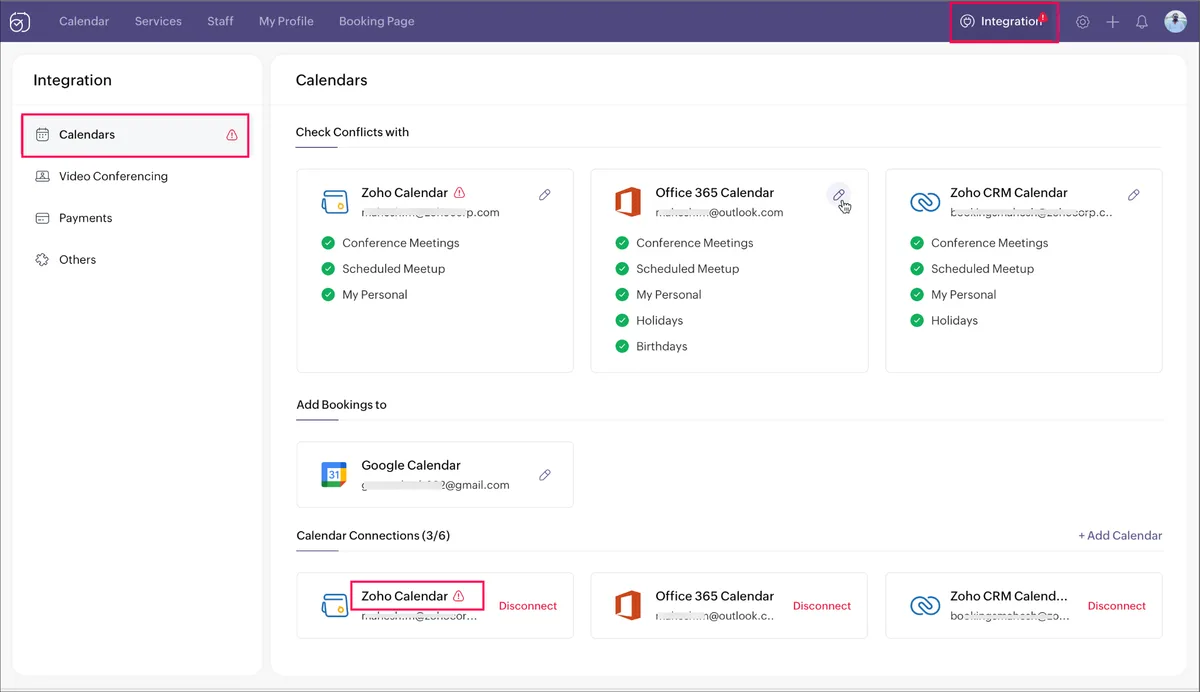
Image source: Web (Bing) / help.zoho.com (Web image (fair-use with source credit))
Proper setup determines whether your AI scheduler enhances productivity or creates additional administrative overhead. Most users skip important configuration steps, then blame the tool when things go wrong. Following a structured setup process prevents common failures.
The first technical step involves linking your main calendar platform. Google Calendar dominates this space but Microsoft Outlook and Apple iCloud both offer viable integration paths. Choose based on where your existing calendar data currently resides.
During connection, grant appropriate permission levels carefully. Read-write access enables the AI to both view and modify events. Read-only access lets you evaluate the tool safely before enabling full modification rights.
Start conservatively, then expand permissions as trust builds.
After initial connection, verify that historical events imported correctly. Old meetings shouldn't disrupt AI learning algorithms but should remain accessible for reference. Spot-check three to five random dates across different months to confirm accurate sync.
Defining availability preferences establishes the foundation for all subsequent AI scheduling decisions. Without clear parameters, the algorithm makes conservative assumptions likely contradicting your actual habits and priorities.
Establish dedicated focus time blocks for deep work. Specify non-negotiable personal commitments like exercise or family dinner. Set realistic buffer times between meetings based on your actual transition needs rather than idealized schedules.
The best availability settings balance structure with flexibility. Overly rigid parameters prevent the AI from finding optimal scheduling solutions. Overly loose settings allow schedule expansion until work consumes all available time.
Find the middle ground specific to your lifestyle.
Initial testing validates whether the AI understands your communication style and scheduling context. Start with simple, unambiguous requests before progressing to complex multi-condition scheduling scenarios.
Basic test commands should include requests like scheduling single meetings, finding alternative times for existing conflicts, and setting recurring weekly events. Advanced tests involve complex queries combining multiple constraints and conditions.
Success metrics center on accuracy and effort reduction. Count how many attempts your natural language command requires before producing correct results. Track time saved compared to manual scheduling.
An effective tool completes simple requests in one try and complex ones in two or fewer.
For freelancers ready to scale their operations, pairing AI scheduling with time tracking best practices provides complete visibility into how your hours actually distribute across clients and projects.
Free AI schedulers require ongoing attention to stay effective. Initial setup gets you started, but maintaining accuracy and catching problems early separates tools that enhance productivity from ones that create chaos over time.
Set aside five minutes each week to verify your calendar connections function properly. Open each connected calendar and confirm recent events appear correctly. Look for duplicate entries or missing time blocks that might indicate sync failures.
Quick verification steps prevent small problems from becoming scheduling disasters. If you notice stale data appearing in your primary calendar, immediately check permission settings in your Google or Outlook account. Most sync issues resolve through revoking and re-authorizing access rather than complex troubleshooting.
Your initial preferences shape how your AI scheduler learns and responds. As your habits evolve, those early settings may no longer reflect your actual priorities and constraints. Regular adjustment keeps the tool aligned with your current reality.
Review AI-suggested meeting times monthly and mark suggestions that feel wrong. Most platforms track your corrections to improve future recommendations. The more specific feedback you provide, the sharper the AI becomes at matching your genuine preferences.
Ignoring bad suggestions trains the algorithm poorly. Click "not a good fit" or manually adjust times instead of accepting incorrect suggestions just to maintain harmony. Your input directly shapes long-term performance.
Free tiers include limits that quietly affect daily operation. Event caps, single-calendar restrictions, and reduced AI features all degrade experience over time. Tracking your usage prevents surprise interruptions mid-project.
Monitor your remaining allowance before every busy scheduling period. If you frequently approach limits, consider consolidating to one primary calendar or reducing unnecessary recurring meetings. Smart management stretches free capabilities further than most users realize.
For professionals building sustainable practices, combining these maintenance habits with time tracking analysis reveals exactly where your scheduling system creates friction versus flow.
Reclaim.ai offers the strongest free tier for academic use. It supports multiple calendars and provides smart focus time blocking without major limitations. SavvyCal works well for coordinating group project meetings through shared availability links.
Most reputable tools encrypt data during transfer and storage. However, you should always review privacy policies before connecting sensitive calendars. Google and Microsoft maintain strict API security standards that protect authorized integrations.
Most free plans support two to three calendar connections. Premium upgrades typically remove this restriction entirely. Check individual tool documentation before committing if you manage work, personal, and shared calendars.
No. All AI scheduling assistants require active internet connections to process requests and synchronize calendar data. Offline functionality isn't available because AI processing happens on remote servers, not locally on your device.
Simple, direct requests produce the highest accuracy. Say "schedule a dentist appointment next Tuesday at 2 PM" rather than complex multi-condition sentences. If the AI misunderstands, rephrase rather than adding more detail to an already confused command.
Initial connection and configuration takes approximately ten to fifteen minutes. Testing natural language commands and adjusting first-week suggestions requires another hour or two. Most users reach comfortable daily operation within the first week of consistent use.
Yes. All major platforms support standard calendar format exports like iCalendar files. You can also sync schedules back to Google Calendar or Outlook for broader accessibility.
Export options ensure you're never locked into a single provider permanently.















Learning from top universities and industry leaders no longer requires a big budget. Coursera gives you free access to thousands of courses if you know…
Sorting through dozens of job search platforms to find the right fit for your career goals can feel overwhelming, especially as the market evolves. As…

As of 2026, remote work is no longer a temporary pandemic-era perk: 35% of U.S. workers work remotely at least part-time, a rate that has held steady…