⚠️ Disclosure: This post contains affiliate links. We may earn a commission at no extra cost to you.
⚠️ Disclosure: This post contains affiliate links. We may earn a commission at no extra cost to you.



Image source: Bing (Web (fair-use with source credit))
A free virtual assistant for small business can automate customer messages, book appointments, and qualify leads without charging a monthly fee. The tradeoff is that free tiers impose hard caps on conversations, contacts, and advanced features like custom branding or CRM sync. As of 2026, most solopreneurs and micro-businesses can cover their daily support needs on a well-chosen free plan, provided they understand each tool's limitations before committing.
Per NIST AI risk management guidelines, businesses should verify data handling practices before routing customer conversations through any third-party AI platform. That due diligence pays off when you're deciding whether to stack multiple free tools or consolidate into a single assistant.
A free virtual assistant for small business automates routine customer tasks. It answers messages and books appointments at no monthly cost. Most free plans cap conversations between 100 and 500 monthly.
Free tiers usually exclude CRM sync and custom branding. Verify how your customer data is stored before going live.
Most small business owners underestimate how fast free-tier limits disappear. A chatbot that handles 200 customer messages in its first week might hit its monthly cap by day ten. Once that limit kicks in, prospects sit in a queue or get a generic message instead of an instant reply.
That delay erodes trust faster than most founders expect.
The real challenge is matching your expected volume to the tool's actual free allowances. Some platforms offer generous message quotas but restrict integrations. Others unlock scheduling and CRM sync only on paid plans.
You also need to weigh whether watermarked widgets and forced redirect links hurt your brand perception.
Another hidden friction point is data portability. Free plans rarely let you export conversation history or knowledge base content in a clean format. If you eventually upgrade or switch platforms, migrating months of training data and response templates becomes a manual scramble.
Planning your exit strategy on day one saves hours of rebuild work later.
The payoff is worth the upfront thinking. A well-configured free assistant can deflect sixty to eighty percent of routine inquiries, leaving you free to focus on revenue-generating work instead of repeating the same answers all day. Mapping out your automation workflow early ensures those early wins compound rather than stall.
Not every "virtual assistant" does the same job. The term covers several distinct tool categories, and each one solves a different problem. Mixing them up leads to purchasing the wrong kind of assistant or expecting a chatbot to handle scheduling when it was never designed to.
Chat-based assistants dominate the free tier space. Platforms like Tidio, Tawk.to, and Crisp offer web widgets that answer questions, collect leads, and route messages to human agents. These tools shine for e-commerce stores and local service businesses that field the same product and pricing questions repeatedly.
Scheduling assistants are a separate category. Tools like Calendly and Setmore provide free booking pages with timezone awareness and automated reminders. They do not answer open-ended questions.
Their value lives in reducing no-shows and eliminating back-and-forth email threads. Appointment-heavy businesses like coaches, clinics, and consultants gain the most from this type.
Automation assistants bridge two or more apps. Zapier and Make offer free tiers that trigger actions across platforms based on incoming messages or form submissions. These work best when you already know which tasks to chain together, such as saving chat lead details into a spreadsheet automatically.
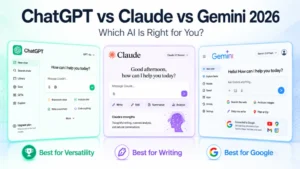
General-purpose AI models like ChatGPT, Claude, and Gemini provide conversational intelligence without built-in integrations. They require extra configuration to connect to your website, calendar, or CRM. They excel at drafting responses and creating knowledge base content but need middleware to operate autonomously.
| Assistant Type | Best For | Typical Free Limits | Integration Depth |
|---|---|---|---|
| Chat widget bots | E-commerce, local services | 100–500 chats/month | Low to medium |
| Scheduling tools | Coaches, clinics, agencies | Unlimited bookings | Medium |
| Automation platforms | Cross-app workflow triggers | 100–1,000 tasks/month | High |
| General AI models | Content creation, Q&A drafting | Message-per-day caps | Low unless connected |
Understanding which category matches your biggest time drain is the first step toward actually using a tool rather than abandoning it after a week.
Choosing between free tiers comes down to three factors: conversation volume, feature depth, and integration flexibility. No single tool dominates all three categories, which is why comparing them side by side prevents costly trial-and-error swaps later.
Tawk.to stands out for businesses that want a completely free forever plan without contact or message caps. Its live chat combined with AI routing covers most basic support needs. The downside is limited customization and a less polished mobile experience compared to premium alternatives.
Tidio offers a cleaner interface and stronger omnichannel support across WhatsApp, Messenger, and Instagram. Its free tier allows two active chat agents and roughly one hundred conversations per month. That limit is tight for any business running seasonal promotions or viral campaigns.
Crisp sits between the two with a generous free plan that includes a full mailbox and chat inbox plus unlimited team members on the seat count. It restricts automation rules and analytics on the free tier, which matters if you plan to track conversion paths from day one.
For pure AI conversation power, the free tiers of ChatGPT, Claude, and Gemini provide stronger reasoning than any purpose-built chatbot. They lack native website widgets and scheduling features. Connecting them to your business requires either developer setup or a middleware layer like Zapier.
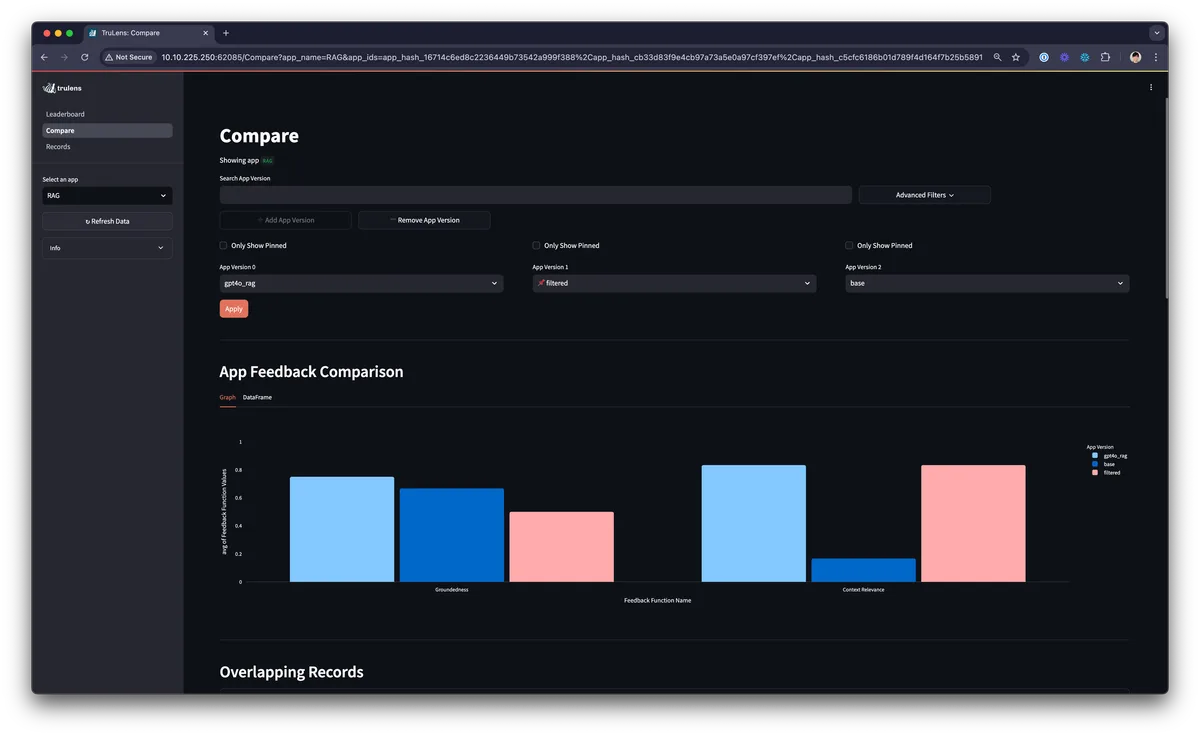
If your priority is simplicity and zero cost, Tawk.to is the safest starting point. If you need multichannel messaging and don't mind the conversation cap, Tidio serves well. Crisp wins when you want a unified inbox without paying.
General AI models reward businesses willing to invest extra setup time for superior response quality.
The right assistant depends entirely on what kind of work drains your week. A solo fitness trainer and an Amazon FBA seller have almost nothing in common operationally, yet both need help handling repetitive tasks. Matching your business model to the right tool category prevents buying features you will never use.
Service-based freelancers and coaches benefit most from scheduling assistants paired with a light chat bot. Client inquiries usually revolve around availability, pricing packages, and session prep. A booking page with automated SMS reminders cuts no-show rates significantly while a chat widget handles the FAQ repetition.
E-commerce store owners need chat bots that understand product specs, return policies, and shipping windows. Tidio and Crisp integrate directly with Shopify and WooCommerce flows. Their free tiers may restrict the number of automated conversation flows, so prioritize the ones tied to highest-volume pages like product listings and checkout support.
Local service businesses such as salons, restaurants, and tradespeople operate on appointment-driven calendars. Setmore and Calendly free plans handle multi-location scheduling and client reminders effectively. Adding a simple website chat widget captures after-hours questions that would otherwise go unanswered until Monday morning.
Professional practices and healthcare-adjacent businesses must weigh compliance requirements before adopting any assistant. Tools handling protected health information need business associate agreements and encrypted data storage. General free chatbots do not meet those standards without explicit vendor confirmation.
Researching the remote VA landscape and understanding compliance obligations helps avoid costly missteps down the line.
Solo creators and content producers often manage social DMs, email drafts, and publishing schedules simultaneously. A general AI model paired with a scheduling tool covers the bulk of those tasks. The AI handles drafting and editing while the scheduler manages publishing timelines and client meetings.
Your best match follows a simple rule. Identify the single task that consumes the most hours each week. Pick the assistant type that automates that task first.
Layer additional tools only after the first one proves reliable over a full billing cycle.
Most free assistant failures stem from skipping the planning phase and diving straight into account creation. A thirty-minute setup sprint feels productive until you hit a configuration wall halfway through. Taking an hour to map your workflows beforehand turns a frustrating afternoon into a smooth launch.
Start by listing every repetitive task that eats more than ten minutes per occurrence. Group them by frequency: daily, weekly, and monthly. Daily tasks like FAQ replies and booking confirmations deserve instant automation.
Weekly tasks like lead follow-ups can run on a schedule. Monthly tasks like report generation can wait for human review.
Choose one primary tool to handle your highest-frequency task before adding anything else. Stack multiple assistants from day one creates conflicting workflows and duplicate effort. Build a solid foundation with one tool, validate that it actually saves time, then expand deliberately.
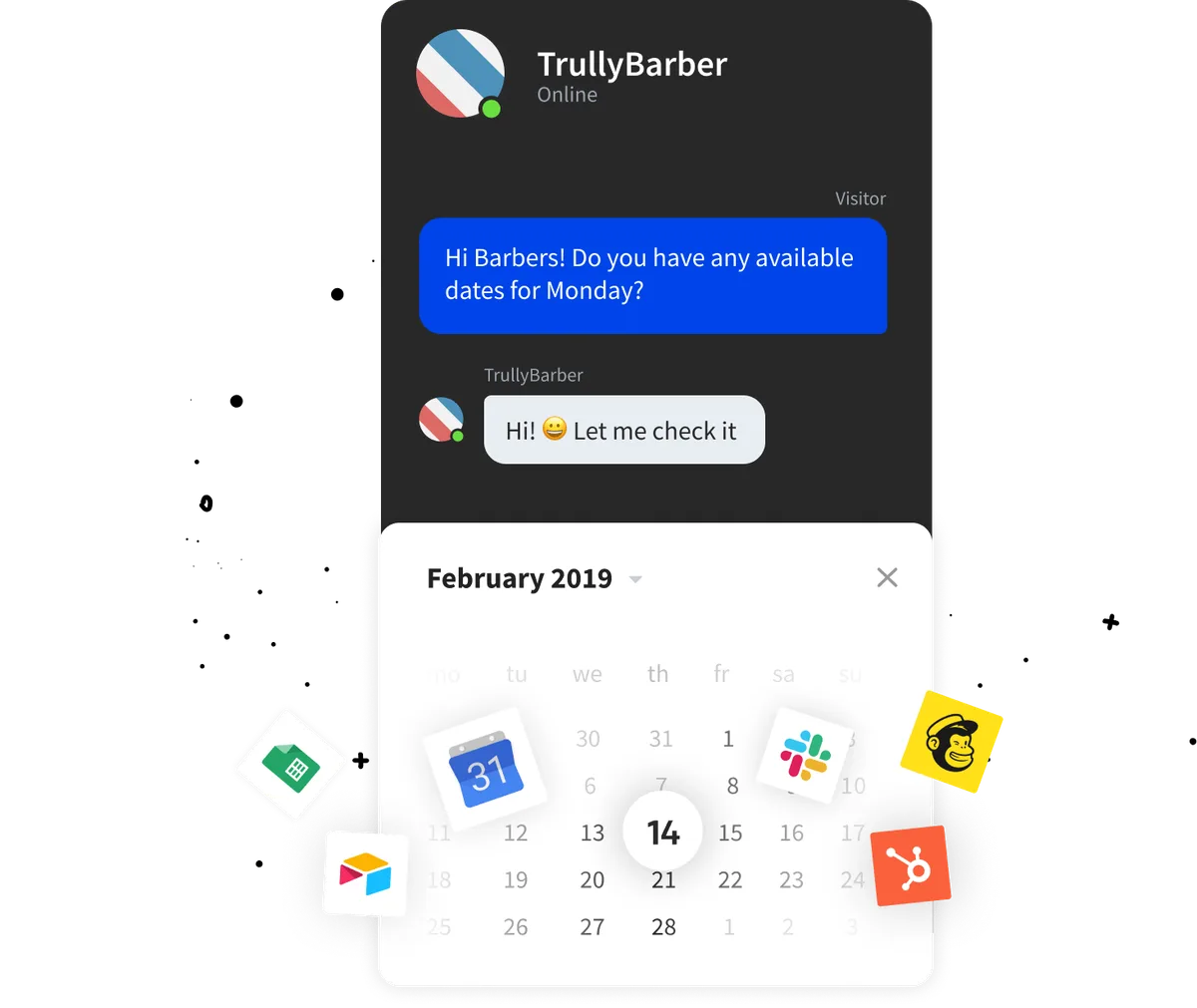
Configure your assistant with realistic inputs from the beginning. Upload actual FAQ documents, paste real customer questions, and define clear escalation triggers that route complex queries to your inbox. Avoid generic placeholder text because the AI learns from what you feed it during training.
Poor initial inputs produce poor long-term outputs.
Connect your chosen assistant to one supporting tool at a time. Calendar sync belongs on day one for booking-dependent businesses. Email or CRM integration can wait until week two once the assistant handles basic conversations reliably.
Each new connection introduces another potential failure point, so add them slowly and test thoroughly before moving forward.
Monitor performance metrics during the first fourteen days. Track response accuracy, handoff rates, and unresolved queries that required manual intervention. Most free platforms surface basic analytics on their dashboards.
Use that data to refine your knowledge base and adjust escalation rules before scaling traffic increases complexity.
Upgrading your digital toolkit through structured learning helps you configure these tools more efficiently. Reviewing the data you collect during those two weeks reveals which response templates need rewriting and which automation steps created more work than they saved. A disciplined first-month approach separates assistants that earn their keep from ones that gather digital dust.
Explore additional resources like our guide on free skill development courses to strengthen your implementation skills.
Most free assistant failures happen because owners skip the planning phase. They sign up, install a widget, and expect magic. That approach rarely works.
Here are the biggest mistakes to avoid.
1. Ignoring conversation limits until it's too late.
Free tiers often cap messages at 100 to 500 per month. If you run a promotion or get featured in the news, you'll hit that ceiling fast. Once the limit is reached, your bot goes silent or shows a generic error.
You lose leads without knowing why. Check your historical traffic before picking a tool.
2. Feeding the AI bad information.
Your assistant learns from what you upload. If you paste outdated pricing or incorrect policies, it will confidently give wrong answers. Hallucinations are common when the knowledge base is thin.
Always verify outputs against your official documents. Treat the AI like a new employee who needs clear training materials.
3. Forgetting about data privacy and compliance.
Customer conversations contain personal data. Free tools may store that data on servers you don't control. If you operate in the EU or California, you must comply with GDPR or CCPA regulations.
Check the vendor's privacy policy. Ensure they offer data processing agreements if required. Don't assume "free" means "safe."
4. Trying to automate everything at once.
Start with one high-volume task, like booking appointments or answering FAQs. Get that workflow stable before adding email auto-responses or social media DM routing. Each new integration adds complexity and potential failure points.
Build gradually so you can troubleshoot effectively. Learn more about building a structured automation workflow to avoid common setup pitfalls.
5. Not setting up human handoff triggers.
AI should know when to quit. Configure escalation rules so complex or frustrated queries route to a real person immediately. If the bot loops endlessly, customers will leave negative reviews.
A smooth transition to a human agent preserves trust even when the AI hits its limits.
6. Accepting watermarked widgets on your site.
Many free plans force a "Powered by [Tool]" badge on your chat window. That looks unprofessional and undermines your brand authority. It signals to visitors that you're using a cheap, entry-level solution.
Budget for a paid plan if your brand image matters, or choose a tool like Tawk.to that doesn't enforce watermarks.
Yes, some tools like Tawk.to offer truly free plans with no message caps. However, most others limit conversations monthly. If your business grows, you'll likely need to upgrade.
Evaluate whether the free features cover your core needs before committing long-term.
Choose Tawk.to for unlimited free chats. Pick Tidio if you need strong Instagram and WhatsApp integration. Select Crisp if you want a unified inbox with unlimited team seats.
Your choice depends on which channels your customers prefer and how many agents need access. Consider reading our remote virtual assistant guide for broader context on automating support roles.
Be cautious. Free tiers often lack advanced security features like encryption at rest or business associate agreements. Avoid uploading sensitive information like health records or payment details.
Use the tool only for general inquiries, and review the vendor's privacy policy to understand how your data is handled.
The bot usually stops responding or displays a default fallback message. You might also lose access to analytics and integrations. Some platforms allow you to buy extra credits, while others require a full plan upgrade.
Monitor your usage dashboard weekly to avoid surprise suspensions during peak times.
They work well for basic product Q&A and order status checks. However, deep Shopify or WooCommerce integrations often require paid plans. If you need automated refunds, inventory syncing, or personalized recommendations, you'll likely outgrow the free tier quickly.
Start simple and upgrade as your catalog grows.
Yes, but data migration can be painful. Most free plans don't let you export conversation history easily. Save important leads and custom responses to your own CRM or spreadsheet regularly.
This habit ensures you won't lose valuable customer interactions if you decide to upgrade platforms down the road.
Picking the right free virtual assistant comes down to honesty about your current volume and future goals. If you're a solopreneur with low traffic, Tawk.to gives you the safest unlimited foundation. If you live on Instagram and WhatsApp, Tidio's free omnichannel inbox is worth the message cap.
For pure reasoning power, general AI models paired with Zapier offer flexibility, but demand more setup time.
Avoid the trap of stacking five free tools at once. That creates fragmentation and confusion. Master one workflow first.
Whether it's booking appointments or answering FAQs, prove that the automation saves you actual hours. Once that system runs smoothly, layer in a second tool only if you have remaining bandwidth. Think about how a virtual assistant for entrepreneurs approaches efficiency before you multiply your software stack.
Also, remember that a free AI assistant complements, rather than replaces, human connection. Use it to handle the repetitive 80 percent of tasks. Keep the personal touch for the critical 20 percent that requires empathy and complex judgment.
Building that balance ensures your business scales efficiently without losing the human element that attracts clients in the first place.












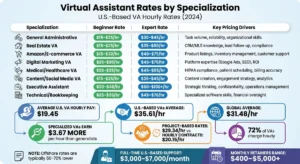


If you’re asking how much does a virtual assistant cost per hour, the answer splits in two. Human virtual assistants (VAs) charge by the hour. AI assistants…
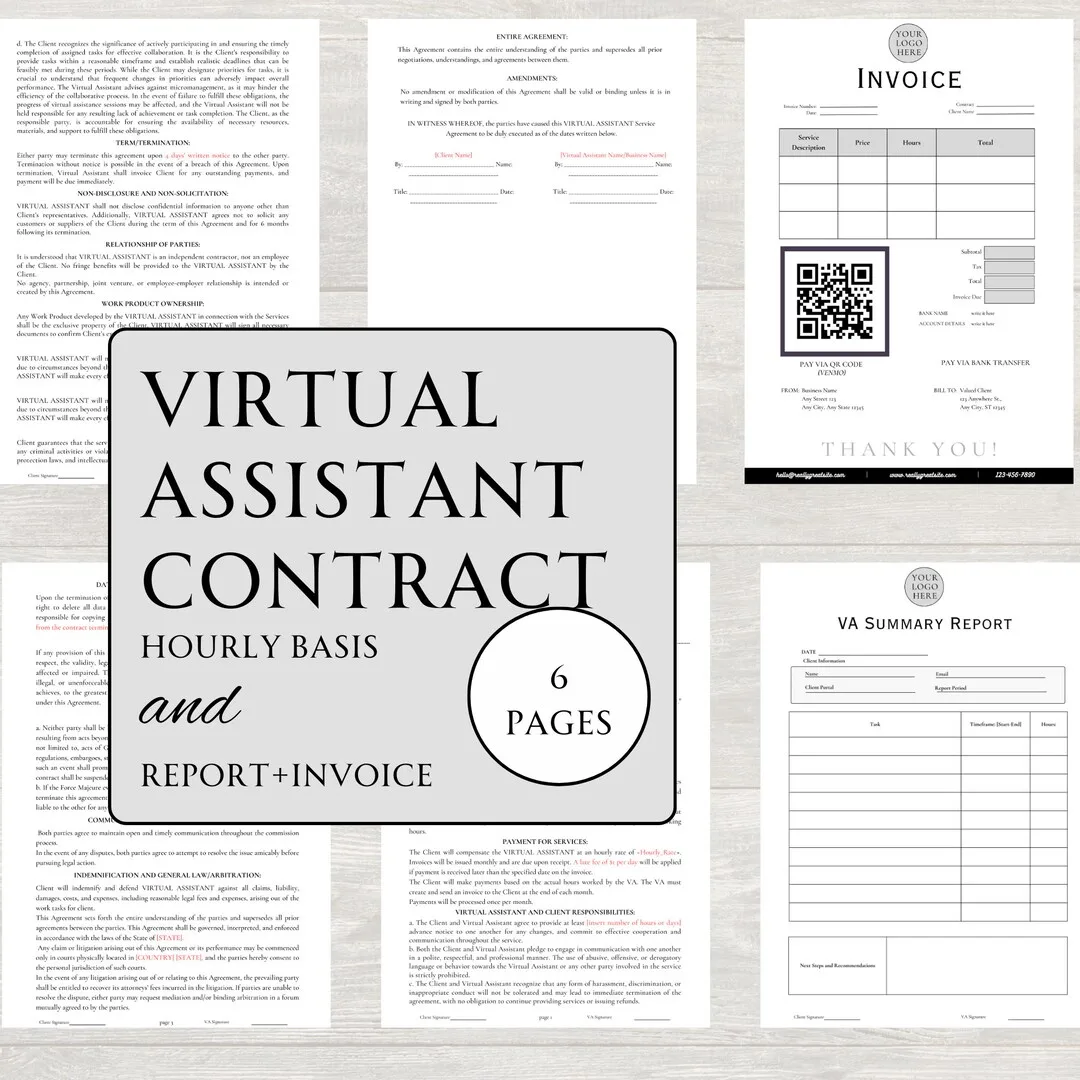
You’re staring at a job post or a DM from a freelancer and you’ve landed on the same question a hundred business owners do: how much should I pay a virtual…

 If you’re searching how much does a virtual assistant make, you…