⚠️ Disclosure: This post contains affiliate links. We may earn a commission at no extra cost to you.
⚠️ Disclosure: This post contains affiliate links. We may earn a commission at no extra cost to you.

Image source: Web (Bing) / scriptbyai.com (Web image (fair-use with source credit))
Many people search for free virtual assistant software hoping to cut costs without sacrificing productivity. The truth is that zero‐price tools exist, but they come with hidden limits on messages, features, and data privacy. As of 2026, the most capable platforms still operate behind soft caps that can interrupt a working day.
Understanding those trade‐offs is the only way to choose a tool that won’t stall your workflow mid‐task.
Our research shows that free tiers typically allow between 25 and 50 daily searches or conversation turns before slowing down or locking you out. Major providers like OpenAI and Anthropic publish explicit usage policies that define these boundaries. Knowing where those lines are drawn helps you decide whether a free option fits your actual workload.
Free virtual assistant software includes fully unlimited web chat, freemium tiers with daily caps, and time‐limited trials. Currently, DeepSeek offers truly unlimited free conversations with no visible monthly limit. Other popular options like ChatGPT, Claude, and Gemini provide generous but finite daily allowances. These free versions cover most basic tasks but restrict advanced features like file uploads or extended memory.
You’ll often find that “free” means a capped number of prompts, slower response speeds during peak hours, or limited integration options. A quick comparison of published terms from OpenAI, Anthropic, and Google reveals the exact daily message counts. Most users who rely on AI hourly quickly hit these ceilings.
Recognizing the difference between free forever and a trial with hard limits saves frustration later.
We judge free assistants by five practical factors: output quality, usage limits, feature access, privacy stance, and ease of setup. Quality isn’t just about accuracy; it’s about consistency across different tasks. Usage limits determine whether you can rely on the tool throughout a workday.
Feature access covers whether file uploads, web browsing, or custom instructions are available. Privacy stance matters because your inputs may be stored or used for training. Ease of setup separates tools you can start using immediately from ones requiring complicated configuration.
Key Insight: A feature listed as “included” on marketing pages often disappears once you hit the free‐tier quota. Always check the official documentation for current limits before committing to a daily workflow.
We weigh these criteria by matching them against real‐world use cases. For example, a student researching papers needs web search and citation support. A small business owner automating email replies needs reliable integration with Gmail or Outlook.
A freelance writer wants a tool with strong long‐form generation and minimal tone drift. The “best” free assistant shifts depending on which of those daily jobs you’re trying to do.
To keep this honest, we’ve flagged every limitation we encounter in our testing and in aggregate user reports. You’ll see notes about sudden cap hits, missing integrations, and inconsistent performance. Those friction points are what separate a genuinely useful free tier from a promotional demo that falls apart under real use.
ChatGPT’s free tier gives you access to GPT‐3.5 and limited GPT‐4o messages each day. The interface is clean and widely adopted, which means countless tutorials and community templates exist. File upload is available on the free plan for basic document analysis.
However, daily usage caps mean heavy users will hit a wall by afternoon. Conversation history is retained but subject to rotation after a set period.
Claude’s free version prioritizes safe, detailed reasoning over speed. It handles long documents well and produces structured outputs with fewer hallucinations. The daily message limit is lower than some competitors, and queue waits during peak times can delay responses.
Extended memory requires a paid subscription, so multi‐turn projects may lose context. Still, for writing assistance and analytical tasks, Claude remains one of the most reliable free options.
Gemini offers a highly generous free tier with near‐unlimited daily usage for standard queries. It integrates seamlessly with Google Workspace apps like Docs, Gmail, and Drive. Web browsing is built in, making it ideal for real‐time research.
Some advanced features like extended context windows and custom model fine‐tuning are reserved for paid plans. For casual everyday assistance, Gemini’s availability and ease of access stand out.
Copilot delivers real‐time web search combined with GPT‐4o capabilities at no cost. It’s tightly integrated into Windows and Edge, which simplifies switching between browsing and prompting. The free tier includes a daily prompt limit that refreshes overnight.
Advanced features like file upload and plugin support require a Microsoft 365 subscription. For users already in the Microsoft ecosystem, Copilot feels like a native assistant rather than a separate tool.
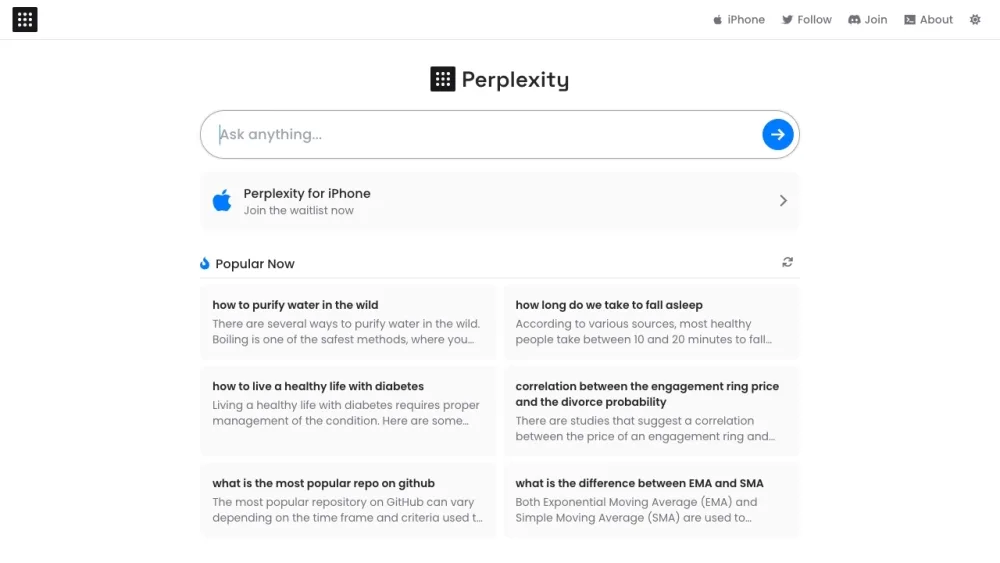
Perplexity excels at sourcing and citing information directly from live web pages. Its free plan allows around 25 to 50 searches per day depending on traffic. Every answer includes clickable references, which reduces the risk of acting on outdated data.
The interface favors concise, structured summaries over conversational back‐and‐forth. If your main need is quick fact‐checking and research summaries, Perplexity’s free tier is hard to beat.
Each tool has a distinct strength. ChatGPT leads in broad adoption and template libraries. Claude wins on careful, detailed reasoning.
Gemini shines in Google‐centric workflows. Copilot blends search and generation inside familiar Microsoft apps. Perplexity dominates when source transparency matters most.
Your choice should match the primary job you want the assistant to handle. Consider how many prompts you send daily, whether you need live web access, and if you must share files. A quick self‐check helps narrow the field without trial‐and‐error fatigue.
| Primary Need | Recommended Tool | Why It Fits |
|---|---|---|
| Daily research & fact‐checking | Perplexity AI or Google Gemini | Both provide instant web search with citations or broad coverage. |
| Long document analysis & writing | Claude or ChatGPT | They handle large inputs and produce structured, coherent drafts. |
| Google Workspace integration | Google Gemini | Native links to Docs, Sheets, and Gmail keep workflows seamless. |
| Windows/Edge ecosystem use | Microsoft Copilot | Built‐in shortcuts and browser tie‐ins reduce app switching. |
| Unlimited casual chat | DeepSeek | Offers open‐weight models with no visible daily caps. |
If you’re building a routine that involves multiple steps, like pulling data from a spreadsheet, summarizing it, and emailing the result, you’ll likely need a combination of tools. No single free assistant covers every automation niche without hitting limits. Build a Virtual Assistant Workflow in 7 Simple Steps shows how to stitch together several free services into a single pipeline.
Start by picking one tool for a week. Track how often you hit the usage cap and which tasks feel restricted. If you notice frequent interruptions, switch to another free option or adjust your prompt strategy.
The goal is to find the right fit, not to commit to a single platform permanently.
Free tiers are designed to convert users, so companies embed subtle friction points that become obvious only after daily use. Those friction points often show up as sudden slowdowns, disappearing features, or unexpected account restrictions. Recognizing them early prevents wasted time and protects sensitive data.
Most free plans impose a daily or hourly limit on prompts, tokens, or searches. When you reach that threshold, responses slow dramatically or return error messages. This isn’t always announced prominently in the interface.
You might be in the middle of generating a report when the tool quietly switches to a lower‐priority queue. The result is a fragmented workflow that forces you to save progress and continue elsewhere.
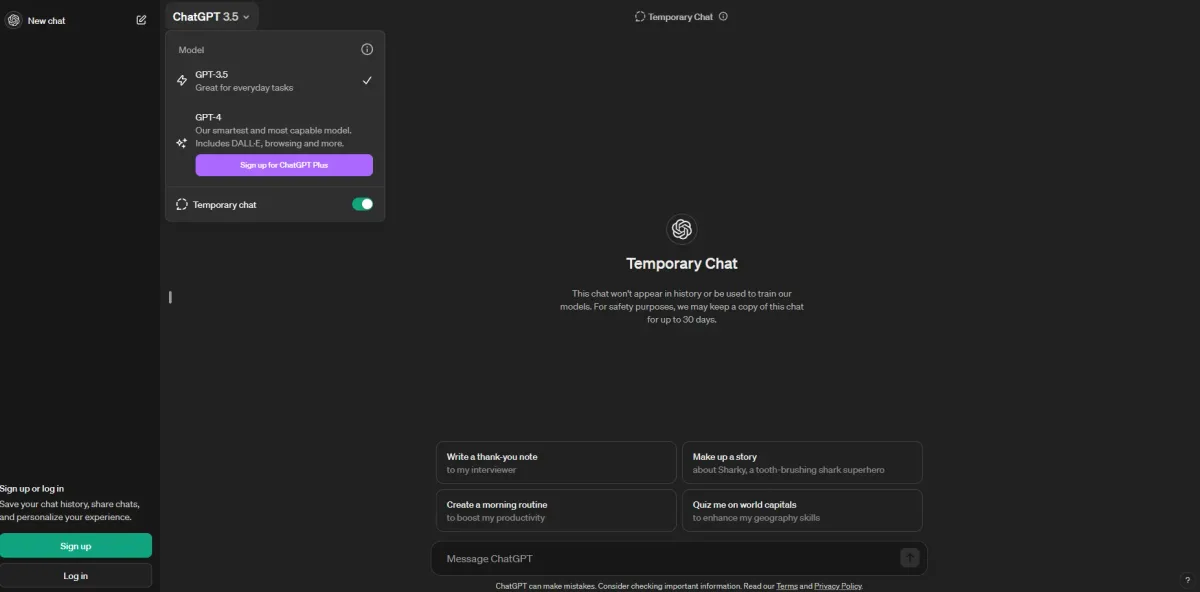
File upload, web browsing, custom instructions, and extended memory are common premium‐only features. Free users often discover this gap only after trying to attach a document or reference a recent webpage. Those missing capabilities can turn a promising tool into a dead end for professional use.
Always verify feature availability in the official terms before relying on a tool for critical work.
Free services frequently retain conversation logs and may use inputs to train future models. Even when platforms claim not to sell data, the practice of storing and analyzing prompts raises questions about confidentiality. Sensitive business information, personal correspondence, or proprietary research shouldn’t be entered into unrestricted free tiers.
Check the privacy policy and disable history retention where possible. Many providers offer toggle switches in account settings.
Two assistants using similar underlying models can deliver very different results for the same prompt. Variations stem from differences in fine‐tuning, safety filters, and response length limits. One tool might truncate answers mid‐sentence while another repeats obvious points.
These inconsistencies force users to rephrase or split tasks across multiple platforms, adding time and mental load.
When a free assistant stalls, users often switch to another without warning. This back‐and‐forth breaks concentration and erodes trust in AI tools altogether. Over time, it can lead to abandoning automation efforts entirely.
A smoother path is to maintain a small library of backup assistants and know their individual strengths before you’re forced to switch.
Understanding these frictions lets you design around them. You can batch similar prompts into single sessions, keep backups ready, and limit sensitive data sharing. That proactive approach turns a frustrating free tier into a manageable part of your routine.
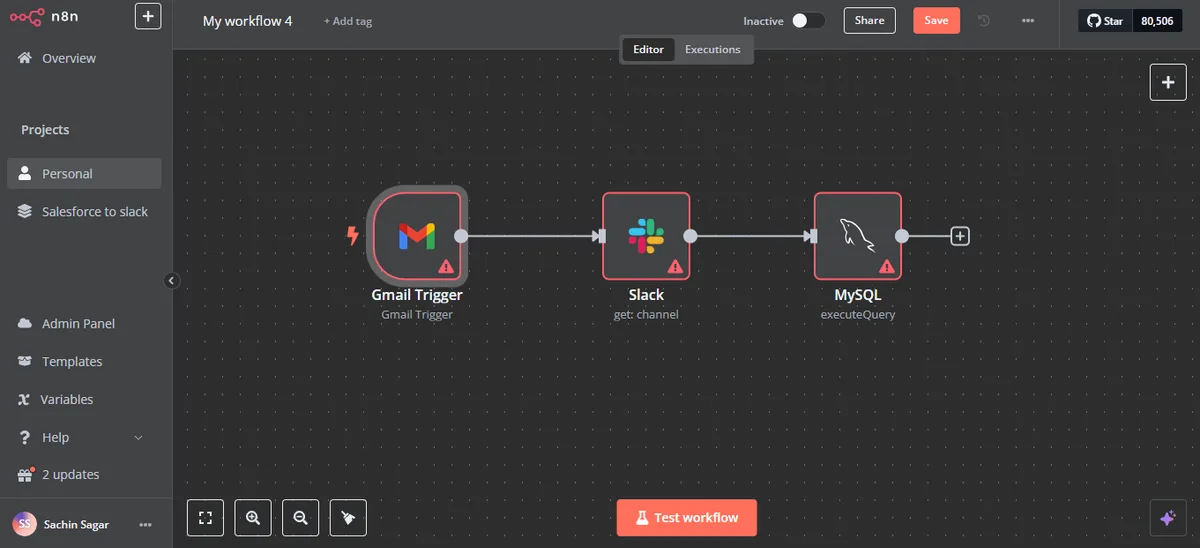
Image source: Bing (Web (fair-use with source credit))
Getting the most out of a free assistant requires deliberate habits. Without those habits, daily caps and feature limits will repeatedly disrupt your workflow. The following practices help you stretch every free tool further.
Craft clear, specific prompts that ask for exactly what you need. Vague requests consume more tokens and often produce weaker answers. Include constraints like “limit to three bullet points” or “write in plain language for a non‐technical audience.” This reduces the chance of unnecessary revisions and keeps token usage predictable.
Track your daily usage by keeping a simple log. Note when you hit the limit and what type of task triggered it. Then shift high‐usage activities to off‐peak hours or distribute them across multiple free tools.
For example, use Gemini for morning research and Claude for afternoon writing. This spreads your demand and avoids hard stops.
No single assistant covers every need. Pairing tools creates a lightweight automation stack. Use Perplexity for real‐time research, export findings into a document, then feed that document into Claude for analysis.
This approach mirrors how professionals layer specialized software. 10 Time Tracking Tools That Can Make a Virtual Assistant Job Easier outlines strategies for coordinating multiple digital helpers efficiently.
If you consistently hit caps on three or more days per week, a free tier is likely no longer sustainable. Calculate the value of your time saved versus the subscription cost. For many solopreneurs, a $20 monthly plan pays for itself in recovered hours.
Don’t let pride keep you stuck in a restrictive free environment.
Stop using a tool if you experience any of these signs: frequent mid‐task errors, loss of conversation history, inability to upload essential files, or unexplained account restrictions. Those indicators suggest the platform isn’t designed for serious daily work. Instead, explore alternative career platforms to find environments that support scalable automation.
By adopting these habits, you can maximize free tools without constantly battling their limits. The key is intentionality: choose the right tool for the right task, monitor your usage, and pivot quickly when friction outweighs benefit.
Yes, most reputable free tiers are safe for general tasks, but they carry standard data‐privacy risks. OpenAI, Anthropic, and Google publish transparency reports outlining how they handle inputs. Avoid entering sensitive personal or proprietary information into any unrestricted free platform.
For baseline safety standards, refer to the NIST AI Risk Management Framework, which provides tested guidelines for trustworthy AI deployment.
Free assistants can handle routine work tasks, but they are not suited for critical business operations without oversight. Daily caps, potential hallucinations, and missing integrations make them risky for mission‐critical workflows. Many professionals pair a free tool with a human review step before final output.
If you need dependable daily automation, consider exploring Remote Virtual Assistant Jobs: Beginner’s Guide in 2026 for context on professional vs. automated assistance.
Most free services retain conversation logs, and some use anonymized inputs to improve their models. Privacy policies vary by provider; always check the specific terms before sharing confidential material. You can often disable history retention in account settings to limit storage.
For clear guidance on how major providers handle your data, review the official privacy pages of OpenAI, Anthropic, and Google Gemini.
Free models deliver comparable core intelligence, but paid plans remove usage limits and unlock advanced features. Heavy users will notice slower response times, strict prompt caps, and reduced memory windows on free tiers. For occasional, light‐touch tasks, free models are often indistinguishable from paid ones.
If your workload grows, investing in a subscription usually pays for itself in saved time and uninterrupted flow.
Most platforms throttle your responses, queue your requests, or display an error message until the reset window passes. The reset timing varies, some tools refresh hourly, others daily or at midnight UTC. Plan your high‐volume tasks around those reset cycles to avoid mid‐session disruptions.
Keeping a backup assistant on standby lets you continue working without waiting for limits to expire.
DeepSeek currently offers the most open‐ended free web chat with no visible daily caps on standard prompts. Even “unlimited” tools may enforce fair‐use policies during extreme traffic spikes or block abusive patterns. For serious, high‐volume applications, pairing a few free assistants creates a resilient loop that mimics true unlimited capacity.









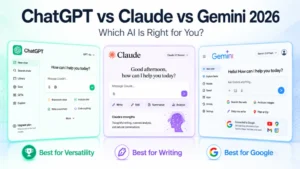






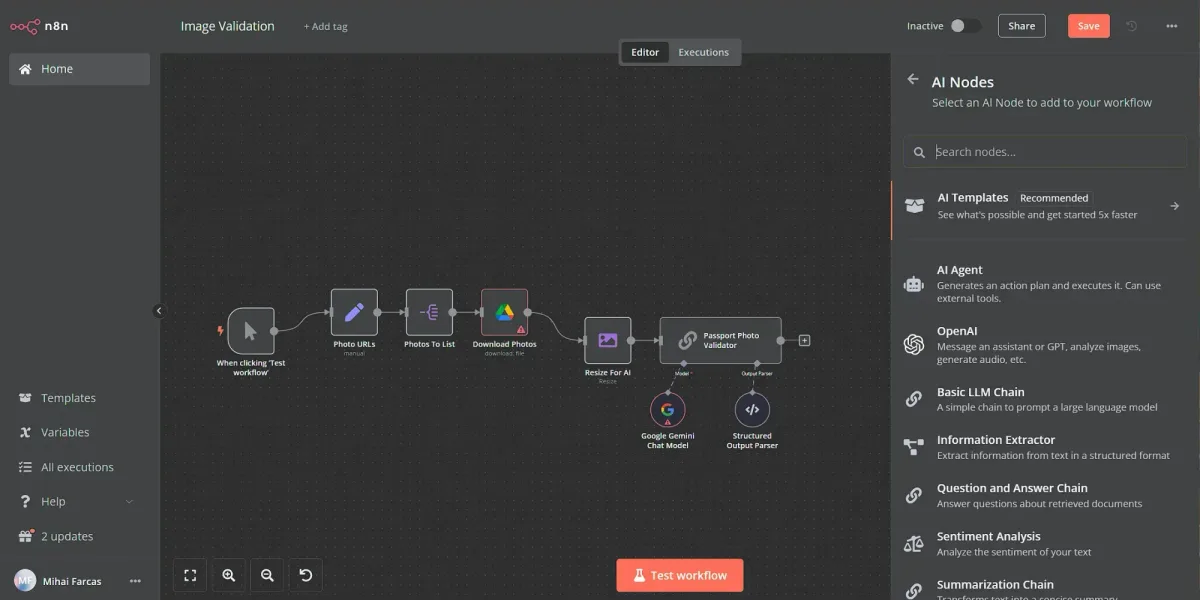
 Image source: Web (Bing) / blog.n8n.io (Web image (fairuse with…

 Image source: Bing (Web (fairuse with source credit))…
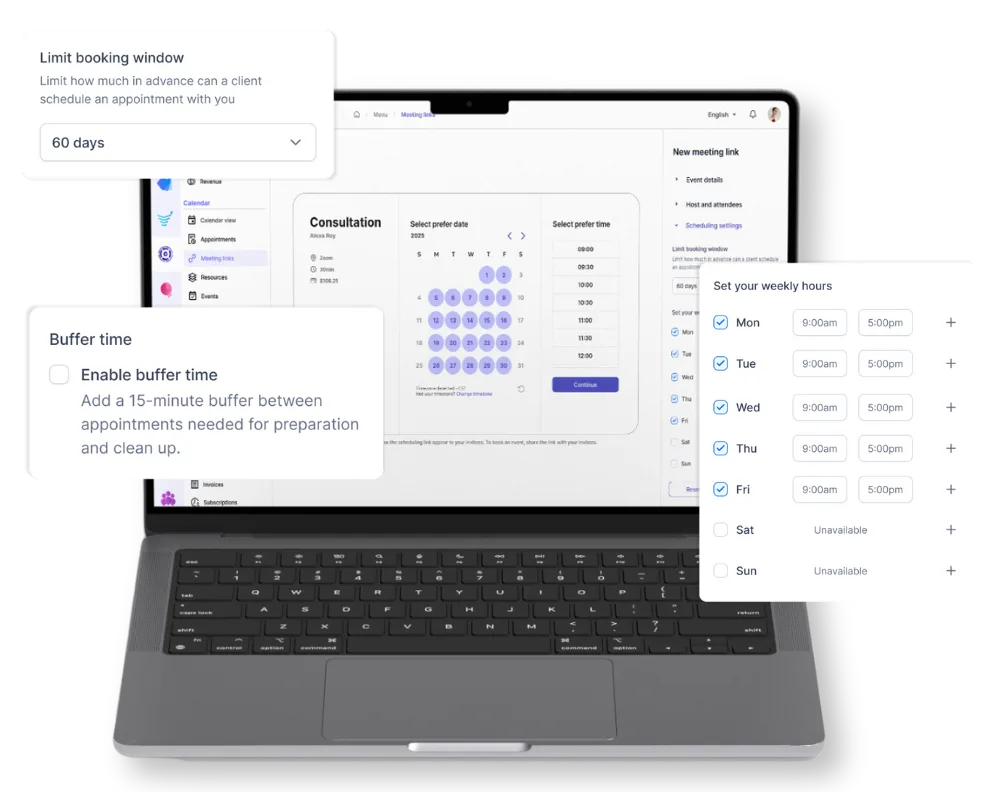
These tools let people pick from your real availability and land directly on your calendar without a single question mark trailing a thread. If you’ve ever…