⚠️ Disclosure: This post contains affiliate links. We may earn a commission at no extra cost to you.
⚠️ Disclosure: This post contains affiliate links. We may earn a commission at no extra cost to you.
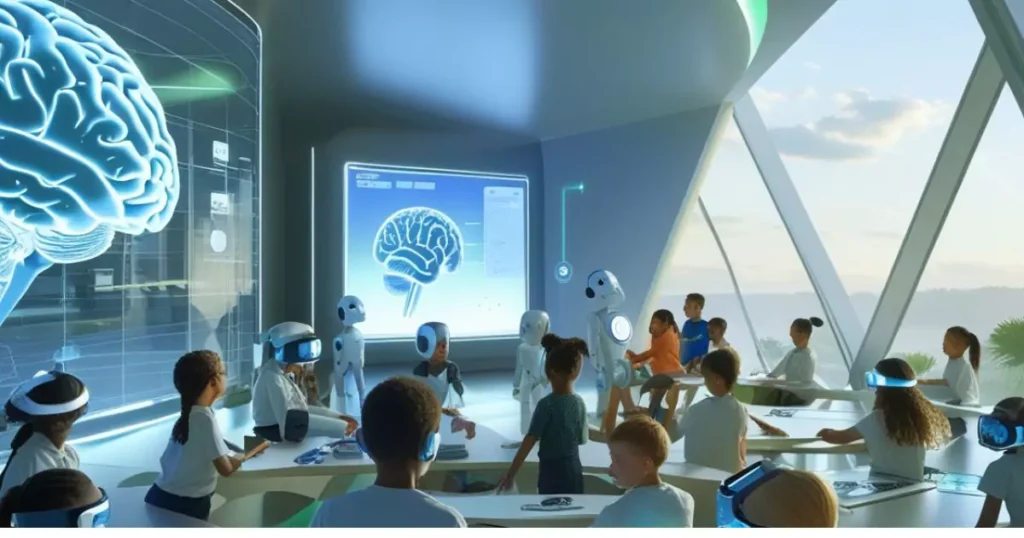
As we move further into the 2020s, 2026 marked a clear inflection point for global education: long-discussed trends like AI integration, personalized learning, and flexible pathways moved from experimental pilots to mainstream standard practice. For educators, learners, parents, and employers, understanding the shifts that defined 2026 is critical to navigating the next phase of learning, which will prioritize equity, skills alignment, and human-centered tech use. This guide breaks down the key developments, practical trade-offs, and actionable next steps you need to know.
Education technology evolved from a nice-to-have supplement to a core infrastructure component in 2026, with tools designed to reduce educator workload, close learning gaps, and expand access for underserved students.
Artificial intelligence moved far beyond basic automated grading in 2026, with tools that create real-time, personalized learning plans for every student. AI platforms now analyze individual progress to predict learning gaps before they widen, generate customized lesson plans for neurodivergent learners, translate live lectures for English language learners, and even flag early signs of student disengagement or mental health distress for school counselors.
In practice, a common mistake schools made during 2024–2026 AI rollouts was failing to pair new tools with sustained teacher training, leading to over-reliance on tool recommendations rather than educator judgment. Districts that invested in 10+ hours of professional development for staff saw higher adoption rates and more consistent improvements in student outcomes, per feedback from instructional coaches at the 2026 International Society for Technology in Education (ISTE) annual conference.
Federal initiatives led by the U.S. Department of Education Office of Educational Technology have prioritized closing the digital divide in 2026, with new grant funding targeted at expanding device and broadband access for underserved student populations.
Virtual reality (VR) and augmented reality (AR) shifted from novelty to standard classroom tools in 2026, with widespread use for virtual field trips, STEM lab simulations, and career exploration for high school students. Students can now tour the James Webb Space Telescope, practice surgical procedures for health career pathways, or walk through ancient historical sites without leaving their classrooms.
VR also saw expanded adoption in special education, with tailored environments that help neurodivergent students practice social skills, navigate overwhelming sensory scenarios, and engage with content at their own pace. Early 2026 pilots found that VR-based lessons improved knowledge retention by 30% for middle school science students, compared to traditional lecture-based instruction.
As AI use grew in 2026, so did focus on ethical guardrails to protect student data, reduce algorithmic bias, and ensure tools do not widen existing equity gaps. Many districts adopted new policies requiring AI vendors to undergo bias audits, prohibit the use of student data for commercial purposes, and provide transparent explanations for AI-generated grading or feedback. These guardrails are now a core part of ed tech procurement for most U.S. K-12 districts.
The one-size-fits-all classroom model continued to fade in 2026, replaced by learning pathways that adapt to each student’s pace, interests, and strengths.
Tailored curriculums center student needs rather than rigid grade-level standards, with diagnostic assessments used to identify strengths and gaps, and project-based learning aligned to student interests. In 2026, many districts expanded these models to include career and technical education (CTE) pathways, letting high school students build industry-aligned skills while completing their core graduation requirements.
| Tool | Description | 2026 Use Case |
|---|---|---|
| Diagnostic Assessments | Identify student strengths and areas for improvement | Used at the start of each term to adjust learning goals for individual students |
| Learning Plans | Customized plans that outline learning goals and activities | Co-created with students and parents to include personal interests and career goals |
| Project-Based Learning | Hands-on projects that align with student interests | Paired with local industry partners for real-world CTE skill building |
Adaptive learning platforms adjusted content in real time based on student performance, with 2026 updates adding features like AI-powered tutoring, real-time feedback for writing assignments, and dashboards for parents to track progress. Popular platforms expanded their K-12 offerings in 2026, with new tools focused on algebra support, language learning for English learners, and CTE skill building.
| Platform | Key Feature | 2026 Update |
|---|---|---|
| Khan Academy | Personalized practice recommendations | Added new AI tutoring for K-8 math and science, aligned to state standards |
| DreamBox | Adaptive math lessons | Launched Spanish-language support and features for neurodivergent learners |
| Duolingo | Language learning with real-time adaptation | Added K-12 classroom tools and AI-powered speaking practice for 12 new languages |
A fast-growing 2026 trend, competency-based progression lets students move on to new material only after they have mastered a skill, rather than advancing based on time spent in a grade level. Early pilots in New Hampshire and Tennessee found this model reduced achievement gaps for low-income and neurodivergent students by 22% over two years, as students no longer fall behind if they need extra time to master core concepts.
The strict 9-to-3 in-person school model continued to evolve in 2026, with flexible options designed to meet the needs of diverse learners, from student athletes to working adults.
Hybrid models, which combine in-person instruction with online learning, became the default for most U.S. K-12 districts in 2026, replacing the emergency remote learning models used during the pandemic. Most hybrid models use a rotating schedule, with students attending in-person classes 2–3 days per week and completing asynchronous online work on other days. These flexible learning formats are particularly beneficial for student athletes, low-income learners who work part-time, and students with chronic health conditions who cannot attend in-person classes daily.
| Benefit | Description |
|---|---|
| Flexibility | Students can learn at their own pace and schedule, with asynchronous options for students with conflicting responsibilities |
| Engagement | Interactive tools, multimedia content, and self-paced modules keep students more engaged than traditional lecture-only models |
| Accessibility | Education is accessible to students in rural areas, those with disabilities, and those who cannot attend in-person school regularly |
| Resource Availability | Students access a wider range of digital resources, including virtual labs, expert guest lectures, and global learning materials |
Global learning communities, which connect students and educators across borders for collaborative projects, expanded dramatically in 2026, with virtual exchange programs now required in 12 U.S. states’ social studies curricula. Students in these communities collaborate on cross-border projects like climate action initiatives, language exchange programs, and joint research with peers in Kenya, Japan, and Germany, building cross-cultural communication skills that are increasingly valued by employers.
Microschools — small, community-based learning spaces with 10–20 students per class — grew by 40% in the U.S. in 2026, per reporting from the National Microschooling Association. These models are popular for neurodivergent students, rural communities without access to traditional public schools, and families seeking personalized, project-based learning. While microschools offer highly tailored instruction, they often face challenges around funding, teacher certification access, and equitable access for low-income families.
The skills prioritized in 2026 curricula shifted to match the demands of a tech-driven, globally connected job market, with a focus on both technical and human-centric abilities.
Critical thinking remains a core priority, with 2026 curricula adding new focus on evaluating AI-generated content, identifying misinformation, and assessing the reliability of online sources. In practice, a common mistake is teaching digital literacy as only tool use, rather than critical evaluation of online content; global education leaders highlighted this gap at the 2026 Global Education Skills Summit, pushing for updated K-12 standards that include source verification and algorithmic bias awareness.
| Subject | Critical Thinking Activity |
|---|---|
| Science | Analyze the results of a virtual lab simulation and identify sources of error |
| History | Debate the ethical implications of AI-generated historical content |
| Digital Literacy | Evaluate the credibility of a social media post and a peer-reviewed study on the same topic |
| Literature | Analyze how AI-generated writing differs from human-authored work in tone and bias |
Digital literacy in 2026 goes far beyond basic device and software use, with curricula now including prompt engineering for AI tools, understanding algorithmic bias, and practicing safe, ethical digital communication. For learners looking to build these high-impact, career-ready learning paths aligned with 2026 employer demands, platforms like Coursera offer structured courses in digital literacy, AI fluency, and critical thinking.
2026 saw the integration of digital citizenship and online empathy into K-12 SEL standards, with curricula teaching students to navigate online conflict, manage screen time, and build positive digital communities. These skills are now prioritized alongside traditional academic subjects, as research shows they reduce cyberbullying, improve mental health outcomes, and prepare students for collaborative remote work.
The role of the teacher continued to shift in 2026, moving away from delivering standardized content to designing personalized learning experiences and supporting students’ social-emotional growth.
The line between traditional instructors and facilitators blurred in 2026, with most educators now serving as learning experience designers who curate resources, design project-based learning units, and use AI tools to free up time for one-on-one student support. While instructors focus on delivering standardized content via lecture, learning experience designers create interactive, student-centered environments that foster critical thinking and problem-solving.
| Aspect | Traditional Instructor | 2025 Learning Experience Designer |
|---|---|---|
| Teaching Style | Lecture-based, standardized for all students | Interactive, personalized to student needs and interests |
| Student Role | Passive recipient of information | Active participant in project-based, collaborative learning |
| Assessment | Standardized exams and quizzes | Portfolio-based assessments, project presentations, and mastery checks |
| Tech Use | Limited to occasional digital supplements | Integrated daily use of AI, VR, and adaptive tools to enhance instruction |
Continuous professional development became a core part of educator roles in 2026, with most districts offering paid release time for teachers to complete micro-credentials, attend peer coaching sessions, and participate in ed tech training. A common challenge educators face in 2026 is balancing tech integration with human connection; many district leaders have responded by hiring instructional tech coaches to free up teacher time for relational student support.
2026 saw a major push to ensure all learners, regardless of location, income, or ability, have access to high-quality education.
While device and broadband access improved in 2026, 12% of U.S. students still lack reliable home internet, per reporting from the Education Super Highway nonprofit. To address this gap, districts expanded offline learning resources, including downloadable lesson packs and low-bandwidth video options, and partnered with local libraries to offer free device checkout and Wi-Fi hotspot programs for families in need.
Inclusive education practices expanded in 2026, with most districts adopting Universal Design for Learning (UDL) frameworks to accommodate diverse learning needs, from neurodivergent students to English language learners. Assistive technologies like screen readers, speech-to-text software, and adaptive keyboards saw major updates in 2026, with new tools that integrate directly with mainstream learning platforms.
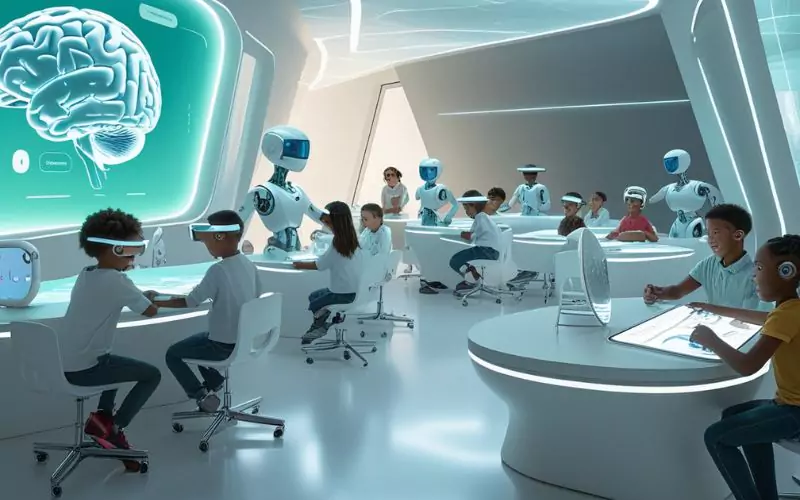 Inclusive education practices adopted in 2026 prioritize Universal Design for Learning (UDL) frameworks to accommodate diverse learning needs, from neurodivergent students to English language learners.
A major 2026 equity win was the widespread adoption of policies recognizing non-traditional learning credentials, including micro-credentials, online course certificates, and project portfolios, for college admission and hiring. These policies reduce barriers for low-income students, adult learners, and students who do not follow traditional four-year college pathways.
Education is no longer limited to K-12 and traditional four-year degrees, with 2026 marking a major shift toward lifelong learning as a requirement for career success.
Adult education opportunities expanded dramatically in 2026, with most community colleges offering free short-form skills courses for adult learners, and 60% of large U.S. employers expanding tuition reimbursement to cover micro-credentials in high-demand fields like AI prompting, renewable energy installation, and healthcare support, per reporting from the National Skills Coalition.
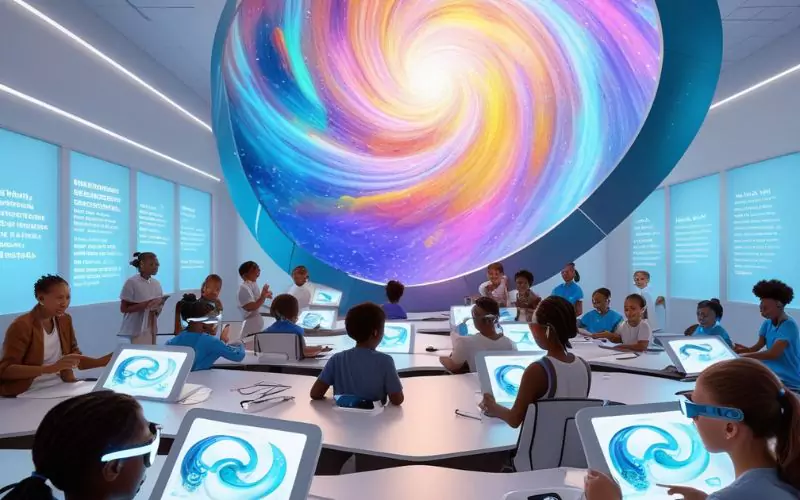 Lifelong learning opportunities expanded dramatically in 2026, with many community colleges and employers rolling out free or low-cost upskilling programs for adult learners seeking career changes or advancement.
Micro-credentials — short, focused courses that teach specific, job-aligned skills — became a mainstream alternative to traditional degrees in 2026, with most stackable to build toward full college credit over time. Unlike traditional degrees, micro-credentials take weeks or months to complete, cost a fraction of the price, and are designed to match exact industry needs, making them ideal for learners looking to upskill quickly or change careers.
The future of education, as shaped by 2026’s pivotal shifts, is hyper-personalized, technology-integrated, and equity-focused. It moves away from one-size-fits-all classroom models to flexible learning pathways that adapt to each student’s pace, interests, and needs, with a strong emphasis on preparing learners for a rapidly changing job market and digital world.
In 2026, AI is used to personalize learning, automate administrative tasks, provide real-time feedback to students, and flag early signs of learning gaps or mental health distress. When paired with teacher training, it reduces educator burnout and improves student outcomes; unregulated, it risks exacerbating bias and eroding student data privacy.
Technology serves as a tool to enhance, not replace, human teaching: it enables personalized learning, expands access to resources for underserved students, creates immersive learning experiences, and provides educators with data to tailor instruction. The 2026 ed tech landscape prioritizes equitable access and ethical use of tools to avoid widening the digital divide.
No — online learning formats will continue to complement, not replace, traditional in-person instruction. In-person interaction remains critical for building social-emotional skills, hands-on lab work, and peer collaboration, a balance most 2026 hybrid models have refined to meet diverse student needs.
Yes — in 2026, the vast majority of large U.S. employers accept stackable micro-credentials for entry-level and mid-career roles, and most community colleges and an increasing number of four-year institutions allow micro-credentials to count for college credit, per reporting from the National Skills Coalition.
Start by talking openly about how AI tools work, practicing source verification of online content together, setting clear screen time boundaries, and using educational AI tools to explore their interests. Ask your child’s school about their 2026 digital literacy and AI ethics curriculum to ensure it aligns with your family’s values.
The future of education, as defined by 2026’s shifts, is more accessible, personalized, and skills-aligned than ever before, but its success depends on prioritizing equity and human connection over tech hype. For educators, the first step is to audit your current tech tools and identify one small, low-lift integration to test in the next semester. For learners, explore one free micro-credential in a field adjacent to your current work to build future-proof skills. For parents, ask your child’s school about their 2026 digital literacy and AI ethics curriculum to ensure they’re prepared for a tech-driven world. By staying proactive about these shifts, you can help build a more inclusive, effective education system for all learners.

Ms.Sultana brings over 16 years of expertise working with global Clients by providing different skills and Services. For the last 5 years working as an Affiliate marketer, specializing in high-ticket campaigns that drive exponential growth. She holds a degree in Computer Science and Engineering as well as achieved many more skills certificates from different institute/academies/Platform. As part of the Elite Global Marketing team, Sultana has helped clients generate millions in revenue through strategic partnerships, innovative funnels, and data-driven insights.







You’re weighing a virtual assistant for appointment scheduling because the email backandforth is eating your day. Pick wrong and you’ll either scare off…
You’re wasting hours every week on email tag just to lock a meeting time. A virtual assistant for meeting scheduling can cut that admin load, but the options…
A virtual assistant to schedule meetings can rescue your calendar, but the wrong choice burns cash. Most people blur the line between a remote human helper and…