⚠️ Disclosure: This post contains affiliate links. We may earn a commission at no extra cost to you.
⚠️ Disclosure: This post contains affiliate links. We may earn a commission at no extra cost to you.


A satisfying life isn’t about squeezing everything into a 24‑hour day. It’s about aligning your time with what truly matters, even when responsibilities at work, home, and within your community compete for your attention. If you’ve ever felt like you’re constantly behind while everyone else seems to have it figured out, you’re not alone — and the path forward is built on practical, repeatable actions, not guilt or superhuman endurance.
This article unpacks concrete strategies for creating sustainable balance. You’ll find clear systems for prioritisation, boundary-setting, household teamwork, and career planning, plus ways to quietly reclaim your mental space without upending your life overnight. Every suggestion is grounded in real‑world experience and designed to flex with different seasons of life.
 Image source: onsurity.com.
A balanced life isn’t a perfect equilibrium; it’s an intentional rhythm.
Work-life balance is the deliberate distribution of time, energy, and attention across paid work, personal growth, relationships, and rest. For many women, that equation is complicated by invisible expectations: the mental load of household management, caregiving defaults, and workplace norms that still treat ideal workers as if they have no life outside the office.
The numbers bear this out. Across cultures, women continue to spend significantly more hours on unpaid domestic and care work than men, even when both partners work full-time. When that asymmetry goes unspoken, burnout creeps in — not because of a single overwhelming crisis, but because the daily “low hum” of unshared tasks wears down focus, sleep quality, and long-term health. At the same time, research consistently links sensible boundaries to better decision-making, lower turnover, and stronger personal relationships. Knowing this, the goal isn’t “do it all”; it’s to design a structure that lets you do the right things well, and let the rest go.
Before you can change your schedule, you have to see what’s actually on it. The invisible load includes remembering appointments, noticing when the fridge is empty, coordinating school forms, and emotionally supporting everyone around you. This cognitive overhead often falls disproportionately on women, and it can fill up your mental bandwidth long before you sit down at your desk.
A practical first step: for one week, keep a simple note of every small planning task that crosses your mind — “buy birthday gift for niece,” “schedule dental checkup,” “reply to class parent email.” At the end of the week, tally what someone else could own. You’re not aiming for a perfect split overnight; you’re making the hidden visible so you can negotiate a fairer distribution. Many women find that simply sharing this list with a partner or roommate shifts the conversation from vague frustration to actionable teamwork.
Lasting balance isn’t built on motivation alone. It rests on a set of guardrails you can return to when life gets noisy.
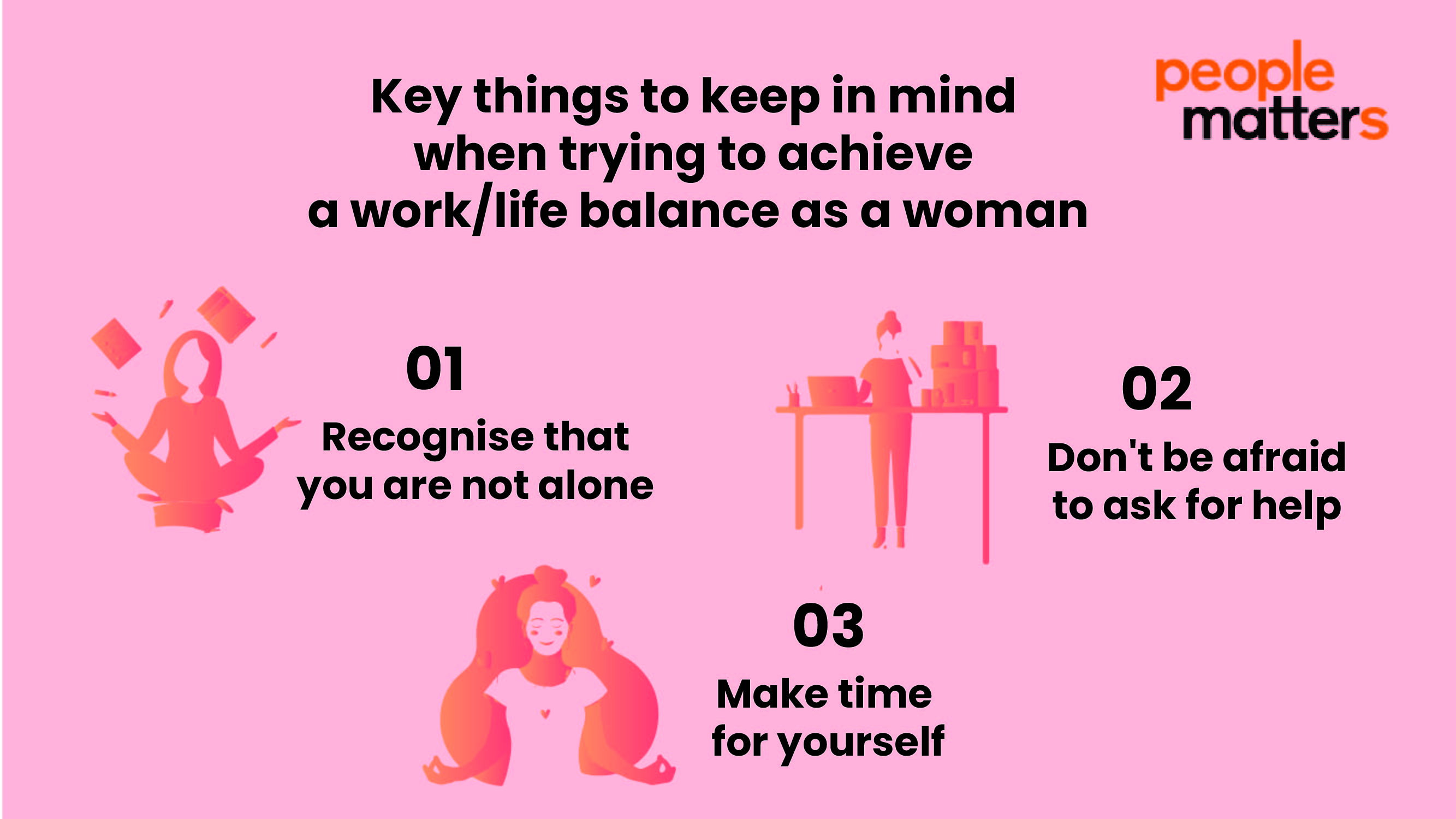 Image source: peoplematters.in.
Quiet reflection helps you spot which priorities have gently drifted out of alignment.
Small, repeatable systems prevent decision overload and guard your focus.
Time blocking with energy awareness Map your week into dedicated blocks for deep work, shallow tasks, movement, and connection. Notice when your mental sharpness peaks — early morning, late afternoon — and protect those windows for your hardest thinking. In practice, 90‑minute focus blocks followed by a genuine break (no screen, a brief walk) often outperform eight hours of interrupted effort.
The 30‑minute Sunday reset Spend half an hour looking ahead. Identify three wins for the week — one career move, one family moment, one self‑maintenance act — and note what’s cancelable. Keep the plan visible on a whiteboard or shared digital calendar so everyone in the household can see it. This one habit reduces the nagging feeling that you’ve forgotten something essential.
Saying no with grace, not guilt Scripts remove the friction of declining. Try: “I love that idea, but my plate is full right now. I can revisit it next quarter.” Or, “I can’t give this the attention it deserves; let me suggest someone who can.” The key is to decline the request, not the person — and to avoid over‑explaining. Each “no” you deliver politely buys you a “yes” to your own priorities.
Delegation as a strategic tool Many women carry tasks that others could handle because it feels faster to do it themselves. The opposite is often true over time. List the recurring chores or admin duties that drain you. Outsource at least one this month — whether that means hiring a skilled virtual support partner for five hours a week, or rotating laundry duties with a family member. Before you onboard anyone, know what traits to look for so you match the help to your actual needs.
 Image source: womenlifthealth.org.
Seeing your week at a glance stops small to‑dos from hijacking your mental real estate.
Tech should support your rhythm, not fracture it. Audit your notifications: turn off pings for everything except calls and critical messages. Use email templates for frequent replies, set up shared grocery lists that autopopulate, and explore simple automation tools like phone‑based assistants that can schedule appointments or set reminders by voice. The goal isn’t to digitise every habit; it’s to offload low‑value memory tasks so your brain can rest.
Creating a professional environment that respects your whole life starts with clear, data‑backed requests.
The U.S. Office of Personnel Management’s Work‑Life programs highlight how flexible schedules and telework measurably improve retention and well‑being — evidence you can cite in any promotion or policy conversation.
 Image source: whitewintermarketing.com.
Flexibility conversations run smoother when you can show the mutual benefit to the business.
Self‑care is maintenance, not indulgence. A daily baseline of seven to eight hours of sleep, twenty minutes of movement, and regular nourishment is non‑negotiable for clear thinking. Beyond that, emotional boundaries matter just as much as calendar ones.
Catching overhwhelm early Tune into signals: chronic irritability, missed deadlines, forgetting meals, or relying on caffeine to function. When those surface, pause and ask, “What can I hand over, delay, or delete this week?” Often, even a small adjustment resets the trajectory.
Short resets that work A five‑minute breathing space between meetings, a lunch eaten away from your screen, or a ten‑minute walk after dinner can lower reactivity. Linking the break to a concrete outcome — “I’ll return calmer and more effective” — helps silence the guilt voice that says rest is selfish.
Knowing when to reach out The American Psychological Association’s evidence‑based stress management strategies include setting digital boundaries and prioritizing tangible social support. If anxiety, persistent sadness, or exhaustion linger for weeks, a conversation with a counsellor or your employee assistance programme is a sign of strength, not weakness.
In practice, I’ve seen women transform their energy by committing to one protected personal block per week — a Sunday afternoon with the family, a solo walk, or an art class. When I applied this after a season of constant travel, my productivity rose within two weeks simply because my nervous system finally got a predictable break.
 Image source: tworiverstherapycolorado.com.
Talking about burnout openly normalises the fact that everyone has limits worth protecting.
The domestic side of life is rarely glamorous, but it consumes enormous time and mental energy. Making it equitable requires visibility, communication, and sometimes external help.
Make the invisible tangible List every recurring task — from sorting mail to arranging playdates — and roughly the weekly time each takes. Then sit down with your partner or housemates and divide responsibilities based on capacity, not gendered defaults. Rotate the less‑liked chores so no one permanently gets stuck with them.
Childcare and eldercare scaffolding Even a few hours of reliable coverage can transform your week. Explore cooperative swaps with trusted neighbours, part‑time care arrangements, or shared nanny splits. Also maintain a simple backup plan for sick days or unexpected closures — a nearby relative, a go‑to teenage sitter, or an agreement with a colleague to cover emergency calls — so a single disruption doesn’t cascade into chaos.
Establish rhythms, not rigidity Predictable morning and evening sequences reduce decision fatigue for everyone. A laminated checklist, a family calendar on the fridge, or a shared app with wake‑up, chore, and wind‑down times gives children clear structure and you some breathing room.
Budget for time, not just money Look at your finances and ask where spending would buy you the most reclaimable hours. That might mean a fortnightly cleaner, grocery delivery, or meal prep service. Reframe the cost not as a luxury but as an investment in your health and sustained earning power. If you need additional financial flexibility, developing marketable online skills can create a supplementary income stream that directly funds these time‑saving services.
 Image source: theatlantic.com.
Visible task lists help the whole household own the load, not just one person.
Balance isn’t a finish line; it’s a habit of gentle self‑audit.
Simple signals to watch Instead of rigid metrics, track how many days you had uninterrupted deep‑work time, whether you ate lunch without multitasking, and how many evenings you actually felt present. Also note your sleep quality and morning mood — because better balance tends to show up there first.
A 15‑minute weekly review Every Sunday, reflect on three questions: What gave me energy? What drained me without meaningful payoff? What one thing will I stop doing next week? Let the answers shape your upcoming plan rather than chasing an abstract ideal.
Honouring life’s seasons Sometimes you’ll knowingly overload one area— a critical project, a new baby, a move. Name the season out loud, set a tentative end, and schedule a recovery buffer. Revisit old choices every quarter. What made sense six months ago might not fit now, and changing course isn’t failure; it’s responsiveness.
How can I balance a demanding career with parenting without burning out? Identify the handful of activities where your contribution is irreplaceable — at work and at home — and guard them fiercely. Everything else can be done by someone else, done at a lower standard, or skipped. Pair this with clear communication about your capacity and regular check‑ins with your support network.
Is it selfish to prioritise my own well‑being when my family needs me? No. Think of it like the oxygen mask on an aeroplane: when you deplete yourself, you can’t care well for anyone else. Protecting your rest, movement, and emotional space is a prerequisite to showing up fully, not an extra.
How do I stop feeling guilty about paying for cleaning or meal services? Reframe the expense as a strategic investment. The hours you gain can go toward higher‑value work, more present parenting, or simply a rested mind. Many people spend on convenience without thinking — this is a deliberate purchase of sanity.
My partner doesn’t take on their share of the mental load. How do I start that conversation? Bring data, not blame. Share the list of invisible tasks you tracked, along with estimates of how much invisible cognitive work each one requires. Propose a one‑month experiment where each person owns a clear set of domains — groceries, school communications, medical appointments — and agree to review what worked and what didn’t afterwards.
Can I really maintain balance during a crunch period at work? Yes, but the balance shifts shape. During a launch or deadline, you might temporarily suspend personal hobbies or lean on convenience foods. The key is to pre‑define the end point and deliberately schedule recovery time — a lighter work week or a day off — immediately after. Without that planned release valve, crunch mode becomes permanent.
How quickly can I expect to feel the effects of new habits? Small modifications like a no‑email evening or a five‑minute mindfulness pause often produce noticeable energy shifts within one to four weeks. Larger systemic changes, such as renegotiating chores or transitioning to a flexible schedule, may take a couple of months to settle. Track your mood and sleep quality weekly to see progress even when the external picture looks similar.
Managing work-life balance as a woman isn’t about achieving a static, calm picture every day. It’s about building a system of boundaries, support, and self‑compassion that bends rather than breaks when life adds weight.
Pick one immediate action: reclaim an hour this week — for focused work, for dinner with your family, or just for silence. Try it consistently for fourteen days and notice what changes. When you’re ready to go deeper, browse our additional guides on time management and delegation for tactics that match your evolving season. Small experiments, repeated with honesty, rebuild a life where you define what “enough” really means.

Sofia Grant is a business efficiency expert with over a decade of experience in digital strategy and affiliate marketing. She helps entrepreneurs scale through automation, smart tools, and data-driven growth tactics. At TaskVive, Sofia focuses on turning complex systems into simple, actionable insights that drive real results.














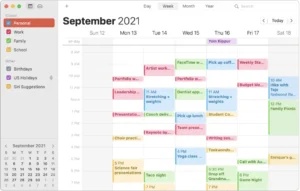

Executive virtual assistant calendar management isn’t just about filling time slots. It’s about strategically protecting your most valuable asset. As of 2026,…
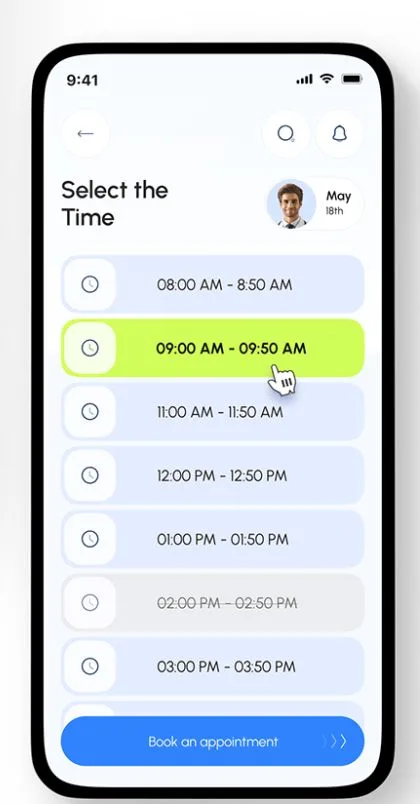
A virtual assistant appointment reminder can be the difference between full days and expensive gaps. Missed appointments bleed revenue faster than most…
 Image source: Bing (Web (fairuse with source…