⚠️ Disclosure: This post contains affiliate links. We may earn a commission at no extra cost to you.
⚠️ Disclosure: This post contains affiliate links. We may earn a commission at no extra cost to you.

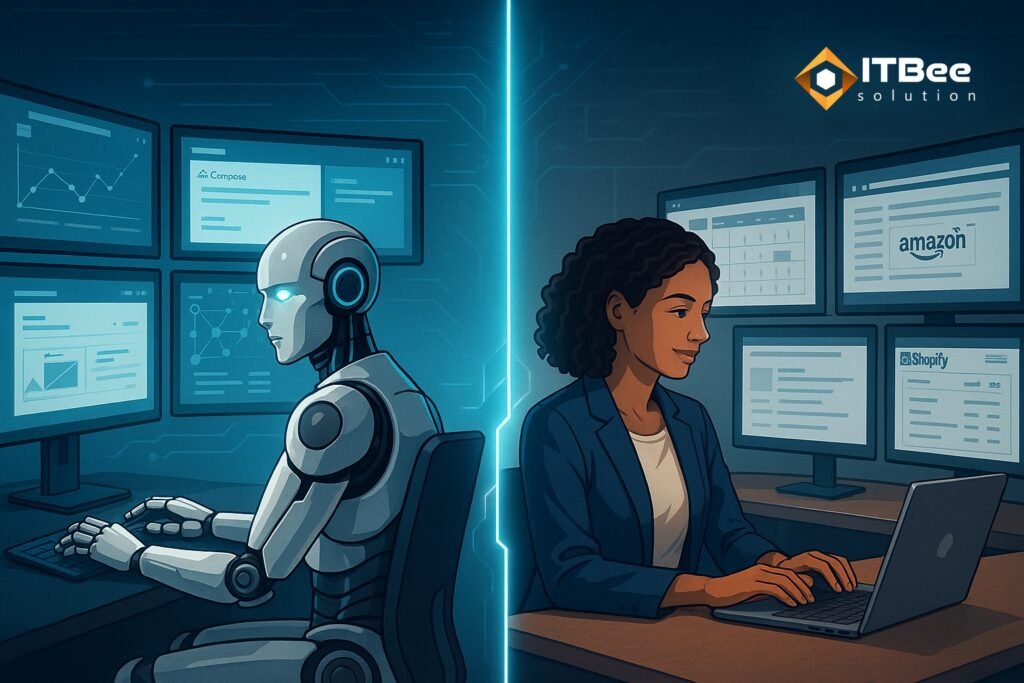
No — AI will augment human virtual assistants rather than fully replace them in most cases.
I have spent years working with remote teams, hiring and training virtual assistants, and testing AI tools in real workflows. Here I explain why the question "Is AI going to replace virtual assistants?" matters, what the likely outcomes are, and how assistants and businesses should respond. Read on for practical advice, real examples, and a clear roadmap you can use today.
AI tools process text, voice, and structured data fast. They can handle routine tasks like scheduling, email sorting, and data entry. They use patterns from large data sets to predict good responses. This makes them helpful for repetitive work.
Human virtual assistants add judgment. They handle nuance, emotion, and complex decision making. They manage relationships and solve problems when rules break. The interplay of machine speed and human judgment creates the strongest outcomes.
Is AI going to replace virtual assistants? Not when tasks require empathy, negotiation, or context. AI will take over repeatable pieces. Humans will keep the rest.
AI can:
AI struggles with:
When you ask "Is AI going to replace virtual assistants?" you must separate tasks from roles. Tasks can be automated. Roles are about responsibility, not just tasks.
I used AI to automate invoice reminders for a small firm. The AI sent follow-ups and saved time. But a late payment that required empathy still needed a human call. That call recovered the client relationship.
In another case, an AI tool summarized weekly team meetings. That saved two hours a week. A human assistant then prioritized the summary items. The combo worked best.
These examples show that the answer to "Is AI going to replace virtual assistants?" depends on task mix and relationship needs.
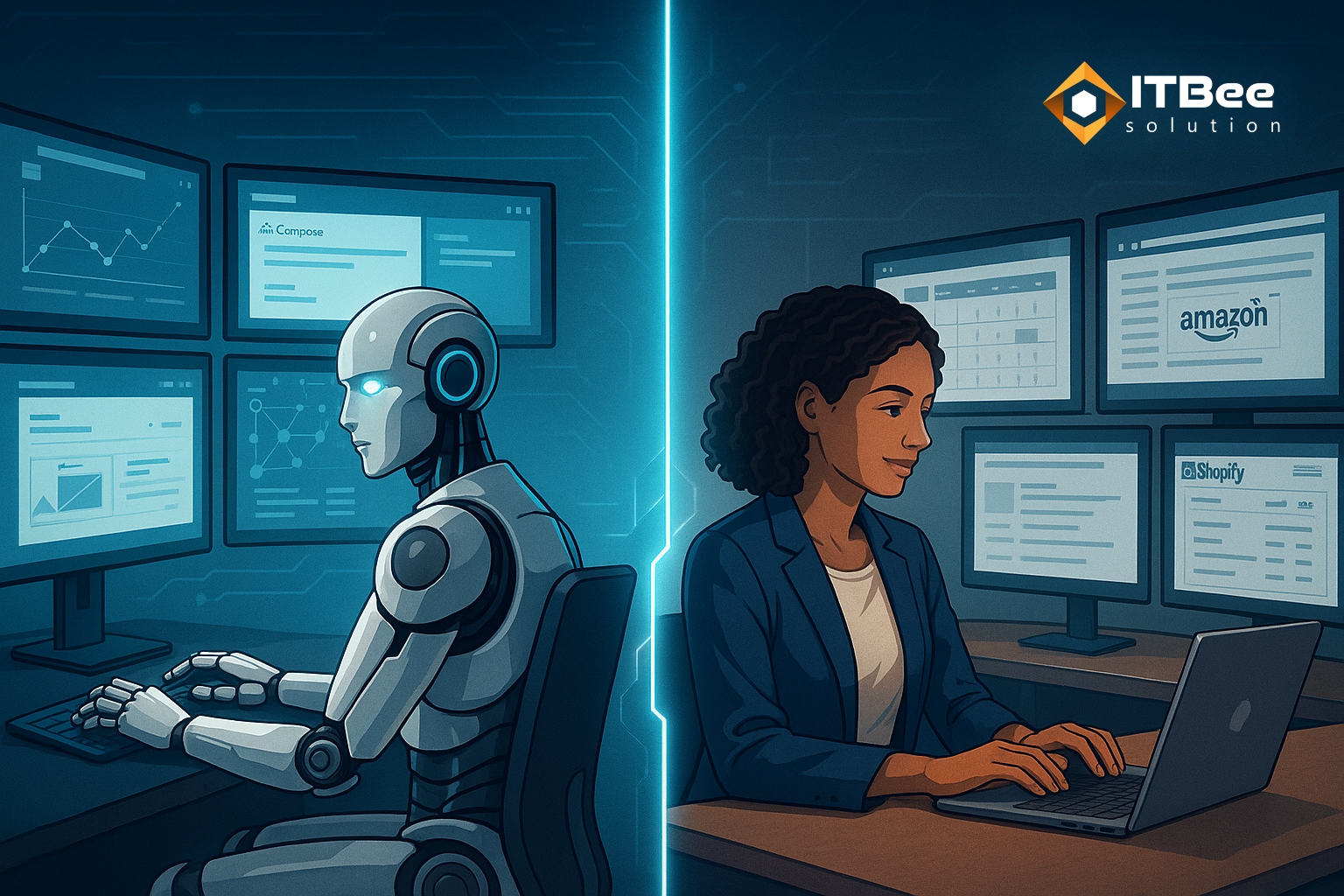
AI reduces time on routine tasks. That lowers cost per task. It can increase output and speed. But businesses still value human oversight.
Consider costs and ROI:
Companies asking "Is AI going to replace virtual assistants?" should plan budget for tools, training, and human roles. Blending skills yields the best ROI.

Virtual assistants who adapt will thrive. Key skills to build:
I advise assistants to learn prompt engineering. It is a practical skill. It improves output. It also increases value to clients.
If you wonder "Is AI going to replace virtual assistants?", focus on skills AI cannot mimic well. That keeps you irreplaceable.
AI can introduce privacy risk when it processes personal data. It can also produce biased or incorrect outputs. Companies must:
Regulation is evolving. Businesses that ignore ethics will face reputational and legal costs. This affects the real answer to "Is AI going to replace virtual assistants?" because compliance needs human oversight.
Short term (1–3 years):
Mid term (3–7 years):
Long term (7+ years):
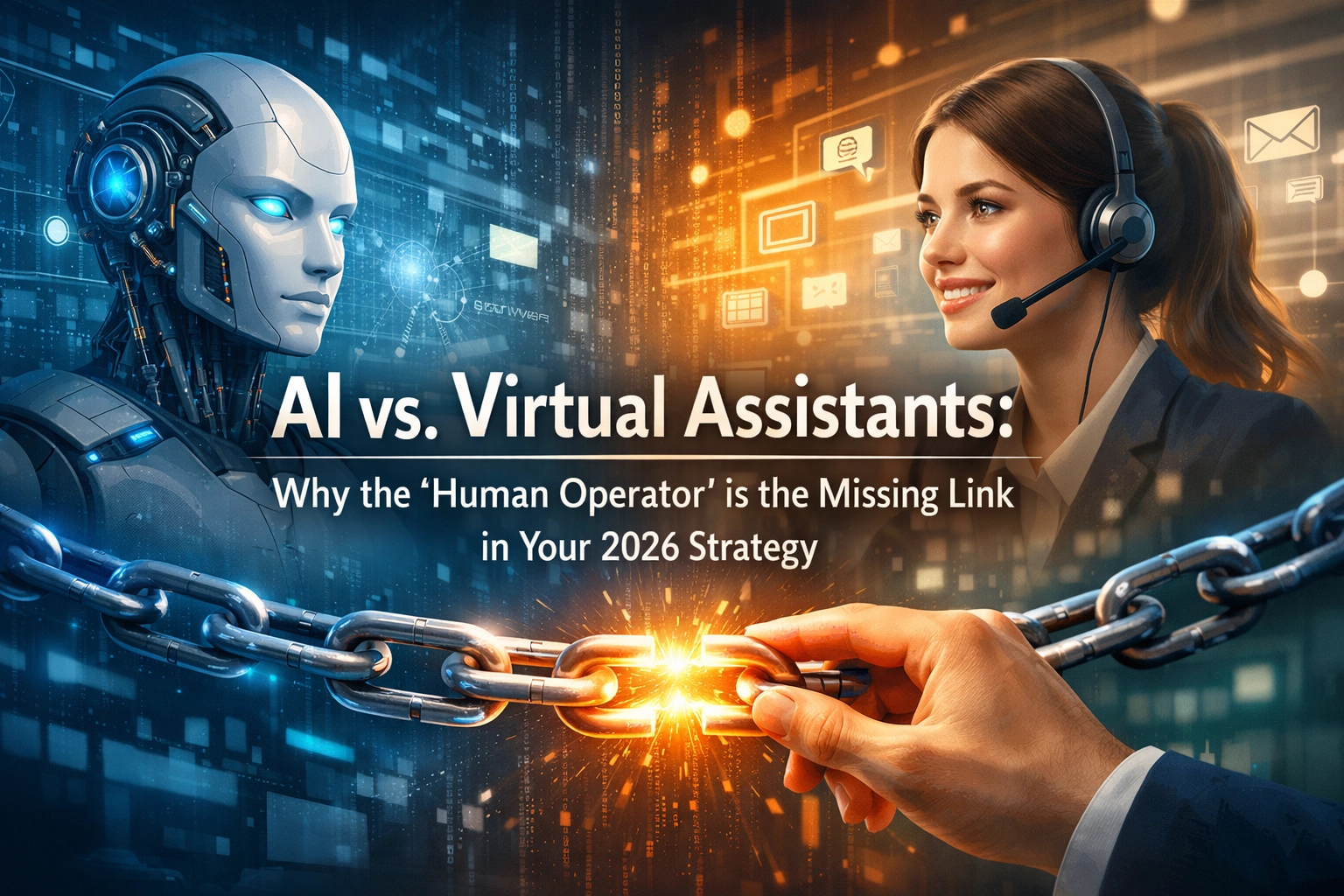
The persistent theme is that "Is AI going to replace virtual assistants?" is less a yes/no and more a question of evolution. Roles change. New skills matter.
For assistants:
For employers:
These steps answer "Is AI going to replace virtual assistants?" with a plan. The best path is adaptation, not avoidance.
Will AI take over scheduling and calendar tasks?
AI will handle most scheduling steps. Humans will still manage complex conflicts and relationship-based decisions.
Can virtual assistants use AI to be more efficient?
Yes. AI boosts speed and accuracy for routine tasks. Skilled assistants who use AI often deliver higher value.
Should businesses replace human VAs with AI tools?
Not entirely. Replacing without oversight risks errors and client issues. A blended model is safer and more effective.
How fast will AI change virtual assistant roles?
Change is happening now. Expect steady change over the next 3–7 years. Pace varies by industry and task complexity.
Do virtual assistants need to learn coding for AI?
No. Learning how to use tools and craft prompts matters more. Basic automation knowledge is enough for most roles.
No. AI will automate many tasks but cannot fully replace human judgment and relationship work. Skilled assistants will remain essential.
Routine, repetitive tasks like data entry, basic email replies, and simple scheduling are most at risk. Complex problem solving stays with humans.
Learn AI tools, focus on soft skills, and offer oversight services for AI outputs. Demonstrating unique human value helps secure roles.
Yes for specific tasks. Total savings depend on retraining costs and the need for quality control. Blended teams often provide the best value.
AI can, if configured correctly with secure vendors and clear policies. Human review is still needed to ensure compliance and trust.
Begin with low-risk tasks like summaries or reminders. Measure results, then expand. Keep humans in the loop for sensitive work.
Yes. Roles will shift toward AI management, prompt design, and client advising. New hybrid jobs will emerge.
AI will change virtual assistant work, but it will not replace the human element that clients value. The best outcome is a partnership where AI handles routine tasks and humans handle judgment, relationships, and complex problem solving. Start by learning tools, tracking outcomes, and shifting toward oversight and strategy. Take one small step today: identify one repetitive task you can automate, test an AI tool, and document the improvement. Share your results, reskill where needed, and stay curious. If you found this helpful, subscribe, try the tips, or leave a comment about your experience with AI and virtual assistants.

Sofia Grant is a business efficiency expert with over a decade of experience in digital strategy and affiliate marketing. She helps entrepreneurs scale through automation, smart tools, and data-driven growth tactics. At TaskVive, Sofia focuses on turning complex systems into simple, actionable insights that drive real results.











You’re weighing a virtual assistant for appointment scheduling because the email backandforth is eating your day. Pick wrong and you’ll either scare off…
You’re wasting hours every week on email tag just to lock a meeting time. A virtual assistant for meeting scheduling can cut that admin load, but the options…

A virtual assistant to schedule meetings can rescue your calendar, but the wrong choice burns cash. Most people blur the line between a remote human helper and…