⚠️ Disclosure: This post contains affiliate links. We may earn a commission at no extra cost to you.
⚠️ Disclosure: This post contains affiliate links. We may earn a commission at no extra cost to you.


The honest answer is: it depends on who you hire, where they are based, and how you structure the engagement. Our analysis of hiring data shows most small business owners pay somewhere between $500 and $3,000 per month as of 2026. That range covers a part-time offshore VA handling email triage to a full-time U.S.-based executive assistant managing calendars and travel.

How much does a virtual assistant cost per month? Part-time offshore VAs run $400 to $1,000. Full-time offshore VAs cost $800 to $2,000.
U.S.-based VAs range from $750 to $4,000+ monthly. Agency-managed VAs add a 20% to 50% markup on top of those figures.
Most VAs work on one of three pricing models, and each shifts your monthly bill in a different direction.
Hourly pricing suits small, predictable workloads. You pay only for hours used. A U.S.-based VA at $35/hour for 10 hours a week costs about $1,400 per month.
Tracking hours can get tedious, and forgetting to log time inflates your actual spend. If you want clear visibility on time spent on tasks, hourly gives the most transparency.
Monthly retainer is the most popular model for ongoing support. You commit to a fixed number of hours at a set rate. A VA at $15/hour with a minimum commitment of 20 hours per month works out to $300.
Unused time doesn’t roll over, so if your workload dips in slow months, you still pay the full amount.
Agency retainer involves hiring through a service provider rather than going direct. You pay a monthly fee that includes the VA’s time plus the agency’s markup. The cost is higher, usually 20% to 50% more than direct hiring.
But you get managed support and less administrative headache.
Here is how those three models stack up for a part-time workload of 10 hours a week:
| Model | Estimated Monthly Cost | Best For |
|---|---|---|
| Hourly (Offshore) | $200 – $400 | Variable workload, tight budget |
| Hourly (Domestic) | $1,000 – $2,000 | High-stakes tasks, real-time collaboration |
| Retainer (Offshore) | $300 – $600 | Consistent admin support, predictable spend |
| Retainer (Domestic) | $1,200 – $2,400 | Executive support, complex scheduling |
| Agency Managed | $500 – $3,000 | Busy founders who want zero hiring hassle |
If you’re unsure which model fits your business stage, reviewing the trade-offs between each option helps before you sign anything.
The sticker price is just the starting point. Five variables shift your actual monthly cost more than the base rate does.
1. Skill Specialization. A general admin VA costs less than a specialist. A real estate VA who knows CRM software and lead follow-up commands a premium.
A tech-savvy VA who manages social media and data entry charges more than someone just answering phones.
2. Experience Level. Entry-level VAs with under two years of experience charge the least. Mid-level VAs with three to five years charge the market standard.
Senior VAs with a decade of executive support command top rates. Newer VAs are cheaper, but you spend more time on training and correction.
3. Geographic Location. This is the biggest price driver. A VA in the Philippines costs a fraction of what a VA in New York costs.
4. Time Zone Overlap. If you need real-time communication, you have to pay for overlap hours. A VA who works only their local daytime hours is cheaper.
A VA who shifts their schedule to match your working day charges a premium for that flexibility.
5. Volume Discounts. Most VAs offer a lower hourly rate if you commit to 40+ hours a week. The more hours you guarantee, the cheaper the per-hour cost becomes.
Understanding what a virtual assistant can actually handle helps you match the right skill level to your budget. Overpaying for senior skills on basic tasks is a common waste.
Where your VA lives dictates their wage expectations. In our analysis of 2026 market rates, these are the realistic hourly ranges you’ll encounter:
| Region | Entry Level ($/hr) | Mid Level ($/hr) | Senior ($/hr) | Notes |
|---|---|---|---|---|
| Philippines | $5 – $10 | $10 – $15 | $15 – $25 | Best value, strong English |
| India | $5 – $8 | $8 – $15 | $15 – $25 | High volume, varied quality |
| Latin America | $10 – $15 | $15 – $25 | $25 – $35 | Great U.S. time zone overlap |
| Eastern Europe | $15 – $25 | $25 – $40 | $40 – $55 | Strong technical skills |
| United States | $25 – $35 | $35 – $50 | $50 – $80+ | Highest cost, easiest communication |
| United Kingdom | $20 – $30 | $30 – $45 | $45 – $65 | Good for EU/UK based clients |
The Philippines remains the most popular hub for cost-effective hiring. English proficiency is high, and the time zone offers about 12 hours of overlap with the East Coast. India offers similar rates but with more variance in communication style and fluency.
Don’t just pick the cheapest option. A $5/hour VA who makes errors costs more than a $15/hour VA who gets it right the first time. Factor in the cost of your time to fix mistakes.
You’re not just choosing a VA. You’re choosing against a full-time hire or pure automation. Let’s look at the hard numbers for a 40-hour-per-week support need.
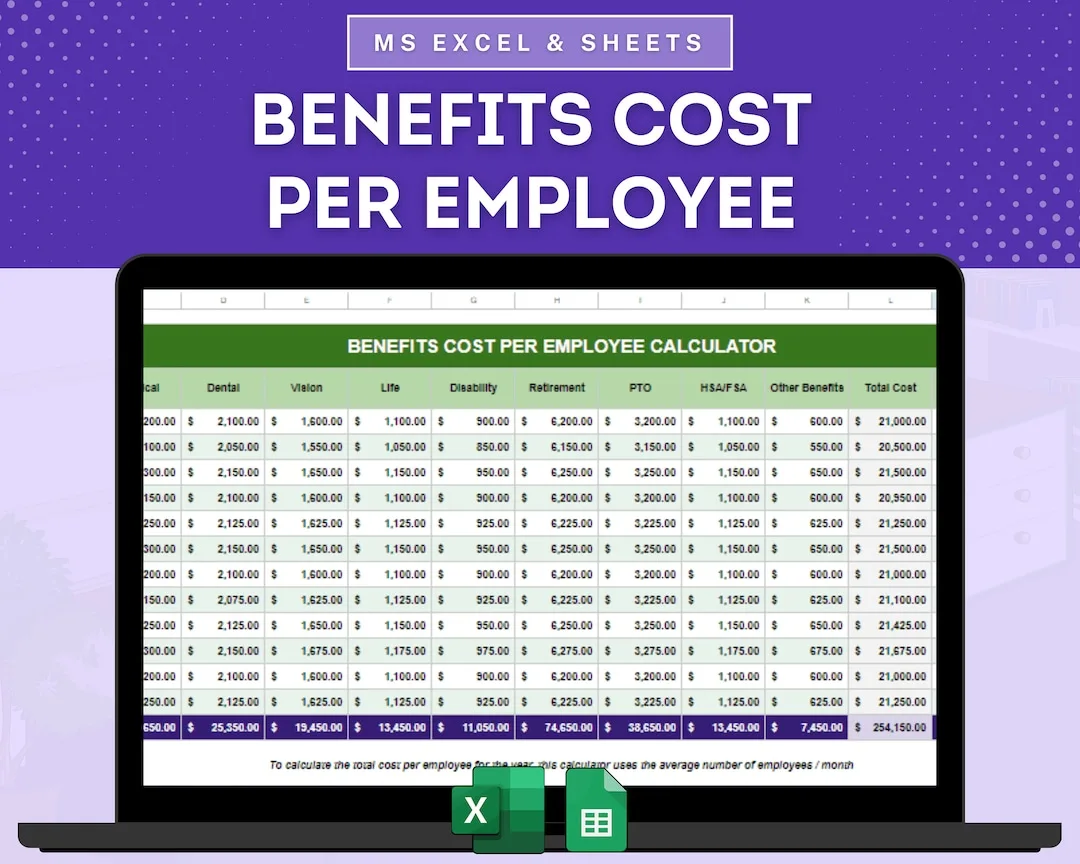
Full-Time Employee (U.S.). Base salary of $45,000/year. Add payroll taxes, health insurance, retirement matching, and office overhead. Your fully loaded cost hits roughly $6,500 per month, or $78,000 a year.
Offshore Virtual Assistant. At $12/hour for 160 hours a month, your direct cost is $1,920. Add software licenses and occasional premium support. You’re looking at $2,200 per month, or $26,400 a year.
Domestic Virtual Assistant. At $30/hour for 160 hours, your direct cost is $4,800 per month. With software and contingency, call it $5,200, or $62,400 a year.
AI Automation Tools. For structured tasks like scheduling and basic email triage, AI tools cost $50 to $200 per month. They don’t handle complex judgment calls, but they slash the cost for repetitive work.
The math is clear. Offshore VAs save you 50% to 70% compared to in-house hires. Domestic VAs save you 20% to 30% versus employees.
AI is cheapest but least flexible. Most businesses use a hybrid. AI handles the bots.
VAs handle the humans. Understanding which tasks to outsource ensures you aren’t paying human rates for robot work.
The biggest budget leak is unused retainer hours. You pay for the block even when the workload slows down. Track utilization weekly.
If you consistently use fewer than 75% of your purchased hours, renegotiate your retainer downward.
Another common error is over-scoping without adjusting cost. If your VA suddenly handles new systems, new tasks, or more complex workflows, your true hourly value goes up. Ask for a rate review or a dedicated onboarding fee before expanding scope.
Finally, ignore software costs at your own risk. VAs need access to Slack, Asana, Calendly, and your CRM. Allocate $50 to $100 per month for tool licenses.
Don’t expect the VA to cover their own tools.
There is no single correct price. The right cost matches your workflow, risk tolerance, and growth stage.
The bottom line: don’t just buy hours. Buy outcomes. If a VA saves you 10 hours a week, even a $2,000/month hire is a net gain if your time is worth $100/hour.
Track your saved hours weekly. Adjust your retainer up or down based on actual output, not just the contract terms.
Revisit your VA budget quarterly as your workload changes, and you’ll always know if you’re paying the right price.
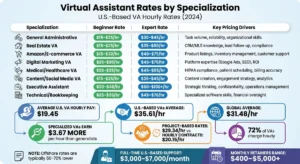
U.S.-based VAs typically charge between $25 and $80 per hour as of 2026. Entry-level general assistants start around $25 to $35 per hour. Mid-level VAs with industry experience charge $35 to $50 per hour.
Senior executive assistants can command $50 to $80 per hour or more. This rate reflects the higher cost of living and demand for real-time collaboration in the domestic market.
An offshore VA typically costs between $300 and $2,000 per month, depending on hours and location. Part-time roles at 20 hours per week run $400 to $800 per month at $10 to $20 per hour. Full-time roles at 40 hours per week run $800 to $2,000 per month.
The Philippines and India offer the lowest rates, often starting at $5 per hour.
Yes, specialized skills command higher rates. A real estate VA with CRM expertise charges 15% to 25% more than a general admin VA. A tech-savvy VA managing social media and data entry also commands a premium.
A virtual executive assistant handling travel planning and board prep costs 2x to 3x more than a basic admin assistant. You pay for the judgment and industry knowledge required.
Part-time is almost always cheaper in absolute dollars. A part-time VA working 20 to 25 hours per week costs $500 to $1,500 per month depending on location. A full-time VA working 40 hours per week costs $1,000 to $4,000 per month.
Most small businesses start part-time and scale up only when the workload justifies the additional expense.
Agency VAs cost 20% to 50% more than direct hires because the agency charges a markup for recruitment, vetting, and replacement guarantees. A direct hire at $15 per hour becomes $18 to $22 per hour through an agency. The higher cost buys you a safety net and less management burden, which can be worth it if you lack time to handle hiring and training yourself.
Plan for an additional 10 to 20 hours of your time for onboarding in the first month. This translates to $200 to $500 extra in month one for a mid-level VA, depending on the complexity of your workflows. The upfront investment pays for itself quickly once the VA becomes productive and reduces your weekly workload.
Yes, especially if you offer long-term hours or a retainer commitment. Many VAs discount their hourly rate for 40+ hour weekly commitments. You can also negotiate a hybrid structure: a lower base rate for guaranteed hours plus a higher rate for overflow work.
Always get any negotiated terms in writing before the engagement begins.
A full-time in-house assistant costs $4,600 to $7,500 per month fully loaded, including salary, taxes, benefits, and overhead. An offshore VA at 40 hours per week costs $800 to $2,000 per month. A domestic VAcosts $2,000 to $4,000 per month.
VAs offer 50% to 70% savings compared to in-house hires, with the trade-off being less direct control and potential time zone gaps.

















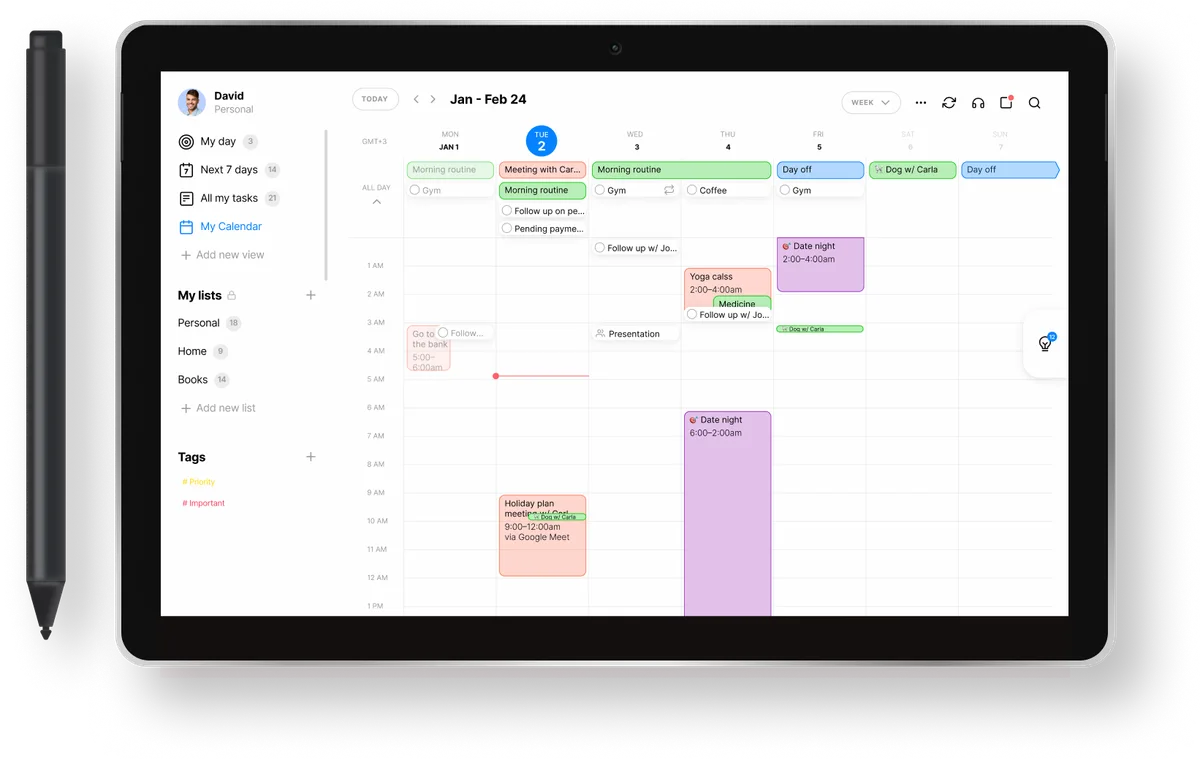
Thinking about how to use a virtual assistant for small business can feel overwhelming when you already wear every hat in your company. The truth is, hiring…
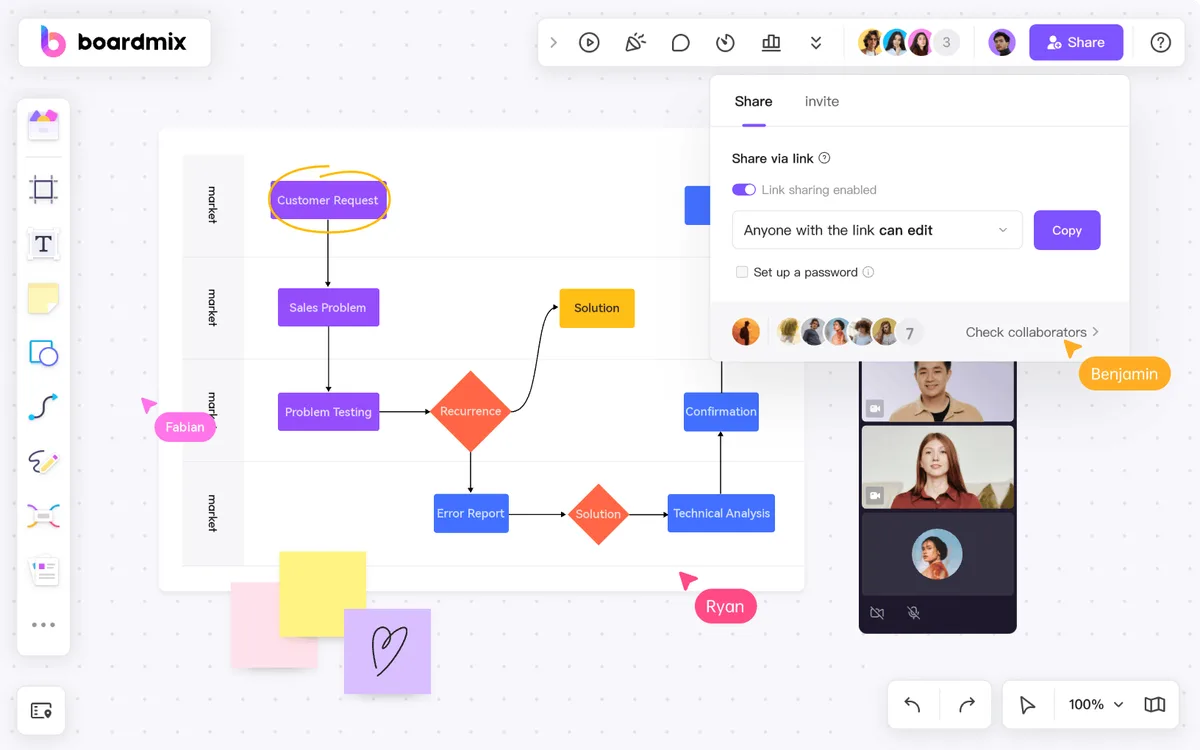
 If you’re drowning in inbox management and still cannot finish your core…
 Image source: Web (Bing) / pinterest.com (Web image (fairuse…