⚠️ Disclosure: This post contains affiliate links. We may earn a commission at no extra cost to you.
⚠️ Disclosure: This post contains affiliate links. We may earn a commission at no extra cost to you.

A career as a virtual assistant gives you the freedom to work from anywhere, set your own hours, and build a business around skills you already have—or can learn quickly. You do not need a degree, years of corporate experience, or a huge upfront investment. What you do need is a clear plan, the right habits, and a willingness to solve problems for busy clients.
This guide walks you through the exact path from complete beginner to confident, well-paid professional. You will learn which services to offer, how to price them, where to find clients, the tools that make you look polished, and the mistakes that can slow you down. Every section includes practical steps you can take this week, not just theory.
A virtual assistant (VA) supports business owners, executives, or teams remotely. Instead of handling chores in a physical office, you manage tasks online—anything from email triage and calendar scheduling to content publishing, customer support, research, data cleanup, and operational workflows.
The scope varies widely. Some VAs choose to be generalists, juggling a dozen different small tasks each day. Others specialize in one or two service areas and become the go-to expert. In practice, a generalist might sort a client’s inbox in the morning, schedule social media posts after lunch, and format a slide deck by the end of the day. A specialist, by contrast, might spend the entire week setting up an automation sequence in a CRM or managing product listings for an eCommerce store.
Many professionals in fields like coaching, real estate, SaaS, and higher education administration rely on virtual assistants to free up their time. As a VA, you become the invisible infrastructure that keeps their business running smoothly.

Remote work setup typical for a virtual assistant handling client tasks.
Source: indeed.com
You do not need a diploma, but you do need a core set of practical abilities. These form the foundation for any service you will ever offer.
If you want to strengthen these skills before your first paid project, look into free or low-cost courses from community colleges—many offer virtual assistant starter programs that cover exactly these basics. For deeper, certificate-backed learning, you can also pursue structured skill-development courses that reinforce your credibility without a university price tag.

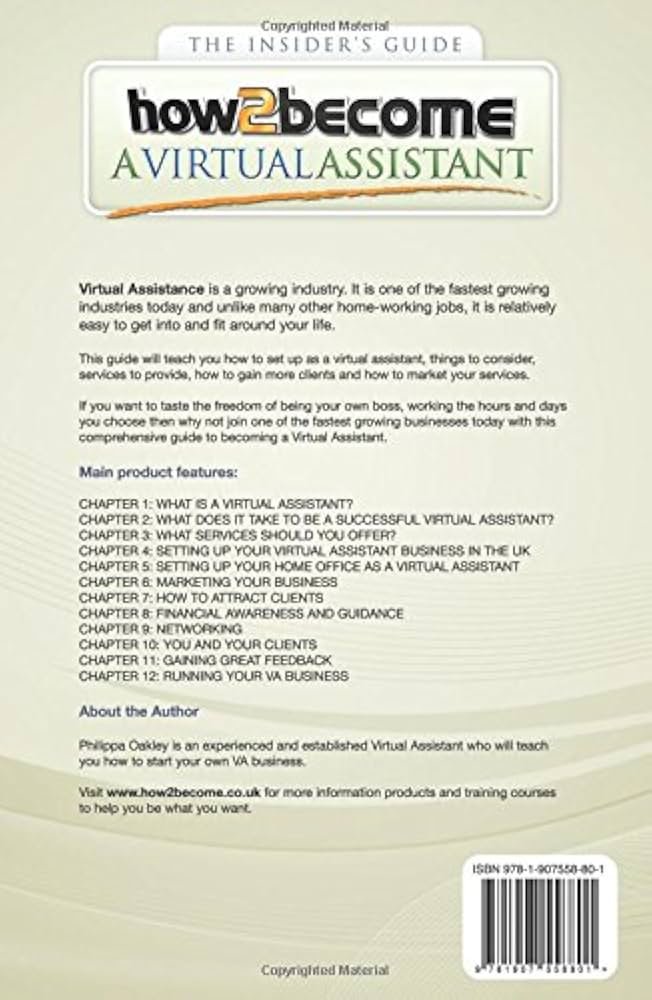
A popular audiobook that breaks down the essential skills needed to start as a VA.
Source: audible.com
A clear sequence removes overwhelm. Here is a 12-step roadmap that has worked for hundreds of first-time VAs.
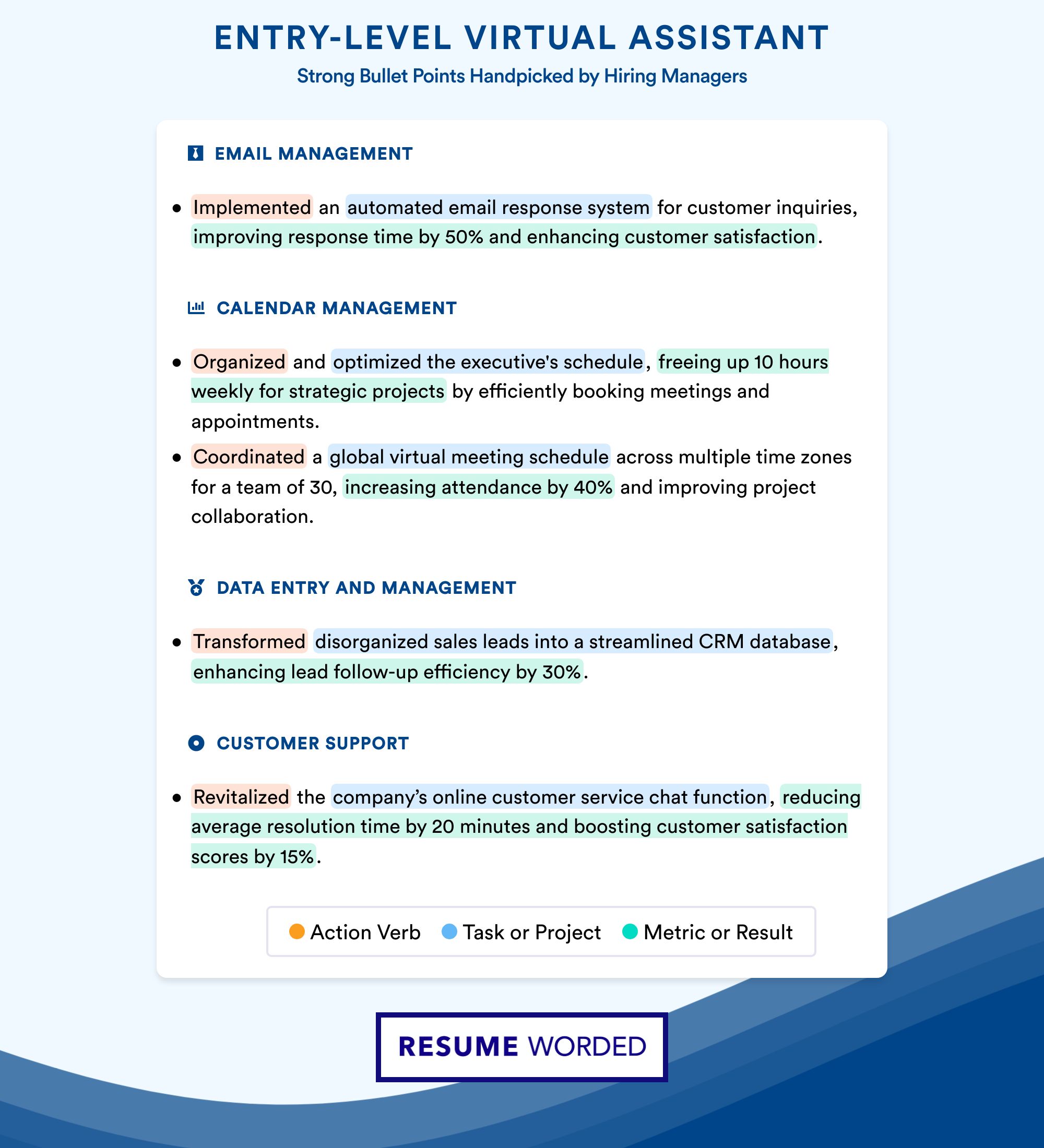
Resume example showing how to present beginner VA experience effectively.
Source: resumeworded.com
The fastest way to build a sustainable VA career is to solve a specific problem for a specific type of client. When you position yourself as “the VA for online course creators” or “the operations assistant for fractional CFOs,” your value becomes immediately clear.
Start with services you can deliver confidently right now. As you gain experience, layer on higher-value offerings that command premium rates.
Common beginner services:
Intermediate-to-expert services:
One smart move is to begin as a generalist for a narrow industry, such as real estate or supporting higher education teams. Industry knowledge multiplies the impact of every administrative task you perform because you understand the context behind the work.

Resource covering how to structure and price VA services for profit.
Source: amazon.com
Pricing confuses most new VAs. The key is to match the pricing model to both your confidence level and the client’s expectations.
| Model | How It Works | Best For |
|---|---|---|
| Hourly | Client pays for time logged | First projects, tasks with uncertain scope |
| Package | Fixed price for a defined set of deliverables | Repeatable work with clear boundaries |
| Retainer | Monthly payment for a set number of hours or tasks | Ongoing relationships, premium clients |
Beginners often start around $20–$30 per hour on freelance platforms and gradually raise rates as proof accumulates. VAs with a focused niche and documented results routinely charge $35–$60 per hour, and specialists in operations or automation can push well beyond that.
A common mistake is undercharging for a package because you underestimate the back-and-forth communication it includes. Build a buffer into every fixed-price quote, and never hesitate to renegotiate when the scope creeps.
When presenting a proposal, lead with the outcome you will achieve, not the activities. “You will start each Monday with an organized inbox, pre-screened, with a one-paragraph summary of urgent items” sells far better than “10 hours of email management.”
You do not need a logo or a polished brand guide on day one. You need trust signals.
Essentials to put in place:
If you need a stronger resume or a CV that translates your previous experience into VA-friendly language, submit your draft for a professional review before sending it to prospects. A well-structured document often makes the difference between getting a discovery call and getting ignored.
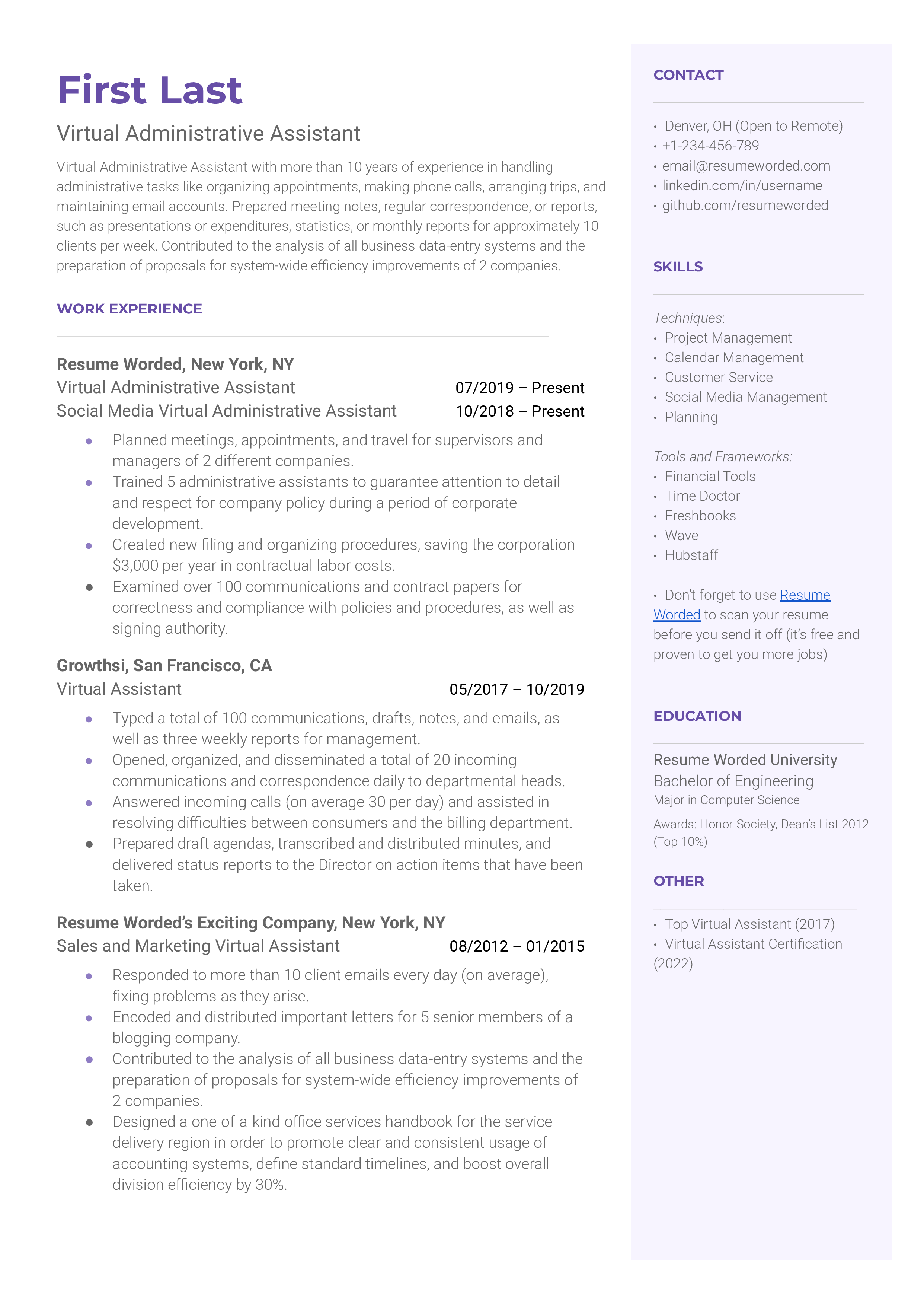
Template showing how to position administrative skills for VA roles.
Source: resumeworded.com
Clients expect you to arrive with a working toolkit. Start simple and add tools only when a gap causes friction.
Core categories and trusted options:
When you are just starting, you can rely on a small set of free tools to deliver professional results without monthly overhead. As you grow, switching to robust apps that scale with you will make complex workflows faster and impress high-end clients.
Loom videos deserve a special mention. Instead of typing a long email explaining a layout change, record a 90-second walkthrough. Clients grasp the context instantly, and it shows you value their time—a small habit that often triggers referrals.

Community alert reminding new VAs to verify opportunities and use trusted channels.
Source: reddit.com
Many beginners assume clients will appear once they set up a profile. In reality, the first few clients almost always come from direct outreach and consistent follow-through.
If you worry about having an empty resume, starting from zero experience is more common than you think. The keys are a relevant sample, fast communication, and a manageable paid trial.
VA check-in call illustrating how regular communication builds client trust.
Source: indeed.com
First impressions matter, but consistent delivery is what keeps clients paying month after month. Your reputation grows quietly in the background every time you save a client from a headache they did not even see coming.
Create a secure, organized way to gather logins, brand guidelines, and access to tools. Within the first two days, share a written summary of what you understood the scope to be and ask for confirmation. This single habit prevents 80% of scope disputes later.
A common turning point for many VAs is systematizing an annoying, time-consuming task—like daily inbox triage—and turning it into a case study that proves you can save a client hours every week. Those proof points justify premium retainers.
Online informational resource highlighting support for virtual program participants.
Source: csn.edu
Treating your VA work as a real business from the start protects you and makes you look seasoned.
Financial stability as a VA is not about earning the highest hourly rate—it is about predictability. Retainers and package clients smooth out your income and let you plan beyond next week.
Most struggling virtual assistants hit the same roadblocks. Recognizing them early saves months of frustration.
If you ever feel stuck, pick one issue from this list and fix only that for a full week. Gradual, focused improvement compounds far more than trying to overhaul everything at once.
Your title may stay the same, but your role and income can change dramatically over time.
Foundation stage (0–6 months)
Growth stage (6–18 months)
Expert stage (18 months and beyond)
Advanced career paths
The progression from beginner to pro is not a straight line. It happens in jumps every time you confidently take on a slightly harder challenge—such as stepping into a specialized higher-ed support role or building an automation that saves a client 10 hours a week.
You can land a paid trial within two to six weeks if you pitch daily and have two or three solid samples ready. The timeline depends far more on your outreach consistency than on a credential.
No. Clients value proof of work over certificates. That said, targeted short courses in tools like Asana or in specific skills like email copywriting can make your proposals sharper. Only invest in training that directly improves a service you already plan to sell.
Most new VAs start between $20 and $30 per hour. With a clear niche and strong testimonials, raising rates to $35–$60 per hour is common within the first year. Highly specialized operations VAs often surpass $75 per hour.
Inbox and calendar management, internet research, data entry, and social media scheduling are the easiest to learn and the most in demand. They give you quick wins and client testimonials you can leverage later for higher-ticket work.
Create mock work samples that mirror what a real client would need. Send personalized pitches that reference the prospect’s actual business, and offer a low-cost, clearly scoped trial. Following up with a short personalized Loom video often seals the deal.
Absolutely. Many VAs build a full-time income from two to four retainer clients. With systems and subcontractors, you can scale beyond a single person’s capacity while maintaining a flexible schedule.
Start with one or two simple tools and tasks you already understand. Learn one new tool per week using free tutorials. Record your own processes as you learn; these notes become valuable SOPs later.
Pick a narrow audience, lead with concrete outcomes instead of task lists, and over-communicate during the first month. Clients routinely tell us that proactive updates and a clear summary at the end of each week are the reasons they stay with a VA for years.
Becoming a virtual assistant is not about waiting until you feel ready; it is about taking the first few deliberate steps while you build proof along the way. Pick a tight service offering, create three small samples, and send daily outreach. Use checklists and SOPs to deliver work that feels effortless to the client, even if you are working hard behind the scenes.
Give yourself a 30-day challenge: define your niche, build a simple portfolio page, pitch 10 prospects every weekday, and land a paid trial. As you gain momentum, revisit this guide for the next stage of growth—raising rates, niching further, or scaling with systems.
For ongoing resources, strategies, and real-world playbooks, explore our growing library of virtual assistant insights. Your next client is closer than you think.

Sofia Grant is a business efficiency expert with over a decade of experience in digital strategy and affiliate marketing. She helps entrepreneurs scale through automation, smart tools, and data-driven growth tactics. At TaskVive, Sofia focuses on turning complex systems into simple, actionable insights that drive real results.






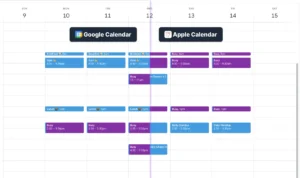

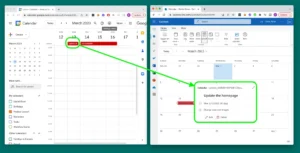

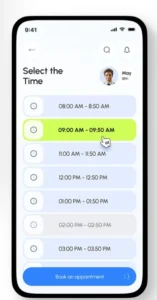

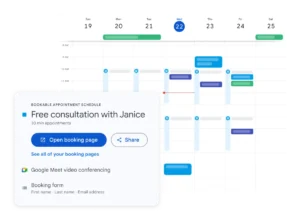









You are juggling meetings, tasks, and backandforth emails just to find 30 minutes for deep work. An AI calendar management tool steps in and handles the heavy…
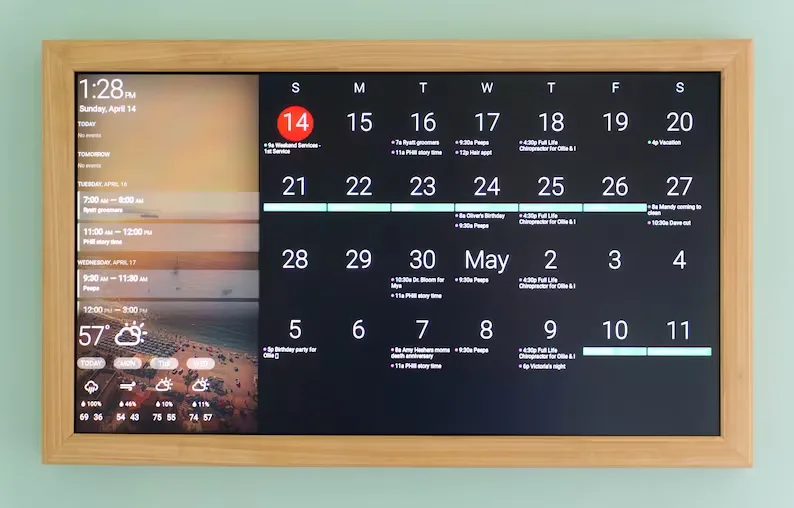
Virtual assistant meeting reminders are the silent guardians of our busiest days, turning chaotic schedules into manageable routines. By learning how these…

Virtual assistant calendar organization uses tools and techniques to automate scheduling, sync multiple calendars, and reduce manual planning tasks. Whether…