⚠️ Disclosure: This post contains affiliate links. We may earn a commission at no extra cost to you.
⚠️ Disclosure: This post contains affiliate links. We may earn a commission at no extra cost to you.



Image source: Bing (Web (fair-use with source credit))
How to find a virtual assistant isn't about scrolling through a single directory and picking someone off a list. Most people hire too quickly, on the wrong platform, for the wrong skill level, and then wonder why the arrangement falls apart by month two.
You're better off starting with a clear picture of your workload before you ever open a browser tab. Our research shows successful hires begin with a task audit, not a job post. Here's how to build that foundation, then move through sourcing, vetting, and the ongoing management habits that keep the relationship working long-term.
Finding a virtual assistant means matching your task list to the right hiring channel. Start by auditing your workload to identify what's truly delegatable. Then choose between freelance platforms, boutique agencies, or direct outreach based on your budget and need for pre-screening.
A paid trial project is the fastest way to separate real reliability from promising resumes before you lock into anything longer term.
Before you search, you need to know what you're searching for. The phrase "virtual assistant" covers everything from inbox triage to full bookkeeping, so a vague request almost always leads to a mismatched hire. Most people don't realize how different a generalist is from a specialist until they're already mid-project and frustrated.
Start with a simple task inventory. List everything you do in a typical week, then flag items that fall into three buckets: repetitive, high-value, and specialized. Repetitive tasks like data entry, scheduling, and basic email replies are easy to delegate immediately.
High-value work like client onboarding or campaign oversight requires someone sharper and more experienced. Specialized skills like bookkeeping, ad management, or podcast editing demand a VA who already knows the tools inside out.
Quick self-check questions:
Your answers point you toward either a generalist starter or a specialized VA. If your work is mostly calendar management and inbox cleanup, an entry-level VA from a marketplace like Upwork works fine. If you need someone who's run Shopify stores, managed Meta ad accounts, or handled real estate transaction coordination, you're looking at a higher tier entirely.
The mistake most people make is posting one vague job description hoping someone will self-identify. Instead, write two or three separate posts if your needs span very different skill areas. That's the difference between a frustrating three-month search and a solid hire within a week.
Understanding your specific workload also helps you evaluate whether a dedicated virtual assistant for entrepreneurs is the right move for your situation.
This is where most people get stuck. There are three main paths, and each serves a different situation. Knowing which one fits you prevents wasted time and overpayment.
Freelance marketplaces like Upwork, Fiverr, and Freelancer work best if you have a narrow, well-defined project and want full control over who you pick. You'll spend more time screening yourself, but the rates are lower and the talent pool is massive. Think of it as hiring from a global open market.
VA agencies like Belay, Time Etc, Zirtual, and Fancy Hands work best if you want pre-vetted professionals and a smoother onboarding process. Agencies charge more because they handle screening, backup coverage, and quality control for you. You're paying for peace of mind, not just the hours.
Direct outreach and niche networks work best if you're looking for someone with a very specific background like real estate, e-commerce, or healthcare admin. You do the vetting work, but the quality signal from warm referrals is usually stronger than any platform algorithm.
The decision comes down to three factors: your budget, your tolerance for screening work, and how specialized the role needs to be. Here's the shortcut:
| If your situation looks like… | Go with… |
|---|---|
| Tight budget, simple tasks, willing to screen yourself | Freelance marketplace |
| Moderate budget, want vetted talent and backup coverage | VA agency |
| High specialization needed, or strong referral network available | Direct outreach or niche network |
| Long-term growing need that might evolve into an OBM role | Boutique firm or senior agency VA |
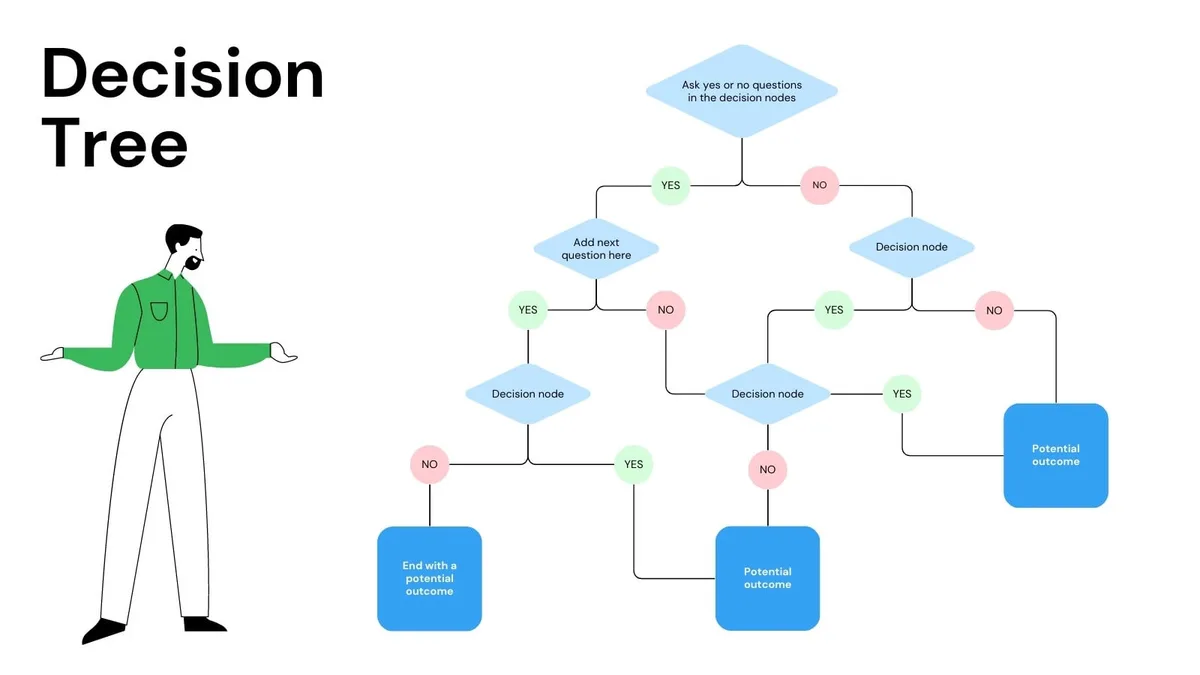
One thing worth considering is whether you actually need a traditional virtual assistant or something closer to an online business manager. An OBM handles operations, team coordination, and systems building at a higher strategic level and typically costs significantly more. If your goal is just task relief rather than operational leadership, a standard VA is the right call.
Learning more about how to choose the best Alison course for IT support skills can also help clarify the technical baseline you should expect from candidates.
The bottom line is simple: pick the path that matches your current bandwidth for hiring work, not the one that sounds most impressive on paper.
Now that you know which route to take, let's talk about where the talent actually lives. Not all platforms are created equal, and some are better suited to certain types of work.
Freelance marketplaces
Upwork remains the largest and most versatile option. It has every skill tier, from $8 per hour beginners to $100+ per hour specialists. The flip side is that quality varies wildly, so screening is essential.
Look for jobs with Clear Voice, Job Success Scores above 90 percent, and consistent long-term history on a profile. Fiverr works differently. It's more project-based with fixed-price packages.
It's fine for one-off tasks like logo design or quick data entry, but less ideal for ongoing recurring support.
Boutique VA agencies
Belay, Time Etc, and Zirtual pre-screen their talent and pair you with someone who fits your schedule and needs. These services tend to cost 20 to 40 percent more than equivalent independent VAs because the agency absorbs screening, backup coverage, and client success management. If you've been burned by bad hires before and value speed over savings, this is worth the premium.
If you want to compare how these top-tier services stack up, understanding the time etc vs BELAY differences can help you decide which model fits your workflow.
Niche networks and specialized platforms
Vetted and Workful focus on highly screened remote professionals, often with tech or creative backgrounds. They're a good fit if you need developers, designers, or marketing specialists who also handle administrative duties. Communities like the Virtual Assistant Network on Facebook or specific subreddits can surface quieter talent that never posts on major platforms.
Referrals from other business owners in your industry are still one of the most underrated sources of reliable VAs.
Remote job boards
Websites like Remote.co, Working Nomads, and Indeed's remote filter sometimes list VA roles. These attract candidates looking for full-time employment rather than freelance flexibility, so retention tends to be higher if that's what you're after.
Choosing the right channel matters less than having a clear brief ready to go. The best platforms in the world won't save a vague job post. Having a sharp description that specifies tools, hours, deliverables, and boundaries makes every channel work better.
And if you're curious about what opportunities exist on the other side of hiring, exploring online jobs can give you perspective on what quality VAs are currently seeking themselves.
This is the step that separates long-term successful hires from expensive regrets. A rushed interview and a glowing resume will not protect you. Structured vetting will.
Start with a short phone or video call before you even consider a trial. Ask three things: how they've handled similar tasks in the past, what their standard tech stack looks like, and how they communicate during busy periods. Watch for specificity in their answers.
Vague responses like "I'm really organized" tell you nothing. Concrete answers like "I use Asana for task tracking and respond to Slack messages within two hours during my working window" tell you exactly what you need to know.
After the call, assign a paid trial project. This is non-negotiable. The trial should mirror real work you'd hand off regularly, such as managing a week of email triage, updating a spreadsheet, or scheduling appointments across a shared calendar.
Ten to fifteen paid hours is the sweet spot. It's enough time to see how they communicate, handle feedback, and manage deadlines without being so long that it becomes expensive if it doesn't click.

Here are the key things to watch for during a trial:
A red flag list matters just as much. Ghosting after the trial starts, inconsistency between what they said they could do and what they actually delivered, reluctance to use your communication tools, and defensive behavior when you ask for revisions are all signs to walk away early. It's cheaper to end a bad fit after ten hours than after ten weeks.
One practical tip: always pay for the trial project, even if the amount is small. Free trials attract people who don't treat the work seriously. Paid work signals professionalism from both sides.
Once you're satisfied with the trial results, move on to contract setup, payment terms, and a proper onboarding sequence to make sure the relationship has a strong foundation from day one. Getting clients as a virtual assistant in 2026 is also a useful lens, since understanding what qualified freelancers look for can help you position yourself as a better employer.
Hiring well is only half the equation. A great VA paired with poor management will quietly disengage or leave within months. The difference between a turnover problem and a lasting partnership usually comes down to three things: clear onboarding, consistent communication rhythms, and fair compensation structure.
Onboarding should be treated like a proper setup process, not a single email with a password attachment. A strong onboarding packet includes access credentials stored in a secure password manager like 1Password, a documented SOP for each recurring task, your preferred communication channels and response-time expectations, and a shared project board where work is tracked visibly. Without this structure, every new project becomes a repeated conversation instead of a smooth handoff.
Communication rhythm matters more than most people expect. Set up a brief weekly check-in, even if it's just twenty minutes, where you review what got done, adjust priorities for the coming week, and surface any blockers. This prevents the common pattern where a VA silently struggles with something for two weeks before you ever find out.
It also gives them a regular channel to ask questions instead of guessing.
Payment and legal protection deserve attention too. If you're hiring internationally, understand the basic contractor classification rules and tax obligations. In the US, the IRS provides guidance on independent contractor status that clarifies the boundary between a true contractor relationship and an employment arrangement.
Using escrow-based payment through a platform or a fixed monthly retainer with clear scope keeps both parties protected. Avoid open-ended hourly arrangements with no milestone checkpoints unless you have a very specific reason for them.
Retention starts with making the relationship worthwhile for the VA. Competitive pay, reliable workflow, respectful communication, and a genuine interest in their growth all matter. Many VAs leave not because the work was bad, but because they felt like a disposable cost center rather than a valued partner.
Offering room to take on new responsibilities or specialize further over time is one of the simplest ways to extend a VA's lifespan with you from months into years.
Pricing varies dramatically depending on experience level, geographic location, and how you hire. Understanding these ranges prevents both underpaying and overpaying. As of 2026, most business owners spend between $500 and $3,000 monthly on VA support, but that range splits into very different value tiers.
| VA Tier | Typical Hourly Rate | Best For | Common Sources |
|---|---|---|---|
| Entry-level generalist | $5–$15 | Data entry, scheduling, basic admin | Marketplaces, beginner networks |
| Mid-tier experienced | $15–$35 | Inbox management, light bookkeeping, social media | Marketplaces, small agencies |
| Specialist | $35–$75 | Podcast editing, ad management, CRM work | Niche platforms, referrals |
| Executive or VEA | $50–$150+ | C-suite support, strategic operations | Premium agencies, direct hire |
| Agency-backed VA | 20–40% above market rate | Clients wanting vetting and backup coverage | Belay, Time Etc, Zirtual |
Location still influences pricing even though remote work has flattened some gaps. VAs based in the Philippines or India often charge less than those in Eastern Europe, who typically cost less than North American or Western European professionals. However, lower rates don't always mean better value.
A $10 per hour VA who requires three hours to complete a task you could do in thirty minutes costs more than a $40 per hour VA who finishes it in twenty minutes.
Monthly retainer packages are increasingly common, especially through agencies. These usually bundle a set number of hours per month at a discounted rate compared to paying hourly. A typical package might include twenty hours monthly for $600 to $1,200, depending on the skill level and agency involved.
Retainers work well if your workload is predictable. They become expensive if your needs fluctuate wildly between busy and slow periods.
One hidden cost worth considering is platform fees. Freelance marketplaces typically charge service fees ranging from three to twenty percent, depending on payment method and location. Factor those into your budget calculations, or you'll underestimate your true monthly spend.
Also remember that training time is real cost. A cheaper VA who needs two weeks of close supervision before becoming productive may end up costing more than a slightly pricier VA who hit the ground running on day one. And if you're exploring platforms yourself, comparing job search platform options can help you understand where the best talent clusters at different price points.
The sweet spot for most small businesses falls between $1,000 and $2,000 monthly. That range typically secures fifteen to twenty-five hours of solid mid-tier support, enough to meaningfully offload repetitive tasks without breaking the budget. If your needs are lighter, start with a smaller hourly arrangement and scale up once you've confirmed the working relationship suits both sides.
Yes. Most VAs offer flexible arrangements including part-time hourly blocks, weekly hour bundles, or monthly retainers starting at ten to twenty hours. This approach works well if you only need relief during specific parts of the week or during busy seasons rather than year-round support.
Expect two to four weeks for a typical hire when you screen properly. Marketplaces can move faster, sometimes producing qualified candidates within days. Agencies often place someone within one week but at higher cost.
Direct outreach and referrals vary widely depending on your network quality and how sharply you've defined the role.
Standard stacks include Google Workspace or Microsoft 365 for documents and email, Slack or Teams for communication, and project boards like Asana, Trello, or Notion for task tracking. Specialized VAs bring their own tools for bookkeeping, design, or ad management. Make sure any tool they use integrates cleanly with your existing systems before hiring.
Yes, especially if the role involves access to financial data, customer lists, pricing strategies, or proprietary processes. A straightforward confidentiality agreement protects both you and the VA by clarifying what information stays private. Platforms like Upwork provide basic templates, but a tailored NDA from a legal professional offers stronger coverage.
Use platform-managed payment escrow whenever possible, which releases funds only after you confirm satisfactory work. For direct hires, monthly invoices with clear deliverables and bank transfers or PayPal Work and Payments are standard. Avoid upfront cash payments or wire transfers to unknown individuals.
Always keep records of agreements and completed work for tax and dispute purposes.
A VA handles delegated tasks like admin, email, or scheduling within parameters you set. An online business manager operates at a higher strategic level, managing other contractors, building systems, and overseeing operations across teams. OBMs typically cost two to three times more than standard VAs because the role demands broader experience and leadership capacity.
Watch for consistent communication, reliable deadline delivery, and proactive problem-solving during the trial phase. If your VA asks clarifying questions, flags potential issues early, and adapts quickly to feedback, those are strong signals. Struggling with unclear instructions or resistance to standard tools suggests a mismatch worth addressing before committing long-term.


















You can generate a steady income stream while studying without ever clocking into a traditional campus job. Freelancing, selling, and building…

Earning money before you turn 18 is about more than just pocket cash—it’s a chance to build confidence, learn real-world skills, and start funding your…

You can feel deeply content, stable, and even joyful while earning less than you once thought necessary. The secret isn’t deprivation—it’s realigning your…