⚠️ Disclosure: This post contains affiliate links. We may earn a commission at no extra cost to you.
⚠️ Disclosure: This post contains affiliate links. We may earn a commission at no extra cost to you.


You already have the skills to support busy professionals—but turning those skills into a steady stream of clients takes intentional marketing. A scattered approach that relies on luck or a single freelance platform rarely builds a sustainable business. The virtual assistant industry is crowded, yet many service providers struggle to stand out because they blend in instead of positioning themselves as the obvious choice.
This guide moves beyond generic advice. You’ll learn how to shape a memorable brand, attract the right clients through multiple channels, and build a marketing system that consistently brings work your way. Every strategy is practical, current, and tested in the real world—where competition is fierce and attention spans are short.
If you’re ready to move from “looking for gigs” to “clients find me,” start with the fundamentals below.
Generalist VAs often get generalist results: low rates, unpredictable inquiries, and constant convincing. Niching down makes your marketing sharper and your value clearer.
Instead of offering “administrative support,” consider what you enjoy and where you already have experience. In practice, a VA who specializes in email management for e-commerce founders or calendar organization for real estate agents can command higher fees and attract clients who instantly understand the fit.
Write down your ideal client profile. Include their industry, typical pain points, the tools they use, and the moment they realize they need help. This profile guides every decision—from the language on your website to the social media posts you write.
A common mistake is niching too early without testing demand. Validate your focus by talking to a few people in that segment before committing. If you hear the same frustrations repeatedly, you’ve found a market worth serving.
A personal brand is not a logo or a color palette. It’s the consistent impression you leave when someone encounters your name, your content, or your website. For virtual assistants, a strong brand answers the question “Why should I hire you?” before a prospect ever asks.
List every skill you have, then highlight the ones that align with what clients are actively looking for. The abilities clients actively seek often include communication, tech proficiency, and niche-specific expertise. Don’t stop at a list, though—translate each skill into a concrete outcome. For example, “calendar management” becomes “I keep your schedule conflict-free so you never miss a meeting.”
Your website or portfolio is your digital handshake. It should include a clean layout, a recent professional photo, clear service descriptions, and a simple way to contact you. Even a one-page site with your bio, services, and a testimonial is enough to start.
Keep your social media handles consistent and professional. A well-maintained LinkedIn profile often acts as a second website, so treat it with the same care. If you’ve ever wondered why some profiles attract inbound inquiries while others go unnoticed, the difference often comes down to clarity and completeness.
Your elevator pitch is a one- to two-sentence statement that tells a prospect what you do and how it helps them. Avoid jargon. Instead of “I offer virtual administrative solutions,” say “I handle the daily email and scheduling chaos so small business owners can focus on growth.” Practice it until it sounds like a natural conversation opener, not a rehearsed script.
 Credit: virtualassistanttalent.com
A virtual assistant refining her online presence to attract the right clients.
Credit: virtualassistanttalent.com
A virtual assistant refining her online presence to attract the right clients.
Social media gives you a direct line to potential clients, but only if you show up where they already spend time and offer genuine value.
Not every platform suits every VA. The table below helps you match your niche to the most effective channel.
| Platform | Best for | Content style |
|---|---|---|
| B2B services, executive support, coaches | Thoughtful posts, articles, case studies | |
| Facebook Groups | Community building, parenting niches, localized services | Helpful comments, live videos, polls |
| Visual branding, lifestyle niches, social media management | Reels, stories, carousel tips | |
| Twitter/X | Tech-savvy entrepreneurs, fast-paced industries | Quick insights, threads, industry commentary |
Pick one or two platforms and commit to consistent activity. Spreading yourself across five channels with sporadic posts rarely builds momentum.
Engagement is not about dropping a link to your services. Add value to conversations. Answer questions in Facebook groups where your ideal clients hang out. Comment thoughtfully on LinkedIn posts written by industry leaders. When you help someone solve a small problem, they remember you when a bigger need arises.
Posting tips, behind-the-scenes snippets, and mini case studies keeps you visible. A simple rhythm—three posts per week—builds familiarity. Use a mix of educational content (how to choose a project management tool), personal insight (a lesson you learned from a client project), and engagement prompts (ask your audience about their biggest time-waster). Consistency trumps perfection.
While social media gives you reach, owned content—on your blog, YouTube channel, or podcast—builds long-term authority. It also gives prospects a reason to stay on your website and learn more about your expertise.
A blog lets you answer the exact questions your ideal clients are typing into search engines. Write about topics like “How to onboard a remote assistant without losing a week” or “The best scheduling tools for solo consultants.” Even eight to ten high-quality posts can position you as a knowledgeable resource. If you’ve never launched a blog, understanding the basics of a well-structured blog will save you months of trial and error.
Short videos—two to three minutes—can be more persuasive than text. Record a screen share demonstrating a productivity hack or a quick introduction to your services. Video builds trust faster because prospects see your personality and communication style. Upload these to YouTube and embed them on your site.
Podcasting is a powerful way to connect with busy entrepreneurs who listen during commutes. You don’t need a fancy setup; a clear microphone and a quiet room are enough. Interview other freelancers, share client success stories (with permission), or discuss common VA challenges. Each episode becomes a piece of content that can be repurposed into social clips and blog posts.
 Credit: mindyourbusiness2.podbean.com
Podcasts can help you build a loyal audience of potential clients and peers.
Credit: mindyourbusiness2.podbean.com
Podcasts can help you build a loyal audience of potential clients and peers.
Networking is not about collecting contacts; it’s about building relationships that lead to referrals, collaborations, and insider knowledge. Done well, it becomes one of the highest-return marketing activities.
Look for online spaces where clients and fellow VAs gather. Besides LinkedIn and Facebook groups, consider Slack communities, Discord servers, and membership sites tied to your niche. Introduce yourself genuinely, share resources without a sales pitch, and answer questions when you can. Over time, you become a known, trusted member—and opportunities follow.
Webinars, virtual summits, and even local coworking meetups give you direct access to people who may need your services. Prepare a few thoughtful questions in advance so you can participate actively. After the event, send a short, personalized message to anyone you’d like to stay connected with. Mention something specific from the conversation to show you were paying attention.
Partner with freelancers who offer complementary services—web designers, copywriters, paid ads specialists. When a client of theirs needs administrative help, you become the natural recommendation. In practice, building two or three solid referral partnerships can generate more steady work than any job board.
Telling people you’re skilled is rarely convincing. Showing them is. The most effective VAs make their competence visible before a client ever asks for a resume.
Curate work samples that demonstrate the outcomes you deliver. If you designed a streamlined onboarding process for a client, document the before-and-after. If you organized a chaotic inbox, show a redacted screenshot of the transformation. Even if you’re newer, create sample projects that mirror what you’d do for a paying client.
The moment a project wraps up successfully, ask for a short testimonial. Make it easy by providing two or three guiding questions: “What was your biggest worry before hiring me?” and “What specific result did you notice?” Specific, detailed reviews build far more credibility than generic praise. Display them prominently on your website and on your marketplace profiles.
Running a free 30-minute training on a focused topic—“How to declutter your digital files in one afternoon”—lets potential clients experience your expertise firsthand. It lowers the barrier to hiring you and often generates warm leads who have already seen you in action. The key is to deliver real value, not a thinly veiled sales pitch.
How you package and present your services directly impacts perceived value and conversion rates. A confusing menu of tasks loses clients; a clear, outcome-focused package wins them.
Bundle related tasks into defined packages such as “Inbox Zero & Calendar Management” or “Podcast Production Support.” This simplifies decision-making and often increases the average project size. If a client needs a custom scope, you can always adjust from a base package, but starting with a defined offer prevents endless back-and-forth.
Research what other VAs with similar experience and niche focus charge, but don’t anchor your worth solely to the market. Consider the value you deliver: if you save a client ten hours a week that they can reinvest into revenue-generating work, your fee is a fraction of that return. Many VAs find that skills that command higher rates—such as project management or CRM setup—support a more sustainable income.
Instead of listing “daily task management,” explain that clients “start each morning with a clear, prioritized to-do list and zero mental clutter.” Benefits tap into the emotional relief and practical gains your service provides. This shift in language often doubles the response rate on proposals and outreach messages.
Platforms like Upwork, Fiverr, and niche VA directories can be a reliable source of early clients. However, they also require a strategic approach to avoid the race to the bottom.
Your profile title should be specific—not “Virtual Assistant,” but “Kajabi & Email Support for Course Creators.” Write a summary that speaks directly to the client’s problem, and include a call to action. Use all available sections: certifications, portfolio items, and a short video introduction if the platform allows it.
Scan job postings for clues that the client understands what they need. Avoid jobs that ask for “everything” at an unrealistically low rate. Craft a short proposal that references a detail from their posting, describes how you’d approach the first week, and includes a relevant example. This personalized approach regularly outperforms generic templates.
Early ratings have an outsized impact. Over-deliver on your first few projects, communicate proactively, and ask for feedback. A single detailed five-star review can be the deciding factor for future clients who are comparing several profiles.
Waiting for clients to find you is slow. Proactive outreach, when done respectfully, can fill your pipeline faster than any other method.
Research a prospect before you reach out. Mention a recent achievement, a podcast episode they released, or a challenge they publicly shared. Then connect that to how you can help. For example, “I noticed you’re launching a group program next month—if you’re looking for someone to manage the member onboarding emails, I’d love to chat.”
A single cold email rarely converts. Build a simple two- or three-step sequence. The first email introduces yourself and offers a specific insight. The second email follows up with a relevant resource. The third email gently asks if the timing is right. Respect opt-outs and treat every interaction as a long-term relationship, not a one-time pitch.
In practice, many VAs give up after one unanswered message, but prospects are often busy. Space your follow-ups at least five to seven days apart. If you don’t hear back after three attempts, move on. You’ll stand out simply by being polite and persistent, because most people never follow up at all.
Happy clients are your most effective marketing channel, yet many VAs leave referrals to chance.
At the end of a successful engagement, ask if the client knows anyone else who might benefit from your help. Frame it as a natural question: “I’m opening up two spots next month—if there’s anyone in your network who could use this kind of support, I’d appreciate an introduction.” You can also create a simple referral incentive, such as a discount on a future service package.
Sometimes the best opportunities come from your existing network, not from clients. Let friends, former colleagues, and other freelancers know exactly what you do and who you serve. The clearer you are, the easier it is for them to make a referral when the right conversation comes up.
Accounting firms, marketing agencies, and business coaches frequently encounter overwhelmed clients who need administrative help. Building a relationship with a few such businesses can create a steady referral pipeline. Offer to take on overflow work or provide white-label support, and you’ll often get a steady stream of warm leads.
The tools and expectations of virtual work evolve quickly. Clients want to hire someone who is already ahead of the curve, not someone who will need extensive training.
Follow productivity blogs, listen to podcasts about remote work, and monitor updates to popular software like Notion, Asana, and Dubsado. When a new feature rolls out, be the first to understand how it can benefit your clients. This proactive approach often becomes a selling point in sales conversations.
Continuous skills development is a long-term investment in your marketability. Identify one high-impact skill—such as email marketing automation or basic data analysis—and complete a recognized skill-building program that includes a certificate. Adding that credential to your profile and mentioning it in your pitch can justify a higher rate.
Every few months, ask a trusted client or peer for honest feedback on your communication, deliverables, and overall professionalism. One specific piece of constructive feedback can improve your service more than ten generic compliments. Treat it as a free way to sharpen your edge.
Marketing without measurement is guesswork. You don’t need complex dashboards—just a few key numbers to know what’s working.
Choose three to five metrics that matter for your business. Examples: number of new inquiries per month, conversion rate from inquiry to signed contract, average client lifetime value, and referral source. Tracking these numbers makes it obvious when a marketing channel stops delivering.
Google Analytics on your website shows which pages attract visitors and where they come from. Social media platforms provide built-in insights. Even a simple spreadsheet where you log each lead and its source will reveal patterns. One VA discovered that her guest blog posts brought in far more inquiries than her paid ads—and she reallocated her time accordingly.
If a tactic hasn’t produced a single lead after three months of consistent effort, pivot. Maybe the messaging is off, or the platform isn’t where your clients are. Small, quick adjustments based on real data prevent you from burning time on activities that don’t move the needle.
Marketing yourself as a virtual assistant is not a one-time project—it’s a skill you build alongside your service delivery. The most successful VAs combine a clear niche, a strong personal brand, consistent content, and a mix of inbound and outbound strategies. They don’t wait for opportunities; they create them.
The strategies in this guide are designed to be implemented step by step. Start with defining your niche and updating your online presence. Then layer on social media, content, and networking. As you grow, add cold outreach, referral systems, and tracking.
Every day, businesses increasingly rely on remote support to keep their operations running smoothly. The market is there. The question is whether you’ll position yourself as the obvious, trusted solution they can’t afford to ignore.
Pick one strategy from this guide and implement it this week. For more in-depth resources on building your freelance business, explore our full article library. Your next client is closer than you think.

Sofia Grant is a business efficiency expert with over a decade of experience in digital strategy and affiliate marketing. She helps entrepreneurs scale through automation, smart tools, and data-driven growth tactics. At TaskVive, Sofia focuses on turning complex systems into simple, actionable insights that drive real results.













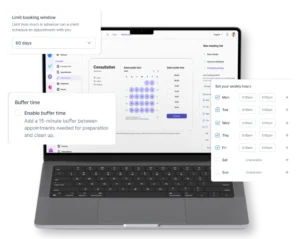

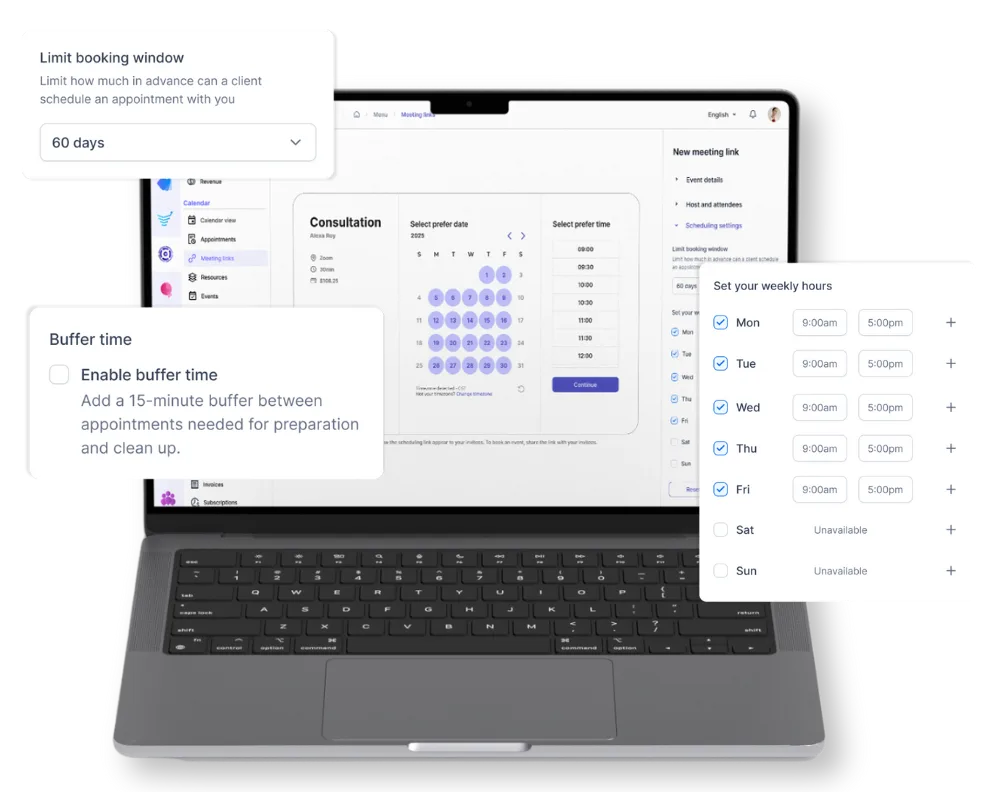
These tools let people pick from your real availability and land directly on your calendar without a single question mark trailing a thread. If you’ve ever…

You are juggling meetings, tasks, and backandforth emails just to find 30 minutes for deep work. An AI calendar management tool steps in and handles the heavy…

Virtual assistant meeting reminders are the silent guardians of our busiest days, turning chaotic schedules into manageable routines. By learning how these…