⚠️ Disclosure: This post contains affiliate links. We may earn a commission at no extra cost to you.
⚠️ Disclosure: This post contains affiliate links. We may earn a commission at no extra cost to you.

Your brain isn't lazy — it's efficient. It conserves energy for survival, not spreadsheet formatting. When a task feels ambiguous, tedious, or emotionally heavy, the limbic system triggers avoidance faster than your prefrontal cortex can rationalize why you should start. The result? You scroll instead of ship.
Tricking your brain into being productive isn't about overpowering biology with willpower. It's about working with your neural wiring: leveraging dopamine loops, reducing activation friction, and designing an environment where focus becomes the path of least resistance. In practice, the clients I've coached often see their stalled afternoons flip into productive blocks within days — not because they tried harder, but because they changed the game their brain was playing.
Your brain's default mode is to seek comfort, conserve calories, and avoid uncertainty. This isn't a character flaw — it's evolutionary firmware. When you ask how to trick your brain into being productive, the first move is understanding what you're up against.
 Source: gbrlife.com
The core neurological friction comes from four places:
A common mistake is treating these as motivation failures. They're signaling and design failures. Shift the signal, and the behavior follows. Long-term output improvements depend on the same principle that drives consistent high-performance routines — intentional structure, not random bursts of effort.
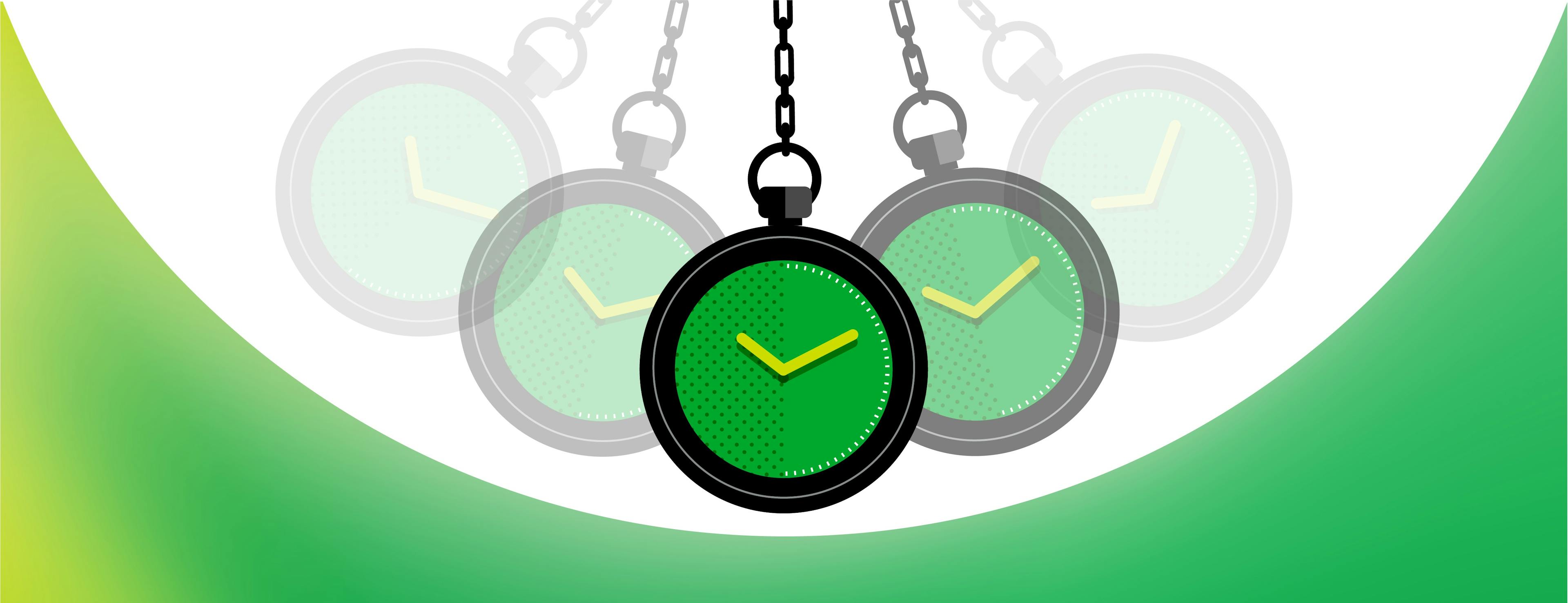
Behavioral neuroscience offers a clear formula: clear cue + low-friction action + immediate reward = repeated behavior. When you chain small wins, your brain's dopamine system starts tagging productive actions as worth repeating.
 Source: evernote.com
Four principles make this stick:
I apply this daily: a visible countdown timer and a tiny celebration after each completed sprint. My brain now associates the timer's chime with completion, not drudgery.
These tactics aren't motivational fluff. They're rooted in behavioral psychology, habit formation research, and practical cognitive science.
 Source: gbrlife.com
Frame any task by its first two minutes. "Write the report" becomes "open the document and type the headline." Starting is the neural hurdle; once you begin, the Zeigarnik effect — the brain's discomfort with unfinished business — often pulls you forward.
Pair a task you resist with something you enjoy, but only during that task. Listen to your favorite podcast while processing invoices. Save that addictive audiobook for folding laundry. The enjoyable activity becomes a conditioned reward.
Vague goals invite avoidance. Convert them into precise if-then plans: "At 8:30 AM, after my coffee, I will write at my desk for 25 minutes." This format programs the brain to recognize the cue and trigger action automatically. It sounds mechanical, but it works because it offloads decision-making from an already tired prefrontal cortex.
Work in blocks of 15–25 minutes, separated by 5-minute breaks. Short cycles prevent cognitive fatigue and deliver frequent completion signals — each completed block is a small win that replenishes dopamine.
A physical checklist, a whiteboard grid, or a simple habit tracker transforms abstract effort into a visible streak. The brain hates breaking a streak more than it hates doing the work. In practice, this single visual twist can sustain output for weeks.
Research from institutions like the National Institute of Mental Health has long explored how dopamine reinforces goal-directed behavior, and the practical takeaway is consistent: short feedback loops beat distant rewards every time.
Tricks become reliable when baked into repeatable sequences. Here are three routines you can start tomorrow — no new apps required.
 Source: melodywilding.com
Repeat three times for 30 minutes of undeniable progress. Most people find they continue past the timer. The sprint removes the anticipatory dread.
I used Routine A during a compressed deadline sprint last year. The 10-minute window removed the pressure of a full session; by day three, my brain had stopped associating the desk with resistance and started anticipating initiation. Even small behavioral refinements can benefit from the kind of deliberate skill-building approach that turns isolated tactics into durable habits.
Your environment either primes focus or primes distraction. The goal is to reduce the number of micro-decisions your brain makes before the real work starts.
Source: businessinsider.com
| Area | Change | Why It Helps |
|---|---|---|
| Workspace | One dedicated, consistent spot | Creates a context cue: "this place = work mode" |
| Audio | Single-purpose focus playlist | Auditory anchoring speeds up mental transition |
| Task visibility | Physical whiteboard or kanban board | Visible progress satisfies the brain's need for completion signals |
| Time blocking | Dedicated timer or focus app | Enforced sprints prevent task-switching drift |
| Digital clutter | Clean desktop, one browser profile for work | Reduces extraneous visual load on working memory |
When I restructured my desk layout and locked a specific lo-fi playlist to writing sessions, my average uninterrupted block grew noticeably within the first week. The environment did the signaling; my brain just followed the script.
Hacks have boundaries. Expecting permanent motivation from a single technique is like expecting a cup of coffee to replace sleep. The most effective approach respects both biology and trade-offs.
 Source: exactstaff.com
I once layered six new productivity habits into a single week. By Friday, I was exhausted and doing none of them. Scale one at a time. If you're managing a remote team alongside personal workflow changes, knowing how to coordinate effectively with a remote assistant prevents you from drowning in coordination overhead while trying to build better habits.
 Source: thenews.com.pk
The 2-minute rule paired with a visible timer. Narrow the task to its smallest possible start — "open the document" — and begin before your brain negotiates. Once motion starts, continuing is neurologically easier.
Absolutely. A consistent, distraction-minimal workspace acts as a context trigger that primes focus without conscious effort. Think of it as Pavlovian: desk equals deep work. The key is consistency, not aesthetics.
Stack three elements: visible progress tracking, social accountability, and micro-rewards at checkpoints. The brain needs frequent completion signals. Streak-based tracking — "don't break the chain" — is especially effective for sustaining drive.
They can support a system but aren't essential. Many people achieve deep focus with a notebook and a timer. If you use an app, ensure it reduces friction rather than introducing configuration fatigue. Selecting the right software also parallels choosing qualified support staff — clarity in requirements prevents tool bloat.
Simple cue-routine-reward loops can stabilize in a few weeks of daily repetition. More layered routines involving decision-making or complex skill application may take several months to feel effortless. Consistency wins over intensity.
Pull back. Burnout is a physiological state, not a motivation problem. Prioritize sleep, reduce output expectations temporarily, and audit your total cognitive load. Productivity tricks amplify a healthy baseline; they don't replace recovery. For deeper structural issues like unmet workforce development gaps, address the root cause rather than layering on more hacks.
Tricking your brain into being productive isn't about becoming a different person. It's about feeding your existing neural circuitry the signals it needs to stop avoiding and start doing. Reduce friction ruthlessly. Build short, visible feedback loops. Anchor focus with environmental cues so consistent that concentration becomes the default, not the exception.
Pick one routine from this article — the 10-minute jumpstart or the morning builder — and run it tomorrow. Note how your brain responds: where it resists, where it flows, and what surprised you. Refine one variable at a time. If you're ready to reclaim your most productive hours without relying on willpower alone, explore how our comprehensive resource hub can support your next level of focus and execution.

Sofia Grant is a business efficiency expert with over a decade of experience in digital strategy and affiliate marketing. She helps entrepreneurs scale through automation, smart tools, and data-driven growth tactics. At TaskVive, Sofia focuses on turning complex systems into simple, actionable insights that drive real results.


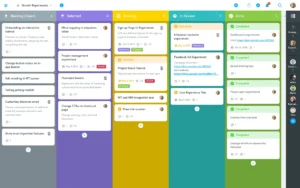


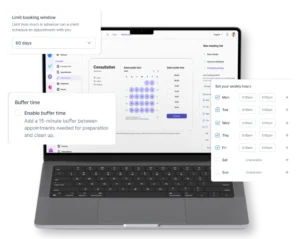


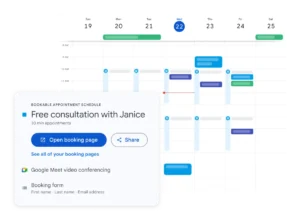


 Image source: Web (Bing) / blog.n8n.io (Web image (fairuse with…
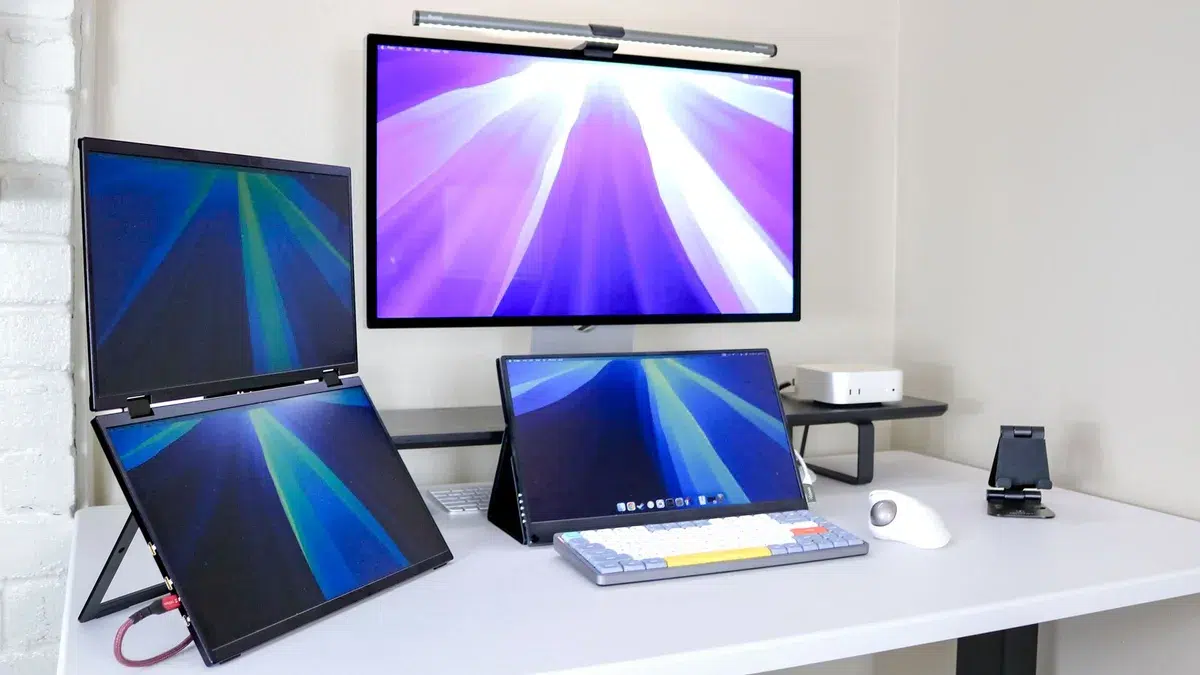
 Image source: Bing (Web (fairuse with source credit))…
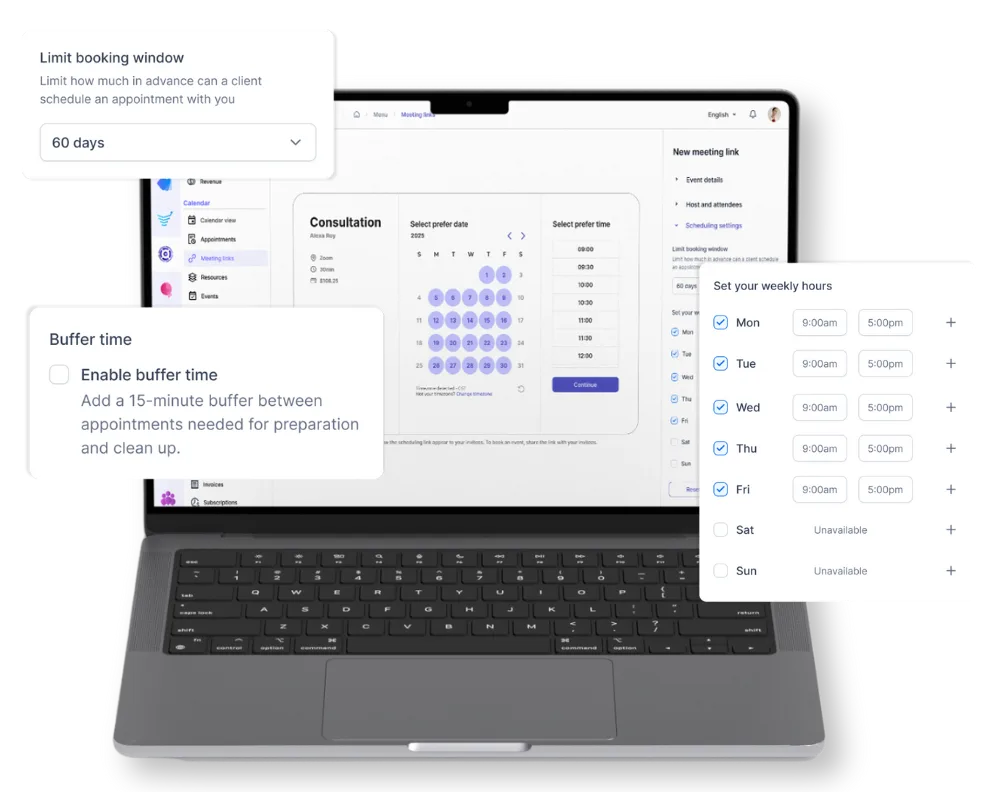
These tools let people pick from your real availability and land directly on your calendar without a single question mark trailing a thread. If you’ve ever…