⚠️ Disclosure: This post contains affiliate links. We may earn a commission at no extra cost to you.
⚠️ Disclosure: This post contains affiliate links. We may earn a commission at no extra cost to you.


Most people get tangled up by contradictory numbers. One blog claims VAs cost $5 an hour, another quotes $50, and a third insists you need $3000 a month minimum. That's frustrating.
The truth depends entirely on which model you pick.
In this guide, we'll walk through how much a virtual assistant cost actually runs as of 2026. We'll break down hourly, retainer, and full-time rates, plus the extra expenses most guides miss. You'll walk away with a clear answer for your specific business.
How much does a virtual assistant cost varies by model. Human VAs run $10 to $50 per hour. Monthly retainers sit between $400 and $3000.
AI tools cost $20 to $500 monthly.
Hiring a virtual assistant is cheaper than an in-house hire for most small teams. Still, sticker rate is only one piece of the puzzle. There are three main pricing models to consider.
Each carries different overhead and setup costs.
Hourly pricing charges per hour worked. You pay a set rate for the time your VA actually spends on your tasks. Freelancers typically charge $10 to $50 per hour.
Agencies charge $30 to $80. Hourly fits one-off projects. It works well for testing a VA before committing longer.
Monthly retainers cover a fixed pool of hours each month. You pay a set fee upfront. Typical retainers range from $400 to $3000 monthly.
Rates depend on hours purchased and skill level. Retainers work best for consistent, ongoing work.
Full-time salaried remote hires function like employees. You cover base salary plus employer taxes and payroll. Budget $2800 to $5000 monthly per person.
This model is expensive but gives you full commitment.
| Pricing Model | Typical Range | Best For |
|---|---|---|
| Hourly (freelance) | $10-$50/hr | One-off tasks |
| Hourly (agency) | $30-$80/hr | Managed talent |
| Monthly retainer | $400-$3000/mo | Steady support |
| Full-time remote | $2800-$5000/mo | Core team member |
Hourly and retainer options suit most solopreneurs and small teams. Full-time hiring makes sense once you run 20+ hours per week of delegateable work. You'll want a matching task list first.
Start with a delegateable task breakdown to size your needs correctly.
The right choice depends on your workload shape. Hourly pricing gives you flexibility. Retainers give you predictable costs and dedicated attention.
Most people default to hourly without thinking it through.
Hourly rates let you scale up and down without commitment. Start with a few hours, expand if it works. Ideal for irregular work, short campaigns, or trial periods.
Downside: budgeting is harder. Bills vary month to month.
Monthly retainers lock in a set fee. You pre-purchase a block of hours. Great for predictable support.
Downside: you may pay for unused hours if demand dips.
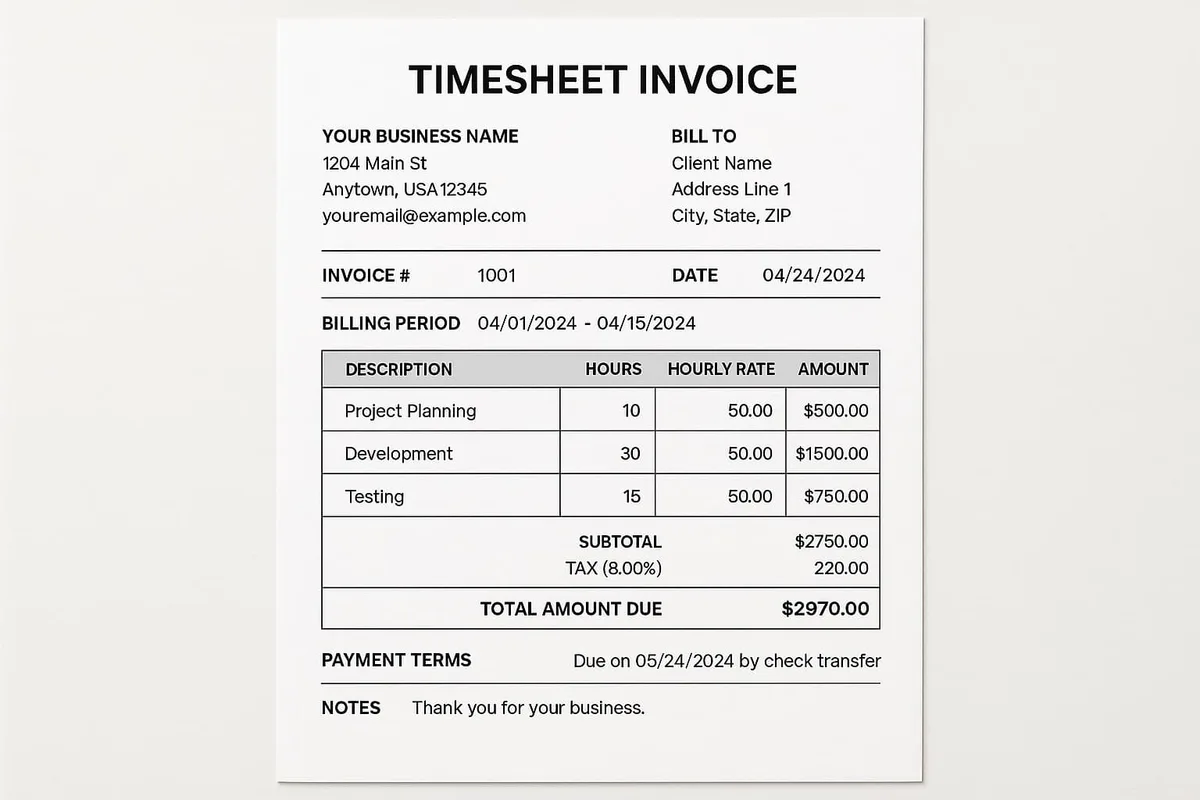
Here's a typical rate comparison:
| Factor | Hourly | Monthly Retainer |
|---|---|---|
| Cost certainty | Low | High |
| Minimum commitment | None | 1-3 months |
| Unused hours | None | Possible |
| Typical rate | $15-$45/hr | $8-$25/hr effective |
| Cancellation | Easy | Notice required |
Pick hourly if your workload swings. Pick a retainer if you'll need 15+ hours weekly, consistently. A virtual assistant task checklist will help you estimate volume before you commit.
If you're unsure, start hourly for 4 to 6 weeks, then convert to retainer once volume stabilizes.
AI virtual assistants have closed the gap quickly. Still, they don't replace humans for every job. Understanding the split is where most businesses get confused.
AI tools like automation platforms and chatbots run on flat monthly fees. Typical costs range from $20 for basic tools to $500 for enterprise suites. Setup requires minimal investment.
AI excels at repetitive tasks. Data entry, basic replies, and scheduling all work well. It struggles with nuance, judgment, and complex communication.
Human VAs charge more per hour but handle broader work. Creative writing, stakeholder communication, strategic research, and sensitive client interactions all need people. Humans adapt fast.
They learn your business over time.
| Feature | AI VA | Human VA |
|---|---|---|
| Upfront cost | $20-$500/mo | $400-$3000/mo |
| Setup time | Days | 1-4 weeks |
| Best tasks | Repetitive, rules-based | Complex, creative |
| Scaling cost | Minimal | Higher |
| Judgment quality | Low | High |
Hybrid models make sense for growing teams. Use AI for first drafts and basic replies. Route judgment-heavy work to a human.
See what virtual assistant skill profiles look like before choosing your mix. For most small businesses, AI alone isn't enough.
The headline rate is rarely the total cost. Layered expenses show up fast. Budget 20% to 30% above the sticker price for these items.
Common hidden fees:
Legal risks deserve equal attention. The IRS distinguishes between independent contractors and employees based on behavioral, financial, and relationship control tests. See IRS independent contractor guidance before classifying anyone. Misclassification can trigger back taxes, penalties, and worker's comp exposure.
Other risks to manage:
Track every dollar spent. A virtual assistant time tracking setup keeps billing honest. If you're in a regulated industry like healthcare or real estate, review role-specific guidance like virtual medical assistant duties or real estate VA requirements before signing anything.
shows you where market rates land nationally.
Your business stage dictates your best pricing model. Don't overbuy. Don't underbuy either.
Match the hire to your current volume.
Solopreneurs and creators need flexible help. Pick hourly or a small retainer. Budget $300 to $800 monthly.
Focus on admin support and content scheduling. AI tools handle the repetitive work. Human VAs handle strategy and communication.
See how a virtual assistant boosts productivity for solo operators.
Growing small businesses run 10 to 30 hours of work weekly. Move to retainer pricing or a light hybrid model. Budget $1500 to $3500 monthly.
Add AI for automation. Keep a human for customer-facing work. Watch for virtual assistant pros and cons as you scale.
Established companies run core admin functions remotely. Full-time remote hires or dedicated VA teams fit best. Budget $3000 to $8000 monthly per person.
Consider virtual executive assistant options for leadership support.
If you're unsure where you land, ask three questions. Do you have 15+ hours of steady work weekly? Do you need judgment-heavy tasks?
Can you absorb a 30-day ramp-up? Answer yes to all three and retainer or full-time makes sense. Otherwise, start smaller.
The taskvive.com task outsourcing guide is a good place to start mapping out your workload before committing to any hire.











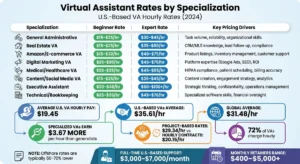








 Image source: Bing (Web (fairuse with source credit)) how to…

Still wondering how to train a virtual assistant? You’re not alone. Millions of people and businesses want help from AI but don’t know where to start. The good…

Struggling to get a new virtual assistant up to speed without wasting hours? Knowing how to onboard a virtual assistant properly can transform your business…