⚠️ Disclosure: This post contains affiliate links. We may earn a commission at no extra cost to you.
⚠️ Disclosure: This post contains affiliate links. We may earn a commission at no extra cost to you.


Marketing an online course isn’t about shouting louder than competitors. It’s about building a system that consistently attracts the right learners, demonstrates genuine value, and converts interest into enrolment. After launching and growing multiple courses across different niches, I’ve learned that the difference between a course that trickles along and one that scales predictably comes down to process, not luck.
This guide walks through a complete growth plan, from foundational audience research through retention and scaling. Each section contains actionable steps you can apply whether you’re launching your very first course or optimizing an existing catalogue.
Every effective marketing decision flows from one question: who exactly are you serving? When you truly understand your learner, every ad, email, and landing page becomes sharper because it speaks to real needs rather than assumptions.
Surface-level demographics won’t help you market an online course effectively. You need to understand the internal dialogue of your potential student — what they’ve already tried, what frustrates them, and what outcome they genuinely crave.
Practical research tactics that consistently yield useful insights:
A common mistake is building a course first and hoping an audience exists. Instead, validate interest through a low-effort signal: a waitlist landing page, a paid workshop on the topic, or a short lead magnet that tests whether people will exchange their email for this subject matter. If you can’t get a hundred sign-ups for a free resource on the topic, selling a course will be an uphill battle.
When you map specific pains to promised outcomes, your marketing stops feeling generic. You can say, “This is for freelance designers who want to stop trading hours for money and build a recurring income stream,” instead of “This course teaches freelancing.” The former connects instantly; the latter gets ignored.

Organizing learner research helps spot patterns in language, objections, and desired outcomes.
Knowing how to market an online course effectively starts with understanding who actually needs it. A muddy promise attracts nobody. The most successful course creators make one specific promise to one specific group of people.
A course on “marketing basics” competes with thousands of other resources, many of them free. A course on “email funnel strategy for health coaches launching their first group program” speaks directly to a small, hungry audience who can instantly tell this was built for them.
In practice, I once repositioned a course from a broad marketing skills topic to a tightly focused outcome for a specific professional segment. The enrollment rate more than tripled — not because the content changed dramatically, but because the promise finally made sense to the right people.
Write a single sentence that answers three questions:
Example: “I help mid-career data analysts transition into machine learning roles in six months without quitting their job or going back to university.”
Test this line in social posts, ad headlines, and conversations at industry events. Pay attention to whether people lean in and ask follow-up questions or nod politely and move on. Real interest shows up as curiosity and engagement. If your line doesn’t spark either, refine it.

A tight value proposition clarifies who the course serves and what measurable result they can expect.
Your landing page often handles the first sale — and sometimes the only chance you get to convert a visitor. When someone lands on your page, they need to answer three questions within seconds: “Is this for me?”, “What will I get?”, and “Why should I trust this?”
Every course landing page should include:
Small changes to a landing page can meaningfully shift conversion rates. Run A/B tests on headlines, CTA button copy, or testimonial placement. Use session recording tools to watch where visitors pause, scroll past, or abandon the page. Every drop-off point is a clue about unanswered objections.
For structured content that keeps visitors engaged, pay attention to how each on-page element works together — clear hierarchy, scannable sections, and consistent messaging all contribute to whether someone stays long enough to convert.
A well-structured landing page guides visitors from curiosity to enrollment without distraction.
Paid channels stop delivering the moment you stop spending. Content marketing and SEO build a lasting asset that continues attracting learners while your cost per acquisition trends downward over time.
Start by mapping every question your ideal learner asks before they’re ready to buy. These questions become your content plan. For each core topic, create a pillar guide (like what is involved in developing practical skills) supported by several shorter pieces that cover related subtopics.
Publish consistently rather than perfectly. A helpful step-by-step post published every two weeks will outperform an ambitious publishing schedule that fizzles after a month. Focus on search intent: are people looking for definitions, comparisons, tutorials, or tool recommendations? Match the format to the intent.
One thorough blog post can become:
Track which content drives traffic and, more importantly, which pages lead visitors toward your course. Some pieces will attract traffic that never converts — that’s fine. Double down on the topics that both rank and sell. Understanding how search engines surface and rank content helps you make smarter decisions about which topics to prioritize first.

Repurposing a single content idea across formats multiplies reach without multiplying effort.
Email remains one of the highest-converting channels for course sales because it’s permission-based, personal, and not subject to algorithm changes. The key is treating your list like a relationship, not a vending machine.
Your freebie should solve one specific, bite-sized problem your ideal student faces. A checklist, a short mini-course delivered over three days, or a template all work well. Avoid broad “ultimate guides” that feel overwhelming. Specificity builds trust faster.
When you deliver the lead magnet, start a short automated sequence:
Keep emails concise and conversational. One clear point per email performs better than cramming multiple ideas into a single send.
Not every subscriber is at the same stage. Segment your list by engagement: those who open and click, those who opened but didn’t click, and those inactive for 30-plus days. Send different messages to each group — course offers to the engaged, re-engagement sequences to the quiet subscribers, and a final “still interested?” check-in before cleaning your list.
A visitor’s overall experience on your site also influences whether they trust you enough to hand over an email address in the first place, so ensure your opt-in forms are accessible and your pages load quickly on mobile devices.

A structured nurture sequence warms cold leads by delivering value before asking for the sale.
A deliberate launch concentrates attention and creates urgency, driving a spike in enrollments that a passive sales page rarely achieves on its own. The right launch approach depends on your audience, your product, and your capacity.
Three common models, each with distinct trade-offs:
| Launch Type | Best For | Key Challenge |
|---|---|---|
| Open Cart (Live Launch) | Building buzz, gathering fresh testimonials | Requires intense effort during a short window |
| Evergreen (Automated) | Selling consistently without manual launches | Needs polished automation and testing upfront |
| Cohort-Based | Higher price points, community-driven learning | Managing student experience at scale |
Before your full launch, run a pilot with a small group at a reduced price (or even free, in exchange for detailed feedback and a testimonial). Use their results and genuine reactions to strengthen every aspect of your main launch — landing page copy, email sequences, ad creative, and objection handling.
You might also explore short-term promotional tactics such as targeted paid ads paired with social content during launch week, but only after your organic funnel already converts. Ads amplify a working system; they don’t fix a broken one.

Each launch phase has a distinct goal: anticipation, urgency, and then ongoing enrollment.
Paid advertising can accelerate growth, but only when your fundamentals — offer clarity, landing page conversion, and email follow-up — are already performing well. Pouring budget into ads that send traffic to a leaky funnel is an expensive way to learn this lesson.
Start with small daily budgets on the platform where your audience actively seeks solutions, such as LinkedIn for professional skills, Instagram for creative or lifestyle topics, or YouTube for in-depth how-to content.
For each audience segment, test three headlines and two visual styles. Let each variation run until you have statistically meaningful data, then cut losers and scale winners. Track cost per acquisition obsessively and set a ceiling you won’t cross.
Pair paid promotion with content that feels native to the platform. A straightforward educational post that links to a related blog article often warms cold traffic better than a direct course ad. If you’re unsure whether ads are the right channel yet, start by refining your ability to attract attention through lower-risk strategies like organic content and partnerships.

Testing ad creative with small budgets reveals which messages resonate before scaling spend.
Referral trust transfers. When a credible voice recommends your course, that endorsement carries more weight than any ad you’ll ever run.
Approach potential partners who already serve your target learner through complementary (not competing) offerings. Provide them with:
Micro-influencers — those with engaged audiences of 1,000 to 20,000 followers — often drive stronger conversion rates than broad-reach creators because their audience trusts their specific expertise. Offer trial access to your course so they can speak about it authentically before promoting.
Another effective partnership format involves co-hosting a workshop or webinar where you teach a focused skill and the partner shares the event with their audience. Both sides benefit: you gain exposure, and their audience receives valuable free training. Mention your course as a natural next step without turning the event into a pitch fest.

Providing affiliates with clear tracking and ready-to-use materials increases participation and results.
How you price and package your course directly impacts conversion rates, refund requests, and perceived value. This isn’t a set-it-and-forget-it decision.
A single price point leaves money on the table. Consider three tiers:
| Tier | What’s Included | Purpose |
|---|---|---|
| Basic | Core course content only | Volume enrolments, entry point |
| Standard | Course + worksheets/templates | Higher perceived value, main seller |
| Premium | Course + coaching/community access | Highest LTV, serves committed buyers |
Offering installment plans reduces the sticker shock of higher-priced courses. A $997 course feels more accessible at three monthly payments, even though the total is the same. Limited-time bonuses — a live Q&A call, a bonus module, personalized feedback for the first 50 enrollees — create genuine urgency without fabricating scarcity.
Be transparent about refund terms. A clear guarantee (for example, “Complete the first two modules and show your work — if you’re not satisfied, you’ll get a full refund”) protects the buyer while screening out those unlikely to engage.
A student who completes your course and achieves their desired outcome becomes a long-term asset — they leave testimonials, refer peers, and often buy future offerings. Retention starts the moment someone enrolls.
The first 48 hours after purchase set the tone. Send a personal welcome video (even a simple Loom recording works) that tells them exactly what to do first. Assign one small, achievable task that produces a quick win. Avoid overwhelming new students with the full curriculum — momentum matters more than comprehensive orientation.
Active communities increase course completion rates, but community doesn’t mean a chaotic Facebook group. Structure matters:
If you’re scaling rapidly and managing student engagement across time zones becomes difficult, some course creators bring in support for community management — and developing those management skills pays dividends as your audience grows.
Marketing without measurement is guesswork. Tracking the right metrics lets you confidently invest more in what works and cut what doesn’t.
Change one variable at a time — a headline, a price, an email subject line — and record the result in a simple log. After several launches, you’ll have a playbook of what reliably works for your specific audience. Scaling becomes a matter of running proven plays with increased budget, not rolling the dice.
The right tools support your marketing without becoming a distraction. Keep your stack lean, especially at the start.
| Function | What to Look For |
|---|---|
| Course hosting | Reliable video delivery, student progress tracking |
| Email marketing | Automation workflows, tagging and segmentation |
| Landing pages | Fast loading, A/B testing capability, integrates with payment |
| Analytics | Clear attribution, conversion tracking |
| Community | Simple discussion threads or channels, low moderation overhead |
One tool per function is plenty. Adding tools before you’ve outgrown your current setup creates integration headaches and wastes budget that could go toward content or ads. If you’re unsure where to focus, spend time learning how to audit your existing marketing setup before adopting new software.
I’ve made most of the marketing mistakes this guide warns against, so I’ll save you some tuition.
Launching without demand validation. I once built an entire course before confirming anyone wanted it. The content was solid, but the topic didn’t solve an urgent enough problem. Now I validate with a simple waitlist or paid workshop before building anything.
Spending on ads before the funnel converted. Early on, I ran paid traffic to a landing page converting at under 1%. Every dollar that didn’t convert was a dollar lost. Fix the funnel first, then add fuel.
Vague messaging that tried to appeal to everyone. A course positioned for “anyone who wants to improve” interests no one. Tightening the promise to a specific person with a specific outcome transformed enrollment rates.
Neglecting email entirely. I relied on social media alone for my first launch. When the algorithm shifted, so did my results. An email list is a marketing asset you own; everything else you rent.
Be patient with the process. Marketing is a craft, and consistent small improvements compound into significant growth.
Expect three to six months to build steady organic traction through content and SEO. Paid advertising can generate enrollments faster, but only after your funnel already converts profitably with organic traffic. Rushing into ads before testing your messaging and landing page is a common and costly error.
Start where your specific audience already spends time seeking solutions. For most course creators, that means email plus one social or content platform. A B2B course often performs well on LinkedIn and through search-optimized articles; a creative skills course may find its audience on YouTube or Instagram. Master one channel before expanding.
A free mini-course or a focused lead magnet is one of the most effective ways to build an email list and demonstrate your teaching style. It lets potential buyers experience value before committing financially. Keep it short — three to five lessons that deliver a genuine quick win — and position your paid course as the logical next step for those who want to go further.
Begin with a test budget you’re comfortable losing entirely — think of it as market research, not guaranteed revenue. Track cost per acquisition closely and only scale campaigns that show a positive return after accounting for refunds and payment processor fees. If your cost to acquire a customer exceeds your course price, pause and improve conversion rates before increasing spend.
A community isn’t mandatory at launch, but it meaningfully improves retention, completion rates, and referral activity over time. You can start without one and add a community component once you have a cohort of students who want to connect. A small, engaged community often delivers more value than a large, dormant one.
Yes, and it’s one of the fastest ways to reach new audiences. Provide affiliates with clear creative assets, fair commission terms, and reliable tracking. Many successful course creators generate 30% or more of their revenue through affiliate partnerships once the program matures. Start by recruiting a small number of trusted partners rather than opening a public affiliate program prematurely.
Marketing an online course successfully comes down to a clear, repeatable system: understand your learner deeply, define a specific and compelling value promise, and build consistent promotion across content, email, and the channels where your audience already gathers.
You don’t need to do everything at once. Pick one channel, validate demand with a small audience, and test your funnel until it converts reliably. Then scale what works.
Take one concrete action today: choose a single marketing channel that makes sense for your course topic, and run a focused seven-day test — publish daily content, send a short email sequence, or launch a small ad experiment. Track what happens, learn from the data, and iterate from there. Small, consistent actions compound into sustainable course revenue over time.
When you’re ready to expand your team or offload operational tasks so you can focus on marketing, finding skilled support makes a measurable difference in your capacity to grow.

Sofia Grant is a business efficiency expert with over a decade of experience in digital strategy and affiliate marketing. She helps entrepreneurs scale through automation, smart tools, and data-driven growth tactics. At TaskVive, Sofia focuses on turning complex systems into simple, actionable insights that drive real results.













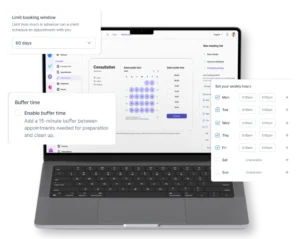


You already have the skills to support busy professionals—but turning those skills into a steady stream of clients takes intentional marketing…
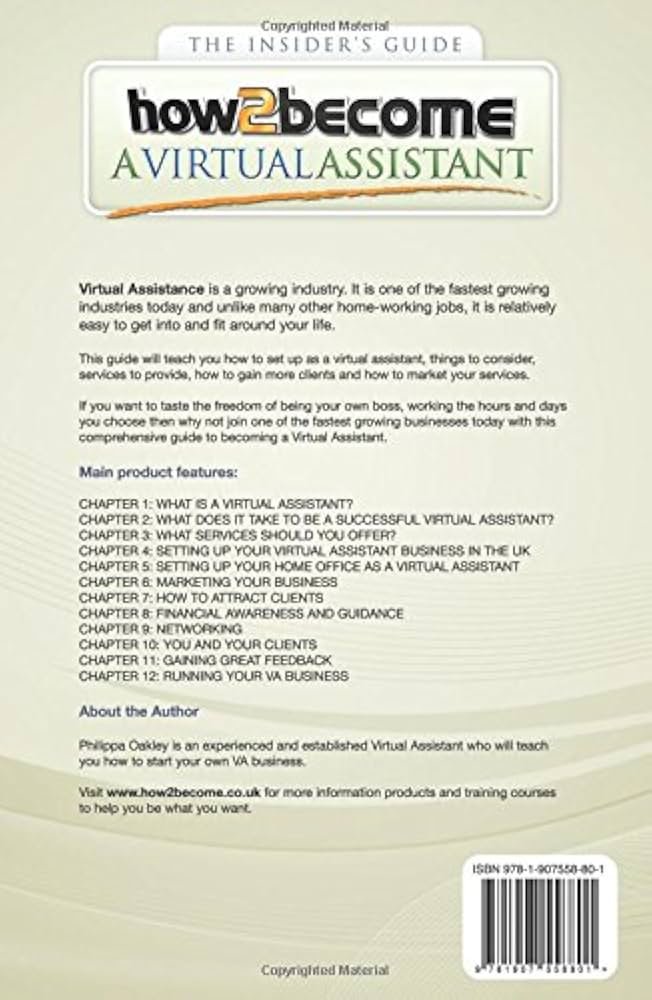
A career as a virtual assistant gives you the freedom to work from anywhere, set your own hours, and build a business around skills you already have—or…
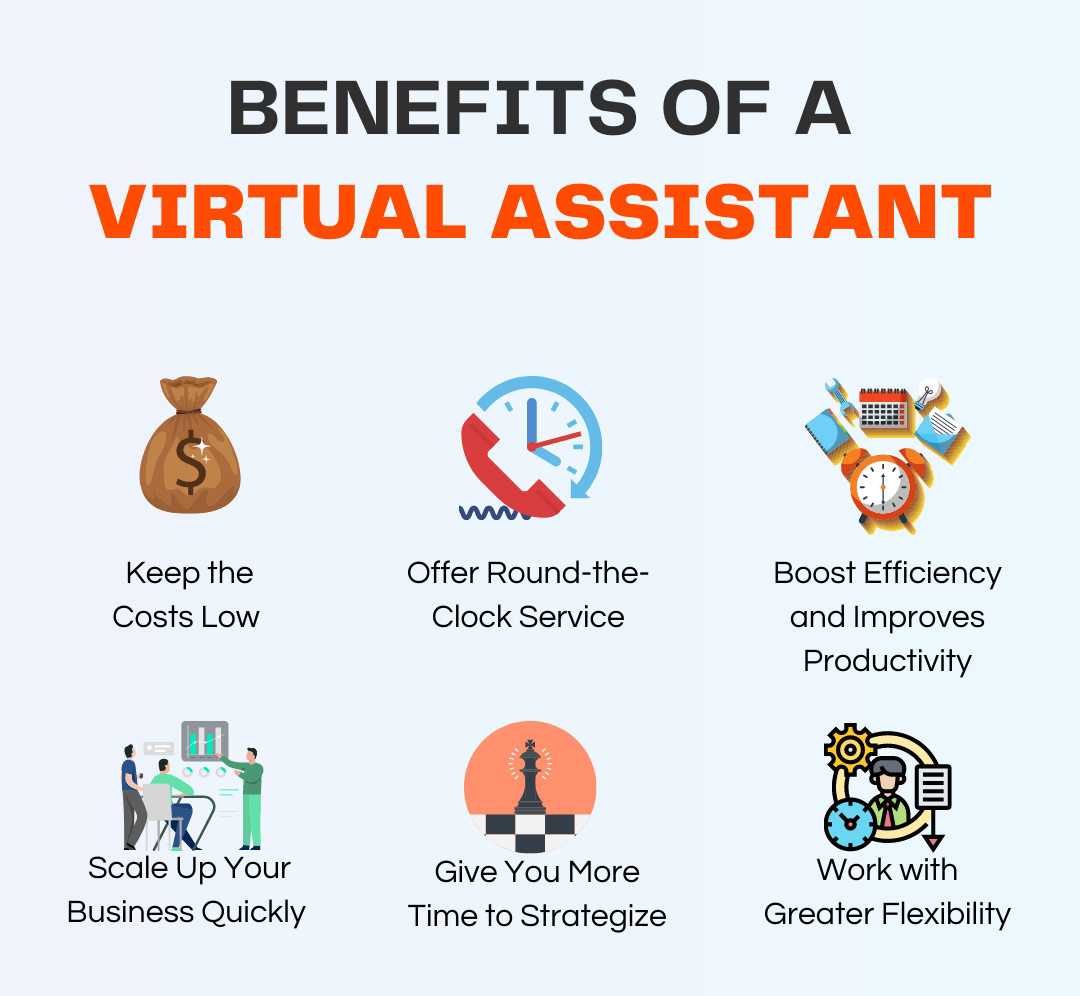
The virtual assistant industry has matured dramatically. What once meant “remote admin support” now spans high-ticket specialties like launch…