⚠️ Disclosure: This post contains affiliate links. We may earn a commission at no extra cost to you.
⚠️ Disclosure: This post contains affiliate links. We may earn a commission at no extra cost to you.


You're probably exhausted by the conflicting numbers you see online. Virtual assistant pricing varies wildly because costs depend on skill sets, location, and service models, not just hourly rates. Many sources list "starting at" figures that ignore hidden fees like onboarding or software subscriptions.
This mismatch leaves most business owners guessing about their true total cost of ownership.
As of 2026, the gap between basic administrative support and specialized executive roles has widened significantly. The U.S. Bureau of Labor Statistics reports a median annual wage for administrative assistants near $55,000, which sets a baseline for employee costs.
We've analyzed current market rates to clarify what you should actually expect to pay. Let's break down the real numbers behind the hype.
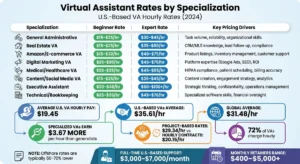
Virtual assistant pricing depends on the hiring model. Freelance rates range from $5 to $75 per hour. Agency retainers typically cost $500 to $2,000 monthly.
AI assistants charge flat subscription fees between $30 and $150 per agent. Your final cost reflects task complexity and geographic location.
Rates fluctuate based on three main drivers. Geography is the biggest factor. A VA in the Philippines often charges $5 to $15 an hour.
A US-based executive might charge $40 to $75. Skill level matters too. Data entry is cheap.
Strategic planning costs more.

Image source: Pexels / Tara Winstead (Pexels License)
The service model changes the math completely. Hourly billing means you pay for every second. Retainers lock in monthly hours for a fixed fee.
Project-based pricing charges for specific deliverables. Each model carries different risks and benefits.
Hidden costs often surprise new clients. Onboarding fees can range from $500 to $3,000. Some agencies charge performance bonds upfront.
Software licenses are usually extra. If your VA needs access to paid CRM tools, you'll pay for those seats separately.
Scope creep is the silent budget killer. You hire someone for email management. Then you ask them to handle social media.
Then you need calendar conflict resolution. If the contract doesn't define tasks clearly, you'll overpay or underdeliver. Always write a detailed statement of work.
Define what is in scope and what is out. Use time tracking tools to monitor hours against deliverables.
Not all hours are equal. Thirty minutes of invoice processing takes a different skill set than thirty minutes of investor deck design. Complex tasks command higher rates because they require specialized knowledge.
A generalist VA might charge $15 an hour for filing. That same person might charge $30 an hour for financial modeling.
Agencies often tier their pricing this way. They group tasks into service levels. Basic admin costs less.
Strategic support costs more. Understanding this distinction helps you negotiate fair rates. It also prevents you from hiring a senior expert for simple data entry.
That waste drains your budget fast. Knowing core VA duties helps you set realistic expectations.
Choosing the right model dictates your total spend. Each option offers different levels of control and support. The right fit depends on your team size and technical expertise.
Freelancers offer the lowest entry barrier. You find talent on marketplaces or via referrals. Rates are generally lower than agency fees.
However, you handle all recruitment and vetting. You also manage their onboarding and quality control. This adds administrative hours to your workload.

Image source: Web (Bing) / lakdi.com (Web image (fair-use with source credit))
The risk of turnover is high here. If your freelancer quits, you're back to square one. You must maintain a pipeline of candidates.
This model works best if you have strong internal management skills. It suits solo founders who can dedicate time to oversight.
Agencies handle the vetting and hiring process for you. You pay a premium for this convenience. Their onboarding is streamlined because they've done it before.
You also get backup support. If one VA is sick, another steps in. This reduces continuity risk.
Retainer packages from agencies often start around $800 per month for 20 hours. The higher cost buys you peace of mind. It's ideal for startups that lack HR bandwidth.
You trade higher monthly costs for lower operational risk. Understand the advantages of outsourcing before committing to this structure.
AI assistants offer a radically different pricing structure. You pay a flat subscription fee. No hourly billing.
No overtime.
Costs stay predictable. Tools like Ada or Intercom charge per agent or per ticket resolved.
However, AI has limits. It excels at repetitive, rule-based tasks. It struggles with nuanced client relationships or creative problem solving.
Use AI for overflow support and initial triage. Keep humans for complex interactions. This hybrid approach maximizes value while controlling costs.
Compare AI and human task capabilities to find the right balance.
Deciding between human labor and software automation is a critical choice. Each has distinct strengths and weaknesses. The right choice depends on your specific workflow needs.
Human VAs cost more at high volumes. If you need 100 hours a month, human labor can get expensive.
AI tools scale better. One subscription might handle thousands of interactions. The marginal cost of serving one more customer is near zero.
For low-volume tasks, humans are often cheaper. A simple email draft takes seconds for a human. It might take hours to configure an AI to do it right.
Calculate the break-even point for your specific use case. For complex roles like executive assistant services, human judgment remains paramount.
AI lacks emotional intelligence. It can't read the room in a difficult client call. It struggles with ambiguous instructions.
If a task requires empathy or creative flair, humans win. AI is best for data entry, scheduling, and FAQ handling.

Image source: Web (Bing) / idealmarketing.com.br (Web image (fair-use with source credit))
Human VAs bring adaptability. They learn your preferences. They flag issues before they become crises.
This intuitive layer is hard to replicate with code. For high-stakes communications, hire humans. For volume processing, deploy AI.
In medical practices, specialized support blending tech and human skills is crucial.
Which Option Fits Your Specific Workflow?
Match the tool to the task. Use this simple guide to allocate your budget effectively.
| Task Type | Recommended Resource | Why |
|---|---|---|
| Invoicing & Data Entry | AI or Low-Cost VA | Repetitive, rule-based, high volume |
| Client Relationship Mgmt | Senior Human VA | Requires empathy and nuance |
| Social Media Content | Human VA | Creative and brand-specific |
| Appointment Scheduling | AI Chatbot | 24/7 availability, zero marginal cost |
| Strategic Planning | Executive Human | Deep industry knowledge needed |
For medical practices, specialized support is crucial. Check out what a virtual medical assistant does to see how human and tech blend.
The sticker price is not the whole story. Onboarding takes time and money. The first 30 days often cost more than the advertised hourly rate suggests.
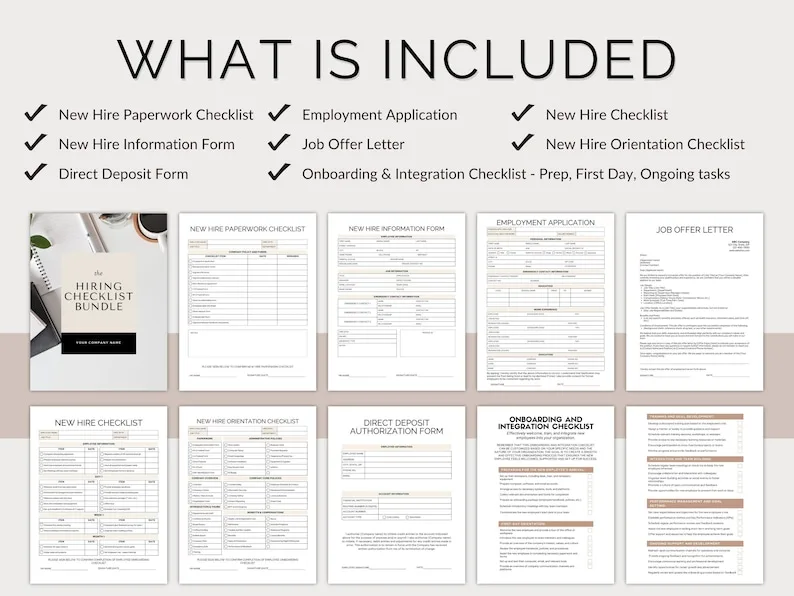
Image source: Bing (Web (fair-use with source credit))
Training your VA is a paid process. They need to learn your systems. They need to understand your tone and standards.
This learning curve reduces their initial productivity. You pay for their time while they ramp up.
Set clear expectations. Provide documented Standard Operating Procedures (SOPs). The better your documentation, the faster they become effective.
Use free resource guides to streamline this process. This investment reduces long-term churn costs.
Add up every expense associated with the VA. Hourly rate plus software licenses. Plus onboarding fees.
Plus your own management time.
If you spend 5 hours a week managing them, that’s 20 hours of your billable time. Factor that in. It might change which model makes sense.
A managed agency costs more per hour. But it saves you management time. The real cost is the sum of all parts.
Pricing is only half the story. Classification errors carry legal risks. You must know where you stand with the IRS.
Misclassifying a worker as a contractor can lead to back taxes and penalties. The IRS uses an "ABC test" to determine status.
If you control how, when, and where they work, they’re likely an employee. VAs usually set their own hours and use their own equipment. This points toward contractor status.
Consult the IRS Employer’s Tax Guide for current details. Get professional advice for your specific situation. This protects your business from liability.
Your VA will access sensitive data. You need robust security protocols. Require two-factor authentication.
Sign Non-Disclosure Agreements (NDAs).
Ensure they comply with GDPR or CCPA if you handle international data. These steps prevent breaches. Breaches are far more expensive than the VA’s salary.
Invest in security from day one.
Budgeting for a VA requires context. There is no single "right" number. Your spend depends on your revenue and risk tolerance.
Let’s look at two common business profiles.
If you are just starting out, limit your commitment. Ten hours a week at $20 is $200 monthly. This covers basic inbox management.
It might also handle social media posting.
Stick to offshore freelancers for this tier. The lower cost allows for flexibility. You can test different skills without breaking the bank.
If the fit is wrong, switching costs are minimal.
As you hire staff, your VA needs evolve. You move from general admin to specialized operations. At $500, you might hire one part-time freelancer.
At $2,000, you are likely using a managed agency. The agency provides dedicated hours and backup coverage. This is essential when you cannot afford downtime.
The higher premium buys reliability during critical growth phases. Review the skills needed for these roles to justify the budget.
These answers clarify the most common concerns about budgeting and contracts.
No, not inherently. Skill level depends on the individual. However, geography affects cost and communication overlap.
US-based VAs are expensive but culturally aligned. Offshore VAs are cheaper and offer timezone advantages. You pay for convenience and overlap.
Quality is determined by vetting processes, not just location.
Platforms charge a cut for their service. Fees typically range from 10% to 20% of the hourly rate. Some platforms use a flat subscription model instead.
Calculate this extra cost into your budget. It significantly increases your effective hourly rate. Always compare the final net cost.
Retainers lock in a fixed number of hours for a set price. You pay monthly regardless of actual usage. Unused hours usually expire.
Hourly billing pays only for work done. Retainers guarantee capacity. Hourly billing guarantees flexibility.
Choose based on your volume predictability.
Yes, it is often substantial. Training takes 2 to 4 weeks. During this time, productivity is low.
You pay full rates for learning hours. Good SOPs reduce this cost. Budget for roughly 20 extra hours of paid training.
This prevents frustration later in the partnership.
Most agencies require a notice period. This is often 30 days. Check your agreement before signing.
Lock-in periods can last 3 to 6 months. This protects the agency’s onboarding investment. Ensure the terms align with your cash flow.


















 If you’re drowning in inbox management and still cannot finish your core…
 Image source: Web (Bing) / pinterest.com (Web image (fairuse…
You’re drowning in email, your calendar is chaos, and you wonder how to manage virtual assistants remotely without spending all day managing them. Most guides…