⚠️ Disclosure: This post contains affiliate links. We may earn a commission at no extra cost to you.
⚠️ Disclosure: This post contains affiliate links. We may earn a commission at no extra cost to you.


Virtual assistant rates for real estate vary wildly based on location, experience, and scope of work. A basic offshore assistant handling data entry might cost you $3 an hour. A senior transaction coordinator in the US can run $35 an hour.
The gap is huge, so understanding what drives that pricing helps you budget accurately.
As of 2026, the national average for a full-time US-based real estate virtual assistant sits between $1,800 and $2,500 per month. This figure excludes benefits and management overhead. If you are hiring offshore, that same 40-hour week drops to roughly $600 to $1,200.
Let’s break down exactly where those numbers come from and how to choose the right model for your team.

Real estate virtual assistant rates range from $3 to $35 per hour. Entry-level offshore staff cost $3 to $6 an hour. Experienced US-based assistants charge $20 to $35 an hour.
Monthly retainers typically span $500 to $3,000. Costs depend heavily on geography and task complexity.
Rates aren’t random. They reflect the specific skills required for your business. Simple administrative tasks command lower prices.
Complex transaction coordination demands higher pay. We look at three main drivers when analyzing pricing.
First is location. Labor costs in the Philippines or Eastern Europe are significantly lower than in Texas or New York. Second is expertise.
A VA who knows MLS platforms and CRM systems like Follow Up Boss is worth more than a general admin hire. Third is scope. Handling one lead per day is cheap.
Managing 500 leads and 10 closings monthly is expensive.
General assistants handle email and scheduling. Real estate specialists handle contract routing, lead nurturing, and listing management. This specialization adds a premium.
You pay for time saved in learning. You also pay for reduced risk in error handling.
If you need someone to just answer phones and book showings, you can stick to the lower end. If you need someone to manage your entire back-office operations, expect to pay top-tier rates. Always match the rate to the responsibility.
You are buying time and competence. Different roles deliver different value. Understanding these tiers helps you negotiate better.
Here is how the market segments these positions.
Each tier scales with your growth. New agents often start with entry-level help. High-volume teams invest in senior coordinators.
You want the right skill set for your current deal volume.
Geography is the biggest price factor. Offshore hiring saves money. Onshore hiring saves time and trust.
Most US teams offshore for cost efficiency. They keep onshore staff for sensitive client interactions.
The Philippines remains the top choice for real estate VA support. English proficiency is high. Time zones offer overlap with early US hours.
Rates are consistent and predictable. Eastern Europe offers strong technical skills. Latin America provides mid-level pricing with better cultural alignment for North American markets.
| Region | Hourly Rate (USD) | Monthly Cost (40 hrs) | Best For |
|---|---|---|---|
| Philippines | $4 – $10 | $500 – $1,500 | High-volume admin tasks |
| Eastern Europe | $10 – $20 | $1,500 – $3,000 | Technical CRM work |
| US (Onshore) | $20 – $35 | $3,200 – $5,600 | Senior transaction roles |
Use offshore for repetitive volume work. Use onshore for complex, high-stakes coordination. This hybrid model balances cost and quality.
It allows you to scale without blowing your budget.
Payment structure changes how you view value. Hourly rates pay for time. Retainers pay for availability and output.
You must pick the model that fits your workflow.
Hourly billing suits variable workloads. You only pay when you need help. It works well for one-off projects.
For example, you might need help during open house season. Then you pause the work. No monthly commitment is required.
Retainers suit steady, ongoing needs. If you have leads every day, a retainer makes sense. It locks in your priority.
The VA knows your systems by default. It removes the mental load of tracking hours. Most established teams switch to retainers after the first month.
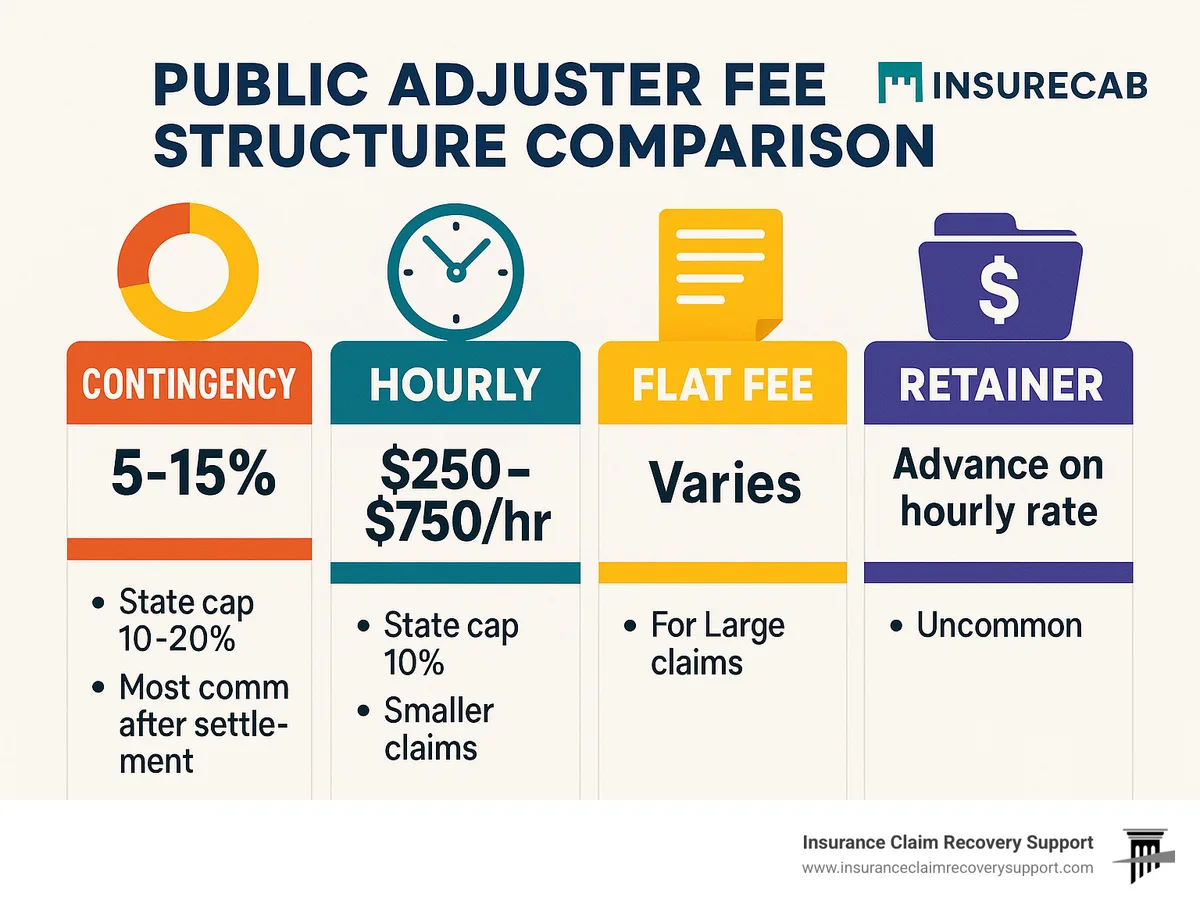
Think about this. If you pay $10 an hour but only need 10 hours a month, you pay $100. A retainer might be $150 for unlimited support within limits.
The retainer is better for consistency. It creates a dedicated partnership. You get faster response times.
You build a deeper working relationship with your VA.
Knowing the numbers helps you spot bad deals. We have aggregated current market data. These benchmarks reflect 2025 and early 2026 trends.
Use them to validate quotes you receive.
| Role | Low End (Offshore) | High End (Onshore) | Recommended Budget |
|---|---|---|---|
| Data Entry / Social Media | $4/hr | $18/hr | $500/mo |
| Lead Qualification | $6/hr | $25/hr | $1,000/mo |
| Transaction Coordination | $12/hr | $35/hr | $2,500/mo |
| Marketing Support | $5/hr | $22/hr | $800/mo |
Don’t pay onshore rates for offshore work. If a vendor in Manila asks for $25 an hour, walk away. They are overcharging.
Conversely, if a US freelancer charges $15 an hour, investigate their experience. Rates can be manipulated. Always check their portfolio.
Remember to factor in tools. You may need to buy software licenses. You might need a project management platform.
Consider onboarding time. New VAs take two to four weeks to ramp up. Pay for this training time upfront.
It is part of the true cost.
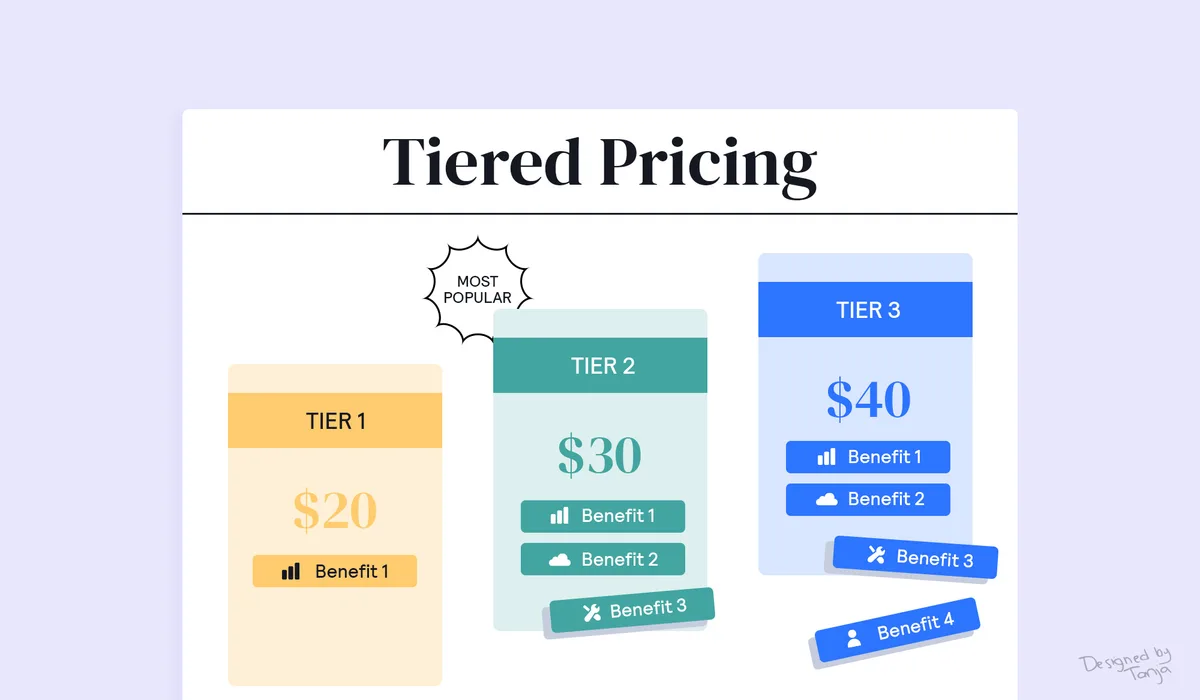
If you are scaling a team, look at your total operational expense. A single senior VA might cost $3,000 a month. Three junior VAs might cost $1,500 combined.
The senior VA is more efficient. The juniors are cheaper but slower. Decide what value matters more: speed or cost.
Both have valid places in a real estate business. You just need to pick the right one for your stage.
Your team size and deal flow dictate your hiring strategy. New solo agents usually start with part-time hourly work. This keeps overhead low while you test the waters.
If you are just building your pipeline, a freelance virtual assistant is a safe entry point.
For teams handling five to ten deals per month, a mid-level retainer works best. You get consistent support without burning cash. The VA learns your systems over time.
This is the sweet spot for most small brokerages. You save on management time because the workflow is set.
High-volume teams running thirty-plus closings need senior coordinators. You need reliability and legal knowledge. A dedicated onshore or hybrid model is the right call.
At this scale, time tracking becomes essential. You need to know exactly where the hours go.
Think about your pipeline. If leads are consistent, go retainer. If they spike seasonally, go hourly.
Match the payment model to your cash flow. You can always adjust later.
Consider your growth trajectory. If you expect volume to double next quarter, invest in a senior VA now. You save retraining costs later.
Scaling takes time. A real estate virtual assistant who knows your specific MLS quirks is worth a premium.
A hybrid approach works for most teams. Keep one senior VA for complex tasks. Add junior staff for admin support.
This balances cost and capability. It allows you to outsource specific tasks without hiring full-time.
Don't overthink it. Start small. Scale up as volume grows.
You can always add more VAs later. The key is matching investment to return.
Remember, you're buying time and focus. The right rate tier lets you concentrate on closing deals. Your VA handles the rest.
Never accept the first quote. Always negotiate scope clearly. Define exactly what the VA will handle.
Vague expectations lead to costly mistakes. If you want to understand the value, look at the benefits of hiring a virtual assistant.
Common mistakes include paying hourly for full-time work. This gets expensive fast. A $15/hour VA working 30 hours costs $450.
A retainer might be $800 for unlimited support within defined limits. The math favors the retainer.
Always negotiate trial periods. Start with two weeks at standard rates. If the VA delivers, lock in a retainer at a discount.
Most offshore VAs offer this arrangement. It builds trust before you commit to long-term money.
Document everything in writing. Create SOPs for each task. This reduces training time and rework.
Clear instructions prevent miscommunication across time zones. You need a tasks list that leaves no room for error.
Never underpay. If a VA charges $3 an hour, their quality will suffer. You end up retraining them anyway.
Pay fair market rates for long-term success. You also need to ensure they have the right skills.
Beware of hidden costs. Training time is billable. Software licenses add up.
Track your total investment. Compare against your actual workload. Use free resources to set up your own systems first.
Set clear termination terms. If performance drops, you need an exit strategy. Notice periods protect both sides.
Include this in your agreement upfront. It avoids legal headaches later.
Review rates quarterly. Markets shift. If you hired in 2023, adjust for inflation.
Stay competitive to retain good VAs. Good pros and cons analysis helps you decide when to renegotiate.
Rates range from $3 to $35 per hour based on experience and location. Entry-level offshore staff cost $4-8 an hour. Senior US coordinators charge $25-35.
Your budget should match your deal volume and complexity.
Yes, with proper safeguards. Use NDAs and data privacy agreements. Vet candidates through reputable agencies.
Limit sensitive client data access. Most offshore arrangements work smoothly with clear protocols.
Hourly suits seasonal or variable workloads. Monthly retainers work for consistent daily tasks. If you need support every day, retainer is cheaper.
For sporadic help, hourly saves money.
Offshore rates average $6-12 per hour. Onshore US rates average $20-35 per hour. Rates vary by task complexity.
Always compare against 2025 benchmarks to avoid overpaying.
Always sign a written agreement. Include rates, hours, responsibilities, and termination terms. This protects both parties.
A simple template works for most setups.
Track time saved and deals closed. If one VA handles fifty leads monthly, they pay for themselves. Calculate cost per transaction.
Compare against your time value.






















You can feel it when a day slips through your fingers — busy, but not effective. True crazy productivity isn’t about cramming more tasks into your…

Earning a consistent $100 per day—roughly $3,000 a month before taxes—is a financial milestone that transforms a side hustle into a meaningful income…

Earning $500 a day while juggling lectures, assignments, and a social life sounds ambitious—because it is. But thousands of students are already doing it…