⚠️ Disclosure: This post contains affiliate links. We may earn a commission at no extra cost to you.
⚠️ Disclosure: This post contains affiliate links. We may earn a commission at no extra cost to you.


If you're asking what virtual assistant rates for small business really look like, the honest answer is that the numbers span a huge range. A general admin VA in the Philippines might charge $8 per hour. A senior executive assistant in the UK could be quoted $75.
Same job title, very different math.
As of 2026, our research across hiring marketplaces and job boards shows offshore VA rates typically starting near $5 per hour and onshore rates running $30 to $100+ per hour. The reason for that gap isn't quality alone. It's a mix of timezone, cost of living, specialization, and how the engagement is structured.
Understanding how each factor moves the price is the whole game, and that's where we start.
Virtual assistant rates for small business range from $5 to $100+ per hour. Offshore VAs cost $5 to $25. Onshore VAs cost $30 to $100+.
Retainers are cheaper than hourly rates. Specialized skills cost more than general admin.
Most hiring guides flatten the market into a single hourly number. That's not how it works in practice. The same title "virtual assistant" covers everything from data entry to executive calendar management to full-stack marketing support.
If you only look at the hourly rate, you'll misjudge the total cost. Tool subscriptions, onboarding time, management overhead, and rework add real dollars. For a US-based small business, paying $15 per hour offshore can end up costing more than $40 per hour onshore once those layers stack.
Hourly pricing also hides a bigger tradeoff. Full-time employees carry benefits, payroll taxes, and overhead running roughly 30 to 40 percent above base salary. Part of the appeal of hiring a VA is avoiding that overhead.
Explore the full benefits of hiring a virtual assistant if you haven't yet, because it frames where the savings actually land.
Four variables do most of the heavy lifting in any VA quote.
| Factor | Rate Impact |
|---|---|
| Offshore location (Philippines, LATAM, Eastern Europe) | 30 to 70 percent lower than onshore |
| Specialized skill (tech, creative, executive) | 50 to 300 percent higher than general admin |
| Retainer model | 5 to 15 percent cheaper than hourly |
| Senior experience (5+ years) | 50 to 100 percent higher than junior |
Timezone matters more than raw location. If your VA is six hours off from you, you pay for that gap in slower responses and handoff time. If they overlap with your working day, you're getting real-time collaboration for the premium.
Here are the working rate ranges our research points to as of 2026.
| Region | Hourly Range |
|---|---|
| Philippines | $5 to $15 |
| Latin America | $15 to $30 |
| Eastern Europe | $20 to $50 |
| US / UK / Canada / Australia | $30 to $100+ |
Skill tier shifts the number again. General admin work stays near the bottom. Executive support with calendar, inbox, and travel management runs higher.
Technical VAs, whether handling CRM setup, Shopify, or WordPress, bill like part-time developers. Creative VAs with design tools cost more still. See the breakdown of virtual assistant tasks to map each role to what it actually costs.
| Skill Tier | Hourly Range (Global) |
|---|---|
| General admin | $8 to $25 |
| Executive assistant | $20 to $60 |
| Tech / CRM / e-commerce | $25 to $75 |
| Creative (design, social) | $20 to $50 |
| Senior specialist | $40 to $120 |
The US Bureau of Labor Statistics publishes broader wage data on similar administrative roles, and it backs up the range. Base clerical roles cluster around the lower end. Specialized admin and operations work sits near the middle.
Three models dominate the market, and the right one depends on how predictable your workload is.
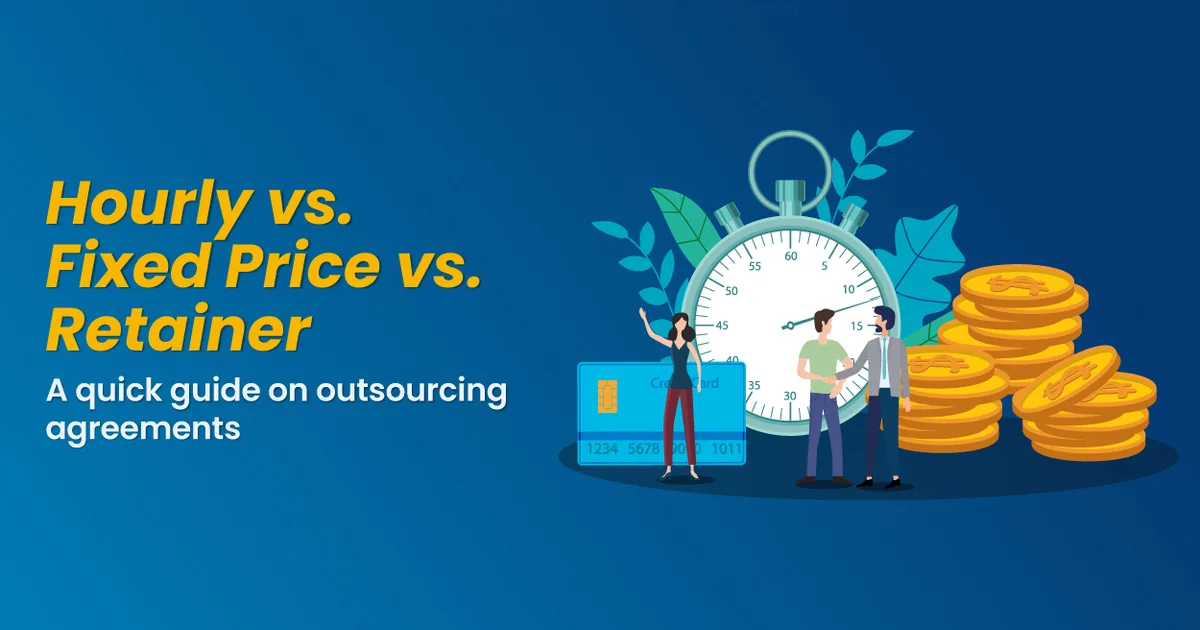
Most VAs anchor around retainers because it gives them stable income. If you commit to 20 hours per week, you'll usually get a 5 to 15 percent discount off the hourly rate. That discount can add up quickly if you're running steady admin work.
One common mistake is signing a retainer before you've verified the volume. If you signed 25 hours and only use 15, you've overpaid. If you signed 15 and needed 30, you've capped your growth.
Track usage for the first month with something like virtual assistant time tracking software, then renegotiate.
Picking a rate only works once you have a hiring process that actually delivers a good match. Here's the six-step flow we use.

Step 4 is the one most small business owners skip. If the role is genuinely contractor-style, the VA should be classified as an independent contractor under IRS Publication 15-A guidelines at IRS.gov. Treat them like an employee and the classification problem becomes yours.
Free VA resource guides are useful here. Browse a curated set of free VA resources and templates so you don't have to build onboarding from scratch.
The most expensive VA mistake isn't paying too much. It's paying too little for the wrong person, twice.
Overpaying by $10 per hour is fixable. Hiring someone you can't trust with your inbox or client list is much harder to unwind.
Match the model to the size of your business. A solo founder and a five-person agency have different problems, different budgets, and different risks.
If you're a solo founder, start hourly. You don't know the workload yet. Pick a general admin VA at the lower end of their market rate, run a two-week trial, then decide if a retainer makes sense.
If you're a 2 to 5 person team, use a retainer. You have predictable admin needs. Calendar, inbox, scheduling, and customer support are recurring. A 20-hour weekly retainer with a discount saves you money and stabilizes your VA's pipeline.
If you're at 5 to 15 people, split roles. One general admin plus one specialist for the highest-volume function. Marketing, e-commerce, or real estate each have dedicated VA niches. For example, real estate VAs handle listings, showings, and follow-ups at a premium that's still cheaper than full-time hiring.
If you're scaling past 15 people, consider an agency or full-time hire. At that point the management overhead of multiple independent contractors becomes its own role. A dedicated operations manager, or an agency managing a pool of VAs, removes that layer.
| Business Size | Best VA Strategy |
|---|---|
| Solo founder | Hourly, general admin, 2-week trial |
| 2 to 5 people | Retainer, 20 hrs/week, generalist |
| 5 to 15 people | Retainer + specialist VA |
| 15+ people | Agency or dedicated full-time hire |
The tasks to outsource change as you grow. Start with what eats your time. Don't outsource your core strategy, and don't pay specialist rates for tasks a generalist can handle.
If you're hiring an executive-level VA to manage a growing calendar, travel, and sensitive comms, look at the executive assistant profile so you're pricing the right tier. The full VA task breakdown helps you map what you can and can't offload.
Offshore VAs run $5 to $25 per hour depending on country and skill. Onshore US and UK VAs run $30 to $100+ per hour. The wide gap reflects timezone overlap, cost of living, and specialization level, not quality alone.
A VA is usually cheaper by 30 to 60 percent for the same hours. Full-time staff carry payroll taxes, benefits, office space, and paid time off. VAs cover tools and taxes on their own.
The savings shrink if you need many VAs with overlapping functions.
Most solo founders and small teams start at 10 to 20 hours per week. Scale to 30 to 40 hours when admin work becomes daily. Track your hours for a month before committing to a retainer so you don't overbuy or underbuy.
Yes. Technical VAs, executive assistants, and creative specialists bill 50 to 300 percent more than general admin VAs. A Shopify or CRM specialist can run $40 to $75 per hour.
Pay the premium when the work needs those tools.
Adjust scope, not quality. Cut the number of hours, focus on one function, or use a junior VA for basic admin. Don't go below $8 to $10 per hour offshore.
Below that, churn and quality issues cost more than they save.
Often yes. Long-term retainers, bulk hours, and referrals all move the number down 5 to 15 percent. If a VA is at their floor and you want the discount, ask whether a smaller scope at a slightly lower rate works better for both sides.




















You’re staring at two options that look almost identical on your screen. A virtual assistant to manage calendar can be a human contractor or an AI scheduling…

A virtual assistant to organize calendar can be the difference between a calm week and a chaotic one. The wrong choice leaves you shouting at a speaker that…

You’re drowning in appointment requests and a virtual assistant to manage appointments sounds like the fix. But the options range from a human freelancer to an…